Garden Butterfly Species Guide: Identify Yours!

Your Garden Butterfly Species Guide: A Quick Look

Want to know which butterflies are fluttering around your garden? This guide helps you identify common garden butterflies! Learn about their colors, sizes, host plants (where they lay eggs), and nectar sources (what they eat). With a little observation, you can discover the beautiful diversity right outside your door and create a butterfly-friendly habitat!
Butterflies bring so much joy to our gardens! Their vibrant colors and delicate flight make any outdoor space feel magical. But sometimes, it’s hard to tell one butterfly from another. You might wonder, “Is that a Monarch or a Viceroy?” or “What kind of plant does that butterfly need?”
Don’t worry, I’m here to help! As a lifelong butterfly enthusiast, I’ll guide you through identifying common garden butterflies. We’ll explore their unique characteristics and learn how to attract them. Get ready to transform your garden into a butterfly haven!
Identifying Common Garden Butterflies

Identifying butterflies can be a rewarding experience. Let’s explore some common garden butterflies and their unique features:
Monarch (Danaus plexippus)
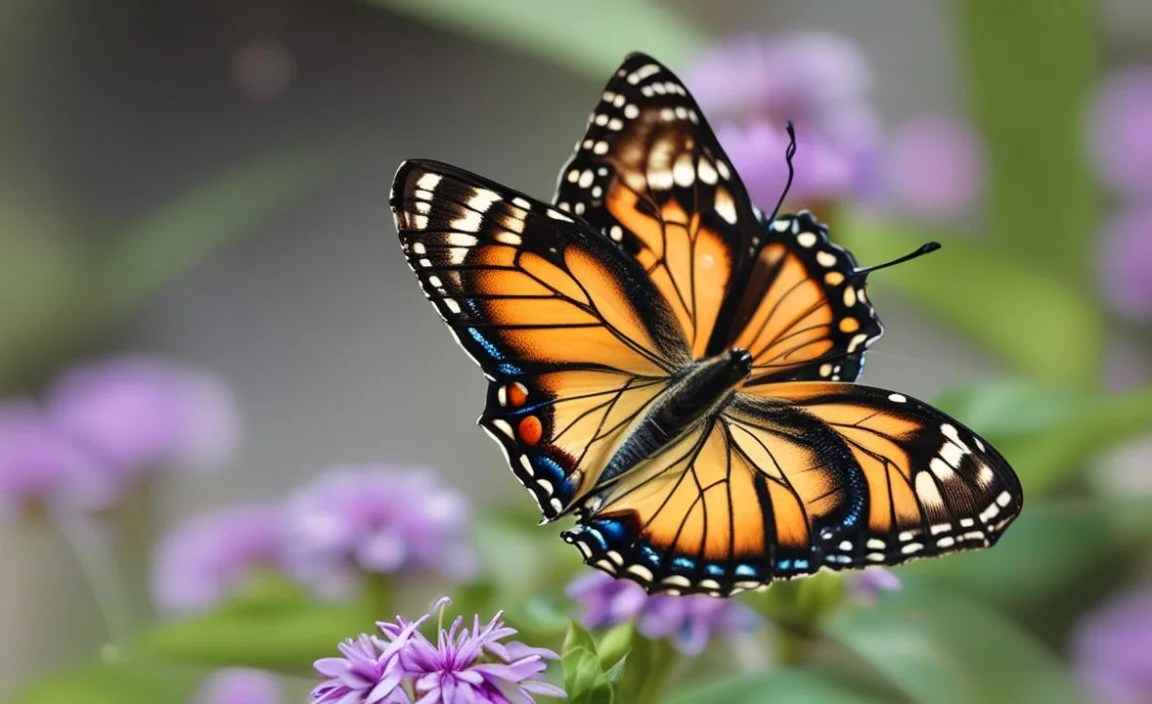
The Monarch is perhaps the most recognizable butterfly in North America, known for its incredible migration.
- Appearance: Bright orange wings with black veins and a black border containing white spots.
- Size: Wingspan of 3.5 – 4 inches.
- Host Plant: Milkweed (Asclepias species). Monarch caterpillars exclusively feed on milkweed.
- Nectar Sources: Butterfly bush, zinnias, asters, and other nectar-rich flowers.
Monarchs are in decline due to habitat loss and milkweed scarcity. Planting milkweed in your garden is a crucial step in supporting their population.
Learn more about Monarch conservation efforts.
Viceroy (Limenitis archippus)
The Viceroy is often mistaken for the Monarch, but it has a distinguishing feature.
- Appearance: Similar orange and black pattern to the Monarch, but with a black line across the hindwing.
- Size: Slightly smaller than the Monarch, with a wingspan of 2.5 – 3 inches.
- Host Plant: Willows, poplars, and aspens.
- Nectar Sources: Asters, goldenrod, and other late-blooming flowers.
The Viceroy’s resemblance to the Monarch is an example of Batesian mimicry, where a palatable species mimics a toxic one for protection.
Black Swallowtail (Papilio polyxenes)
The Black Swallowtail is a striking butterfly with a wide distribution.
- Appearance: Black wings with rows of yellow spots. Females have iridescent blue scales on their hindwings.
- Size: Wingspan of 3 – 4 inches.
- Host Plant: Parsley, dill, fennel, and rue. These are all members of the carrot family.
- Nectar Sources: Clover, milkweed, zinnias, and other flowering plants.
Black Swallowtail caterpillars are often found in herb gardens. They can be quite a sight with their green and black stripes.
Eastern Tiger Swallowtail (Papilio glaucus)
The Eastern Tiger Swallowtail is a large and beautiful butterfly with two color forms.
- Appearance: Yellow wings with black stripes, resembling a tiger. Females can also be black.
- Size: Wingspan of 3 – 5.5 inches.
- Host Plant: Wild cherry, tulip tree, and other deciduous trees.
- Nectar Sources: Butterfly bush, honeysuckle, and other nectar-rich flowers.
The black form females are more common in the southern parts of their range.
Learn more about butterfly gardening from the US Forest Service.
Painted Lady (Vanessa cardui)
The Painted Lady is a widespread butterfly found on almost every continent.
- Appearance: Orange and brown wings with black and white markings. The hindwings have a row of five small blue eyespots.
- Size: Wingspan of 2 – 2.5 inches.
- Host Plant: Thistles, mallows, and legumes.
- Nectar Sources: Butterfly bush, asters, zinnias, and various wildflowers.
Painted Ladies are known for their migratory behavior, sometimes undertaking long-distance journeys.
Red Admiral (Vanessa atalanta)
The Red Admiral is a striking butterfly with a distinctive pattern.
- Appearance: Dark brown wings with red bands and white spots on the forewings.
- Size: Wingspan of 1.75 – 3 inches.
- Host Plant: Nettles.
- Nectar Sources: Overripe fruit, tree sap, and nectar from flowers like butterfly bush and asters.
Red Admirals are often seen basking in the sun with their wings open.
Cabbage White (Pieris rapae)
The Cabbage White is a common butterfly, but it can be a pest in vegetable gardens.
- Appearance: White wings with black spots. Females have two spots on each forewing, while males have one.
- Size: Wingspan of 1.5 – 2 inches.
- Host Plant: Cabbage, broccoli, and other cruciferous vegetables.
- Nectar Sources: Mustard, dandelion, and other common flowers.
While beautiful, Cabbage White caterpillars can damage crops. Consider using row covers to protect your vegetables.
Common Buckeye (Junonia coenia)
The Common Buckeye is a fascinating butterfly with prominent eyespots.
- Appearance: Brown wings with large, colorful eyespots.
- Size: Wingspan of 2 – 2.5 inches.
- Host Plant: Plantain, snapdragon, and other low-growing plants.
- Nectar Sources: Asters, clover, and other wildflowers.
The eyespots on the Buckeye’s wings are thought to deter predators.
Butterfly Identification Table
| Butterfly Species | Appearance | Size (Wingspan) | Host Plant | Nectar Sources |
|---|---|---|---|---|
| Monarch | Orange with black veins and white spots | 3.5 – 4 inches | Milkweed | Butterfly bush, zinnias, asters |
| Viceroy | Orange with black veins, black line on hindwing | 2.5 – 3 inches | Willows, poplars, aspens | Asters, goldenrod |
| Black Swallowtail | Black with yellow spots, blue on female hindwings | 3 – 4 inches | Parsley, dill, fennel | Clover, milkweed, zinnias |
| Eastern Tiger Swallowtail | Yellow with black stripes, black form females exist | 3 – 5.5 inches | Wild cherry, tulip tree | Butterfly bush, honeysuckle |
| Painted Lady | Orange and brown wings with black and white markings | 2 – 2.5 inches | Thistles, mallows, and legumes | Butterfly bush, asters, zinnias, and various wildflowers. |
| Red Admiral | Dark brown wings with red bands and white spots on the forewings. | 1.75 – 3 inches | Nettles | Overripe fruit, tree sap, and nectar from flowers like butterfly bush and asters. |
| Cabbage White | White wings with black spots. Females have two spots on each forewing, while males have one. | 1.5 – 2 inches | Cabbage, broccoli, and other cruciferous vegetables. | Mustard, dandelion, and other common flowers. |
| Common Buckeye | Brown wings with large, colorful eyespots. | 2 – 2.5 inches | Plantain, snapdragon, and other low-growing plants. | Asters, clover, and other wildflowers. |
Attracting Butterflies to Your Garden

Now that you can identify some common garden butterflies, let’s talk about how to attract them to your garden.
Plant Host Plants
Butterflies need specific host plants to lay their eggs. Without these plants, caterpillars won’t have a food source.
- Monarch: Milkweed
- Black Swallowtail: Parsley, dill, fennel
- Viceroy: Willow, poplar
- Red Admiral: Nettles
Provide Nectar Sources
Butterflies need nectar for energy. Plant a variety of nectar-rich flowers that bloom throughout the growing season.
- Butterfly bush
- Zinnias
- Asters
- Goldenrod
- Lantana
- Salvia
Choose native plants whenever possible. They are often better suited to your local climate and provide more benefits to native butterflies.
The Xerces Society offers extensive resources on pollinator-friendly plants.
Create a Butterfly-Friendly Habitat
Butterflies need more than just food. They also need shelter, water, and protection from pesticides.
- Provide a water source: A shallow dish of water with pebbles for butterflies to land on.
- Offer shelter: Plant trees and shrubs to provide protection from wind and predators.
- Avoid pesticides: Pesticides can harm or kill butterflies and other beneficial insects. Use organic gardening practices.
- Provide a basking spot: Butterflies need to warm up in the sun. Place flat stones in sunny areas for them to bask on.
Understanding Butterfly Life Cycle

The butterfly life cycle is a fascinating process called metamorphosis. It consists of four stages:
- Egg: Butterflies lay their eggs on specific host plants.
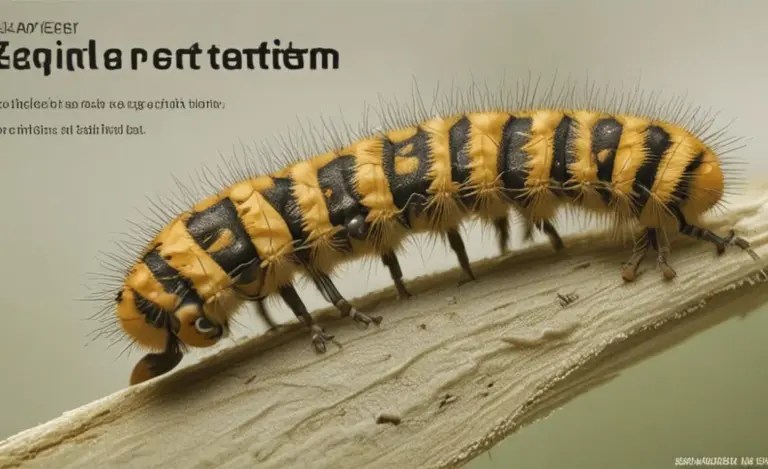
- Larva (Caterpillar): The caterpillar hatches from the egg and feeds on the host plant. It grows and molts several times.
- Pupa (Chrysalis): The caterpillar forms a chrysalis, a protective shell where it transforms into a butterfly.
- Adult: The adult butterfly emerges from the chrysalis. It flies off to reproduce and continue the cycle.
Understanding the butterfly life cycle can help you appreciate the importance of each stage and provide the necessary resources for butterflies to thrive.
Butterfly Conservation
Many butterfly species are facing decline due to habitat loss, pesticide use, and climate change. Here are some ways you can help conserve butterflies:
- Plant a butterfly garden: Provide host plants and nectar sources for butterflies in your area.
- Avoid pesticides: Use organic gardening practices to protect butterflies and other beneficial insects.
- Support butterfly conservation organizations: Donate to or volunteer with organizations that are working to protect butterflies and their habitats.
- Educate others: Share your knowledge about butterflies with friends, family, and neighbors.
Every small action can make a difference in protecting these beautiful creatures.
The Symbolism of Butterflies
Butterflies have been symbols of transformation, hope, and beauty in many cultures throughout history.
- Transformation: The butterfly’s metamorphosis from a caterpillar to a winged creature represents personal growth and change.
- Hope: Butterflies are often seen as a sign of hope and new beginnings.
- Beauty: Their vibrant colors and delicate flight symbolize beauty and grace.
- Spirituality: In some cultures, butterflies are believed to carry the souls of the departed.
Whether you appreciate them for their beauty, their ecological importance, or their symbolic meaning, butterflies are a valuable part of our world.
Frequently Asked Questions (FAQs)
What is the best time of year to see butterflies in my garden?
The best time depends on your location and the butterfly species. Generally, you’ll see the most butterflies during the warmer months, from late spring to early fall.
How can I tell the difference between a butterfly and a moth?
Butterflies usually have brightly colored wings, thin antennae with clubs at the end, and are active during the day. Moths often have duller colors, feathery antennae, and are active at night.
Do butterflies bite or sting?
No, butterflies do not bite or sting. They feed on nectar using a long, straw-like proboscis.
What is a host plant?
A host plant is a specific plant that a butterfly caterpillar feeds on. Different butterfly species have different host plant preferences.
How can I protect butterflies from predators?
Provide shelter in your garden with trees and shrubs. You can also use netting to protect caterpillars from birds and other predators.
Are butterflies important for pollination?
Yes, butterflies are important pollinators. As they feed on nectar, they transfer pollen from one flower to another, helping plants reproduce.
What should I do if I find a caterpillar in my garden?
If you find a caterpillar, try to identify its host plant and make sure it has enough food. Avoid moving it unless it’s in danger.
Conclusion
Identifying and attracting butterflies to your garden is a rewarding experience. By learning about their unique characteristics, providing host plants and nectar sources, and creating a butterfly-friendly habitat, you can enjoy the beauty and ecological benefits of these amazing creatures. Remember, even small actions can make a big difference in butterfly conservation. So, get outside, observe, and appreciate the butterflies in your garden!