
Butterflies of Central Australia: Spot Them All!

Central Australia is home to a surprising variety of butterflies! Despite the arid climate, these delicate insects thrive in specific habitats. This guide will help you identify some common species, understand their life cycles, and learn how to attract them to your garden. Discover the beauty and resilience of Central Australian butterflies!
Have you ever wondered if butterflies could truly thrive in the heart of Australia’s desert? It seems unlikely, but the red centre is home to some hardy species. It can be tricky to spot them, but with a little knowledge, you’ll soon start noticing these beautiful creatures. This guide will introduce you to the common butterflies of Central Australia, where they live, and what makes them so special. We’ll also explore how you can help them survive and flourish in your own backyard.
What Butterflies Can You Find in Central Australia?

Central Australia’s butterflies have adapted to a harsh environment. Here are some of the most commonly seen species:
- Caper White (Belenois java teutonia): A common sight, especially during migrations. The males are white with black tips on their forewings, while the females have more extensive black markings.
- Australian Painted Lady (Vanessa kershawi): Recognisable by its orange and brown patterned wings with distinctive eyespots.
- Meadow Argus (Junonia villida calybe): A small, brown butterfly with several eyespots on its wings.
- Lesser Wanderer (Danaus petilia): Similar to the Monarch, but smaller and with less distinct markings.
- Two-spotted Line-blue (Nacaduba biocellata): A small, delicate blue butterfly with two distinctive spots on its hindwings.
Identifying Butterflies: A Step-by-Step Guide
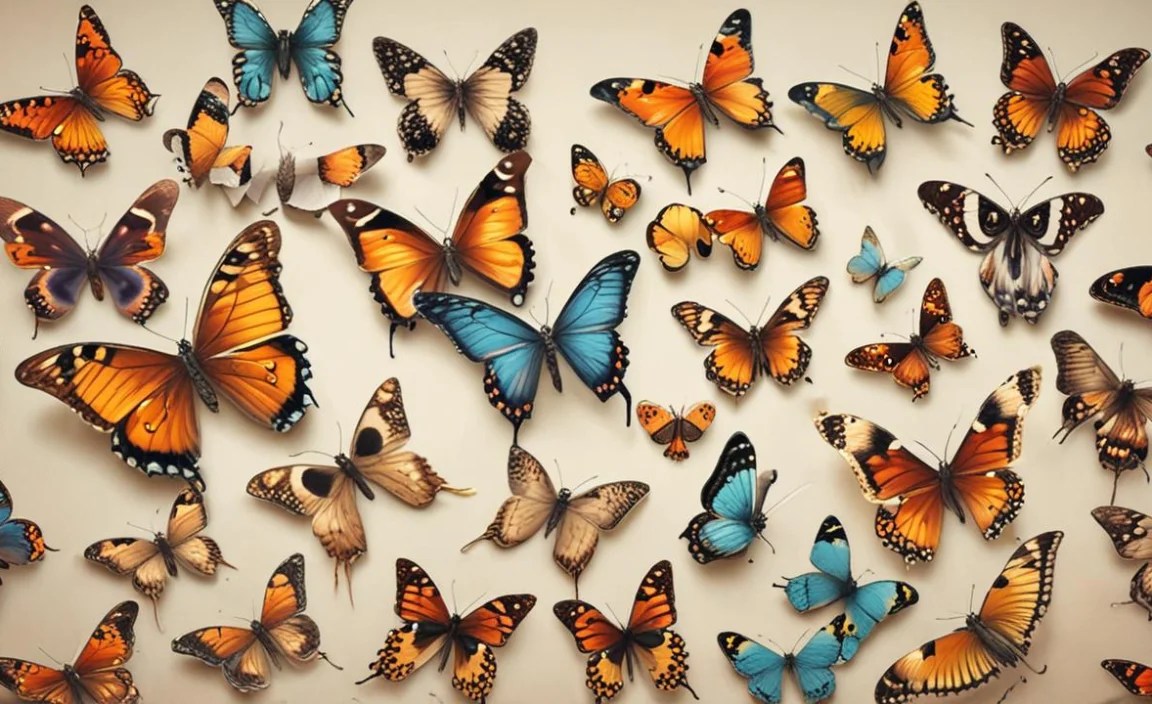
Identifying butterflies can be fun and rewarding. Here’s a step-by-step guide to help you get started:
Step 1: Observe the Size and Shape
Start by noting the overall size and shape of the butterfly. Is it large or small? Are the wings rounded or more angular? This initial observation can narrow down the possibilities.
Step 2: Note the Color and Pattern
The color and pattern of the wings are crucial for identification. Pay attention to the dominant colors, any spots, stripes, or bands, and the overall arrangement of the markings.
Step 3: Examine the Underside of the Wings
The underside of the wings often has different patterns than the upper side. If possible, observe the butterfly with its wings closed to see these markings. This can provide additional clues for identification.
Step 4: Consider the Habitat and Behavior
Where did you see the butterfly? What was it doing? Some butterflies are more common in certain habitats or have specific behaviors, such as feeding on particular flowers. For example, the Caper White is often seen migrating in large numbers.
Step 5: Use Field Guides and Online Resources
Field guides and online resources are invaluable tools for butterfly identification. Look for guides specific to Australia or Central Australia for the most accurate information. Websites like the Australian Department of the Environment and Energy can also be helpful.
Step 6: Take a Photo
If possible, take a photo of the butterfly. This will allow you to study it more closely later and compare it to images in field guides or online. A clear photo can be a great aid in identification.
Butterfly Habitats in Central Australia

Despite the arid conditions, Central Australia offers diverse habitats that support various butterfly species. These include:
- Watercourses and Gorges: Areas with permanent or semi-permanent water sources provide essential moisture and vegetation for butterflies and their caterpillars.
- Woodlands and Shrublands: These areas offer shelter and a variety of host plants for different butterfly species.
- Gardens and Parks: Even in urban areas, gardens and parks can provide valuable habitat for butterflies, especially if they include native plants.
Attracting Butterflies to Your Garden

You can create a butterfly-friendly garden in Central Australia by following these steps:
Step 1: Plant Native Host Plants
Host plants are essential for butterfly caterpillars. Research which plants are native to your area and which butterfly species they support. Some examples include:
- Caper Bushes (Capparis species): Host plant for the Caper White butterfly.
- Native Daisies: Attract the Australian Painted Lady.
- Wattles (Acacia species): Host plants for various butterfly species.
Step 2: Provide Nectar Sources
Adult butterflies need nectar for energy. Plant a variety of flowering plants that bloom at different times of the year to provide a continuous food source. Some good choices include:
- Grevilleas: Attract many butterfly species with their nectar-rich flowers.
- Eremophilas: Hardy and drought-tolerant, these plants provide nectar for butterflies and other insects.
- Native Bottlebrushes (Callistemon species): Another excellent source of nectar for butterflies.
Step 3: Offer a Water Source
Butterflies need water to stay hydrated. Provide a shallow dish of water with pebbles or sand for them to land on. This will prevent them from drowning.
Step 4: Provide Shelter
Butterflies need shelter from the sun and wind. Plant shrubs and trees to create a protected area in your garden.
Step 5: Avoid Pesticides
Pesticides can harm or kill butterflies and other beneficial insects. Avoid using them in your garden. If you must use them, choose organic options and apply them carefully.
Life Cycle of a Butterfly

Understanding the butterfly life cycle can help you appreciate these creatures even more. The life cycle consists of four stages:
- Egg: Butterflies lay their eggs on or near their host plants. The eggs can be various shapes and colors, depending on the species.
- Larva (Caterpillar): The caterpillar hatches from the egg and spends its time eating and growing. It will shed its skin several times as it grows.
- Pupa (Chrysalis): Once the caterpillar is fully grown, it forms a pupa or chrysalis. Inside the chrysalis, the caterpillar transforms into a butterfly.
- Adult Butterfly: The adult butterfly emerges from the chrysalis. It will mate, lay eggs, and continue the life cycle.
Threats to Butterflies in Central Australia
Butterflies in Central Australia face several threats, including:
- Habitat Loss: Clearing of native vegetation for agriculture and development reduces the available habitat for butterflies.
- Climate Change: Changes in temperature and rainfall patterns can affect butterfly populations and their host plants.
- Pesticide Use: Pesticides can directly kill butterflies and other insects, as well as reduce the availability of their food sources.
- Invasive Species: Invasive plants can outcompete native host plants, reducing the food available for caterpillars.
Conservation Efforts
There are several things you can do to help protect butterflies in Central Australia:
- Plant Native Plants: Planting native host plants and nectar sources in your garden provides food and habitat for butterflies.
- Avoid Pesticides: Reducing or eliminating pesticide use in your garden protects butterflies and other beneficial insects.
- Support Conservation Organizations: Donate to or volunteer with organizations that work to protect butterfly habitat. The World Wildlife Fund Australia has many ongoing conservation projects.
- Educate Others: Share your knowledge about butterflies with friends, family, and neighbors. The more people who care about butterflies, the better their chances of survival.
Butterfly Migration in Central Australia
Some butterfly species, like the Caper White, are known for their spectacular migrations. These migrations are often triggered by changes in weather patterns or the availability of food. During a migration, large numbers of butterflies can be seen flying together, creating a stunning visual display.
The Cultural Significance of Butterflies
Butterflies have long been symbols of transformation, hope, and beauty in many cultures. In some Indigenous Australian cultures, butterflies are associated with spirits and dreams. They are often depicted in art and stories, representing the connection between the physical and spiritual worlds.
Butterfly Camouflage and Mimicry
Butterflies use camouflage and mimicry to protect themselves from predators. Camouflage involves blending in with the surrounding environment, while mimicry involves resembling another species that is toxic or unpalatable. For example, some butterflies mimic the appearance of poisonous butterflies to deter predators.
Butterfly Photography Tips
Photographing butterflies can be a rewarding hobby. Here are some tips to help you capture stunning images:
- Use a Macro Lens: A macro lens will allow you to capture close-up details of the butterfly’s wings and body.
- Shoot in Natural Light: Natural light is best for butterfly photography. Avoid using flash, which can scare the butterfly and create harsh shadows.
- Be Patient: Butterflies can be skittish, so be patient and wait for the right moment to take your shot.
- Focus on the Eyes: Focusing on the butterfly’s eyes will create a more engaging image.
- Get Low: Getting down to the butterfly’s level will give you a more intimate perspective.
Common Butterfly Species of Central Australia
Here is a table summarizing some of the common butterfly species you might encounter in Central Australia:
| Species | Appearance | Habitat | Host Plant |
|---|---|---|---|
| Caper White (Belenois java teutonia) | White with black wing tips (male), more black markings (female) | Woodlands, gardens | Caper Bushes (Capparis spp.) |
| Australian Painted Lady (Vanessa kershawi) | Orange and brown patterned wings with eyespots | Open areas, gardens | Native Daisies |
| Meadow Argus (Junonia villida calybe) | Small, brown with eyespots on wings | Grasslands, woodlands | Various grasses and herbs |
| Lesser Wanderer (Danaus petilia) | Similar to Monarch, smaller with less distinct markings | Open areas, gardens | Milkweed (Asclepias spp.) |
| Two-spotted Line-blue (Nacaduba biocellata) | Small, delicate blue with two spots on hindwings | Woodlands, gardens | Wattles (Acacia spp.) |
Frequently Asked Questions (FAQ)
Q: What is the best time of year to see butterflies in Central Australia?
A: The best time to see butterflies is typically during the warmer months, from late spring to early autumn (September to April). After rainfall, you’ll often see an increase in butterfly activity.
Q: How can I attract more butterflies to my garden?
A: Plant native host plants and nectar sources, provide a water source, and avoid using pesticides. A butterfly-friendly garden will quickly attract these beautiful creatures.
Q: Are butterflies important for the environment?
A: Yes! Butterflies are important pollinators and play a crucial role in the ecosystem. They also serve as a food source for birds and other animals.
Q: What do butterfly caterpillars eat?
A: Butterfly caterpillars eat the leaves of their host plants. Each butterfly species has specific host plants that their caterpillars can feed on.
Q: How long do butterflies live?
A: The lifespan of a butterfly varies depending on the species. Some butterflies live only a few weeks, while others can live for several months.
Q: Are there any poisonous butterflies in Central Australia?
A: While there are no highly poisonous butterflies in Central Australia, some species are unpalatable to predators. These butterflies often have bright colors and patterns that warn predators to stay away.
Q: Where can I learn more about butterflies in Central Australia?
A: You can learn more about butterflies by visiting local libraries, nature centers, and online resources. Field guides specific to Australian butterflies are also a great resource.
Conclusion
The butterflies of Central Australia are a testament to the resilience and beauty of nature. Despite the harsh environment, these delicate creatures thrive in specific habitats, adding colour and life to the landscape. By learning about these butterflies and taking steps to protect them, you can help ensure that they continue to grace the skies of Central Australia for generations to come. So, get outside, explore, and discover the wonderful world of butterflies!


