
How to Identify Butterflies: The Easy Guide

Quick Summary:
Identifying butterflies involves looking at their size, color, wing patterns, and behavior. Start by noting the butterfly’s overall appearance, then check field guides or online resources to match its features. Consider its habitat and time of year to narrow down possibilities. With practice, you’ll become a butterfly ID pro!
Butterflies! Aren’t they just the most delightful creatures flitting about our gardens and meadows? But have you ever wondered what kind of butterfly you’re actually seeing? It can be tricky with so many beautiful varieties. Don’t worry; it’s a common challenge! This guide will break down the process step-by-step, making butterfly identification easy and fun. Soon, you’ll be able to name those winged wonders with confidence. Ready to become a butterfly detective? Let’s get started!
Understanding Butterfly Basics
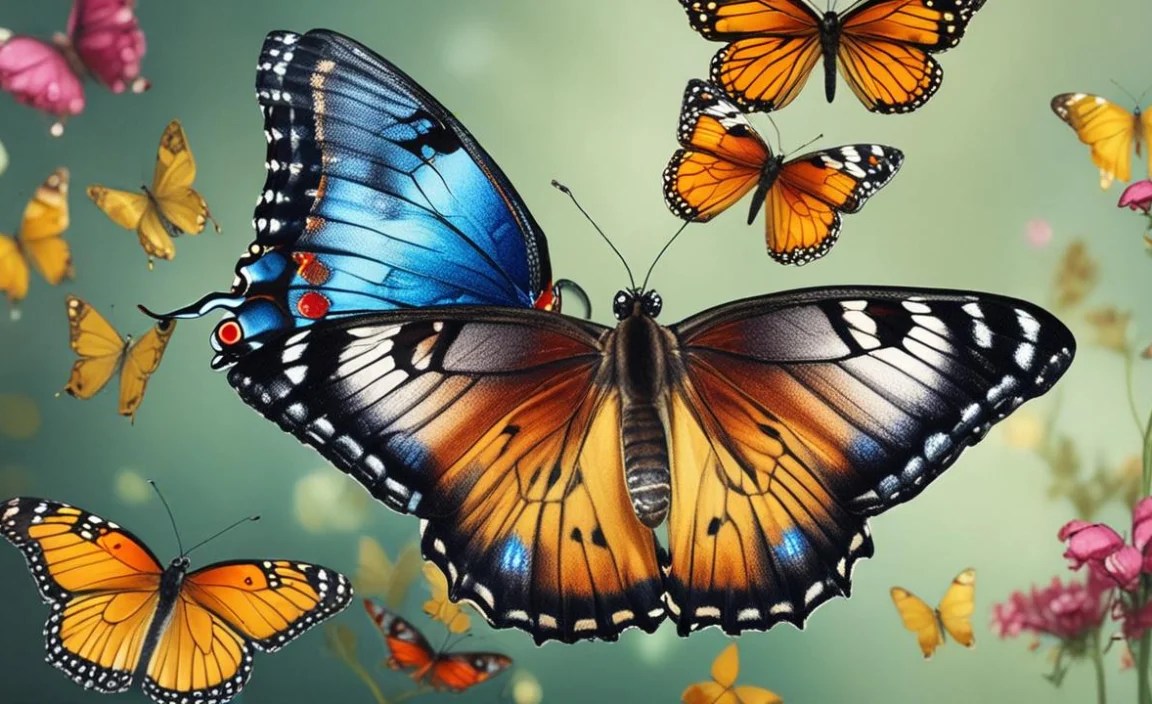

Before diving into specific identification techniques, let’s cover some fundamental butterfly knowledge. Understanding the basic anatomy and life cycle of butterflies will make the identification process much smoother.
Butterfly Anatomy 101
Familiarize yourself with the key parts of a butterfly. This will help you describe and compare different species.
- Wings: Butterflies have four wings (a forewing and hindwing on each side). The patterns and colors are vital for identification.
- Body: The body is divided into three parts: the head, thorax, and abdomen.
- Antennae: These are used for sensing the environment. Butterfly antennae usually have a clubbed tip.
- Proboscis: A long, straw-like tongue used for sipping nectar. When not in use, it’s coiled up.
- Legs: Butterflies have six legs, but some species use their front legs for tasting!
The Butterfly Life Cycle
Knowing the butterfly life cycle can help you understand where and when to find certain species.
- Egg: Butterflies lay their eggs on specific host plants.
- Larva (Caterpillar): The caterpillar eats and grows, molting several times.
- Pupa (Chrysalis): The caterpillar transforms into a pupa inside a protective chrysalis.
- Adult: The butterfly emerges from the chrysalis, ready to reproduce.
Step-by-Step Guide to Identifying Butterflies
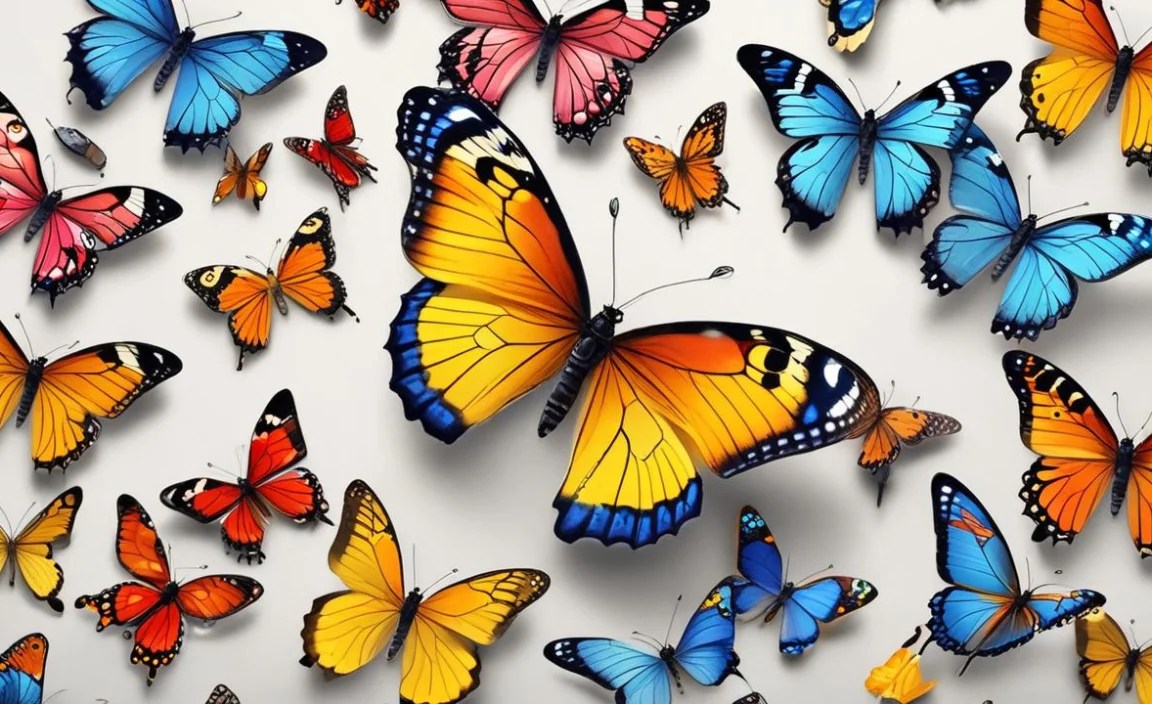
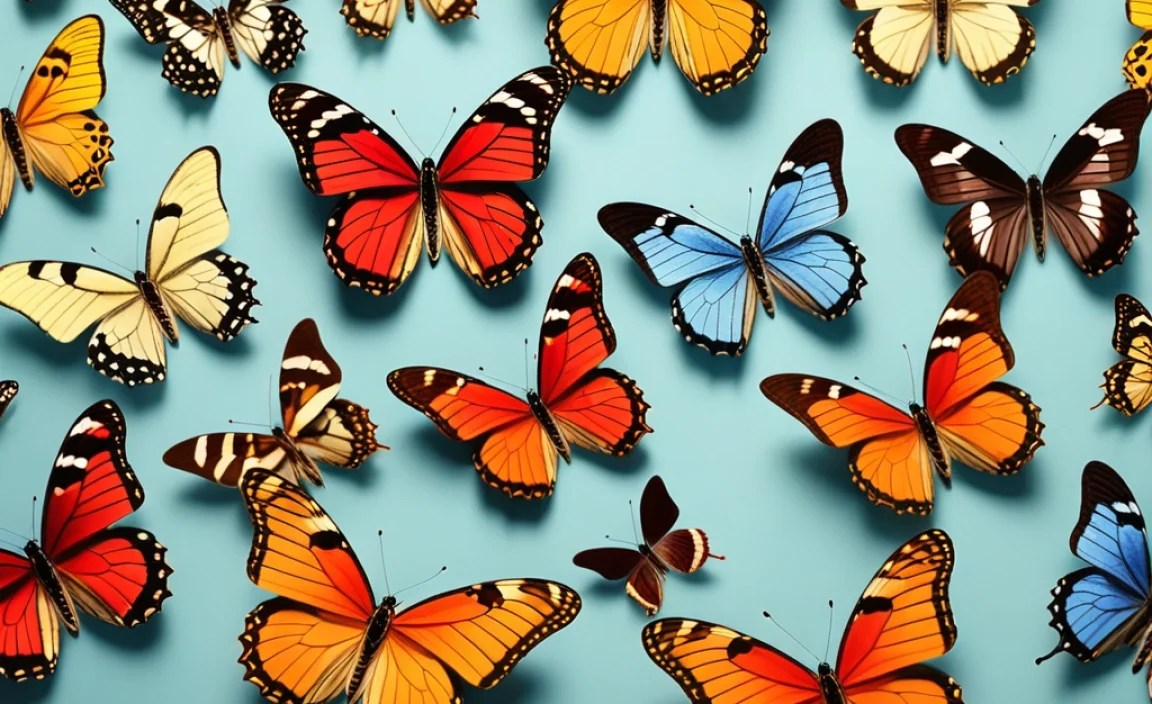
Now, let’s get to the exciting part: identifying butterflies! Follow these steps to successfully name the butterflies you encounter.
Step 1: Observe the Butterfly’s Size and Shape
Start by noting the butterfly’s overall size and shape. This is often the first clue to narrowing down the possibilities.
- Size Categories:
- Small: Less than 1.5 inches (e.g., Spring Azure)
- Medium: 1.5 to 3 inches (e.g., Monarch)
- Large: Over 3 inches (e.g., Swallowtail)
- Shape:
- Typical Butterfly Shape: Wings held upright over the body when resting.
- Skipper Shape: Stout body with hooked antennae. Wings held at an angle when resting.
Step 2: Examine Wing Patterns and Colors
The patterns and colors on a butterfly’s wings are like its unique fingerprint. Pay close attention to these details.
- Color: Note the dominant colors (e.g., orange, yellow, blue, brown, black). Are there any iridescent patches?
- Patterns: Look for distinct patterns such as spots, stripes, bands, or eyespots.
- Wing Underside: The underside of the wings often has different patterns than the upper side, which is important for identification when the butterfly is at rest.
Step 3: Consider the Butterfly’s Behavior
How a butterfly behaves can offer valuable clues. Observe its flight pattern, feeding habits, and resting posture.
- Flight Pattern:
- Fast and Erratic: Skippers often have a rapid, darting flight.
- Graceful and Soaring: Swallowtails are known for their elegant, gliding flight.
- Feeding Habits: What is the butterfly feeding on? Nectar from flowers, tree sap, or something else?
- Resting Posture: How does the butterfly hold its wings when resting? Upright, open, or flat?
Step 4: Note the Habitat and Location
Butterflies are often found in specific habitats. Knowing the type of environment can help you narrow down the possibilities.
- Habitat Types:
- Gardens: Many common butterflies are found in gardens with flowering plants.
- Meadows: Open fields with wildflowers attract a variety of species.
- Woodlands: Forest edges and clearings are home to woodland butterflies.
- Wetlands: Marshes and swamps can host unique butterfly species.
- Geographic Location: Use a field guide specific to your region. Butterflies vary significantly by location.
Step 5: Use Field Guides and Online Resources
Field guides and online resources are essential tools for butterfly identification. Here are some recommended resources:
- Field Guides:
- “Butterflies of North America” by Jim P. Brock and Kenn Kaufman
- “National Audubon Society Field Guide to North American Butterflies”
- Online Resources:
- Butterflies and Moths of North America: A comprehensive database with photos and information.
- The Xerces Society: Offers conservation information and butterfly identification resources.
- Butterfly Identification Apps: Consider using apps like iNaturalist or Picture Insect, which can help identify butterflies based on photos.
Step 6: Compare with Known Species
Once you’ve gathered information on the butterfly’s appearance, behavior, habitat, and location, compare your observations with descriptions and photos in your field guide or online resources.
- Matching Features: Look for species that match the butterfly’s size, color, wing patterns, and other characteristics.
- Range Maps: Check the range maps in your field guide to see if the species is known to occur in your area.
- Multiple Possibilities: If you have several possibilities, carefully compare the subtle differences between them to make a final determination.
Butterfly Identification Table
This table provides a quick reference guide to help you identify some common butterfly families.
| Family | Common Characteristics | Examples |
|---|---|---|
| Nymphalidae (Brush-footed Butterflies) | Often brightly colored, reduced front legs, strong flight. | Monarch, Painted Lady, Viceroy |
| Papilionidae (Swallowtails) | Large, often with tails on hindwings, vibrant colors. | Eastern Tiger Swallowtail, Black Swallowtail |
| Pieridae (Whites and Sulphurs) | White, yellow, or orange wings, often with black markings. | Cabbage White, Clouded Sulphur |
| Lycaenidae (Gossamer-winged Butterflies) | Small, often metallic colors, delicate wings. | Spring Azure, Eastern Tailed-Blue |
| Hesperiidae (Skippers) | Stout body, hooked antennae, fast and erratic flight. | Silver-spotted Skipper, Common Checkered-Skipper |
Advanced Identification Tips
As you become more experienced, you can refine your identification skills with these advanced tips.
Understanding Butterfly Markings
Learn the specific terms used to describe butterfly markings. This will help you communicate more effectively with other butterfly enthusiasts and use field guides more efficiently.
- Eyespots: Circular markings that resemble eyes, often used to deter predators.
- Bands: Broad stripes that run across the wings.
- Spots: Small, round markings.
- Striae: Fine, parallel lines.
- Marginal Border: The edge of the wing, often with a distinct color or pattern.
Using a Hand Lens or Macro Lens
A hand lens or macro lens can help you see fine details on a butterfly’s wings, such as the shape of scales or the presence of small markings that are difficult to see with the naked eye.
- Hand Lens: A small magnifying glass that you can hold in your hand.
- Macro Lens: A camera lens designed for taking close-up photos.
Photographing Butterflies for Identification
Taking good photos of butterflies can be incredibly helpful for identification, especially if you can’t identify the butterfly in the field. Here are some tips for taking great butterfly photos:
- Focus: Make sure your photos are sharp and in focus.
- Lighting: Use natural light whenever possible. Avoid harsh shadows or direct sunlight.
- Angles: Take photos from multiple angles to capture different features of the butterfly.
- Background: Choose a clean background that doesn’t distract from the butterfly.
Seasonal Variations and Polymorphism
Be aware that some butterfly species have seasonal variations in their appearance, or exhibit polymorphism (different forms within the same species). This can make identification more challenging.
- Seasonal Forms: Some butterflies have different color patterns or sizes depending on the time of year.
- Polymorphism: Some species have multiple distinct forms that can be easily mistaken for different species.
Attracting Butterflies to Your Garden
Want to see more butterflies? Create a butterfly-friendly garden! Here’s how:
Plant Host Plants
Butterflies lay their eggs on specific host plants, which the caterpillars will then feed on. Research which host plants are native to your area and plant them in your garden.
- Monarchs: Milkweed
- Swallowtails: Dill, parsley, fennel
- Painted Ladies: Thistle, mallow
Provide Nectar Sources
Plant a variety of nectar-rich flowers that bloom throughout the growing season. Choose flowers with different shapes and colors to attract a wide range of butterfly species.
- Good Nectar Sources: Butterfly bush, coneflowers, zinnias, salvia
Offer a Water Source
Butterflies need water, but they can’t drink from deep puddles. Provide a shallow dish of water with pebbles or marbles for them to land on.
Avoid Pesticides
Pesticides can harm or kill butterflies and other beneficial insects. Use organic gardening methods and avoid using pesticides in your garden.
Provide Shelter
Butterflies need shelter from wind and rain. Plant shrubs and trees to provide them with a safe place to rest.
The Symbolic Meaning of Butterflies
Butterflies have long held symbolic meaning in various cultures. Understanding these meanings can add another layer of appreciation to these fascinating creatures.
- Transformation: Butterflies symbolize transformation and rebirth, reflecting their dramatic metamorphosis from caterpillar to butterfly.
- Hope and New Beginnings: The emergence of a butterfly is often seen as a sign of hope and new beginnings.
- Soul and Spirit: In some cultures, butterflies are believed to represent the soul or spirit.
- Beauty and Grace: Butterflies are admired for their beauty and grace, and they are often associated with these qualities.
Ethical Butterfly Watching
When observing butterflies, it’s important to do so in a way that doesn’t harm them or their environment. Here are some ethical guidelines to follow:
- Observe from a Distance: Avoid getting too close to butterflies, as this can disturb them.
- Do Not Handle Butterflies: Handling butterflies can damage their delicate wings and scales.
- Stay on Marked Trails: Avoid trampling vegetation or disturbing butterfly habitats.
- Leave No Trace: Pack out everything you pack in, and avoid littering.
- Support Conservation Efforts: Donate to butterfly conservation organizations and support policies that protect butterfly habitats.
FAQ About Butterfly Identification
What is the best way to start learning butterfly identification?
Start with a local field guide and focus on identifying common butterflies in your area. Practice observing their size, color, and behavior.
Are there any good apps for butterfly identification?
Yes, apps like iNaturalist and Picture Insect can help identify butterflies based on photos.
What if I can’t identify a butterfly?
Take clear photos and post them on online forums or social media groups dedicated to butterfly identification. Experts can often help!
How can I attract more butterflies to my garden?
Plant host plants for caterpillars and nectar-rich flowers for adult butterflies. Provide water and avoid pesticides.
What are some key characteristics to look for when identifying butterflies?
Focus on size, color, wing patterns, behavior, habitat, and time of year.
Why is it important to identify butterflies correctly?
Accurate identification is crucial for understanding butterfly ecology, monitoring populations, and supporting conservation efforts.
What is the difference between a butterfly and a moth?
Butterflies are typically active during the day, have clubbed antennae, and hold their wings upright when resting. Moths are often nocturnal, have feathery or tapered antennae, and hold their wings flat.
Conclusion
Identifying butterflies is a rewarding journey that connects you more deeply with the natural world. By learning to observe their unique characteristics, understanding their life cycle, and using helpful resources, you can unlock the secrets of these beautiful creatures. So grab your field guide, head outside, and start exploring the wonderful world of butterflies. Happy butterflying!


