
Species Identification in Microbiome Study: Easy Guide

Have you ever wondered about tiny creatures living inside you? These tiny creatures are called microbes. They live in your gut and on your skin. Scientists study these microbes to learn about your health. Figuring out what kinds of microbes are present is called species identification in microbiome study. It’s like being a detective for tiny bugs!
Why is it important to know which microbes are in your body? Imagine your body is a garden. Some microbes are like helpful bees. Others are like weeds. Knowing which ones are there helps scientists keep your “garden” healthy. Species identification in microbiome study helps us understand these tiny worlds.
Key Takeaways
- Species identification in microbiome study helps us learn which microbes live inside us.
- Microbiome studies can show how microbes affect our health and well-being.
- Advanced tools like DNA sequencing are vital for precise species identification.
- Understanding our microbiome helps us create better treatments for diseases.
- Studying microbes helps us learn how they interact with our bodies.
The Importance of Species Identification in Microbiome Study

Have you ever thought about the amazing world inside your tummy? It’s full of tiny living things called microbes. These microbes help you digest food and stay healthy. Scientists want to know exactly which microbes are there. This is why species identification in microbiome study is so important. It lets them see all the different types of microbes. Then they can learn what each one does. It is like having a map of your inner world. The more scientists know, the better they can help you stay healthy. This means they can find new ways to treat sickness and keep you feeling great. They can even make special foods to help good microbes grow!
- Microbes help us digest food.
- Some microbes protect us from getting sick.
- Scientists study microbes to learn about our health.
- Species identification is like taking a census of microbes.
- Knowing the microbes helps us stay healthy.
Imagine you have a garden. You want to know what plants are growing. Some plants are flowers, and some are weeds. To take care of the garden, you need to know which is which. The same is true for your body. Scientists use species identification in microbiome study to find the “flowers” and “weeds” in your gut. This helps them figure out how to make your “garden” the best it can be. With this knowledge, they can help you grow strong and healthy. Scientists are always learning new things about the amazing world of microbes.
Fun Fact or Stat: There are more microbes in your body than there are stars in the Milky Way galaxy!
Why Identify Different Microbial Species?
Why is it important to tell one microbe from another? Well, imagine you are baking cookies. You need to know if you’re adding sugar or salt! Each microbe has a different job. Some help you break down food. Others help fight off bad germs. If you don’t know which microbes are there, you can’t understand what’s happening in your body. Species identification helps scientists figure out what each microbe is doing. It allows them to see the big picture. Then they can understand how all the microbes work together. This knowledge is very powerful. It can help them make new medicines and keep you healthy.
How Does Species Identification Actually Work?
Have you ever seen a detective use clues to solve a mystery? Scientists do the same thing to identify microbes! They use special tools to look at the microbes’ DNA. DNA is like a secret code that tells you what each microbe is. Scientists compare the DNA to a big library of microbe DNA. This helps them figure out which microbe they have found. It’s like matching a fingerprint to find a person. The process is very complicated, but it’s also very cool. It helps scientists learn amazing things about the tiny world inside you. The more we know, the better we can take care of ourselves.
The Role of Technology in Identification
Imagine you have a super-powered microscope. This microscope lets you see the tiniest things in the world. Scientists use technology like this to study microbes. Special machines can read the DNA of microbes very quickly. Computers help scientists compare the DNA to millions of other microbes. This technology makes species identification much faster and easier. It allows scientists to study more microbes than ever before. The more they study, the more they learn. They can then use this knowledge to make new treatments for diseases. Technology is an important tool in the fight for better health.
Methods Used in Species Identification in Microbiome Study
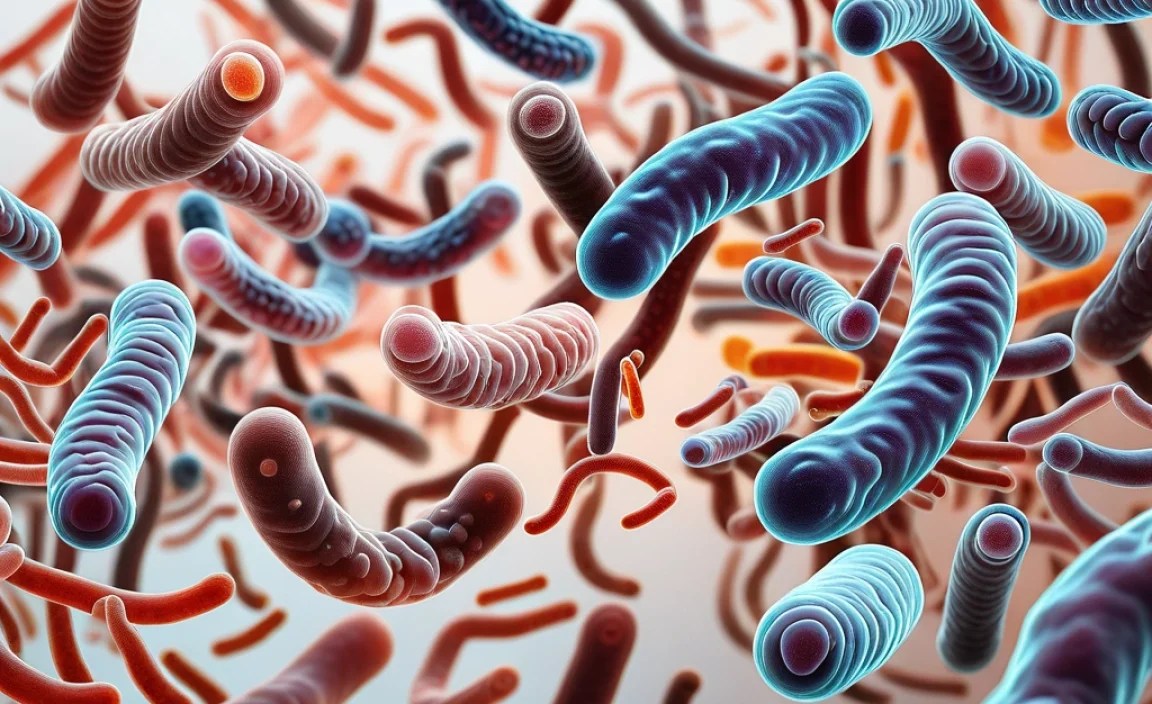
How do scientists find out which microbes are living inside you? There are many different ways! One way is to grow the microbes in a lab. It’s like planting seeds and watching them grow. Scientists give the microbes food and a warm place to live. As the microbes grow, scientists can study them. They can look at what the microbes look like under a microscope. They can also do tests to see what the microbes can do. Another way is to look at the microbe’s DNA. DNA is like a secret code that tells you what kind of microbe it is. By reading the DNA, scientists can identify the microbe. These species identification in microbiome study methods are very important for understanding our health.
- Growing microbes in a lab helps scientists study them.
- Microscopes let scientists see what microbes look like.
- DNA tells us what kind of microbe it is.
- Scientists use different tools for species identification.
- These methods help us understand our health.
- Advanced methods like metagenomics are also used.
Think of it like this: you have a box of LEGO bricks. Each brick is a different color and size. To build something, you need to know what each brick is. Scientists use different methods to “sort” the microbes. Some methods are like looking at the color of the brick. Other methods are like measuring the size of the brick. By using all these methods together, scientists can figure out what each microbe is. This helps them understand how the microbes work together to keep you healthy.
Fun Fact or Stat: Scientists can now identify microbes from just a tiny drop of blood or saliva!
Culturing Techniques
Imagine you’re a farmer growing plants. You need to give them the right food and water. Scientists do the same thing when they grow microbes. This is called culturing. They put the microbes in a special dish with food. Then they keep the dish at the right temperature. This helps the microbes grow and multiply. Scientists can then study the microbes more easily. They can see what they look like and how they behave. Culturing is an important first step in species identification. It helps scientists learn more about the tiny world around us. Why is culturing important for studying microbes?
DNA Sequencing Methods
Have you ever seen a barcode on a product in a store? DNA is like a barcode for microbes! Each microbe has its own unique DNA sequence. Scientists use special machines to read this sequence. This is called DNA sequencing. The machine tells them the order of the letters in the DNA. Scientists can then compare the sequence to a big library of DNA sequences. This helps them identify the microbe. DNA sequencing is a very powerful tool. It allows scientists to identify even the rarest microbes. How does DNA help identify different species?
Microscopy Techniques
Imagine you have a magnifying glass. It helps you see small things more clearly. Microscopes do the same thing for scientists. They allow them to see microbes that are too small to see with the naked eye. There are many different kinds of microscopes. Some microscopes use light to see the microbes. Other microscopes use electrons. Scientists can see the shape and size of the microbes with a microscope. They can also see how the microbes move and interact. Microscopy is an important tool for species identification. It helps scientists understand the tiny world around us.
Challenges in Species Identification in Microbiome Study

Even with all the cool tools, identifying microbes can be tricky! Imagine trying to find one specific grain of sand on a beach. There are so many microbes, and some look very similar. Some microbes are hard to grow in the lab. This makes it difficult to study them. Also, microbes can change their DNA. This can make it hard to identify them using DNA sequencing. Species identification in microbiome study is like solving a puzzle with many missing pieces. Scientists are always working to find new ways to overcome these challenges. They want to understand the amazing world of microbes better.
- Some microbes are very hard to grow in the lab.
- Microbes can change their DNA.
- There are many different types of microbes.
- It’s hard to tell some microbes apart.
- Scientists are working to solve these problems.
- New technologies are helping us identify more microbes.
Think of it like trying to identify different types of birds. Some birds look very similar. They might have the same color feathers and the same size. To tell them apart, you need to look at small details, like the shape of their beak or the sound of their song. The same is true for microbes. Scientists need to use many different tools and techniques to identify them correctly. It’s a challenging but important job.
Fun Fact or Stat: Some microbes are so small that you could fit a million of them on the head of a pin!
Rare Species Detection
Imagine you’re looking for a rare animal in a jungle. It’s hard to find because there aren’t many of them. It’s the same with rare microbes. They might be very important, but they’re hard to find. Scientists need special methods to detect these rare species. They might use very sensitive DNA sequencing techniques. They might also use special computer programs to analyze the data. Finding rare species is like finding a needle in a haystack. But it’s worth it because these species might hold important clues about our health.
Distinguishing Similar Species
Have you ever seen twins who look exactly alike? It can be hard to tell them apart! Some microbes are like twins. They are very similar to each other. Scientists need to use special techniques to tell them apart. They might look at tiny differences in their DNA. They might also look at how they behave. Distinguishing similar species is like solving a very tricky puzzle. But it’s important because even small differences can have big effects on our health. How do scientists deal with species that look very similar?
Contamination Issues
Imagine you’re baking a cake. You accidentally drop a piece of food into the batter. Now the cake is contaminated! The same thing can happen when scientists study microbes. The samples can get contaminated with microbes from the environment. This can make it hard to identify the microbes that are actually in the sample. Scientists need to be very careful to avoid contamination. They wear special clothes and use special equipment. They also run tests to make sure the samples are clean. Preventing contamination is very important for getting accurate results.
Applications of Species Identification in Microbiome Study
Why do scientists spend so much time studying microbes? Because it can help us in many ways! Species identification in microbiome study can help us understand diseases. It can help us develop new medicines. It can even help us make our food safer. For example, scientists can use microbes to make yogurt and cheese. They can also use microbes to clean up pollution. The more we learn about microbes, the more we can use them to improve our lives. It’s like having a team of tiny helpers working for us!
- Microbes can help us understand diseases.
- We can develop new medicines from microbes.
- Microbes can help us make food safer.
- They can also clean up pollution.
- Scientists are learning new ways to use microbes.
- Microbiome studies aid personalized medicine.
Imagine your body is like a car. It needs fuel to run. It also needs regular maintenance. Microbes are like the mechanics that keep your car running smoothly. They help you digest food and fight off infections. By understanding which microbes are in your body, scientists can help you keep your “car” in top condition. They can even give you special “fuel” (like probiotics) to help your microbes thrive. This is why species identification is so important.
Fun Fact or Stat: Your gut microbiome can weigh up to 5 pounds!
Disease Diagnosis and Treatment
Have you ever heard of a doctor using microbes to diagnose a disease? It’s becoming more common! Scientists can look at the microbes in your body to see if you’re sick. For example, some diseases change the types of microbes that live in your gut. By identifying these changes, doctors can diagnose the disease. They can also use microbes to treat diseases. For example, they can give you probiotics to help restore the balance of microbes in your gut. This is like giving your body a team of tiny doctors to help you get better.
Personalized Medicine
Imagine getting medicine that’s made just for you! That’s the idea behind personalized medicine. Scientists are learning that everyone’s microbiome is different. What works for one person might not work for another. By studying your microbiome, doctors can create treatments that are tailored to your specific needs. This is like getting a custom-made suit instead of buying one off the rack. Personalized medicine is a very exciting field. It could help us treat diseases more effectively. How can we use species identification to personalize medicine?
Environmental Monitoring
Did you know that microbes can help us protect the environment? Scientists can use microbes to monitor pollution. For example, some microbes can break down pollutants. By studying these microbes, scientists can learn how to clean up contaminated sites. They can also use microbes to monitor the health of ecosystems. This is like having a team of tiny environmental detectives. These environmental monitoring methods help us keep our planet healthy.
Tools and Technologies for Species Identification
Scientists use many cool tools to study microbes! Imagine having a toolbox filled with amazing gadgets. These tools help them see the microbes, read their DNA, and figure out what they do. Some tools are like super-powered microscopes. Others are like DNA-reading machines. Scientists are always developing new and better tools for species identification in microbiome study. These new tools help them learn even more about the amazing world of microbes. It’s like having a key to unlock the secrets of the tiny universe inside us!
- Microscopes help us see microbes.
- DNA sequencing machines read their DNA.
- Computers help us analyze the data.
- New tools are always being developed.
- These tools help us learn about microbes.
- Bioinformatics software helps with analysis.
Think of it like this: you’re building a LEGO castle. You need different tools to put the bricks together. You might need a hammer to knock the bricks into place. You might need a screwdriver to tighten the screws. Scientists use different tools to study microbes. They might need a microscope to see the microbes. They might need a DNA sequencer to read their DNA. By using all these tools together, scientists can build a complete picture of the microbial world.
Fun Fact or Stat: The first microscope was invented in the late 1500s!
Advanced Sequencing Technologies
Have you ever heard of a machine that can read DNA super fast? These machines are called advanced sequencers. They can read the DNA of millions of microbes in a single experiment. This allows scientists to study the microbiome in great detail. They can identify even the rarest microbes. Advanced sequencing technologies are like having a super-powered reading machine. It helps scientists learn more about the tiny world inside us. How do these machines help identify species?
Bioinformatics Tools
Imagine you have a giant puzzle with millions of pieces. It would be impossible to solve it by hand! That’s where computers come in. Scientists use special computer programs called bioinformatics tools to analyze microbiome data. These programs can sort through millions of DNA sequences. They can identify the different types of microbes in the sample. Bioinformatics tools are like having a super-smart puzzle solver. They help scientists make sense of the complex world of the microbiome.
Mass Spectrometry
Did you know that scientists can weigh microbes? They use a special machine called a mass spectrometer. This machine can measure the mass of different molecules in a sample. This helps scientists identify the different types of microbes. Mass spectrometry is like having a super-sensitive scale. It helps scientists learn more about the composition of the microbiome. How does mass spectrometry contribute to this study?
Future Directions in Species Identification in Microbiome Study
The future of microbiome research is very exciting! Scientists are developing new ways to study microbes. They are learning more about how microbes affect our health. They are also finding new ways to use microbes to improve our lives. Species identification in microbiome study will play a key role in all of these advances. Imagine a world where we can use microbes to cure diseases, clean up pollution, and even make food! The possibilities are endless.
| Advancement | Description | Potential Impact |
|---|---|---|
| Improved Sequencing | Faster, more accurate DNA reading. | Deeper understanding of microbiome. |
| AI Analysis | Using computers to analyze data. | Faster and more efficient research. |
| Personalized Treatments | Custom treatments based on microbiome. | More effective healthcare. |
| New Drug Development | Discovering new medicines from microbes. | Treating diseases in new ways. |
Think of it like exploring a new planet. We’ve only just begun to scratch the surface. There’s so much more to discover. As we develop new tools and technologies, we’ll be able to learn even more about the amazing world of microbes. This knowledge will help us create a healthier and more sustainable future.
Fun Fact or Stat: Scientists estimate that there are trillions of different species of microbes on Earth!
Integrating Multi-Omics Data
Have you ever heard of “omics”? It’s a fancy word for studying different aspects of biology. Scientists are now combining different types of “omics” data to study the microbiome. This includes genomics (studying DNA), proteomics (studying proteins), and metabolomics (studying metabolites). By integrating all this data, scientists can get a more complete picture of the microbiome. This is like putting together a puzzle with many different types of pieces. The more pieces you have, the clearer the picture becomes.
Developing Better Databases
Imagine having a library with information about every microbe in the world! That’s what scientists are trying to create. They are building better databases of microbial DNA sequences. These databases will help scientists identify microbes more quickly and accurately. The better the databases, the easier it will be to understand the microbiome. It’s like having a super-organized filing system for all the microbes. Why are databases important for species identification?
Improving Sample Collection
Have you ever tried to collect a sample of something delicate? It can be tricky to do it right! The same is true for collecting microbiome samples. Scientists need to be very careful to avoid contamination and to collect representative samples. They are developing new methods for collecting samples from different parts of the body and the environment. The better the samples, the more accurate the results. How can we improve the way we collect samples?
Summary
Species identification in microbiome study is a very important part of understanding the tiny world inside us. Scientists use different tools and techniques to figure out which microbes are present. They grow microbes in the lab. They use DNA sequencing. They use microscopes. By identifying the microbes, scientists can learn how they affect our health.
This knowledge can help us develop new medicines, diagnose diseases, and even clean up pollution. While there are still challenges in identifying microbes, scientists are always working to improve their methods. The future of microbiome research is very exciting! New technologies and approaches will help us learn even more about the amazing world of microbes and the role of species identification.
Conclusion
Studying microbes is like exploring a new world. Species identification in microbiome study is the key to unlocking its secrets. Scientists are constantly learning new things about these tiny creatures. They are discovering how microbes affect our health and the environment. The more we learn, the better we can use microbes to improve our lives. By identifying the microbes, we can create a healthier and more sustainable future for everyone.
Frequently Asked Questions
Question No 1: What is a microbiome?
Answer: A microbiome is all the tiny living things (microbes) that live in a certain place. This could be your gut, your skin, or even a lake! These microbes include bacteria, fungi, viruses, and other tiny creatures. They all live together and interact with each other and with their environment. Your body has its own unique microbiome, which plays a big role in your health. Scientists study these microbiomes to learn how they work and how they affect us. Species identification in microbiome study is key to understanding what each microbe does!
Question No 2: Why is it important to study the microbiome?
Answer: Studying the microbiome is very important because it can help us understand our health. The microbes in your gut help you digest food and fight off bad germs. If your microbiome is not healthy, you can get sick. By studying the microbiome, scientists can learn how to keep it healthy. They can also develop new ways to treat diseases. The microbiome is like a hidden world inside us, and learning about it can help us live longer and healthier lives. Understanding which microbes are present through species identification helps scientists create effective treatments.
Question No 3: How do scientists identify microbes?
Answer: Scientists use different tools to identify microbes. One way is to grow the microbes in a lab and then look at them under a microscope. Another way is to read their DNA. DNA is like a secret code that tells you what kind of microbe it is. Scientists compare the DNA to a big library of DNA sequences to identify the microbe. It’s like matching a fingerprint to find a person! Advanced techniques like DNA sequencing are crucial for species identification in microbiome study.
Question No 4: What are some of the challenges in studying the microbiome?
Answer: There are many challenges in studying the microbiome. One challenge is that some microbes are very hard to grow in the lab. Another challenge is that there are so many different types of microbes. It can be hard to tell them apart. Also, microbes can change their DNA, which can make it hard to identify them. Scientists are working to overcome these challenges by developing new tools and techniques. Despite these challenges, scientists continue to make progress in understanding the microbiome. Accurate species identification in microbiome study requires overcoming these hurdles.
Question No 5: What are some of the applications of microbiome research?
Answer: Microbiome research has many applications. It can help us diagnose and treat diseases. It can help us develop new medicines. It can even help us make our food safer. For example, scientists can use microbes to make yogurt and cheese. They can also use microbes to clean up pollution. The more we learn about microbes, the more we can use them to improve our lives. Understanding the composition of the microbiome through species identification opens up new possibilities for treatments.
Question No 6: What is personalized medicine and how does the microbiome relate to it?
Answer: Personalized medicine is about creating treatments that are tailored to your specific needs. Everyone’s microbiome is different, so what works for one person might not work for another. By studying your microbiome, doctors can create treatments that are just right for you. This could include giving you special probiotics or changing your diet. Personalized medicine is a very exciting field, and the microbiome is playing a big role in it. Species identification in microbiome study is crucial for developing these personalized approaches to healthcare.


