
Climate Warming & Glasswing: How They Thrive!

Quick Summary: Climate warming poses a significant threat to delicate creatures like the Glasswing butterfly (Greta oto). Rising temperatures and altered weather patterns disrupt their habitats, breeding cycles, and food sources. Conservation efforts, including habitat preservation and reducing carbon footprints, are crucial to protecting these transparent-winged wonders and ensuring their survival in a changing world.
Have you ever wondered how climate change affects the beautiful Glasswing butterfly? It’s a question many nature lovers are asking! These incredible butterflies, known for their transparent wings, are facing new challenges as our planet warms. The changing climate can disrupt their delicate ecosystems, making it harder for them to survive and thrive. But don’t worry, there are ways we can help! This guide will walk you through understanding the impact of climate change on Glasswings and what we can do to protect them. Let’s explore the fascinating world of these butterflies and learn how to make a difference together.
Understanding the Glasswing Butterfly

Before we dive into the impact of climate warming, let’s appreciate the unique characteristics of the Glasswing butterfly. Its transparent wings make it a marvel of nature and a vital part of its ecosystem.
What Makes Glasswing Butterflies Special?
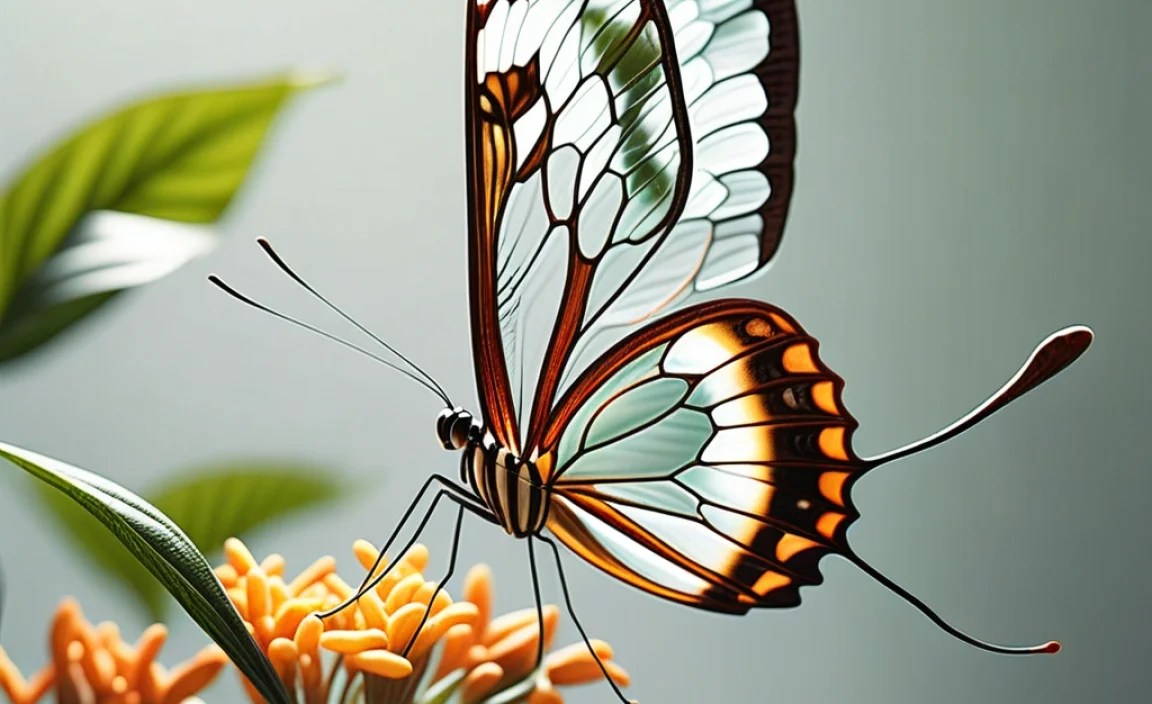
The Glasswing butterfly (Greta oto) is renowned for its distinctive transparent wings, which are framed by a delicate, opaque border. This transparency is a result of the unique structure of their wings, which lack the colorful scales found in most other butterflies. Instead, the surface is covered with tiny, nanostructured pillars that minimize light reflection, making the wings appear see-through.
Here are some key features of the Glasswing butterfly:
- Transparent Wings: Their most defining characteristic, providing camouflage and aiding in predator evasion.
- Size: Wingspan typically ranges from 5.5 to 6 cm (2.2 to 2.4 inches).
- Habitat: Prefers humid, tropical rainforests, from Mexico to Panama and Colombia.
- Diet: Adults feed on nectar from various flowers; larvae feed on plants in the genus Cestrum.
- Defense Mechanism: Accumulates toxins from its larval host plants, making it unpalatable to predators.
Habitat and Distribution
Glasswing butterflies are primarily found in the humid, tropical rainforests of Central and South America. They thrive in the understory of these forests, where the dense vegetation provides shelter and food sources. Their distribution ranges from Mexico to Panama and Colombia, where the climate is consistently warm and wet, ideal for their survival. These butterflies are highly sensitive to changes in their environment, making them a good indicator species for ecosystem health. Protecting their habitat is crucial for maintaining their populations.
The Impact of Climate Warming
Climate warming poses several threats to Glasswing butterflies. Changes in temperature, rainfall patterns, and extreme weather events can disrupt their life cycle, habitat, and food sources.
Temperature Changes
Rising temperatures can directly affect the Glasswing butterfly’s physiology and behavior. Butterflies are ectothermic, meaning their body temperature depends on the external environment. Warmer temperatures can accelerate their metabolism, leading to faster development and shorter lifespans. This can disrupt their breeding cycles and reduce their overall population size.
Here’s how temperature changes impact Glasswing butterflies:
- Accelerated Development: Higher temperatures speed up larval development, potentially leading to premature emergence.
- Reduced Lifespan: Increased metabolic rates can shorten adult lifespan, reducing reproductive opportunities.
- Habitat Shift: As temperatures rise, suitable habitats may shift to higher altitudes or latitudes, forcing populations to relocate or face extinction.
Altered Rainfall Patterns
Changes in rainfall patterns, such as increased droughts or floods, can significantly impact Glasswing butterflies. Droughts can reduce the availability of nectar sources for adults and dry out the host plants that larvae depend on. Floods can destroy habitats and wash away butterfly eggs and larvae. These extreme weather events can lead to population declines and local extinctions.
The effects of altered rainfall include:
- Nectar Scarcity: Droughts reduce flower blooms, limiting nectar availability for adult butterflies.
- Host Plant Loss: Lack of rainfall can kill host plants, depriving larvae of their food source.
- Habitat Destruction: Floods can destroy breeding sites and wash away butterfly populations.
Extreme Weather Events
Climate warming is associated with an increase in the frequency and intensity of extreme weather events, such as hurricanes and severe storms. These events can cause widespread habitat destruction, directly impacting Glasswing butterfly populations. Strong winds and heavy rains can damage vegetation, destroy breeding sites, and kill butterflies at all life stages.
The consequences of extreme weather are:
- Habitat Loss: Storms can flatten forests and destroy critical butterfly habitats.
- Direct Mortality: High winds and heavy rains can kill butterflies and their larvae.
- Disrupted Breeding: Extreme weather can interrupt breeding cycles and reduce reproductive success.
Impact on Glasswing Butterfly Life Cycle

The Glasswing butterfly’s life cycle is highly susceptible to changes in environmental conditions. From egg to adult, each stage faces unique challenges due to climate warming.
Egg Stage
Glasswing butterfly eggs are typically laid on the underside of host plant leaves. Changes in temperature and humidity can affect the survival rate of these eggs. High temperatures can cause eggs to dry out, while excessive humidity can promote fungal growth, both leading to egg mortality. Altered rainfall patterns can also wash away eggs, especially during heavy storms.
Larval Stage
The larval stage is crucial for the Glasswing butterfly’s development. Caterpillars feed exclusively on plants in the genus Cestrum. Climate-related changes, such as droughts, can reduce the availability and quality of these host plants. This can lead to malnutrition, slower growth rates, and increased vulnerability to predators. Additionally, changes in temperature can affect the caterpillars’ metabolic rates and overall health.
Pupal Stage
During the pupal stage, the caterpillar transforms into a butterfly inside a chrysalis. Temperature and humidity play a critical role in the success of this transformation. Extreme temperatures can disrupt the pupal development, leading to deformities or death. Changes in humidity can also affect the pupa’s ability to properly develop. The duration of the pupal stage can also be influenced by temperature, with warmer conditions potentially shortening the pupal period.
Adult Stage
Adult Glasswing butterflies rely on nectar from flowers for energy. Climate warming can disrupt the availability of these nectar sources. Changes in temperature and rainfall patterns can affect flowering times and reduce the abundance of nectar-rich flowers. This can lead to reduced energy intake, decreased reproductive success, and shorter lifespans for adult butterflies. Furthermore, extreme weather events can directly kill adult butterflies and damage their habitats.
Threats to Food Sources

The availability and quality of food sources are vital for the survival of Glasswing butterflies. Climate warming can disrupt these food sources, posing a significant threat to their populations.
Nectar Availability
Adult Glasswing butterflies feed on nectar from various flowering plants. Changes in temperature and rainfall patterns can affect the timing and abundance of flower blooms. Warmer temperatures can cause flowers to bloom earlier in the season, potentially leading to a mismatch between butterfly emergence and nectar availability. Droughts can reduce flower production, limiting the amount of nectar available for butterflies.
Host Plant Health
Larval Glasswing butterflies feed exclusively on plants in the genus Cestrum. The health and availability of these host plants are crucial for the caterpillars’ survival. Climate-related changes, such as droughts and extreme temperatures, can stress host plants, making them less nutritious and more vulnerable to pests and diseases. This can reduce the caterpillars’ growth rates and survival rates.
The following table illustrates the impact of climate change on Glasswing butterfly food sources:
| Climate Factor | Impact on Nectar | Impact on Host Plants |
|---|---|---|
| Rising Temperatures | Altered blooming times, mismatch with butterfly emergence | Increased stress, reduced nutritional value |
| Altered Rainfall | Reduced flower production, nectar scarcity | Drought stress, increased vulnerability to pests |
| Extreme Weather | Damage to flowers, reduced nectar availability | Physical damage, plant mortality |
Conservation Strategies
Protecting Glasswing butterflies in the face of climate warming requires a multifaceted approach. Conservation efforts should focus on habitat preservation, reducing carbon footprints, and supporting sustainable practices.
Habitat Preservation
Protecting and restoring Glasswing butterfly habitats is essential for their survival. This includes preserving tropical rainforests, creating butterfly gardens, and promoting sustainable land management practices. Conservation organizations and local communities can work together to establish protected areas and implement habitat restoration projects.
Strategies for habitat preservation include:
- Establishing Protected Areas: Creating reserves and national parks to safeguard critical butterfly habitats.
- Reforestation: Planting native trees and vegetation to restore degraded forests.
- Sustainable Land Management: Promoting farming and forestry practices that minimize environmental impact.
Reducing Carbon Footprint
Reducing carbon emissions is crucial for mitigating climate warming and protecting Glasswing butterflies. Individuals, communities, and governments can take steps to reduce their carbon footprint by adopting sustainable practices.
Ways to reduce carbon footprint:
- Energy Conservation: Using energy-efficient appliances, reducing energy consumption, and switching to renewable energy sources.
- Sustainable Transportation: Walking, biking, using public transportation, and driving fuel-efficient vehicles.
- Reducing Waste: Recycling, composting, and reducing consumption of single-use plastics.
Supporting Sustainable Practices
Supporting sustainable practices in agriculture, forestry, and tourism can help protect Glasswing butterflies and their habitats. This includes promoting organic farming, sustainable forestry management, and ecotourism.
Examples of sustainable practices:
- Organic Farming: Avoiding the use of pesticides and herbicides that can harm butterflies and their host plants.
- Sustainable Forestry: Managing forests in a way that maintains biodiversity and protects ecosystems.
- Ecotourism: Promoting tourism that supports conservation efforts and benefits local communities.
How to Help Glasswing Butterflies

There are many ways individuals can contribute to the conservation of Glasswing butterflies. From creating butterfly-friendly gardens to supporting conservation organizations, every effort makes a difference.
Create a Butterfly-Friendly Garden
Creating a butterfly-friendly garden can provide habitat and food sources for Glasswing butterflies and other pollinators. Plant native flowers that provide nectar for adult butterflies and host plants for larvae. Avoid using pesticides and herbicides, which can harm butterflies and other beneficial insects.
Tips for creating a butterfly garden:
- Plant Native Flowers: Choose flowers that are native to your region and provide nectar for butterflies.
- Include Host Plants: Plant host plants that caterpillars can feed on.
- Provide Water: Offer a shallow dish of water with pebbles for butterflies to drink from.
- Avoid Pesticides: Use natural pest control methods to protect butterflies and other beneficial insects.
Support Conservation Organizations
Supporting conservation organizations that work to protect Glasswing butterflies and their habitats is a great way to make a difference. These organizations conduct research, implement conservation projects, and advocate for policies that protect biodiversity.
Some reputable conservation organizations include:
Educate Others
Raising awareness about the importance of Glasswing butterflies and the threats they face is crucial for their conservation. Share information with friends, family, and community members about the role these butterflies play in the ecosystem and the steps they can take to help protect them. Use social media, presentations, and community events to spread the word and inspire others to take action.
FAQ About Climate Warming and Glasswing Butterflies
Here are some frequently asked questions about the impact of climate warming on Glasswing butterflies:
What is a Glasswing butterfly?
A Glasswing butterfly (Greta oto) is a unique species known for its transparent wings, which help it camouflage and evade predators. They are found in the tropical rainforests of Central and South America.
How does climate warming affect Glasswing butterflies?
Climate warming disrupts Glasswing butterflies by altering their habitats, reducing food sources, and disrupting their life cycle. Changes in temperature, rainfall, and extreme weather events all pose threats to their survival.
What are the main threats to Glasswing butterfly food sources?
The main threats include changes in temperature and rainfall, which can reduce the availability of nectar for adult butterflies and the health of host plants for larvae. Droughts and extreme weather events can also damage or destroy food sources.
What can be done to protect Glasswing butterflies?
Protecting Glasswing butterflies involves habitat preservation, reducing carbon footprints, and supporting sustainable practices. Creating butterfly-friendly gardens and supporting conservation organizations also help.
How can I create a butterfly-friendly garden?
To create a butterfly-friendly garden, plant native flowers that provide nectar for butterflies and host plants for caterpillars. Avoid using pesticides and herbicides, and provide a shallow dish of water.
Why is it important to reduce carbon footprints?
Reducing carbon footprints helps mitigate climate warming, which poses a significant threat to Glasswing butterflies and their habitats. Sustainable practices like energy conservation and reducing waste can make a big difference.
How do extreme weather events impact Glasswing butterflies?
Extreme weather events, such as hurricanes and severe storms, can cause widespread habitat destruction, directly impacting Glasswing butterfly populations. Strong winds and heavy rains can damage vegetation, destroy breeding sites, and kill butterflies at all life stages.
Conclusion
The future of Glasswing butterflies depends on our collective efforts to address climate warming and protect their habitats. By understanding the threats they face and taking action to reduce our environmental impact, we can help ensure these beautiful creatures continue to thrive in the world’s rainforests. Whether it’s planting a butterfly garden, supporting conservation organizations, or educating others about the importance of biodiversity, every action counts. Let’s work together to create a sustainable future where Glasswing butterflies and other species can flourish for generations to come. Remember, the delicate balance of nature relies on the health and well-being of every creature, and by protecting the Glasswing butterfly, we are safeguarding the entire ecosystem.


