Black Swallowtail Butterfly Species: FREE Guide!

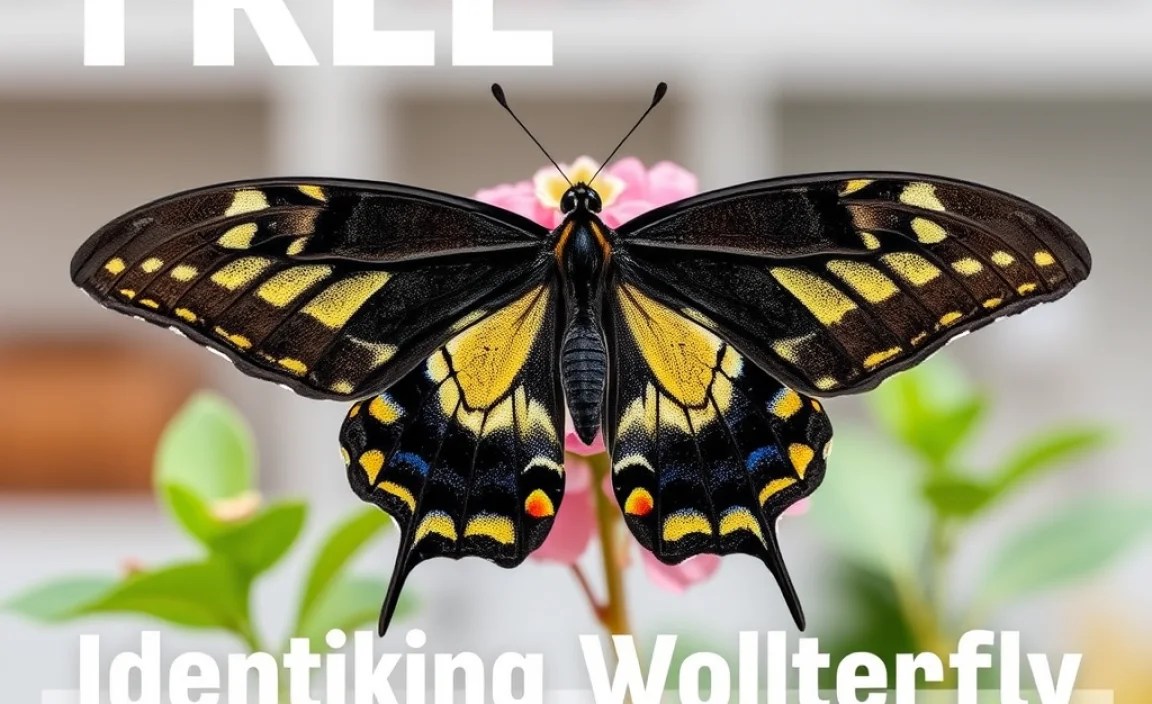
The Black Swallowtail Butterfly is a stunning species! You can recognize them by their black wings with vibrant yellow spots and iridescent blue markings.
They are common across North America and are often seen fluttering in gardens and fields. Attracting them to your garden is easy with the right host and nectar plants.
Have you ever been captivated by a butterfly, its wings a masterpiece of color and design? The Black Swallowtail is one such butterfly. But identifying it can be tricky, and knowing how to attract it to your garden can be even more challenging. Many people struggle with telling different swallowtail species apart or understanding what plants these beauties need to thrive.
Don’t worry; I’m here to guide you! As a lifelong butterfly enthusiast, I’ll share simple steps to identify the Black Swallowtail, understand its life cycle, and create a garden that welcomes these magnificent creatures. Get ready to discover the secrets of the Black Swallowtail and bring their beauty to your backyard!
Understanding the Black Swallowtail Butterfly

The Black Swallowtail butterfly, scientifically known as Papilio polyxenes, is a captivating insect found throughout North America. Its striking appearance and fascinating life cycle make it a favorite among butterfly enthusiasts and gardeners alike. Let’s explore the key characteristics and natural habitat of this beautiful species.
Key Characteristics of the Black Swallowtail
Identifying the Black Swallowtail involves recognizing its unique physical traits. Here are the key characteristics to look for:
- Wings: Predominantly black with a row of yellow spots along the outer edges.
- Hindwings: Feature iridescent blue scales and a distinctive “tail,” giving the butterfly its swallowtail name.
- Size: Wingspan ranges from 2.5 to 4 inches (6.3 to 10 cm).
- Sexual Dimorphism: Females have more prominent blue markings on their hindwings compared to males. They also have a row of yellow spots, often lighter than the males.
- Caterpillars: Young caterpillars resemble bird droppings, a clever camouflage. As they mature, they become green with black bands and yellow spots.
Natural Habitat and Distribution
The Black Swallowtail is commonly found in a variety of habitats across North America. Here’s where you’re most likely to spot them:
- Geographic Range: From southern Canada through the United States to northern Mexico.
- Habitats: Open areas such as fields, meadows, gardens, roadsides, and woodland edges.
- Host Plants: Often found near host plants like dill, parsley, fennel, and rue, which are essential for their caterpillars.
Life Cycle of the Black Swallowtail
The Black Swallowtail undergoes a complete metamorphosis, with four distinct stages:
- Egg: Small, round, and typically laid on host plants.
- Larva (Caterpillar): Develops through several instars (growth stages), molting its skin as it grows. The caterpillar feeds voraciously on host plants.
- Pupa (Chrysalis): Transforms inside a green or brown chrysalis, often attached to a stem or leaf.
- Adult Butterfly: Emerges from the chrysalis, ready to reproduce and continue the cycle.
Attracting Black Swallowtails to Your Garden

One of the most rewarding experiences for a butterfly enthusiast is creating a garden that attracts these beautiful creatures. Here’s how to make your garden a haven for Black Swallowtails.
Choosing the Right Host Plants
Host plants are crucial for the Black Swallowtail because they serve as food for the caterpillars. Here are some excellent options:
- Dill (Anethum graveolens): An easy-to-grow herb that Black Swallowtail caterpillars love.
- Parsley (Petroselinum crispum): Another popular choice, readily available and easy to cultivate.
- Fennel (Foeniculum vulgare): Provides both food for caterpillars and nectar for adult butterflies.
- Rue (Ruta graveolens): A lesser-known but effective host plant.
- Queen Anne’s Lace (Daucus carota): A wild carrot that also attracts Black Swallowtails.
Selecting Nectar Plants for Adult Butterflies
Adult butterflies need nectar for energy. Plant a variety of flowers that provide a continuous bloom throughout the growing season. Some top choices include:
- Zinnia (Zinnia elegans): Bright, colorful, and nectar-rich.
- Butterfly Bush (Buddleja davidii): A butterfly magnet with long, fragrant flower spikes.
- Milkweed (Asclepias spp.): Essential for Monarch butterflies but also attracts Black Swallowtails.
- Phlox (Phlox paniculata): Offers a long bloom period and attractive colors.
- Lantana (Lantana camara): Produces clusters of small, vibrant flowers.
Creating a Butterfly-Friendly Habitat
Beyond host and nectar plants, consider these elements to create an ideal butterfly habitat:
- Sunlight: Butterflies need sunlight to warm their bodies. Ensure your garden has plenty of sunny spots.
- Shelter: Provide protection from wind and predators with shrubs and trees.
- Water Source: A shallow dish of water with pebbles allows butterflies to drink safely.
- Avoid Pesticides: Pesticides can harm or kill butterflies and caterpillars. Opt for organic gardening practices.
Step-by-Step Guide to Raising Black Swallowtail Caterpillars

Raising Black Swallowtail caterpillars can be a fascinating and educational experience, allowing you to observe their transformation up close. Here’s a step-by-step guide to help you succeed.
Finding and Collecting Eggs or Caterpillars
- Inspect Host Plants: Regularly check your host plants for eggs or young caterpillars. Look on the undersides of leaves.
- Collect Carefully: Gently remove eggs or caterpillars from the plant. Use a soft brush or your fingers.
- Provide Fresh Host Plant: Place the eggs or caterpillars in a container with fresh host plant cuttings.
Setting Up a Caterpillar Habitat
- Container: Use a ventilated container, such as a mesh cage or a plastic container with air holes.
- Lining: Line the bottom of the container with paper towels for easy cleaning.
- Host Plant Supply: Keep a constant supply of fresh host plant cuttings. Replace them daily to prevent mold and ensure the caterpillars have enough to eat.
Caring for the Caterpillars
- Cleanliness: Regularly clean the container to remove frass (caterpillar droppings) and prevent disease.
- Humidity: Maintain moderate humidity by misting the host plants lightly with water.
- Observation: Observe the caterpillars as they grow and molt. Each instar (growth stage) will bring changes in appearance.
Preparing for Pupation
- Finding a Spot: When the caterpillar is ready to pupate, it will often wander around the container in search of a suitable spot.
- Creating a Chrysalis: The caterpillar will attach itself to a stem or the side of the container and form a chrysalis.
- Do Not Disturb: Avoid disturbing the chrysalis during this critical stage.
Emergence and Release
- Monitor the Chrysalis: Watch for changes in the chrysalis color and transparency, which indicate the butterfly is about to emerge.
- Provide Support: After the butterfly emerges, it will need to hang upside down to expand and dry its wings. Make sure there’s enough space in the container for this process.
- Release: Once the butterfly’s wings are fully expanded and dry, release it into your garden, preferably on a sunny day with nectar flowers available.
Identifying Common Issues and Solutions
Raising Black Swallowtail butterflies can sometimes present challenges. Here are some common issues and how to address them.
Pests and Predators
Caterpillars are vulnerable to various pests and predators. Here’s how to protect them:
- Parasitic Wasps: These tiny wasps lay their eggs inside caterpillars. Cover your caterpillar habitat with fine mesh to prevent access.
- Birds: Birds may prey on caterpillars. Keep your habitat in a protected location or use a cage.
- Spiders: Spiders can also catch caterpillars. Regularly check and remove any spiders from the vicinity of your habitat.
Diseases
Caterpillars can be susceptible to diseases, especially in humid conditions. Here’s how to prevent and manage them:
- Bacterial Infections: Symptoms include lethargy and discoloration. Remove affected caterpillars immediately and disinfect the habitat.
- Fungal Infections: These can cause mold growth. Ensure good ventilation and avoid over-misting.
Host Plant Problems
Sometimes, host plants can suffer from issues that affect the caterpillars:
- Lack of Fresh Host Plant: Always provide a fresh supply of host plant cuttings. If you run out, consider growing extra plants in pots.
- Pesticide Contamination: Ensure your host plants are free from pesticides. Wash them thoroughly if you’re unsure of their source.
Black Swallowtail Butterfly: Conservation and Importance

The Black Swallowtail butterfly plays an important role in the ecosystem and contributes to the biodiversity of its habitat. Understanding its ecological importance and the conservation efforts that support it is crucial for preserving this species for future generations.
Ecological Role
Black Swallowtails, like other butterflies, contribute to the ecosystem in several ways:
- Pollination: Adult butterflies visit flowers to feed on nectar, transferring pollen from one flower to another and aiding in plant reproduction.
- Food Source: Caterpillars and adult butterflies serve as a food source for birds, insects, and other wildlife.
- Indicator Species: The presence and health of Black Swallowtail populations can indicate the overall health of the environment. Declines in their numbers may signal habitat degradation or pollution.
Threats to Black Swallowtail Populations
Several factors can threaten Black Swallowtail populations:
- Habitat Loss: Development, agriculture, and deforestation can reduce the availability of host plants and nectar sources.
- Pesticide Use: Insecticides can directly kill caterpillars and butterflies, while herbicides can eliminate host plants.
- Climate Change: Changes in temperature and precipitation patterns can disrupt the butterfly’s life cycle and alter the distribution of host plants.
Conservation Efforts
Here are some ways to support Black Swallowtail conservation:
- Create Butterfly Gardens: Plant host plants and nectar sources in your garden to provide food and habitat.
- Avoid Pesticides: Use organic gardening practices to protect butterflies and other beneficial insects.
- Support Conservation Organizations: Donate to or volunteer with organizations that work to protect butterfly habitats and promote conservation.
- Educate Others: Share your knowledge about Black Swallowtails and the importance of conservation with friends, family, and community members.
By taking these steps, you can help ensure that Black Swallowtail butterflies continue to thrive in our environment.
The Symbolism and Cultural Significance of Black Swallowtails
Butterflies, including the Black Swallowtail, have long held symbolic and cultural significance in various societies around the world. These delicate creatures often represent transformation, beauty, and hope. Let’s explore some of the symbolic meanings associated with the Black Swallowtail.
Transformation and Rebirth
The butterfly’s life cycle, from egg to caterpillar to chrysalis to winged adult, is a powerful metaphor for transformation and rebirth. This symbolism is particularly relevant to the Black Swallowtail, as its striking change from a camouflaged caterpillar to a vibrant butterfly embodies the concept of personal growth and renewal.
Beauty and Grace
The Black Swallowtail’s elegant flight and striking appearance make it a symbol of beauty and grace. Its presence in gardens and natural settings is often seen as a reminder of the delicate beauty that exists in the world.
Hope and New Beginnings
In many cultures, butterflies are associated with hope and new beginnings. The Black Swallowtail, with its ability to emerge from a dark chrysalis into a colorful butterfly, represents the potential for positive change and a fresh start.
Cultural Significance
The cultural significance of butterflies varies across different societies:
- Native American Cultures: In some Native American traditions, butterflies are seen as messengers from the spirit world, bringing guidance and wisdom.
- European Cultures: Butterflies are often associated with the soul or spirit, representing the journey of life and the afterlife.
- Asian Cultures: In Chinese culture, butterflies symbolize love, joy, and marital happiness. They are often used in art and literature to convey these themes.
Understanding the symbolism and cultural significance of the Black Swallowtail can deepen our appreciation for these remarkable creatures and their role in our world.
Resources for Further Learning
If you’re eager to learn more about the Black Swallowtail butterfly and butterfly conservation, here are some valuable resources to explore:
- The Xerces Society for Invertebrate Conservation: A non-profit organization dedicated to protecting invertebrates and their habitats. Visit their website at xerces.org for information on butterfly conservation, gardening for pollinators, and more.
- North American Butterfly Association (NABA): NABA promotes butterfly conservation through education, research, and advocacy. Check out their website at naba.org for butterfly identification guides, event listings, and conservation resources.
- Local Nature Centers and Botanical Gardens: Many nature centers and botanical gardens offer educational programs and exhibits about butterflies and their habitats. Visit your local centers to learn more about the butterflies in your area.
- Books and Field Guides: Consult field guides and books on butterflies to deepen your knowledge of butterfly identification, life cycles, and conservation. Some recommended titles include “Butterflies of North America” by Jim P. Brock and Kenn Kaufman, and “The Butterfly Gardener’s Guide” by the Xerces Society.
Frequently Asked Questions (FAQ)
Here are some frequently asked questions about Black Swallowtail butterflies:
What do Black Swallowtail caterpillars eat?
Black Swallowtail caterpillars primarily eat plants in the parsley family, such as dill, parsley, fennel, and rue.
How can I tell the difference between male and female Black Swallowtails?
Females typically have more blue on their hindwings than males. They also have a row of yellow spots, often lighter than the males.
How long does it take for a Black Swallowtail caterpillar to turn into a butterfly?
The entire process, from egg to butterfly, usually takes about a month, depending on environmental conditions.
Are Black Swallowtail butterflies migratory?
No, Black Swallowtail butterflies are not migratory. They typically stay within their local range.
What is the lifespan of a Black Swallowtail butterfly?
Adult Black Swallowtail butterflies typically live for about two weeks, during which they focus on reproduction.
Can I raise Black Swallowtail caterpillars indoors?
Yes, you can raise them indoors in a suitable habitat with fresh host plants and proper care.
Why are Black Swallowtail butterflies important?
They play a role in pollination and serve as a food source for other animals. They also indicate the health of the environment.
Conclusion
The Black Swallowtail butterfly is a true gem of the natural world. From its striking appearance to its fascinating life cycle, it captivates and inspires us. By understanding its needs and taking steps to create butterfly-friendly habitats, we can help ensure that these beautiful creatures continue to thrive.
Whether you’re a seasoned gardener or a curious nature lover, welcoming Black Swallowtails into your garden is a rewarding experience that brings joy and contributes to the health of our environment. So, plant those host plants, scatter those nectar-rich flowers, and get ready to witness the magic of the Black Swallowtail in your own backyard!