
White Butterfly with Black Tips: Spot it Easy!

Quick Summary: White Butterfly with Black Tips
Seeing a white butterfly with black tips? You’ve likely spotted a Cabbage White! These common butterflies are found worldwide and are often seen fluttering around gardens. Their wings are mostly white, with distinct black spots on the forewings and black tips on the upper corners. While beautiful, they’re known for their caterpillars, which can munch on cabbage and other leafy greens. Learn more about identifying and managing these butterflies below!
Have you ever been outside, enjoying your garden, and noticed a delicate white butterfly fluttering about? It might have caught your eye because of the striking black markings on the tips of its wings. Identifying butterflies can sometimes feel like a tricky puzzle. You’re not alone if you’ve wondered what kind of butterfly this is and whether it’s a welcome guest or a potential pest.
This article will guide you through identifying the white butterfly with black tips, understanding its life cycle, and learning whether you should encourage it in your garden or take steps to protect your plants. We’ll explore everything from their diet to their impact on local ecosystems. Let’s dive in and uncover the fascinating world of these common butterflies!
Identifying the White Butterfly with Black Tips
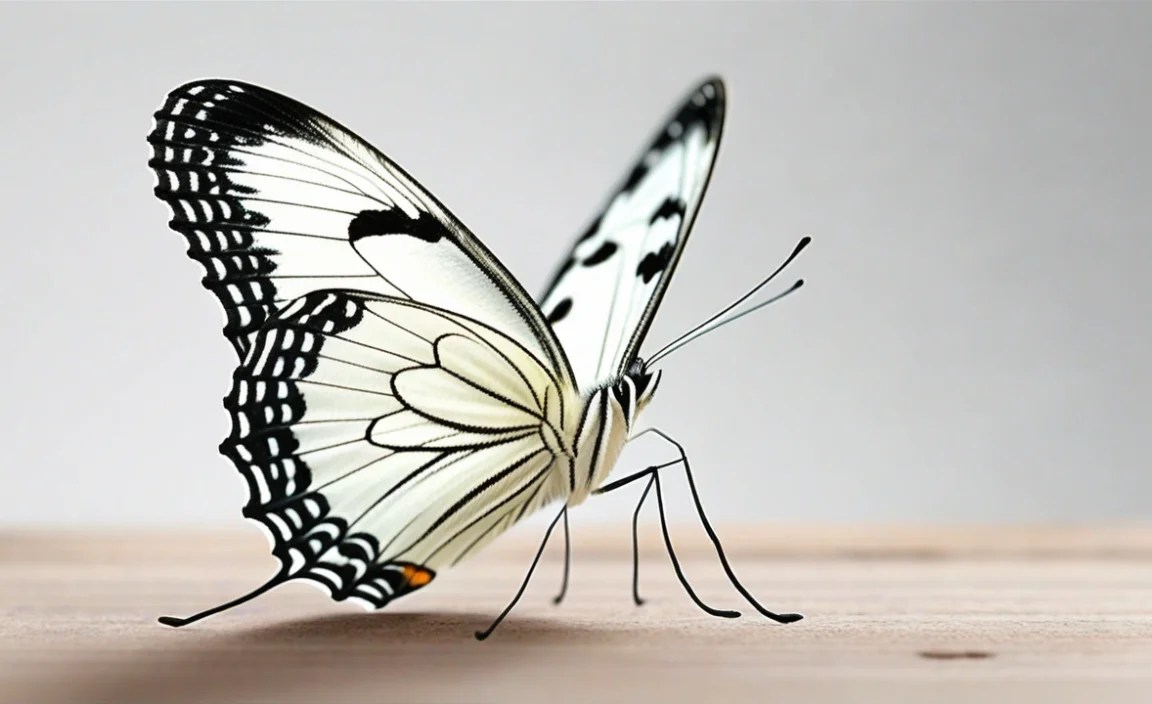
The most common white butterfly with black tips you’ll encounter is the Cabbage White butterfly (Pieris rapae). However, several other white butterflies have similar markings. Here’s how to tell them apart:
Key Characteristics of the Cabbage White Butterfly
- Color: Predominantly white wings.
- Markings: Black tips on the forewings (the front wings). Females usually have two black spots on each forewing, while males have one or none.
- Size: Relatively small, with a wingspan of about 1.5 to 2 inches (3.8 to 5 cm).
- Flight: Fluttery and erratic.
Distinguishing from Similar Species
Several other white butterflies might have black markings, so it’s essential to look closely. Here’s a comparison:
| Species | Distinguishing Features | Habitat |
|---|---|---|
| Cabbage White (Pieris rapae) | Black tips on forewings; females have two black spots, males have one or none. | Gardens, fields, and urban areas worldwide. |
| Large White (Pieris brassicae) | Larger than Cabbage White; more extensive black markings on wing tips. | Europe, Asia, and North Africa; often found in gardens and agricultural areas. |
| Checkered White (Pontia protodice) | Black and white checkered pattern on wings; lacks solid black tips. | North America; open fields, roadsides, and disturbed habitats. |
| West Virginia White (Pieris virginiensis) | Delicate white wings with faint gray markings; prefers woodland habitats. | Eastern North America; moist, deciduous forests. |
Tip: Observing the size, the extent of black markings, and the habitat can help you accurately identify the butterfly.
Life Cycle of the Cabbage White Butterfly
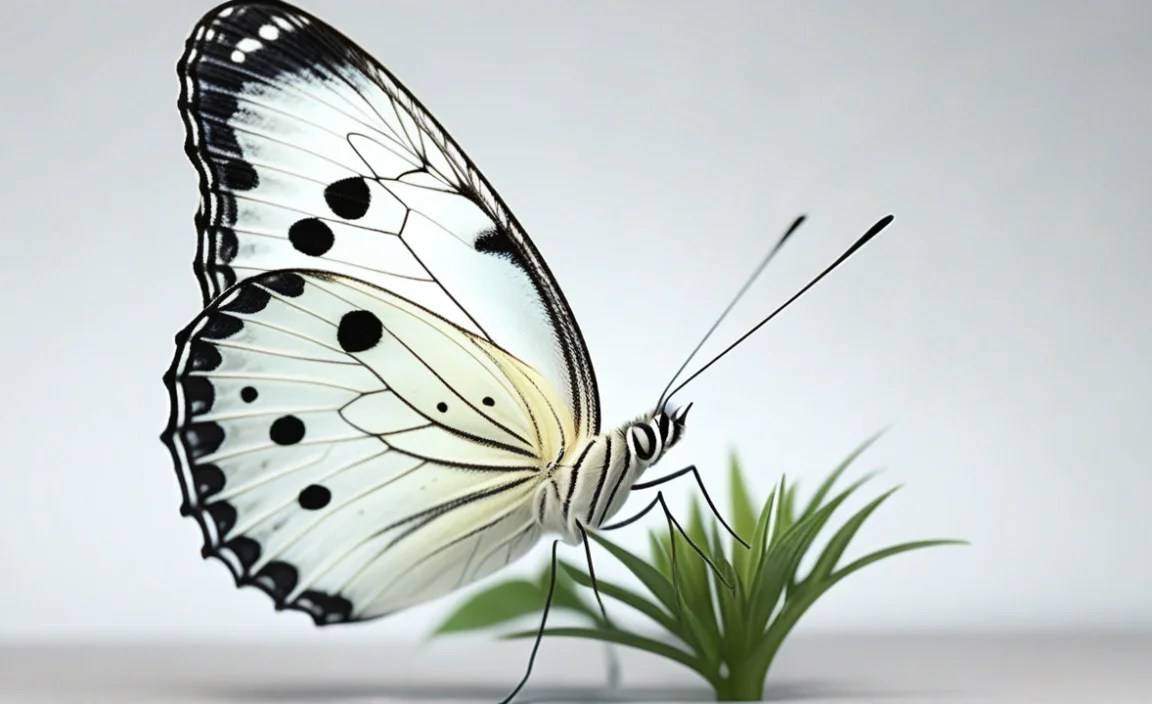
Understanding the life cycle of the Cabbage White butterfly is essential for gardeners and nature enthusiasts alike. It goes through four distinct stages:
- Egg: Tiny, yellowish-white eggs are laid singly on the undersides of host plant leaves, especially those in the cabbage family.
- Larva (Caterpillar): The caterpillar is green and well-camouflaged. It feeds voraciously on leaves, causing damage to plants.
- Pupa (Chrysalis): The caterpillar transforms into a pupa, usually attached to a stem or leaf. The pupa is green or brown and blends in with its surroundings.
- Adult Butterfly: The adult butterfly emerges from the pupa. It feeds on nectar from flowers and continues the cycle by laying eggs.
Detailed Stages of the Life Cycle
- Egg Stage: The eggs are small and can be difficult to spot. They usually hatch within 4 to 8 days, depending on the temperature.
- Larval Stage: The larval stage lasts for about 2 to 3 weeks. During this time, the caterpillar molts several times as it grows.
- Pupal Stage: The pupal stage lasts for about 1 to 2 weeks. The butterfly’s wings and body develop inside the pupa.
- Adult Stage: Adult butterflies can live for several weeks, depending on environmental conditions and the availability of food.
Habitat and Distribution

Cabbage White butterflies are incredibly adaptable and can be found in a wide range of habitats. Their global distribution and habitat preferences contribute to their success as a species.
Global Distribution
Originally native to Europe, the Cabbage White butterfly has spread to nearly every corner of the globe. It is now found in:
- North America
- South America
- Australia
- New Zealand
- Asia
- Africa
Preferred Habitats
These butterflies thrive in open areas with plenty of sunlight and flowering plants. Common habitats include:
- Gardens
- Agricultural fields
- Meadows
- Urban parks
- Roadsides
Diet and Host Plants
Understanding what Cabbage White butterflies and their caterpillars eat is crucial for both gardeners and butterfly enthusiasts.
Caterpillar Diet
Caterpillars of the Cabbage White butterfly are notorious for their appetite for plants in the Brassica family, also known as cruciferous vegetables. Their diet includes:
- Cabbage
- Broccoli
- Cauliflower
- Kale
- Brussels sprouts
- Radishes
- Mustard greens
This is why they are often considered pests in gardens and agricultural settings. The caterpillars can cause significant damage by eating holes in leaves, stunting plant growth, and reducing yields.
Adult Butterfly Diet
Adult Cabbage White butterflies primarily feed on nectar from flowers. They are attracted to a variety of flowering plants, including:
- Dandelions
- Clover
- Asters
- Zinnias
- Butterfly bush (Buddleja davidii)
By feeding on nectar, adult butterflies play a role in pollination, contributing to the health of plant ecosystems.
Impact on Gardens and Agriculture
The Cabbage White butterfly can have a significant impact on gardens and agricultural crops due to the feeding habits of its caterpillars. Understanding this impact is essential for gardeners and farmers.
Damage Caused by Caterpillars
Cabbage White caterpillars are known for causing damage to various plants, particularly those in the cabbage family. The damage includes:
- Defoliation: Caterpillars eat holes in leaves, which can weaken plants and reduce their ability to photosynthesize.
- Stunted Growth: Heavy infestations can stunt the growth of young plants, making them less productive.
- Contamination: Caterpillars and their droppings can contaminate crops, making them unmarketable.
Economic Impact
The economic impact of Cabbage White butterflies can be substantial, especially in areas where cruciferous vegetables are a major crop. Losses can occur due to:
- Reduced yields
- Increased pest control costs
- Rejection of contaminated crops
Farmers and gardeners often need to implement control measures to protect their crops from these pests. According to the Royal Horticultural Society, heavy infestations can devastate entire crops if left unchecked.
Attracting or Deterring White Butterflies
Depending on your goals—whether you want to support local butterfly populations or protect your garden—you might want to attract or deter Cabbage White butterflies. Here’s how:
How to Attract Butterflies (If Desired)
If you want to attract Cabbage White butterflies to your garden (perhaps to support local biodiversity or simply enjoy their beauty), consider the following:
- Plant Nectar-Rich Flowers: Include a variety of flowering plants that provide nectar for adult butterflies. Some good choices include asters, zinnias, and butterfly bush.
- Provide Host Plants: If you’re willing to tolerate some caterpillar damage, plant some host plants like cabbage or kale.
- Avoid Pesticides: Pesticides can harm or kill butterflies and other beneficial insects.
- Offer a Water Source: Provide a shallow dish of water with pebbles or stones for butterflies to land on and drink.
How to Deter Butterflies (If Necessary)
If you need to protect your plants from Cabbage White caterpillars, consider these strategies:
- Use Row Covers: Cover vulnerable plants with lightweight fabric row covers to prevent butterflies from laying eggs on them.
- Handpick Caterpillars: Regularly inspect your plants and remove any caterpillars you find. Drop them into a bucket of soapy water.
- Plant Companion Plants: Some plants, like marigolds and nasturtiums, can deter Cabbage White butterflies.
- Use Biological Controls: Introduce beneficial insects like parasitic wasps, which can help control caterpillar populations.
- Apply Organic Insecticides: If necessary, use organic insecticides like Bacillus thuringiensis (Bt) to control caterpillars. Bt is a bacterium that is toxic to caterpillars but safe for other insects, humans, and pets. Always follow the instructions on the product label.
Conservation Status and Importance
While the Cabbage White butterfly is not currently threatened, understanding its role in the ecosystem and the importance of conservation is crucial.
Current Conservation Status
The Cabbage White butterfly is widespread and abundant. It is not listed as a threatened or endangered species. Its adaptability and ability to thrive in various habitats have contributed to its success. According to the U.S. Forest Service, maintaining healthy ecosystems is vital for supporting butterfly populations, even common ones.
Ecological Importance
Despite being considered a pest in some contexts, the Cabbage White butterfly plays a role in the ecosystem:
- Pollination: Adult butterflies contribute to pollination by feeding on nectar and transferring pollen between flowers.
- Food Source: Butterflies and caterpillars serve as a food source for birds, insects, and other animals.
- Indicator Species: Butterfly populations can serve as indicators of environmental health. Changes in their numbers or distribution can signal habitat degradation or climate change.
Conservation Tips
Here are some ways to support butterfly conservation:
- Create Butterfly-Friendly Habitats: Plant a variety of native flowering plants to provide nectar and host plants for butterflies.
- Reduce Pesticide Use: Minimize or eliminate the use of pesticides in your garden and yard.
- Support Local Conservation Efforts: Participate in citizen science projects, such as butterfly counts, to monitor butterfly populations and contribute to conservation efforts.
- Educate Others: Share your knowledge about butterflies and their importance with friends, family, and community members.
Interesting Facts About White Butterflies
White butterflies, including the Cabbage White, are filled with fascinating stories and unique adaptations. Here are a few interesting facts:
- Migration: Some white butterflies, like the Large White, are known to migrate long distances in search of food and suitable breeding grounds.
- Camouflage: Cabbage White caterpillars are green, which helps them blend in with the leaves of their host plants, making them less visible to predators.
- Cultural Significance: In some cultures, white butterflies are symbols of purity, transformation, and good luck.
- Flight Patterns: The erratic, fluttery flight of the Cabbage White butterfly is thought to be a strategy to avoid predators.
FAQ About White Butterflies with Black Tips
What kind of white butterfly has black tips?
The most common white butterfly with black tips is the Cabbage White (Pieris rapae). Females have two black spots on their forewings, while males have one or none.
Are Cabbage White butterflies harmful to my garden?
Yes, the caterpillars of Cabbage White butterflies can be harmful as they feed on plants like cabbage, broccoli, and kale, causing significant damage.
How can I protect my plants from Cabbage White caterpillars?
You can use row covers, handpick caterpillars, plant companion plants, use biological controls like parasitic wasps, or apply organic insecticides like Bacillus thuringiensis (Bt).
What do adult Cabbage White butterflies eat?
Adult Cabbage White butterflies feed on nectar from flowers like dandelions, clover, asters, and zinnias.
Are Cabbage White butterflies native to North America?
No, Cabbage White butterflies are native to Europe and Asia but have spread to North America and other parts of the world.
How can I attract butterflies to my garden?
Plant nectar-rich flowers, provide host plants, avoid pesticides, and offer a shallow dish of water with pebbles for butterflies to land on.
Do white butterflies have any cultural significance?
Yes, in some cultures, white butterflies symbolize purity, transformation, and good luck.
Conclusion
Identifying the white butterfly with black tips as a Cabbage White opens a door to understanding its life cycle, habits, and impact on our gardens and ecosystems. While its caterpillars can be a nuisance to gardeners, the adult butterfly plays a role in pollination and serves as a food source for other creatures.
By learning how to attract or deter these butterflies, we can create balanced and thriving gardens that support biodiversity. Whether you’re a seasoned gardener or a curious nature lover, understanding the Cabbage White butterfly enriches your appreciation for the intricate web of life around us. So, next time you see a white butterfly with black tips fluttering by, you’ll know its story and its place in the world.


