Malayan Butterfly Species: Your Ultimate ID Guide

Malayan butterfly species are diverse and beautiful, found primarily in Southeast Asia. To identify them, focus on wing patterns, size, and habitat. Some common species include the Rajah Brooke’s Birdwing, known for its striking green markings, and the Common Rose, with its vibrant red body. Observing their behaviour and preferred host plants can also aid identification.
Butterflies! Aren’t they just the most delightful creatures? I’ve spent countless hours wandering through gardens and forests, captivated by their graceful flight and vibrant colours. But sometimes, identifying those fluttering beauties can be a bit of a puzzle, especially when you’re faced with the incredible diversity of Malayan butterfly species. It can feel overwhelming, I know. But don’t worry! I’m here to guide you.
In this article, we’ll explore the fascinating world of Malayan butterflies, focusing on how to identify some of the most common and eye-catching species. We’ll dive into their unique characteristics, preferred habitats, and even the plants they love to feed on. By the end of this guide, you’ll be well-equipped to recognize and appreciate these amazing insects. Get ready to embark on a butterfly adventure!
Understanding Malayan Butterfly Diversity
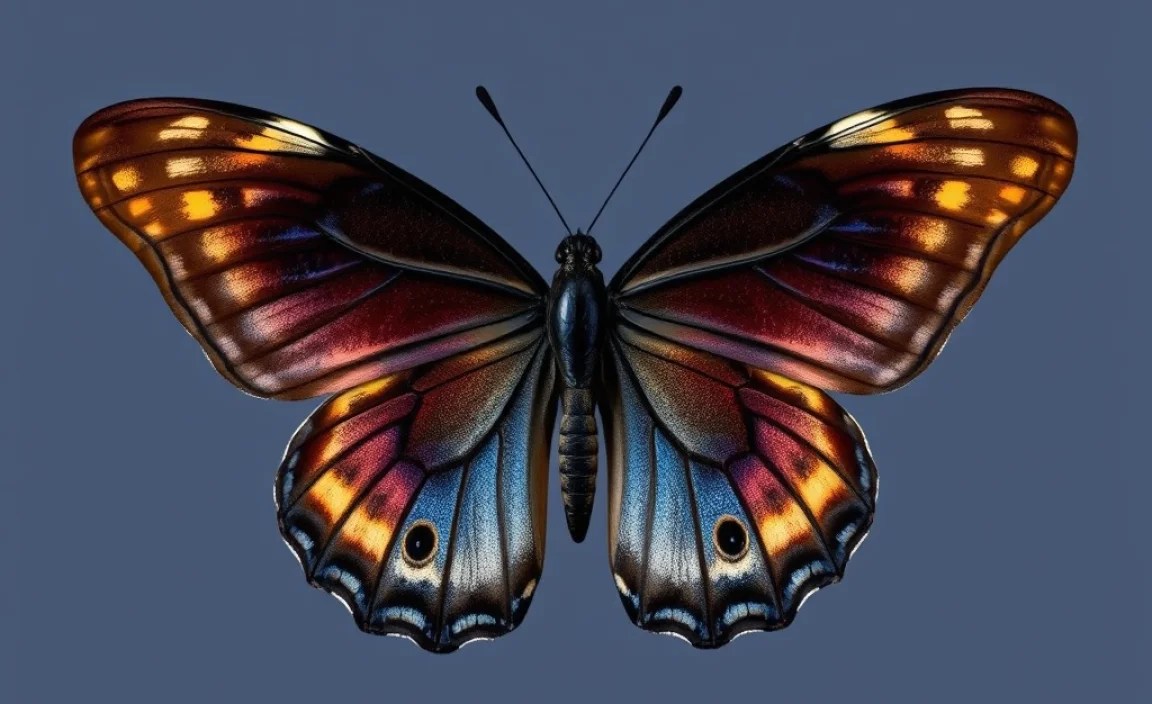
The Malay Peninsula, encompassing parts of Malaysia, Thailand, Singapore, and Indonesia, is a hotspot for butterfly diversity. Its tropical climate and varied landscapes create ideal conditions for a wide array of species. Understanding the basics of butterfly classification and regional variations is crucial for accurate identification.
Key Factors Contributing to Diversity
- Climate: The consistent warmth and high humidity support year-round butterfly activity.
- Habitat Variety: From rainforests to coastal mangroves, each habitat hosts unique butterfly communities.
- Rich Flora: The abundance of flowering plants and specific host plants provides food and breeding grounds.
Regional Variations
Butterfly species can vary even within the Malay Peninsula. For example, certain species might be more common in the northern regions of Malaysia compared to Singapore. Keep in mind that distribution maps are helpful but not always definitive.
Essential Tools for Butterfly Identification
Before heading out to identify butterflies, it’s helpful to gather a few essential tools. These will not only aid in identification but also ensure you can observe these delicate creatures responsibly.
Recommended Tools
- Butterfly Field Guide: A comprehensive guide specific to the Malayan region is invaluable.
- Binoculars: Allow you to observe butterflies from a distance without disturbing them.
- Camera: Capture photos for later identification and documentation.
- Notebook and Pen: Record observations, including location, date, and behaviour.
- Magnifying Glass: Useful for examining fine details on wings.
Step-by-Step Guide to Identifying Malayan Butterflies

Identifying butterflies involves a combination of observation, comparison, and knowledge of local species. Here’s a step-by-step guide to help you along the way.
Step 1: Observe the Butterfly’s Size and Shape
Start by noting the overall size and shape of the butterfly. This can help narrow down the possibilities. Butterflies range from small species with delicate wings to large, impressive birdwings.
- Small: Wingspan less than 5 cm.
- Medium: Wingspan between 5 and 10 cm.
- Large: Wingspan greater than 10 cm.
Step 2: Examine the Wing Patterns and Colours
The wing patterns and colours are often the most distinctive features. Pay close attention to the arrangement of spots, stripes, and bands. Note whether the colours are vibrant or muted, and if there are any metallic or iridescent markings.
Step 3: Identify Key Markings
Look for specific markings that are characteristic of certain species or groups. These might include:
- Eyespots: Circular markings that resemble eyes, often used to deter predators.
- Tails: Elongated extensions on the hindwings.
- Brand Patches: Scent scales found on the wings of male butterflies.
Step 4: Note the Butterfly’s Behaviour
Butterfly behaviour can provide clues to its identity. Consider the following:
- Flight Pattern: Is the flight rapid and erratic, or slow and graceful?
- Feeding Habits: What types of flowers is the butterfly visiting?
- Resting Position: Does it rest with its wings open or closed?
Step 5: Consider the Habitat
The habitat in which you find the butterfly can significantly narrow down the possibilities. Different species prefer different environments, such as forests, gardens, or wetlands.
Step 6: Use a Field Guide for Comparison
Once you have gathered as much information as possible, consult your field guide to compare your observations with known species. Pay attention to the illustrations and descriptions, and don’t be afraid to cross-reference with online resources.
Common Malayan Butterfly Species and Their Identification

Let’s explore some of the most frequently encountered Malayan butterfly species, along with their key identification features.
1. Rajah Brooke’s Birdwing (Trogonoptera brookiana)
The Rajah Brooke’s Birdwing is one of the most iconic butterflies of the region, named after Sir James Brooke, the Rajah of Sarawak.
- Size: Large, with a wingspan of up to 17 cm.
- Wing Pattern: Black with iridescent green markings. Males have more prominent green bands, while females have white patches.
- Habitat: Primary and secondary forests.
- Behaviour: Flies high in the canopy, often seen near streams.
2. Common Rose (Pachliopta aristolochiae)
The Common Rose is a striking butterfly with a distinctive red body and hindwing markings.
- Size: Medium, with a wingspan of about 8-10 cm.
- Wing Pattern: Black with red patches on the hindwings and a red body.
- Habitat: Gardens, forests, and open areas.
- Behaviour: Slow, graceful flight, often seen feeding on nectar.
3. Plain Tiger (Danaus chrysippus)
The Plain Tiger is a common and widespread butterfly known for its orange and black markings.
- Size: Medium, with a wingspan of about 7-8 cm.
- Wing Pattern: Orange with black stripes and white spots along the edges.
- Habitat: Open grasslands, gardens, and disturbed areas.
- Behaviour: Flies in a straight line, often seen migrating in large numbers.
4. Common Mormon (Papilio polytes)
The Common Mormon is a highly variable species, with females exhibiting different forms to mimic poisonous butterflies.
- Size: Medium to large, with a wingspan of about 8-12 cm.
- Wing Pattern: Males are black with white or cream markings. Females can mimic the Common Rose or other poisonous species.
- Habitat: Gardens, forests, and open areas.
- Behaviour: Strong, fast flight, often seen feeding on nectar.
5. Chocolate Soldier (Junonia hedonia)
The Chocolate Soldier is a small, brown butterfly with distinctive eyespots.
- Size: Small, with a wingspan of about 5-6 cm.
- Wing Pattern: Brown with dark lines and prominent eyespots on both wings.
- Habitat: Forests, gardens, and shaded areas.
- Behaviour: Flies close to the ground, often seen basking in sunny spots.
6. Blue Pansy (Junonia orithya)
The Blue Pansy is a vibrant butterfly with striking blue and orange markings.
- Size: Medium, with a wingspan of about 5-6 cm.
- Wing Pattern: Blue with black and orange markings, and two prominent eyespots on the hindwings.
- Habitat: Open grasslands, gardens, and disturbed areas.
- Behaviour: Flies close to the ground, often seen basking in sunny spots.
7. Cruiser Butterfly (Vindula dejone)
The Cruiser is known for its rapid flight and distinctive wing shape.
- Size: Large, with a wingspan of about 9-11 cm.
- Wing Pattern: Orange with black markings. Males have a more pointed wing shape.
- Habitat: Forests and shaded areas.
- Behaviour: Flies rapidly and erratically, often seen near streams.
Creating a Butterfly-Friendly Garden

Attracting butterflies to your garden is a rewarding experience. By providing the right food and habitat, you can create a haven for these beautiful creatures.
Choosing the Right Plants
Select plants that provide nectar for adult butterflies and serve as host plants for caterpillars. Native plants are often the best choice.
- Nectar Plants: Lantana, Pentas, Butterfly Bush (Buddleja davidii).
- Host Plants: Milkweed (for Monarchs), Citrus (for Swallowtails), Aristolochia (for Birdwings).
Providing Shelter and Water
Butterflies need shelter from wind and rain, as well as a source of water. Plant shrubs and trees to create sheltered areas, and provide a shallow dish of water with pebbles for butterflies to land on.
Avoiding Pesticides
Pesticides can harm or kill butterflies and other beneficial insects. Avoid using pesticides in your garden, and opt for natural pest control methods instead.
Butterfly Conservation Efforts
Many butterfly species are threatened by habitat loss, climate change, and pesticide use. Supporting conservation efforts is crucial for protecting these delicate creatures.
How to Get Involved
- Support Conservation Organizations: Donate to or volunteer with organizations that work to protect butterfly habitats.
- Practice Sustainable Gardening: Create a butterfly-friendly garden and avoid using pesticides.
- Educate Others: Share your knowledge and passion for butterflies with friends, family, and community members.
- Citizen Science: Participate in butterfly monitoring programs to track populations and identify threats.
Advanced Identification Techniques
For more advanced butterfly identification, consider these techniques:
Microscopic Examination
Examining wing scales under a microscope can reveal subtle differences between species.
Genital Morphology
In some cases, examining the genitalia of male butterflies is necessary for accurate identification. This requires specialized knowledge and equipment.
DNA Barcoding
DNA barcoding is a molecular technique that uses short DNA sequences to identify species. This can be particularly useful for identifying cryptic species or species with variable morphology.
Table: Comparison of Common Malayan Butterfly Species
| Species | Size | Wing Pattern | Habitat | Behaviour |
|---|---|---|---|---|
| Rajah Brooke’s Birdwing | Large | Black with iridescent green markings | Primary and secondary forests | Flies high in the canopy |
| Common Rose | Medium | Black with red patches on hindwings | Gardens, forests, open areas | Slow, graceful flight |
| Plain Tiger | Medium | Orange with black stripes and white spots | Open grasslands, gardens | Straight flight, often migrates |
| Common Mormon | Medium to Large | Variable, males black with white markings, females mimic other species | Gardens, forests, open areas | Strong, fast flight |
| Chocolate Soldier | Small | Brown with dark lines and eyespots | Forests, gardens, shaded areas | Flies close to the ground |
| Blue Pansy | Medium | Blue with black and orange markings, eyespots | Open grasslands, gardens | Basks in sunny spots |
| Cruiser Butterfly | Large | Orange with black markings | Forests, shaded areas | Rapid, erratic flight |
Table: Host Plants for Common Malayan Butterflies
| Butterfly Species | Host Plant |
|---|---|
| Rajah Brooke’s Birdwing | Aristolochia species |
| Common Rose | Aristolochia species |
| Common Mormon | Citrus species, Glycosmis pentaphylla |
| Plain Tiger | Milkweed (Asclepias species) |
Resources for Further Learning
To deepen your knowledge of Malayan butterflies, explore these resources:
Online Databases
- ButterflyCircle: A comprehensive online resource with photos, identification guides, and forums.
- iNaturalist: A citizen science platform where you can submit photos and observations for identification.
- Project Noah: Another citizen science platform focused on wildlife sightings and identification.
Books and Field Guides
- “Butterflies of Peninsular Malaysia, Singapore and Thailand” by Steven Corbet and H.M. Pendlebury
- “A Field Guide to the Butterflies of Singapore” by S.K. Tan, R.T. Corlett, and D.C.J. Yeoh
FAQ About Malayan Butterflies
What is the most common butterfly in Malaysia?
The most common butterfly in Malaysia is often considered to be the Plain Tiger (Danaus chrysippus) due to its wide distribution and adaptability to various habitats.
How can I attract butterflies to my garden in Singapore?
To attract butterflies to your garden in Singapore, plant nectar-rich flowers like Lantana and Pentas, and host plants like Milkweed for caterpillars. Also, provide a shallow dish of water and avoid using pesticides.
Are Malayan butterflies endangered?
Yes, some Malayan butterfly species are endangered due to habitat loss and other factors. The IUCN Red List can provide information on specific species and their conservation status.
What is the largest butterfly in the Malay Peninsula?
The largest butterfly in the Malay Peninsula is the Rajah Brooke’s Birdwing (Trogonoptera brookiana), with a wingspan that can reach up to 17 cm.
How do I distinguish between male and female butterflies?
Distinguishing between male and female butterflies often involves looking at wing patterns and size. Males may have brighter colours or different markings, while females are often larger. For some species, examining the presence of brand patches (scent scales) on the wings can help identify males.
What is the best time of year to see butterflies in Malaysia?
Butterflies can be seen year-round in Malaysia due to the tropical climate. However, the best time to observe them is during the wetter months when flowering plants are abundant, typically from March to September.
Where can I find Rajah Brooke’s Birdwing butterflies?
Rajah Brooke’s Birdwing butterflies are typically found in primary and secondary forests throughout the Malay Peninsula. Look for them near streams and in areas with abundant Aristolochia vines, which serve as their host plant.
Conclusion
Identifying Malayan butterfly species can be a deeply rewarding experience. It connects us to the intricate beauty of nature and highlights the importance of conservation. By using the tips and techniques outlined in this guide, you can confidently identify many of the common species you encounter. Remember to observe carefully, consult your field guide, and respect these delicate creatures and their habitats. Whether you’re a seasoned naturalist or a budding butterfly enthusiast, the world of Malayan butterflies offers endless opportunities for discovery and appreciation. So, grab your binoculars, head out into nature, and let the enchanting world of butterflies unfold before you!