
Butterfly Museum Exhibits: A Powerful Guide

Quick Summary: Butterfly museum exhibits offer an enchanting glimpse into the world of butterflies and moths. These exhibits showcase diverse species, educate visitors about their life cycles and conservation, and often feature interactive displays and lush habitats where butterflies can be observed up close. They’re a fantastic way to learn about these fascinating creatures and support their preservation.
Have you ever dreamed of being surrounded by hundreds of colorful butterflies, fluttering gently around you? Butterfly museum exhibits bring this dream to life! They provide a magical experience where you can observe these delicate creatures up close, learn about their fascinating life cycle, and understand the importance of protecting their habitats. It’s a truly immersive and educational adventure for all ages.
In this guide, we’ll explore what makes butterfly museum exhibits so special, what you can expect to see, and how to make the most of your visit. Get ready to discover the beauty and wonder of the butterfly world!
What to Expect at Butterfly Museum Exhibits

Butterfly museum exhibits are designed to immerse you in the world of butterflies and moths. Here’s a breakdown of what you can typically expect:
Live Butterfly Conservatories
The heart of most butterfly exhibits is the live butterfly conservatory. This is a specially designed habitat that mimics the butterflies’ natural environment. Inside, you’ll find:
- Tropical Plants: Lush greenery, flowering plants, and host plants that provide food and shelter for the butterflies.
- Controlled Climate: Warm and humid conditions that are ideal for butterfly activity.
- Free-Flying Butterflies: Hundreds, or even thousands, of butterflies from various species, fluttering freely around you.
- Water Features: Small ponds, fountains, or misting systems to maintain humidity and provide drinking water for the butterflies.
Educational Displays
Beyond the live butterfly conservatory, you’ll find exhibits that teach you about the biology, life cycle, and conservation of butterflies and moths. These displays often include:
- Informational Panels: Detailed descriptions of butterfly species, their habitats, and their unique characteristics.
- Life Cycle Exhibits: Visual representations of the butterfly life cycle, from egg to larva (caterpillar) to pupa (chrysalis) to adult.
- Specimen Collections: Preserved butterfly and moth specimens, showcasing the incredible diversity of these insects.
- Interactive Exhibits: Hands-on activities that allow you to learn about butterfly anatomy, behavior, and conservation efforts.
Butterfly Gardens
Many butterfly museums also feature outdoor butterfly gardens, which are designed to attract local butterfly species. These gardens typically include:
- Nectar Plants: Flowers that provide nectar, the primary food source for adult butterflies.
- Host Plants: Plants that caterpillars feed on.
- Shelter: Trees, shrubs, and other vegetation that provide shelter from the elements and predators.
- Puddling Areas: Shallow dishes of water with minerals that attract male butterflies.
Preparing for Your Visit
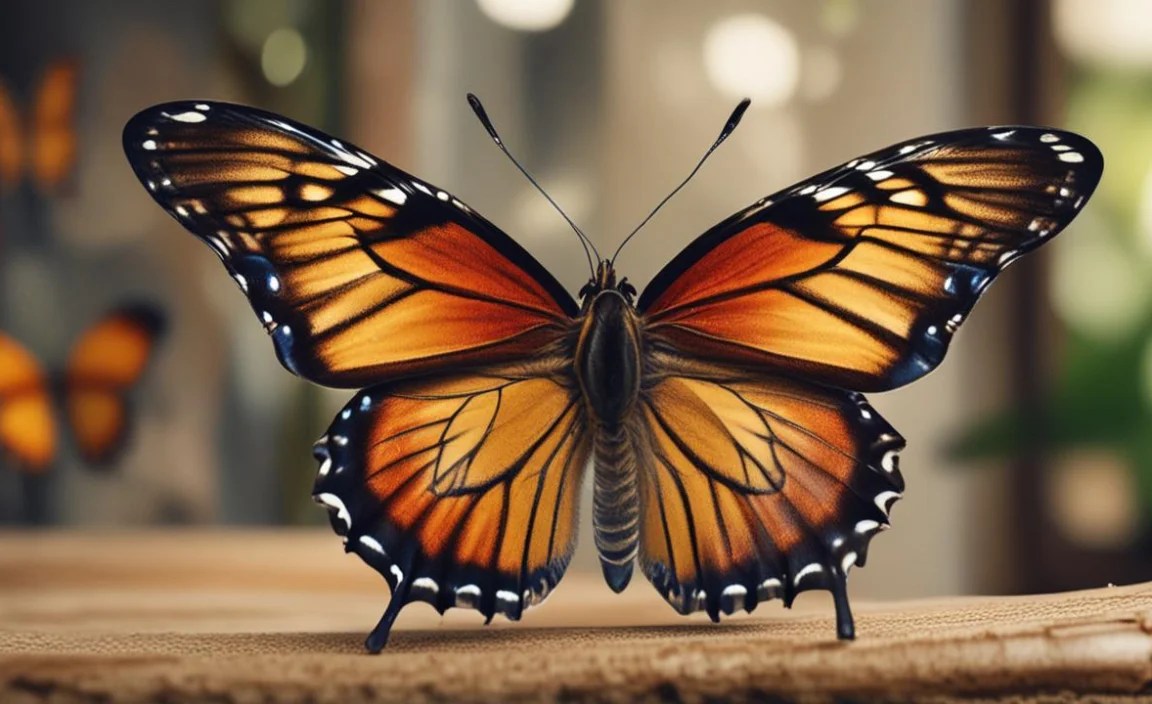
To make the most of your visit to a butterfly museum exhibit, here are a few tips to keep in mind:
What to Wear
- Light-Colored Clothing: Butterflies are attracted to bright colors, so wearing light-colored clothing can increase your chances of having a butterfly land on you.
- Comfortable Shoes: You’ll be doing a lot of walking, so wear comfortable shoes.
- Layers: The conservatory can be warm and humid, so dress in layers that you can easily remove.
What to Bring
- Camera: Capture the beauty of the butterflies with your camera.
- Water Bottle: Stay hydrated, especially in the warm and humid conservatory.
- Notebook and Pen: Take notes on the butterfly species you see and the information you learn.
Rules and Etiquette
- Do Not Touch the Butterflies: Butterflies are delicate creatures, and touching them can damage their wings.
- Stay on the Paths: Avoid stepping on plants or disturbing the butterflies’ habitat.
- Speak Quietly: Maintain a respectful and quiet atmosphere so that everyone can enjoy the exhibit.
- Supervise Children: Ensure that children follow the rules and behave respectfully.
Enhancing Your Experience
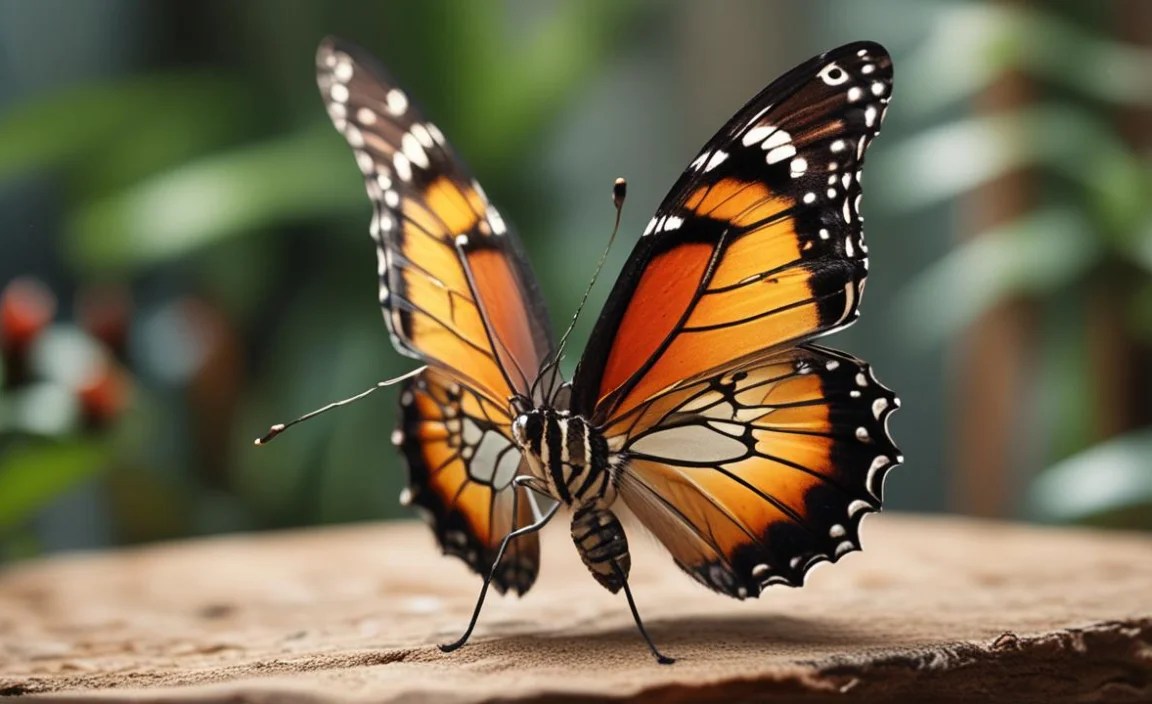
Here are some additional ways to make your visit even more enriching:
Take a Guided Tour
Many butterfly museums offer guided tours led by knowledgeable staff. These tours can provide valuable insights into the butterflies’ biology, behavior, and conservation.
Attend a Workshop or Presentation
Check the museum’s schedule for workshops, presentations, and other special events. These events can offer opportunities to learn more about butterflies and interact with experts.
Participate in Citizen Science Projects
Some butterfly museums participate in citizen science projects, where visitors can help collect data on butterfly populations and behavior. This is a great way to contribute to scientific research and learn more about butterflies in the process. Organizations like the Xerces Society offer resources and information on citizen science initiatives.
Explore the Gift Shop
The museum gift shop is a great place to find souvenirs, books, and educational materials about butterflies. You can also purchase butterfly-friendly plants and gardening supplies to create your own butterfly garden at home.
Understanding Butterfly Biology

To fully appreciate butterfly museum exhibits, it’s helpful to have a basic understanding of butterfly biology. Here’s a brief overview:
Life Cycle
Butterflies undergo a complete metamorphosis, which means they have four distinct life stages:
- Egg: The butterfly life cycle begins with an egg, which is typically laid on a host plant.
- Larva (Caterpillar): The egg hatches into a larva, or caterpillar, which feeds on the host plant and grows rapidly.
- Pupa (Chrysalis): Once the caterpillar is fully grown, it transforms into a pupa, or chrysalis. Inside the chrysalis, the caterpillar undergoes a dramatic transformation into a butterfly.
- Adult: The adult butterfly emerges from the chrysalis. It then flies off to reproduce, continuing the life cycle.
Anatomy
Butterflies have a unique anatomy that allows them to fly, feed, and reproduce. Key features include:
- Wings: Butterflies have two pairs of wings that are covered in tiny scales. These scales give the wings their color and pattern.
- Antennae: Butterflies use their antennae to sense their environment, including odors and air currents.
- Proboscis: Butterflies have a long, straw-like tongue called a proboscis, which they use to drink nectar from flowers.
- Legs: Butterflies have six legs, but they only use four for walking. The front two legs are often reduced in size and used for tasting.
Diet
Adult butterflies primarily feed on nectar from flowers. Caterpillars, on the other hand, feed on the leaves of host plants. The specific host plant varies depending on the butterfly species. The U.S. Forest Service provides excellent resources on plants that attract pollinators.
Exploring Butterfly Diversity

Butterfly museum exhibits showcase the incredible diversity of butterflies and moths. Here are some examples of common species you might see:
Monarch Butterfly (Danaus plexippus)
The Monarch is famous for its long-distance migrations. They travel thousands of miles from Canada and the United States to overwintering sites in Mexico and California.
Painted Lady (Vanessa cardui)
The Painted Lady is one of the most widespread butterfly species in the world. It can be found on every continent except Antarctica and Australia.
Swallowtail Butterflies (Papilio spp.)
Swallowtail butterflies are a large and diverse group, characterized by their distinctive tails on their hindwings. Examples include the Eastern Tiger Swallowtail (Papilio glaucus) and the Black Swallowtail (Papilio polyxenes).
Blue Morpho (Morpho peleides)
The Blue Morpho is a stunning butterfly native to Central and South America. Its iridescent blue wings are a sight to behold.
Conservation Efforts
Butterfly museum exhibits play an important role in butterfly conservation. They educate visitors about the threats that butterflies face, such as habitat loss, pesticide use, and climate change. Many museums also support conservation efforts through:
- Habitat Restoration: Restoring and protecting butterfly habitats.
- Captive Breeding Programs: Breeding endangered butterfly species in captivity and releasing them into the wild.
- Research: Conducting research on butterfly biology, behavior, and conservation.
- Education: Educating the public about butterfly conservation and how they can help.
Creating Your Own Butterfly Garden
One of the best ways to support butterfly conservation is to create your own butterfly garden. Here’s how:
- Choose a Sunny Location: Butterflies need sunlight to warm their bodies and fuel their flight.
- Plant Nectar Plants: Choose a variety of nectar plants that bloom throughout the growing season. Some popular choices include butterfly bush, zinnias, and coneflowers.
- Plant Host Plants: Plant host plants that caterpillars can feed on. The specific host plant will depend on the butterfly species you want to attract. For example, milkweed is the host plant for monarch butterflies.
- Provide Water: Provide a shallow dish of water with pebbles or stones for butterflies to land on.
- Avoid Pesticides: Pesticides can harm butterflies and other beneficial insects. Use organic gardening practices instead.
Butterfly Symbolism and Cultural Significance
Butterflies have been symbols of transformation, hope, and beauty in many cultures throughout history. Here are a few examples:
- Transformation: The butterfly’s metamorphosis from caterpillar to butterfly is often seen as a symbol of personal transformation and growth.
- Hope: Butterflies are often associated with hope and new beginnings.
- Beauty: The butterfly’s delicate beauty is admired around the world.
- Spirituality: In some cultures, butterflies are believed to be messengers from the spirit world.
Table of Butterfly Species and Their Host Plants
| Butterfly Species | Host Plant |
|---|---|
| Monarch (Danaus plexippus) | Milkweed (Asclepias spp.) |
| Black Swallowtail (Papilio polyxenes) | Parsley, Dill, Fennel |
| Spicebush Swallowtail (Papilio troilus) | Spicebush, Sassafras |
| Pipevine Swallowtail (Battus philenor) | Pipevine (Aristolochia spp.) |
| Gulf Fritillary (Agraulis vanillae) | Passionflower (Passiflora spp.) |
Table of Nectar Plants for Butterflies
| Nectar Plant | Bloom Time | Description |
|---|---|---|
| Butterfly Bush (Buddleja davidii) | Summer to Fall | Fragrant flowers in various colors, attracts many butterflies. |
| Zinnias (Zinnia elegans) | Summer | Bright, daisy-like flowers in many colors, easy to grow. |
| Coneflowers (Echinacea purpurea) | Summer to Fall | Daisy-like flowers with a prominent central cone, drought-tolerant. |
| Lantana (Lantana camara) | Summer to Fall | Clusters of small, brightly colored flowers, attracts hummingbirds too. |
| Salvia (Salvia spp.) | Summer | Spikes of flowers in various colors, deer-resistant. |
FAQ About Butterfly Museum Exhibits
Here are some frequently asked questions about butterfly museum exhibits:
Are butterfly museum exhibits safe for butterflies?
Yes, reputable butterfly exhibits prioritize the welfare of their butterflies. They maintain appropriate climate conditions, provide food and water, and have protocols to minimize stress and injury.
What is the best time of year to visit a butterfly museum exhibit?
The best time to visit is typically during the warmer months (spring and summer), as this is when butterflies are most active. However, indoor exhibits are open year-round.
How long should I plan to spend at a butterfly museum exhibit?
Plan to spend at least 1-2 hours to fully explore the exhibit, including the live butterfly conservatory and educational displays.
Can I bring food or drinks into a butterfly museum exhibit?
Generally, food and drinks are not allowed inside the live butterfly conservatory to protect the butterflies and their habitat. Check with the specific museum for their policies.
Are butterfly museum exhibits accessible to people with disabilities?
Most butterfly museum exhibits are designed to be accessible to people with disabilities, with features such as ramps, elevators, and accessible restrooms. Contact the museum in advance to confirm accessibility details.
What should I do if a butterfly lands on me?
If a butterfly lands on you, simply remain still and enjoy the moment. Avoid sudden movements or attempts to grab the butterfly, as this could scare it away or damage its wings. It will fly away on its own when it’s ready.
How can I support butterfly conservation?
You can support butterfly conservation by creating a butterfly garden, avoiding pesticide use, supporting organizations that protect butterfly habitats, and educating others about the importance of butterfly conservation.
Conclusion
Visiting a butterfly museum exhibit is a truly enchanting and educational experience. It’s an opportunity to connect with nature, learn about the fascinating world of butterflies, and support their conservation. By following the tips in this guide, you can make the most of your visit and create lasting memories. So, plan your visit today and prepare to be amazed by the beauty and wonder of these delicate creatures. Every flutter of a butterfly’s wing reminds us of the magic and fragility of our natural world, and inspires us to protect it for future generations.


