
Green-veined White Butterfly: Ultimate ID Guide

The Green-veined White butterfly (Pieris napi) is a common sight in Europe and Asia. Known for its delicate, greenish veins on the underside of its wings, it’s a small to medium-sized butterfly that thrives in damp habitats like meadows and woodland edges. Attract them to your garden by planting cruciferous plants, their favorite food source.
Have you ever spotted a delicate white butterfly flitting through your garden and wondered what it was? Identifying butterflies can sometimes feel like a puzzle. The Green-veined White is one of those butterflies that might seem plain at first glance, but a closer look reveals its unique beauty. With its distinctive green veins, this butterfly is a fascinating subject to observe and attract to your garden.
In this guide, we’ll explore everything about the Green-veined White, from its appearance and habitat to its life cycle and ways to attract it to your garden. Get ready to uncover the secrets of this charming butterfly!
What is a Green-veined White Butterfly?

The Green-veined White butterfly (Pieris napi) is a member of the Pieridae family, which includes other well-known white and yellow butterflies. This species is widespread across Europe and Asia, inhabiting various damp environments.
Appearance and Identification
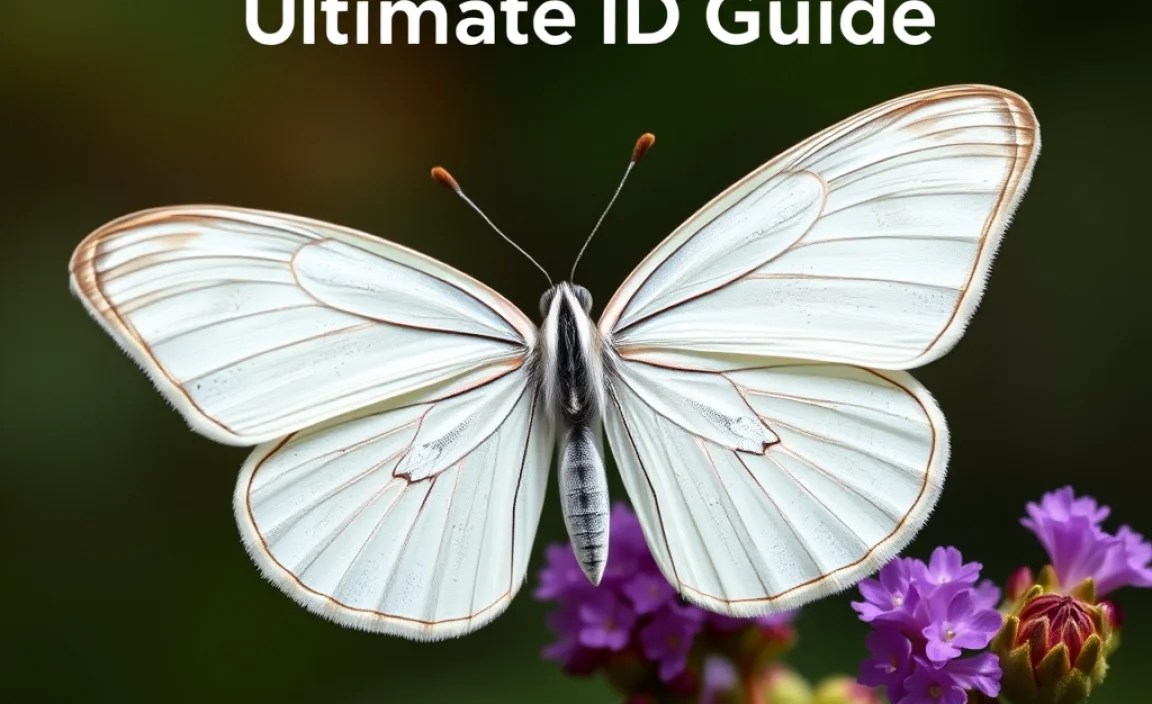
Green-veined Whites are small to medium-sized butterflies with a wingspan of about 4 to 5 cm (1.6 to 2 inches). The most distinctive feature is the greenish-grey veins on the underside of their wings, which gives them their name.
- Wings: The upperside of the wings is typically white with a grey or black spot on the forewing. Females often have two spots, while males usually have one or none.
- Veins: The underside of the wings shows prominent greenish-grey veins, especially on the hindwings. This venation pattern is a key identifier.
- Body: The body is small and dark, covered with fine hairs.
Habitat and Distribution
These butterflies prefer damp habitats such as:
- Meadows
- Woodland edges
- Riverbanks
- Damp gardens
They are commonly found throughout Europe and Asia, from sea level up to mountainous regions.
Life Cycle of the Green-veined White Butterfly

Understanding the life cycle of the Green-veined White is crucial for appreciating its biology and conservation. Here’s a breakdown of each stage:
Egg Stage
The female Green-veined White lays small, spindle-shaped eggs on the underside of host plant leaves. These eggs are usually pale yellow or green.
Larva (Caterpillar) Stage
Once the eggs hatch, the larvae emerge. These caterpillars are green with faint stripes, providing excellent camouflage on their host plants. They feed voraciously, growing through several instars (stages between molts).
- Feeding: Caterpillars primarily feed on cruciferous plants like mustards, cabbages, and watercress.
- Growth: As they grow, they shed their skin multiple times.
- Camouflage: Their green color helps them blend in with the leaves, avoiding predators.
Pupa (Chrysalis) Stage
When the larva is fully grown, it pupates, forming a chrysalis. The chrysalis is typically green or brown, blending with the surrounding vegetation. This stage can last from a few weeks to several months, depending on the time of year.
Adult Butterfly Stage
Finally, the adult butterfly emerges from the chrysalis. The newly emerged butterfly will hang upside down to allow its wings to expand and dry. Once ready, it will fly off to feed on nectar and reproduce.
The adult Green-veined White typically lives for a few weeks, during which it focuses on feeding and mating.
Attracting Green-veined White Butterflies to Your Garden

Attracting these lovely butterflies to your garden involves providing the right host plants for their caterpillars and nectar sources for the adults.
Choosing the Right Host Plants
Host plants are essential for the Green-veined White, as they provide food for the caterpillars. Some excellent choices include:
- Mustard (Brassica species): A favorite among Green-veined White caterpillars.
- Cabbage (Brassica oleracea): Common and easy to grow in many gardens.
- Watercress (Nasturtium officinale): Grows well in damp areas and provides a nutritious food source.
- Honesty (Lunaria annua): A pretty plant with interesting seed pods.
Providing Nectar Sources
Adult butterflies need nectar for energy. Plant a variety of nectar-rich flowers that bloom throughout the butterfly season.
- Lavender (Lavandula): Attracts many butterflies and bees.
- Buddleja (Butterfly Bush): A classic choice for butterfly gardens.
- Thyme (Thymus): A low-growing plant that attracts a variety of insects.
- Dandelions (Taraxacum officinale): While often considered weeds, they are an early source of nectar for many insects.
Creating a Butterfly-Friendly Habitat
Besides host and nectar plants, creating a suitable habitat involves providing:
- Shelter: Plant shrubs and trees to offer protection from wind and predators.
- Water Source: A shallow dish of water with pebbles allows butterflies to drink without drowning.
- Sunlight: Butterflies need sunlight to warm their bodies, so ensure your garden has sunny spots.
Conservation Status and Threats
The Green-veined White is a relatively common species and is not currently considered threatened. However, like many butterflies, it faces several challenges.
Habitat Loss
The destruction of natural habitats due to agriculture, urbanization, and deforestation can reduce the availability of host plants and nectar sources.
Pesticide Use
Pesticides can directly harm butterflies and their caterpillars, reducing their populations. Opt for organic gardening practices to minimize this impact.
Climate Change
Changes in temperature and rainfall patterns can affect the timing of butterfly life cycles and the availability of food resources.
Conservation Efforts
Supporting butterfly conservation involves:
- Creating Butterfly Gardens: Planting host and nectar plants in your garden.
- Reducing Pesticide Use: Choosing organic gardening methods.
- Supporting Conservation Organizations: Donating to groups that protect butterfly habitats.
- Educating Others: Sharing information about butterfly conservation with friends and family.
Green-veined White Butterfly vs. Other White Butterflies

Identifying white butterflies can be tricky, as several species look similar. Here’s how to distinguish the Green-veined White from other common white butterflies:
Green-veined White vs. Small White (Pieris rapae)
The Small White is another common butterfly often seen in gardens. Here are the key differences:
| Feature | Green-veined White (Pieris napi) | Small White (Pieris rapae) |
|---|---|---|
| Underside of Wings | Distinct greenish-grey veins | Powdery grey or yellowish, without prominent veins |
| Spot on Forewing | Grey or black, females often have two spots | Black, females often have two spots |
| Habitat | Damp meadows, woodland edges | Gardens, fields, open areas |
Green-veined White vs. Large White (Pieris brassicae)
The Large White is larger and has more prominent black markings on its wings.
| Feature | Green-veined White (Pieris napi) | Large White (Pieris brassicae) |
|---|---|---|
| Size | Small to medium (4-5 cm wingspan) | Large (5-7 cm wingspan) |
| Markings | Delicate greenish-grey veins | Bold black markings on wingtips and spots |
| Host Plants | Various cruciferous plants | Cabbage, broccoli, and other brassicas |
Fun Facts About Green-veined White Butterflies

Here are some intriguing facts about Green-veined White butterflies:
- Multiple Generations: In warmer regions, the Green-veined White can have multiple generations per year.
- Courtship Rituals: Male Green-veined Whites perform elaborate courtship dances to attract females.
- Color Variations: The intensity of the green veins on the underside of the wings can vary depending on the region and time of year.
- Flight Patterns: They have a distinctive, fluttering flight pattern that makes them easily recognizable.
Observing and Photographing Green-veined White Butterflies

Observing and photographing these butterflies can be a rewarding experience. Here are some tips:
Best Time to Observe
The best time to see Green-veined Whites is during the warmer months, from spring to early autumn. They are most active on sunny days.
Where to Look
Look for them in damp meadows, along woodland edges, and in gardens with host and nectar plants.
Tips for Photography
Capturing beautiful photos of Green-veined Whites requires patience and a few key techniques:
- Use a Macro Lens: A macro lens allows you to capture close-up details of the butterfly.
- Focus Carefully: Ensure your focus is sharp, especially on the wings and veins.
- Shoot in Natural Light: Avoid using flash, as it can wash out the colors and scare the butterfly.
- Be Patient: Butterflies are constantly moving, so be prepared to wait for the perfect shot.
Symbolism and Cultural Significance
Butterflies, in general, hold significant symbolism across various cultures. They often represent transformation, hope, and new beginnings. The Green-veined White, with its delicate appearance, can symbolize purity and simplicity.
In some cultures, white butterflies are seen as messengers from the spirit world, bringing comfort and guidance. Observing a Green-veined White can be a reminder to embrace change and find beauty in simplicity.
Resources for Further Learning
To deepen your knowledge about Green-veined White butterflies and butterfly conservation, consider exploring these resources:
- The Xerces Society: A non-profit organization dedicated to protecting invertebrates and their habitats. Xerces Society
- Butterfly Conservation: A UK-based charity focused on conserving butterflies and moths. Butterfly Conservation
- Local Nature Centers: Many nature centers offer programs and resources about local butterfly species.
- Books and Field Guides: Invest in a good butterfly field guide to help you identify different species in your area.
FAQ About Green-Veined White Butterflies
What do Green-veined White caterpillars eat?
Green-veined White caterpillars primarily eat the leaves of cruciferous plants, such as mustards, cabbages, and watercress.
How can I attract Green-veined White butterflies to my garden?
To attract them, plant host plants like mustard and cabbage for the caterpillars, and nectar-rich flowers like lavender and buddleja for the adult butterflies.
Are Green-veined White butterflies harmful to garden plants?
While the caterpillars feed on cruciferous plants, they usually don’t cause significant damage unless there is a very large infestation. You can protect valuable plants by covering them with netting.
How long do Green-veined White butterflies live?
Adult Green-veined White butterflies typically live for a few weeks, during which they focus on feeding and reproducing.
What is the difference between a Green-veined White and a Small White butterfly?
The main difference is on the underside of their wings. Green-veined Whites have distinct greenish-grey veins, while Small Whites have a powdery grey or yellowish appearance without prominent veins.
Where are Green-veined White butterflies found?
They are commonly found throughout Europe and Asia, in damp habitats like meadows, woodland edges, and riverbanks.
What does the Green-veined White butterfly symbolize?
It often symbolizes purity, simplicity, transformation, and new beginnings.
Conclusion
The Green-veined White butterfly, with its delicate beauty and interesting life cycle, is a wonderful addition to any garden. By providing the right host plants and nectar sources, you can attract these charming creatures and contribute to their conservation. Take a closer look next time you see a white butterfly flitting by – it might just be a Green-veined White, adding a touch of natural elegance to your surroundings. Happy butterfly watching!


