
Butterfly Species by Size: Find Your Perfect Fit!

Quick Summary: Butterfly sizes vary greatly! The smallest, the Western Pygmy Blue, has a wingspan of only about 0.5 inches. The largest, the Queen Alexandra’s Birdwing, can reach a wingspan of nearly 12 inches. Size depends on the species and even the individual butterfly’s diet during its caterpillar stage. Understanding butterfly sizes helps with identification and appreciating their diversity.
Butterflies captivate us with their colors and graceful flight. But have you ever wondered just how much their sizes can differ? It’s a common question! From tiny flutterers to impressive giants, the butterfly world is full of surprises. Figuring out their size is a key part of identifying different species. Don’t worry, it’s easier than you think! This guide will walk you through the fascinating range of butterfly sizes and what influences them. Let’s explore the world of butterflies, one size at a time.
Butterfly Species by Size: A Comprehensive Guide

Butterflies come in an amazing array of sizes, from those that could perch on your fingertip to those larger than your hand. Understanding these size differences can be a key factor in identifying different species and appreciating the incredible biodiversity of the butterfly world. Let’s delve into the details of butterfly sizes and explore some notable examples.
Factors Influencing Butterfly Size

Several factors determine the size a butterfly will reach. Here are some of the most important:
- Genetics: The genetic makeup of a butterfly species is the primary determinant of its size. Each species has a genetically predetermined range of size.
- Diet during the Larval Stage: A caterpillar’s diet plays a crucial role. A caterpillar with access to abundant, nutritious food will generally grow larger than one with a limited or poor-quality diet.
- Environmental Conditions: Temperature and humidity can also influence size. Favorable conditions can lead to larger butterflies.
- Geographic Location: Butterflies in different regions may exhibit size variations due to local climate and food availability.
Small Butterfly Species
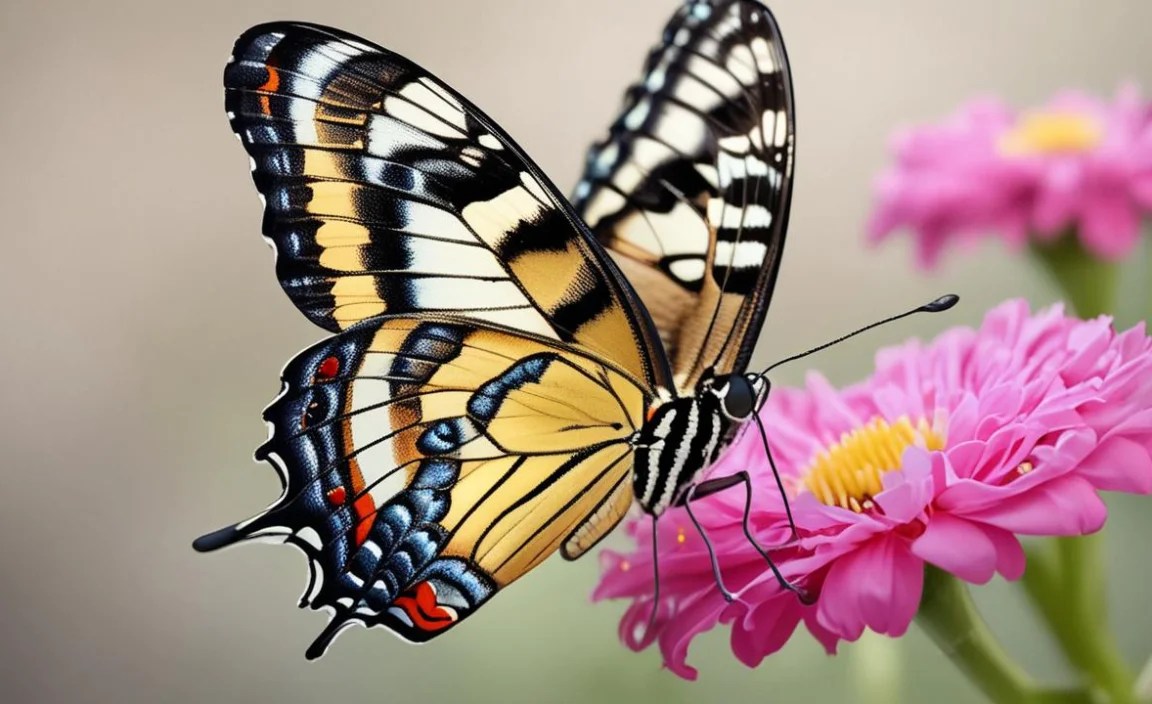
Small butterflies are often overlooked, but they are just as fascinating as their larger counterparts. These petite beauties can be found flitting among flowers in gardens and meadows.
Examples of Small Butterflies
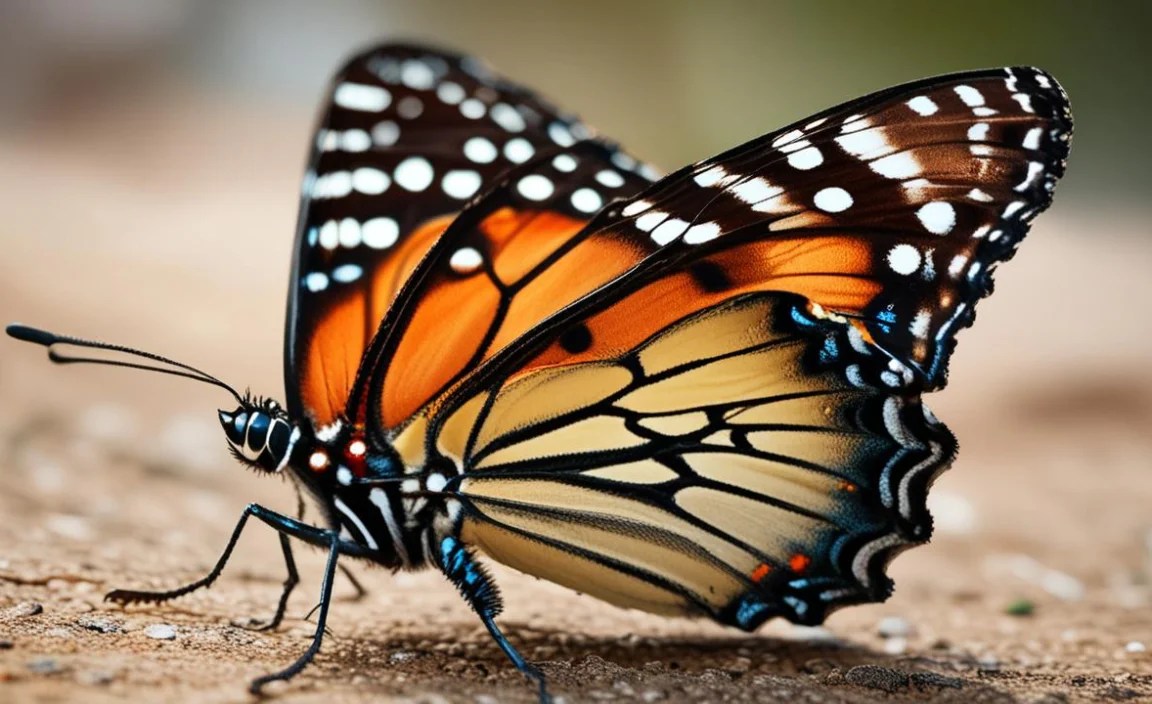
- Western Pygmy Blue (Brephidium exilis): The smallest butterfly in North America, with a wingspan of only 0.5 to 0.75 inches. These tiny butterflies are often found near their larval host plants, such as saltbush.
- Eastern Pygmy Blue (Brephidium pseudofea): Very similar to the Western Pygmy Blue, this species is found in the southeastern United States. Its size is comparable, with a wingspan of around 0.5 to 0.8 inches.
- Little Blue (Cupido minimus): Native to Europe and Asia, the Little Blue has a wingspan of about 0.8 to 1.1 inches. It prefers habitats with chalky or limestone soils.
Medium-Sized Butterfly Species
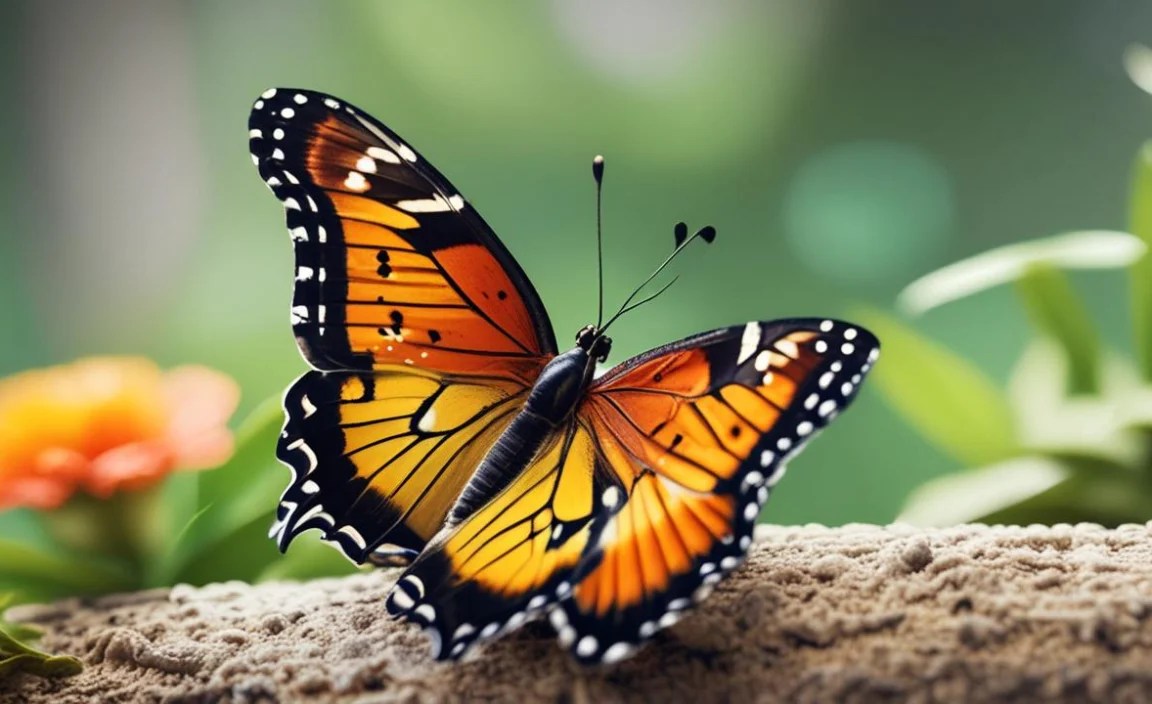
Medium-sized butterflies are commonly seen in gardens and natural areas. They represent a wide variety of species with diverse colors and patterns.
Examples of Medium-Sized Butterflies
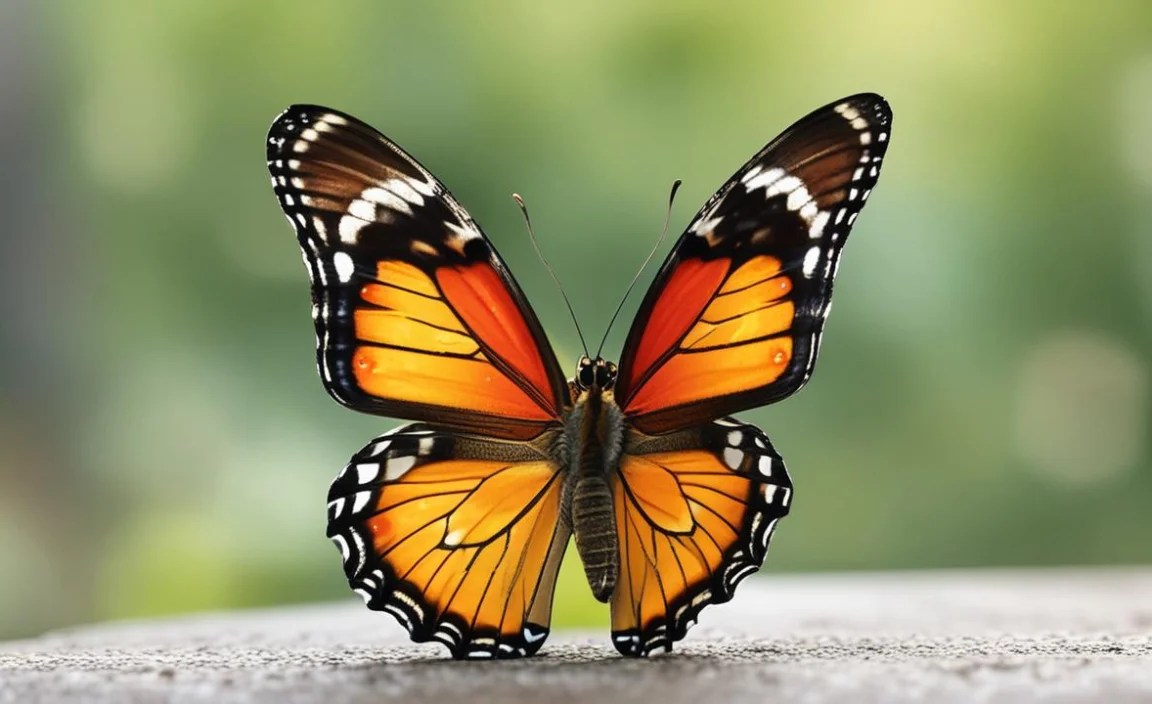
- Monarch (Danaus plexippus): Perhaps one of the most recognizable butterflies, the Monarch has a wingspan of 3.5 to 4 inches. Known for its incredible migration, the Monarch travels thousands of miles each year. You can learn more about Monarch migration patterns from organizations like the World Wildlife Fund.
- Swallowtail (Papilio spp.): This group includes many species, such as the Eastern Tiger Swallowtail and the Black Swallowtail. Their wingspans typically range from 2.5 to 5.5 inches, depending on the species.
- Painted Lady (Vanessa cardui): A widespread butterfly found on almost every continent, the Painted Lady has a wingspan of 2 to 2.9 inches. It is known for its migratory behavior and adaptability.
Large Butterfly Species
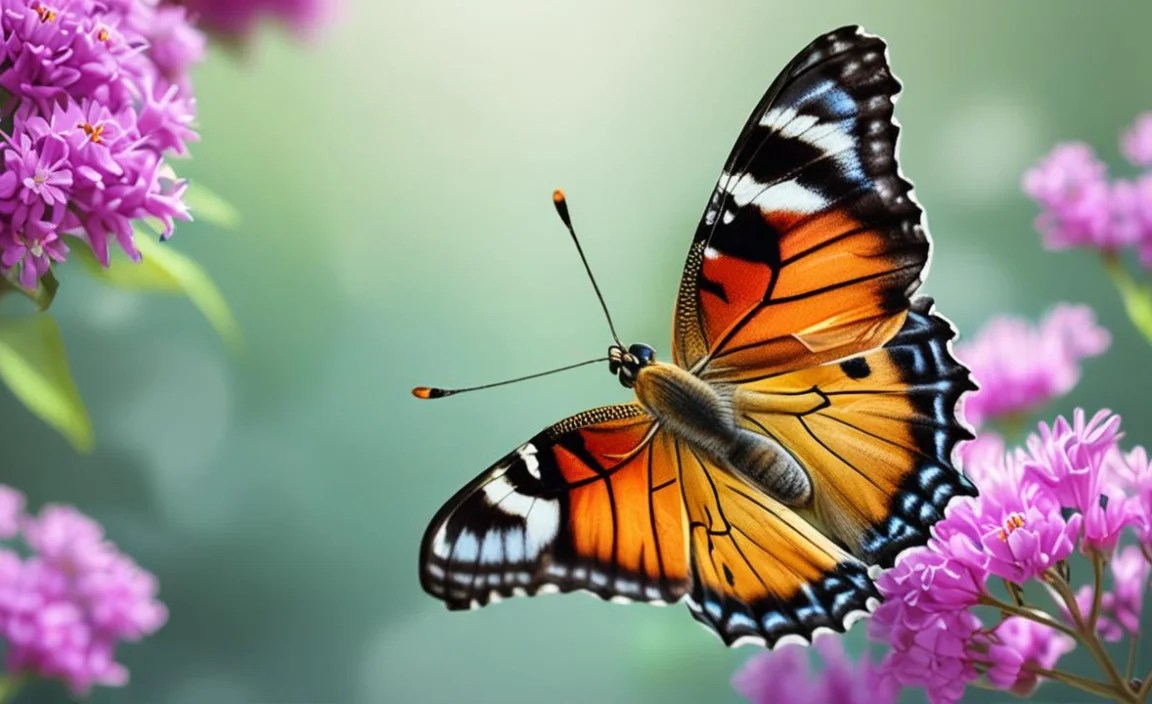
Large butterflies are truly impressive insects. Their size and vibrant colors make them a sight to behold.
Examples of Large Butterflies
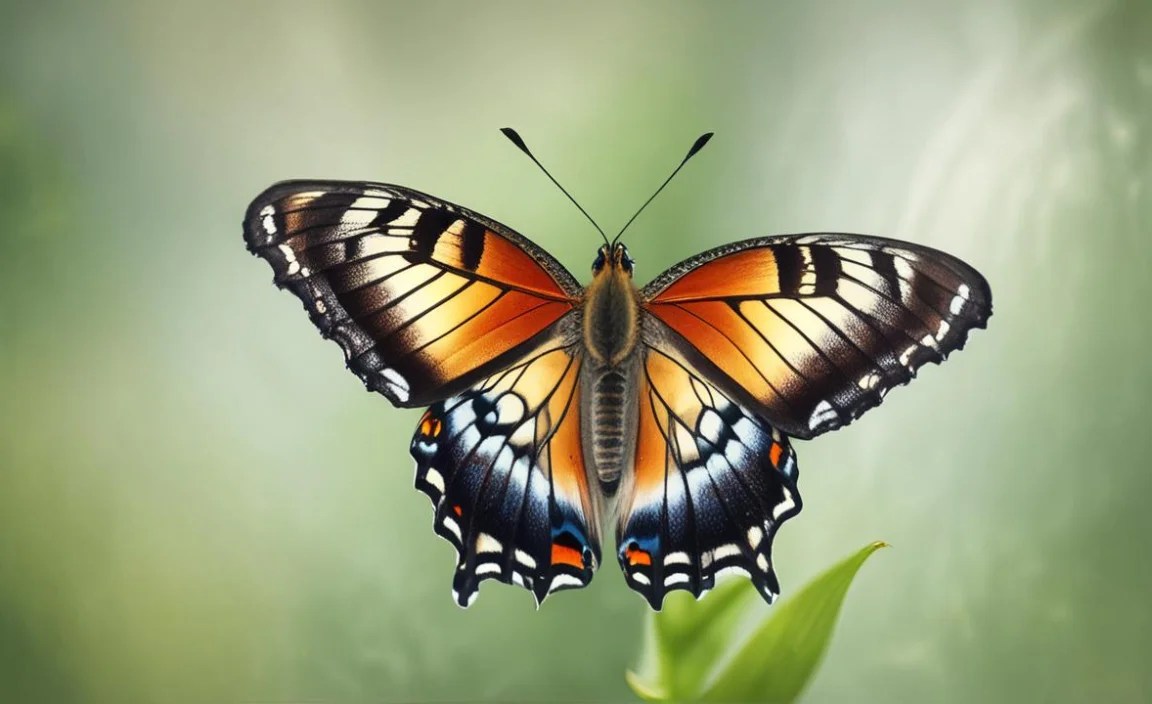
- Queen Alexandra’s Birdwing (Ornithoptera alexandrae): The largest butterfly in the world, with females reaching a wingspan of up to 11.8 inches. This endangered species is found only in a small area of Papua New Guinea.
- Goliath Birdwing (Ornithoptera goliath): Another impressive birdwing butterfly, with a wingspan of up to 11 inches. It is found in the rainforests of New Guinea and surrounding islands.
- Giant Swallowtail (Papilio cresphontes): North America’s largest swallowtail, with a wingspan of 4 to 7 inches. It is found throughout the eastern and southern United States.
Butterfly Size Comparison Table
Here’s a table summarizing the wingspans of some of the butterfly species we’ve discussed:
| Species | Wingspan (inches) |
|---|---|
| Western Pygmy Blue | 0.5 – 0.75 |
| Eastern Pygmy Blue | 0.5 – 0.8 |
| Little Blue | 0.8 – 1.1 |
| Monarch | 3.5 – 4 |
| Swallowtail (various species) | 2.5 – 5.5 |
| Painted Lady | 2 – 2.9 |
| Giant Swallowtail | 4 – 7 |
| Goliath Birdwing | Up to 11 |
| Queen Alexandra’s Birdwing | Up to 11.8 |
Measuring Butterfly Wingspan
Measuring a butterfly’s wingspan is a straightforward process. Here’s how to do it:
- Find a Specimen: You’ll need a dead butterfly specimen for accurate measurement. Butterflies found deceased can be used for educational purposes.
- Prepare the Butterfly: Gently spread the butterfly’s wings so they are flat and symmetrical. You can use pins to hold them in place on a spreading board.
- Measure: Use a ruler or caliper to measure the distance from the tip of one forewing to the tip of the other forewing. This measurement is the wingspan.
- Record: Note the measurement in inches or millimeters for identification purposes.
The Role of Size in Butterfly Identification

Size is an important clue when identifying butterfly species. When combined with other characteristics like color, pattern, and habitat, it can help narrow down the possibilities. Field guides and online resources often provide size ranges for different species to aid in identification.
Butterfly identification often relies on a combination of factors. Here are several key characteristics to observe:
- Color and Pattern: Note the colors and patterns on both the upper and lower sides of the wings.
- Size: Estimate or measure the wingspan to help narrow down the possibilities.
- Shape: Observe the shape of the wings and body.
- Habitat: Consider the type of environment where you found the butterfly.
- Behavior: Take note of the butterfly’s flight patterns and feeding habits.
Websites like Butterflies and Moths of North America are great resources for identification.
Conservation Implications
Understanding butterfly sizes and their ecological roles is crucial for conservation efforts. Habitat loss, pesticide use, and climate change can all impact butterfly populations. Larger butterflies, in particular, may require larger habitats to support their needs.
Here are some ways you can help protect butterflies:
- Plant Native Flowers: Provide nectar sources for adult butterflies and host plants for caterpillars.
- Avoid Pesticides: Pesticides can harm or kill butterflies and other beneficial insects.
- Create a Butterfly Garden: Design a garden specifically to attract and support butterflies.
- Support Conservation Organizations: Donate to or volunteer with organizations working to protect butterfly habitats.
Organizations like the Xerces Society offer valuable resources and guidance on butterfly conservation.
FAQ About Butterfly Sizes
Here are some frequently asked questions about butterfly sizes:
What is the average size of a butterfly?

There isn’t a single “average” size, as butterfly sizes vary greatly by species. Most butterflies fall within the 2- to 4-inch wingspan range, but some are much smaller or larger.
What is the smallest butterfly in the world?

The Western Pygmy Blue (Brephidium exilis) is often considered the smallest butterfly in the world, with a wingspan of only 0.5 to 0.75 inches.
What is the largest butterfly in the world?

The Queen Alexandra’s Birdwing (Ornithoptera alexandrae) is the largest butterfly, with females having a wingspan of up to 11.8 inches.
Does the size of a butterfly affect its flight?

Yes, size can affect flight. Larger butterflies tend to have stronger, more gliding flights, while smaller butterflies often have quicker, more erratic flights.
How can I attract large butterflies to my garden?

To attract large butterflies, plant a variety of nectar-rich flowers that they prefer, such as milkweed, butterfly bush, and zinnias. Also, provide host plants for their caterpillars.
Do male and female butterflies of the same species have different sizes?

In many butterfly species, females are larger than males. This is often because females need more resources for egg production.
Why is it important to know the size of different butterfly species?

Knowing the size of different butterfly species is important for identification, understanding their ecological roles, and implementing effective conservation strategies.
Conclusion
The world of butterflies is a tapestry of sizes, colors, and behaviors. From the tiny Western Pygmy Blue to the enormous Queen Alexandra’s Birdwing, each species plays a unique role in its ecosystem. By understanding the factors that influence butterfly size and the importance of size in identification, we can better appreciate and protect these incredible creatures. Whether you are a seasoned naturalist or a curious beginner, I hope this guide has inspired you to look more closely at the butterflies around you and to take action to support their conservation. Every butterfly, no matter its size, contributes to the beauty and health of our planet, and every effort to protect them makes a difference.


