
How to Identify Duskywing Butterflies: Easy Guide

Have you ever seen a small, brown butterfly? It might be a duskywing! These butterflies can be tricky to tell apart. Many look similar. It is important to learn how to identify duskywing butterflies. Once you know what to look for, it’s easier. You can impress your friends with your butterfly knowledge.
Duskywings are fast fliers. They often perch with their wings open. Spotting them takes a keen eye. Are you ready to learn more? Let’s discover some cool facts about these amazing insects.
Key Takeaways
- Learning how to identify duskywing butterflies involves observing key wing patterns.
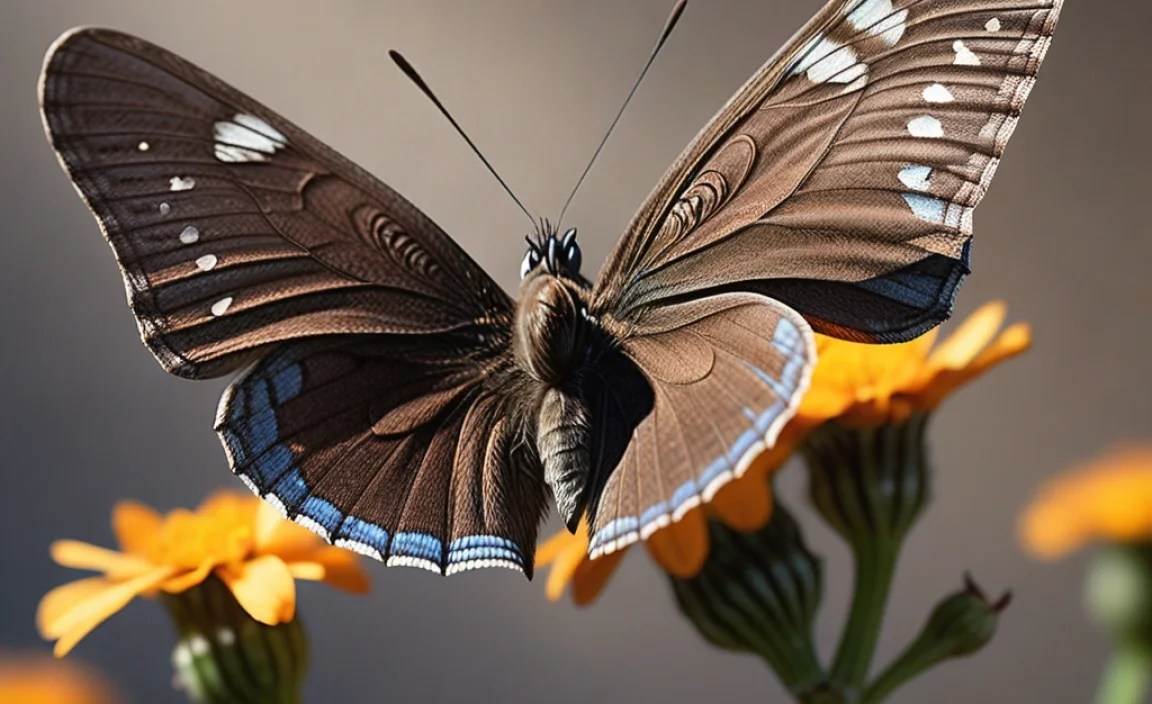
- Duskywings often have small white spots on their dark brown wings.
- Pay attention to the butterfly’s size and how it holds its wings.
- Look for the specific habitat where you find the butterfly species.
- Check the underside of the wings for unique markings and colors.
How to Identify Duskywing Butterflies: Basics

Identifying duskywing butterflies can be fun. It can also be a bit challenging. Many duskywings look alike. They are usually brown or dark gray. Some have small white spots. Others have different wing shapes. Knowing how to identify duskywing butterflies starts with understanding their basic features. Look at the size of the butterfly. Duskywings are generally small to medium-sized. Check the color of the wings. Most are brown, but some can be darker. Observe the wing patterns carefully. Are there any spots or lines? These details can help you tell them apart. Also, pay attention to where you find the butterfly. Different species live in different places. All these clues together will help you identify duskywings.
- Duskywings are usually small to medium size.
- Most duskywings have brown or gray wings.
- Some duskywings have white spots.
- Location can help identify the species.
- Wing patterns are important clues.
When you are first learning about duskywings, start with common species. Learn what they look like in your area. Use a field guide to help you. Field guides have pictures and descriptions. They can show you what to look for. Practice identifying duskywings in your backyard or local park. The more you observe, the better you will become. Remember, it takes time and patience. Don’t get discouraged if you make mistakes. Even experts sometimes have trouble. Just keep learning and exploring. Soon, you will be a duskywing expert too.
What Wing Shape Helps Identification?
Have you ever noticed how butterflies hold their wings? Some hold them straight up. Others hold them open flat. The wing shape and how they hold them can tell you a lot. Duskywings often hold their wings open a bit. Their forewings are usually more pointed than rounded. The hindwings can be more rounded. Look closely at the edges of the wings. Are they smooth or jagged? Some duskywings have little tails on their hindwings. These tails are like tiny points. Pay attention to these details. They can help you figure out which duskywing you are seeing. Wing shape is a key part of learning how to identify duskywing butterflies.
Why is Size Important for Duskywings?
Imagine you are comparing two toy cars. One is big, and one is small. Size helps you know they are different. The same is true for duskywings. Some species are smaller than others. For example, the Juvenal’s Duskywing is larger than the Horace’s Duskywing. Knowing the typical size range helps you narrow down the possibilities. Use a ruler to measure the wingspan if you can. Be very gentle, so you don’t hurt the butterfly. Remember, size is just one clue. You need to look at other features too. But it is a helpful part of how to identify duskywing butterflies.
Where Do Duskywings Usually Live?
Think of animals that live in different places. Polar bears live in the Arctic. Camels live in the desert. Butterflies also have favorite places. Some duskywings like forests. Others prefer open fields. Some live near streams or ponds. The place where you find a duskywing can help you identify it. For example, the Wild Indigo Duskywing likes places with wild indigo plants. These plants are its favorite food. Knowing the habitat is like having a secret code. It helps you unlock the mystery of how to identify duskywing butterflies. Always be aware of your surroundings when looking for butterflies.
Fun Fact or Stat: Duskywing butterflies belong to the skipper family, known for their rapid, skipping flight patterns!
Examining Wing Patterns: Duskywing Details

Wing patterns are like fingerprints for butterflies. Each species has its own unique design. Duskywings can have spots, lines, and bands on their wings. These markings can be very small and hard to see. Use a magnifying glass to get a better look. Some duskywings have white spots on the forewings. The number and arrangement of these spots can vary. Some have dark bands across the wings. Others have lighter areas near the edges. Pay close attention to the underside of the wings too. The patterns there can be different from the top side. Learning to recognize these patterns is key to how to identify duskywing butterflies. Take your time and compare what you see to pictures in a field guide.
- Use a magnifying glass to see details.
- Look for spots, lines, and bands.
- Check both sides of the wings.
- Compare patterns to field guide pictures.
- Note the number and arrangement of spots.
One of the best ways to learn about wing patterns is to practice. Go outside and look at different butterflies. Try to identify them using a field guide. Pay attention to the details of the wing patterns. Draw pictures of what you see. This will help you remember the different patterns. You can also join a butterfly club or group. Other butterfly enthusiasts can share their knowledge. They can help you learn new things. Remember, identifying butterflies is a skill. It takes time and practice to develop. But it is a fun and rewarding hobby.
What Do White Spots Tell You?
Imagine you are looking at a map. White spots on a duskywing’s wings are like landmarks. They help you know where you are. Some duskywings have many white spots. Others have only a few. The size and shape of the spots can also be different. For example, the Horace’s Duskywing has small, distinct white spots. The Juvenal’s Duskywing has larger, less defined spots. So, when you see white spots, pay attention. Note their size, number, and location. These details are important clues. They help you solve the puzzle of how to identify duskywing butterflies. Always use your detective skills!
Are There Other Colors Besides Brown?
Think about a box of crayons. It has many different colors. Duskywings are mostly brown. But they can have other colors too. Some have a reddish-brown tint. Others have a grayish-brown color. The underside of the wings can be different. Some have orange or yellow markings. These colors might be faint. But they can still help you identify the butterfly. Look closely at the colors. Use a good light source to see them clearly. Don’t just focus on brown. The other colors are important too. They are part of how to identify duskywing butterflies. Keep your eyes open for all the shades.
How Do Lines and Bands Help?
Think of lines and bands as roads on a map. They guide you to the right place. Duskywings can have lines or bands on their wings. These markings can be straight or curved. They can be dark or light. Some duskywings have a dark band across the forewing. Others have thin lines near the edge of the hindwing. The shape and location of these lines and bands can vary. They are important clues for identifying duskywings. Pay attention to these details. Compare them to pictures in a field guide. Lines and bands are a key part of how to identify duskywing butterflies. So, follow the road to find the right answer.
Fun Fact or Stat: Some duskywing species can be identified by the presence or absence of a “hyaline” spot, a clear, glassy spot on the forewing!
Duskywing Habitat and Location Factors
Where you find a butterfly can be a big clue. Different duskywings live in different places. Some like forests. Others prefer open fields. Some live near rivers or lakes. The Wild Indigo Duskywing likes places with wild indigo plants. The Horace’s Duskywing is often found in wooded areas. Knowing the habitat can help you narrow down the choices. If you see a duskywing in a forest, it’s less likely to be a species that lives in open fields. Use your location as a guide. Combine it with other clues like wing patterns and size. This will help you figure out how to identify duskywing butterflies. Always pay attention to your surroundings.
- Forests are home to some species.
- Open fields attract other species.
- Rivers and lakes can be habitats.
- Specific plants attract specific species.
- Location narrows down the possibilities.
To learn more about duskywing habitats, visit local parks and nature centers. Talk to park rangers or naturalists. They can tell you about the different habitats in your area. They can also show you where to find duskywings. Join a local butterfly walk. These walks are led by experts who can help you identify butterflies. They can also teach you about their habitats. Remember, learning about habitats is just as important as learning about wing patterns. Both are essential for how to identify duskywing butterflies. So, explore your surroundings and discover the amazing world of duskywings.
What Plants Attract Duskywings?
Imagine you are inviting friends to a party. You need to offer them food they like. Duskywings are the same way. They are attracted to certain plants. These plants provide food for the caterpillars. They also provide nectar for the adult butterflies. The Wild Indigo Duskywing loves wild indigo plants. The Hoary Edge Duskywing likes legumes. Knowing which plants attract duskywings can help you find them. Look for these plants in your area. Check them for duskywings. This is a great way to learn how to identify duskywing butterflies. It’s like setting a trap, but with plants!
Do Duskywings Migrate Like Birds?
Think about birds flying south for the winter. Some butterflies also migrate. They travel long distances to find warmer weather. Duskywings do not usually migrate. They stay in the same area year-round. This means you can find them in the same places during different seasons. But their numbers might change. Some duskywings are more common in the spring. Others are more common in the summer. Knowing when they are most active can help you find them. So, while they don’t migrate, their presence can vary. This is another clue for how to identify duskywing butterflies. Watch for seasonal changes.
How Does Climate Affect Duskywings?
Imagine you are wearing a coat in the winter. Climate affects all living things. Duskywings are no different. They need certain temperatures to survive. They also need enough rainfall. Different duskywings can live in different climates. Some like warm, sunny places. Others prefer cooler, wetter areas. Knowing the climate in your area can help you narrow down the possibilities. If you live in a cold climate, you won’t find duskywings that like warm weather. So, consider the climate when learning how to identify duskywing butterflies. It’s like putting the pieces of a puzzle together.
Fun Fact or Stat: Duskywing butterflies are often found near their host plants, the plants their caterpillars feed on!
Comparing Similar Duskywing Species
Sometimes, duskywings can look very similar. This can make it hard to tell them apart. You need to pay close attention to the details. Look at the wing patterns. Check the size and shape of the spots. Observe the color of the wings. Compare the different species side by side. Use a field guide to help you. Some common duskywings that look alike are the Horace’s Duskywing and the Juvenal’s Duskywing. The Horace’s Duskywing is smaller and has more distinct white spots. The Juvenal’s Duskywing is larger and has less defined spots. Knowing these differences is important for how to identify duskywing butterflies. Don’t give up if it’s hard at first. Practice makes perfect.
- Compare wing patterns carefully.
- Check the size and shape of spots.
- Observe the wing color.
- Use a field guide for comparison.
- Practice identifying similar species.
One way to improve your identification skills is to create a comparison chart. List the different duskywing species in your area. Note their key features, such as size, wing patterns, and habitat. Use pictures to help you remember. You can also join a butterfly identification workshop. These workshops teach you how to compare similar species. They also give you hands-on practice. Remember, the key is to be patient and observant. The more you practice, the better you will become at how to identify duskywing butterflies. So, keep exploring and comparing, and you will soon be an expert.
Horace’s vs. Juvenal’s: What’s the Difference?
Imagine you are comparing two different kinds of apples. They might look similar, but they have different tastes and textures. The same is true for Horace’s Duskywing and Juvenal’s Duskywing. They look alike, but they have key differences. Horace’s Duskywing is smaller. It has more distinct white spots. Juvenal’s Duskywing is larger. It has less defined white spots. Also, Horace’s Duskywing often has a darker ground color. Juvenal’s Duskywing is usually a lighter brown. These differences are important. They help you tell them apart. This is a key part of how to identify duskywing butterflies. So, compare them carefully.
What About Mottled Duskywing?
Think about a piece of art with lots of different colors and patterns. The Mottled Duskywing is like that. It has a complex pattern on its wings. This pattern can vary a lot. Some Mottled Duskywings have dark, bold markings. Others have faint, subtle markings. The overall color is usually brown. But it can range from light to dark. The Mottled Duskywing can be hard to identify because of its variable pattern. But that’s also what makes it unique. Look closely at the markings. Compare them to pictures in a field guide. This will help you learn how to identify duskywing butterflies. Even the tricky ones!
Is There a Duskywing Identification Table?
Tables are great for organizing information. They help you compare things easily. Here is a table to help you identify common duskywing butterflies. Use this table as a guide. Remember to look at other features too. The table can help you narrow down the choices. It’s like having a cheat sheet. But you still need to do your homework. Practice observing the butterflies. Compare them to the descriptions in the table. This is how you learn how to identify duskywing butterflies. So, use the table wisely!
| Species | Size | Wing Pattern | Habitat |
|---|---|---|---|
| Horace’s Duskywing | Small | Distinct white spots | Wooded areas |
| Juvenal’s Duskywing | Medium | Less defined spots | Forest edges |
| Wild Indigo Duskywing | Small | Faint white spots | Wild indigo plants |
| Mottled Duskywing | Medium | Variable, complex | Open woodlands |
Fun Fact or Stat: Some duskywing species have subtle differences in their genitalia, but these are not visible without a microscope!
Using a Field Guide for Duskywing IDs
A field guide is like a treasure map for butterfly hunters. It has pictures and descriptions of different butterflies. It tells you what to look for. It helps you identify the butterflies you see. A good field guide is essential for how to identify duskywing butterflies. Look for a field guide that covers your area. It should have clear pictures of the different species. It should also have descriptions of their habitats and behaviors. Learn how to use the field guide effectively. Start by looking at the pictures. Then, read the descriptions carefully. Compare the pictures and descriptions to the butterflies you see. Don’t be afraid to ask for help from experienced butterfly watchers.
- Choose a field guide for your area.
- Look for clear pictures.
- Read the descriptions carefully.
- Compare to butterflies you see.
- Ask for help from experts.
When you are using a field guide, pay attention to the details. Note the size, color, and wing patterns of the butterfly. Look at the habitat where you found it. Compare these details to the information in the field guide. If you are not sure, take a picture of the butterfly. Then, compare the picture to the pictures in the field guide. You can also post the picture on a butterfly identification website. Experts can help you identify the butterfly. Remember, identifying butterflies is a learning process. It takes time and practice. But with a good field guide and some patience, you can become an expert at how to identify duskywing butterflies.
What Features Should the Guide Have?
Imagine you are buying a new backpack. You want it to have certain features. It should be durable. It should have enough pockets. It should be comfortable to carry. A field guide is the same way. It should have certain features. It should have clear pictures. It should have accurate descriptions. It should be easy to use. Look for a field guide that is organized well. The species should be grouped by family or genus. The index should be easy to find. The guide should also be lightweight and portable. This will make it easier to carry with you in the field. These features are important for how to identify duskywing butterflies. So, choose your guide wisely.
How Do I Use Pictures Effectively?
Think about looking at a photo album. Pictures can help you remember things. They can also help you identify things. Pictures in a field guide are the same way. They show you what the butterflies look like. Look at the pictures carefully. Note the colors and patterns. Compare the pictures to the butterflies you see. Pay attention to the details. The pictures can help you confirm your identification. But don’t rely on pictures alone. Read the descriptions too. The descriptions provide important information. Use the pictures and descriptions together. This is how you learn how to identify duskywing butterflies. It’s like having a visual aid.
Are Online Guides Reliable?
Imagine you are looking up information on the internet. Some websites are reliable. Others are not. The same is true for online butterfly guides. Some are accurate and helpful. Others are not. Use online guides with caution. Check the source of the information. Is it a reputable website? Does it have accurate pictures and descriptions? Compare the information to other sources. If you are not sure, ask an expert. Online guides can be useful. But they are not always reliable. Be careful when using them. This is important for how to identify duskywing butterflies. Always double-check your information.
Fun Fact or Stat: Field guides often include range maps that show where each species is likely to be found!
Observing Duskywing Behavior and Flight
Butterflies are not just pretty to look at. They also have interesting behaviors. They fly in different ways. They perch in different places. They feed on different plants. Observing these behaviors can help you identify them. Duskywings are known for their fast, skipping flight. They often perch with their wings open. They are active during the day. They feed on nectar from flowers. Pay attention to these behaviors. Note how the butterfly flies. Where does it perch? What flowers does it visit? These clues can help you learn how to identify duskywing butterflies. It’s like watching a play and figuring out the characters.
- Duskywings have a fast, skipping flight.
- They often perch with wings open.
- They are active during the day.
- They feed on nectar from flowers.
- Observe their behavior carefully.
To learn more about butterfly behavior, spend time in your garden or local park. Watch the butterflies closely. Take notes on what you see. Read books and articles about butterfly behavior. Talk to experienced butterfly watchers. They can share their insights. Remember, learning about behavior is just as important as learning about wing patterns. Both are essential for how to identify duskywing butterflies. So, observe carefully and learn about the fascinating world of butterfly behavior.
How Do They Perch?
Think about how you sit in a chair. You can sit up straight or slouch. Butterflies also have different ways of perching. Duskywings often perch with their wings open. This is a good way to tell them apart from other butterflies. Some butterflies always hold their wings closed. Others hold them open. Duskywings usually hold their wings open a bit. They might also hold them flat. Pay attention to how they perch. This can help you identify them. It’s like recognizing someone by their posture. This is a key part of how to identify duskywing butterflies. So, watch how they sit.
What Does “Skipping Flight” Mean?
Imagine you are skipping down the street. You move quickly and lightly. Duskywings fly in a similar way. They have a fast, erratic flight. They seem to skip through the air. This is because they flap their wings very quickly. Their flight is different from other butterflies. Some butterflies glide smoothly. Others flutter slowly. Duskywings are fast and jerky. This “skipping flight” is a key characteristic. It helps you identify them. So, watch how they move. This is important for how to identify duskywing butterflies. Follow their skipping flight.
Do They Visit Specific Flowers?
Think about your favorite food. You probably eat it often. Butterflies also have favorite flowers. They visit these flowers to drink nectar. Duskywings are not very picky. They will visit many different kinds of flowers. But some flowers are more attractive to them. These include asters, clovers, and milkweeds. If you see a duskywing on one of these flowers, it’s a good clue. It can help you identify it. But remember, they might visit other flowers too. So, don’t rely on this clue alone. Use it with other clues. This is how you learn how to identify duskywing butterflies. Watch what they eat.
Fun Fact or Stat: The flight speed of a duskywing butterfly can reach up to 12 miles per hour!
Tools and Resources for Duskywing ID
Identifying duskywings can be easier with the right tools. A good field guide is essential. A magnifying glass can help you see small details. A camera can help you take pictures. There are also many online resources. Websites and apps can help you identify butterflies. These tools and resources can make learning how to identify duskywing butterflies more fun and effective. Use them to your advantage. Start with a good field guide. Then, explore the other resources. You will be amazed at how much you can learn.
- Use a good field guide.
- Use a magnifying glass.
- Take pictures with a camera.
- Explore online resources.
- Use apps to identify butterflies.
When choosing tools and resources, consider your needs and preferences. If you like to be outdoors, a field guide and magnifying glass are great. If you prefer to learn online, websites and apps are helpful. Experiment with different tools and resources. Find what works best for you. Remember, the goal is to learn how to identify duskywing butterflies. Use whatever helps you achieve that goal. So, gather your tools and resources. Start exploring the fascinating world of duskywings.
What Magnification Is Best?
Imagine you are looking at a tiny object. You need a magnifying glass to see it clearly. The same is true for butterfly wings. A magnifying glass can help you see the small details. But what magnification is best? Too much magnification can make the image blurry. Too little magnification might not show enough detail. A 5x or 10x magnifying glass is usually a good choice. It provides enough magnification without being too strong. Experiment with different magnifications. Find what works best for your eyes. This is important for how to identify duskywing butterflies. See the details clearly.
Are Butterfly Apps Accurate?
Think about using a map on your phone. It can help you find your way. But it’s not always perfect. Butterfly apps are the same way. They can help you identify butterflies. But they are not always accurate. Some apps use image recognition. They compare your picture to pictures in a database. Other apps ask you questions. They use your answers to identify the butterfly. These apps can be helpful. But they can also make mistakes. Always double-check the identification. Compare it to a field guide. Ask an expert if you are not sure. This is important for how to identify duskywing butterflies. Use apps with caution.
Where Can I Find Local Experts?
Imagine you need help with a problem. You might ask an expert. The same is true for butterfly identification. Local experts can help you learn. They can share their knowledge. They can answer your questions. Where can you find them? Check with local nature centers. They often have experts on staff. Join a butterfly club. These clubs often have experienced members. Attend a butterfly walk. The leaders are usually experts. These are great ways to find local experts. They can help you learn how to identify duskywing butterflies. Ask for help when you need it.
Fun Fact or Stat: Citizen science projects, like butterfly surveys, are a great way to contribute to research and learn from experts!
Summary
Learning how to identify duskywing butterflies is a fun and rewarding experience. It involves observing key features such as wing patterns, size, and habitat. Wing patterns are like fingerprints. They help you tell different species apart. The location where you find a duskywing can also be a clue. Some species prefer forests, while others prefer open fields. Using a field guide is essential. It provides pictures and descriptions of different species. Observing their behavior and flight patterns can also help. Duskywings have a fast, skipping flight and often perch with their wings open.
There are many tools and resources available. A magnifying glass can help you see small details. Online resources and apps can also be helpful. Remember to compare similar species carefully. Horace’s Duskywing and Juvenal’s Duskywing look alike. But they have key differences. The Horace’s Duskywing is smaller and has more distinct white spots. With practice and patience, you can become an expert at identifying duskywing butterflies.
Conclusion
Identifying duskywing butterflies can be challenging at first. They often look very similar to each other. By paying close attention to details, you can learn to tell them apart. Wing patterns, size, habitat, and behavior all play a role. Use a field guide, magnifying glass, and other resources to help you. Practice observing butterflies in your backyard or local park. The more you observe, the better you will become. Learning how to identify duskywing butterflies opens up a fascinating world. You will see nature in a new and exciting way.
Frequently Asked Questions
Question No 1: What is the best way to start learning how to identify duskywing butterflies?
Answer: The best way to start is by getting a good field guide. Choose one that covers your local area. Look for clear pictures and descriptions. Start with common species in your area. Learn their key features, such as wing patterns and size. Practice observing butterflies in your backyard or local park. Take your time and be patient. It takes time and practice to learn how to identify duskywing butterflies. Don’t get discouraged if you make mistakes. Just keep learning and exploring!
Question No 2: What are some common mistakes people make when trying to identify duskywings?
Answer: One common mistake is not paying close enough attention to the details. Duskywings can look very similar, so it’s important to observe carefully. Another mistake is relying too much on one feature. Use a combination of features, such as wing patterns, size, and habitat. Also, be careful when using online resources. Some websites and apps are not accurate. Always double-check the information. By avoiding these mistakes, you will improve your ability to identify duskywings. Learning how to identify duskywing butterflies requires patience and attention to detail.
Question No 3: How can I attract more duskywing butterflies to my garden?
Answer: You can attract duskywings by planting their favorite host plants. These are the plants that their caterpillars feed on. For example, the Wild Indigo Duskywing likes wild indigo plants. You can also plant nectar-rich flowers. These provide food for the adult butterflies. Choose flowers that bloom at different times of the year. This will provide a continuous source of nectar. Avoid using pesticides. They can harm butterflies and other beneficial insects. By creating a butterfly-friendly garden, you can attract more duskywings to your yard. You can then practice how to identify duskywing butterflies in your own backyard.
Question No 4: Are duskywing butterflies endangered?
Answer: Some duskywing species are rare or threatened. Habitat loss and pesticide use can impact their populations. It is important to protect their habitats. You can help by planting native plants in your garden. You can also support organizations that protect butterfly habitats. Learn about the conservation status of duskywings in your area. Take action to protect these amazing insects. Protecting their habitats helps ensure future generations can learn how to identify duskywing butterflies and enjoy their beauty.
Question No 5: What is the best time of year to see duskywing butterflies?
Answer: The best time of year depends on the species and your location. Most duskywings are active during the warmer months. Spring and summer are usually good times to see them. Check with local experts or field guides for specific information. They can tell you when different species are most active in your area. Go out on sunny days. Butterflies are more active when the weather is warm and sunny. Knowing when to look can greatly improve your chances of seeing and learning how to identify duskywing butterflies.
Question No 6: What should I do if I find a duskywing butterfly that I can’t identify?
Answer: If you find a duskywing that you can’t identify, don’t worry. Take a picture of it. Note its size, wing patterns, and habitat. Consult a field guide or online resource. Ask for help from local experts. You can post the picture on a butterfly identification website. Experts can help you identify the butterfly. Don’t be afraid to ask for help. Learning how to identify duskywing butterflies is a process. Even experts sometimes need help. The key is to keep learning and exploring.


