
Malaysia Butterfly Park: Your Ultimate Guide

Quick Summary:
Planning a trip to a Malaysia butterfly park? These vibrant havens are home to hundreds of butterfly species! To make the most of your visit, plan for at least 2-3 hours, wear bright clothing to attract butterflies, and bring your camera. Remember to walk slowly and quietly to observe these delicate creatures up close. Learn about their life cycles and conservation efforts at these beautiful parks!
Have you ever dreamt of being surrounded by hundreds of fluttering butterflies? Imagine walking through a lush garden as these colorful creatures dance around you. It’s an experience that’s both magical and educational. Many people don’t know where to start when planning a visit to a butterfly park. Don’t worry! This guide will walk you through everything you need to know to make your visit unforgettable.
What to Expect: A Journey into Malaysia’s Butterfly Parks

Malaysia is a biodiversity hotspot, and its butterfly parks are a testament to this natural wealth. These parks are carefully designed to mimic the butterflies’ natural habitats, providing the perfect conditions for them to thrive. When you visit, you’ll encounter a wide variety of butterfly species, each with its unique colors and patterns. These parks aren’t just beautiful; they also play a crucial role in conservation and education.
Why Visit a Butterfly Park?
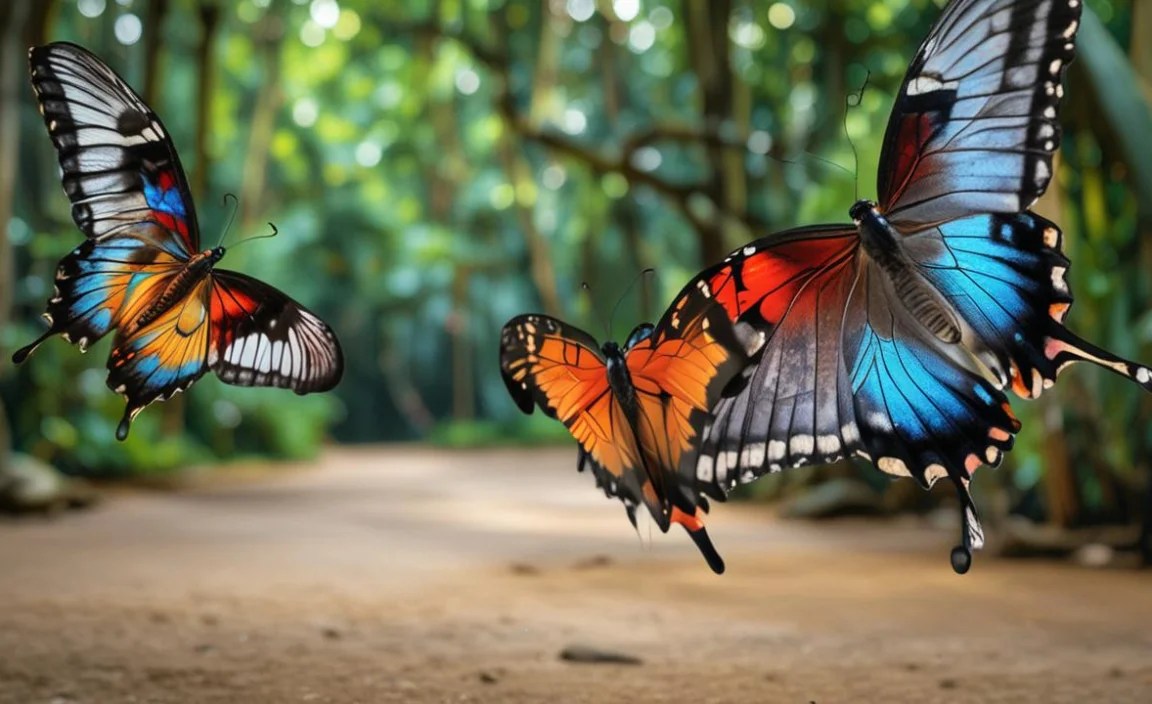
Butterfly parks offer a unique opportunity to connect with nature. They are a great place to learn about the life cycle of butterflies and the importance of conservation. Plus, they’re incredibly beautiful and offer fantastic photo opportunities! Visiting a butterfly park is an experience that appeals to all ages, making it a perfect family outing.
Step-by-Step Guide to Visiting a Malaysia Butterfly Park

Step 1: Choose Your Butterfly Park
Malaysia has several fantastic butterfly parks. Here are a few popular options:
- Kuala Lumpur Butterfly Park: Located in the heart of Kuala Lumpur, this park is one of the largest in the world, housing over 5,000 butterflies.
- Penang Butterfly Farm (Entopia): Situated in Teluk Bahang, Penang, Entopia is a beautifully landscaped sanctuary with a diverse range of butterflies and other insects.
- Cameron Highlands Butterfly Farm: A smaller, more intimate park in the cool hills of Cameron Highlands, offering a close-up experience with local butterfly species.
Step 2: Plan Your Visit
Before you go, check the park’s opening hours and admission fees. It’s also a good idea to read reviews from other visitors to get an idea of what to expect. Consider the best time of year to visit; the dry season is generally more comfortable. Also, weekday visits are often less crowded.
Step 3: Getting There
The ease of getting to the park depends on its location. If you’re in Kuala Lumpur, the Kuala Lumpur Butterfly Park is easily accessible by taxi or public transport. Entopia in Penang is a bit further from the city center, so you might consider renting a car or taking a Grab. For Cameron Highlands, buses and taxis are available from nearby towns.
Step 4: What to Wear and Bring
Comfort is key! Wear light, breathable clothing and comfortable shoes. Brightly colored clothing can attract butterflies, so consider wearing something vibrant. Don’t forget to bring:
- Camera: To capture the beauty of the butterflies.
- Water: To stay hydrated.
- Sunscreen: To protect your skin.
- Insect repellent: Although the parks are well-maintained, it’s always good to be prepared.
Step 5: Entering the Butterfly Park
Once you arrive, pay the entrance fee and grab a map of the park. Take a moment to familiarize yourself with the layout and any special exhibits or feeding times.
Step 6: Exploring the Butterfly Park
Now, the fun begins! Here are some tips for making the most of your visit:
- Walk slowly and quietly: This will help you spot more butterflies and avoid startling them.
- Observe closely: Take time to appreciate the intricate patterns and colors of each butterfly.
- Read the informational signs: Learn about the life cycle, habitat, and conservation of different species.
- Look for feeding stations: These are great places to see butterflies up close.
- Be patient: Butterflies are most active during warm, sunny days.
Step 7: Butterfly Photography Tips
Photographing butterflies can be challenging but rewarding. Here are a few tips to help you capture stunning images:
- Use a macro lens: This will allow you to capture the fine details of the butterflies.
- Shoot in natural light: Avoid using flash, as it can scare the butterflies and wash out the colors.
- Focus carefully: Use a narrow aperture to ensure that the butterfly is sharp.
- Be patient: Wait for the butterfly to land and open its wings.
- Experiment with angles: Try shooting from different perspectives to create interesting compositions.
Step 8: Learning About Butterfly Conservation
Butterfly parks play a vital role in conservation. Many parks participate in breeding programs to help increase the populations of endangered species. They also educate visitors about the importance of protecting butterfly habitats. Learn about the conservation efforts and how you can support them.
Step 9: Respecting the Environment
It’s essential to be respectful of the environment when visiting a butterfly park. Avoid touching the butterflies, as this can damage their delicate wings. Stay on the designated paths and do not disturb the plants or other wildlife. Dispose of your trash properly and follow any guidelines provided by the park.
Step 10: Enjoying the Experience
Most importantly, relax and enjoy the experience! Take in the beauty of the butterflies and the peaceful atmosphere of the park. This is a great opportunity to connect with nature and learn about these fascinating creatures.
Essential Gear for Your Butterfly Park Adventure

Having the right gear can significantly enhance your experience at a butterfly park. Here’s a list of essentials to consider:
- Comfortable Shoes: You’ll be doing a lot of walking, so comfortable shoes are a must.
- Light Clothing: Opt for breathable fabrics to stay cool in the tropical climate.
- Camera: A good camera is essential for capturing the beauty of the butterflies.
- Macro Lens: If you’re serious about butterfly photography, a macro lens is a great investment.
- Binoculars: Binoculars can help you spot butterflies that are high up in the trees.
- Water Bottle: Staying hydrated is important, especially in the humid climate.
- Sunscreen: Protect your skin from the sun’s rays.
- Insect Repellent: Although the parks are well-maintained, it’s always good to be prepared.
- Hat: A hat can provide shade and protect your face from the sun.
Butterfly Park Etiquette: Dos and Don’ts

To ensure a pleasant experience for yourself and others, it’s important to follow some basic etiquette rules when visiting a butterfly park. Here’s a list of dos and don’ts:
| Dos | Don’ts |
|---|---|
| Walk slowly and quietly. | Run or make loud noises. |
| Observe the butterflies from a distance. | Touch or handle the butterflies. |
| Stay on the designated paths. | Wander off the paths and disturb the plants. |
| Read the informational signs. | Ignore the signs and park rules. |
| Dispose of your trash properly. | Litter in the park. |
| Be respectful of other visitors. | Block pathways or disrupt others’ experience. |
| Take photos without flash. | Use flash photography, which can scare the butterflies. |
| Ask questions of the park staff. | Enter restricted areas. |
Understanding Butterfly Life Cycles
One of the most fascinating aspects of visiting a butterfly park is learning about the butterfly life cycle. Butterflies undergo a complete metamorphosis, which means they go through four distinct stages:
- Egg: Butterflies lay their eggs on specific host plants, which will serve as food for the caterpillars.
- Larva (Caterpillar): The caterpillar hatches from the egg and spends its time eating and growing.
- Pupa (Chrysalis): The caterpillar transforms into a pupa, also known as a chrysalis. Inside the chrysalis, the butterfly undergoes a remarkable transformation.
- Adult Butterfly: The adult butterfly emerges from the chrysalis, ready to reproduce and continue the cycle.
Understanding the life cycle of butterflies can deepen your appreciation for these amazing creatures. Many butterfly parks have exhibits that illustrate each stage of the life cycle, making it easy to learn.
The Significance of Butterflies in Malaysian Culture
Butterflies hold a special place in many cultures around the world, including Malaysia. They are often seen as symbols of transformation, hope, and beauty. In some cultures, butterflies are believed to represent the souls of the departed. Their delicate beauty and graceful flight have inspired countless artists, poets, and writers.
In Malaysia, butterflies are often featured in traditional art and crafts. They are also a popular motif in textiles and jewelry. The vibrant colors and patterns of butterflies reflect the rich cultural heritage of the country.
Attracting Butterflies to Your Own Garden
Inspired by your visit to a butterfly park? You can create your own butterfly-friendly garden at home! Here’s how:
- Plant Host Plants: Caterpillars need specific host plants to feed on. Research which plants are preferred by local butterfly species and include them in your garden.
- Provide Nectar Sources: Adult butterflies feed on nectar from flowers. Choose a variety of flowering plants that bloom at different times of the year to provide a continuous source of food.
- Offer a Water Source: Butterflies need water to stay hydrated. Provide a shallow dish of water with some pebbles or stones for them to land on.
- Avoid Pesticides: Pesticides can harm butterflies and other beneficial insects. Use organic gardening methods to protect your garden.
- Provide Shelter: Butterflies need shelter from the wind and rain. Plant trees and shrubs to create a protected environment.
Advanced Tips for Butterfly Enthusiasts
For those who want to take their butterfly appreciation to the next level, here are some advanced tips:
- Join a Butterfly Club: Connect with other butterfly enthusiasts and participate in field trips and educational programs.
- Volunteer at a Butterfly Park: Help with conservation efforts and learn more about butterfly biology and ecology.
- Raise Butterflies: Raise butterflies at home to observe their life cycle up close and contribute to conservation.
- Study Butterfly Identification: Learn how to identify different butterfly species by their physical characteristics and behavior.
- Travel to Butterfly Hotspots: Visit other butterfly parks and natural areas around the world to see a wider variety of species.
Conservation Efforts in Malaysia
Malaysia is home to a diverse range of butterfly species, but many of them are threatened by habitat loss, climate change, and other factors. Several organizations are working to protect butterflies and their habitats in Malaysia. These efforts include:
- Habitat Restoration: Restoring degraded habitats and creating new butterfly-friendly habitats.
- Breeding Programs: Breeding endangered butterfly species in captivity and releasing them back into the wild.
- Education and Outreach: Educating the public about the importance of butterfly conservation and promoting sustainable practices.
- Research: Conducting research to better understand butterfly biology and ecology and to develop effective conservation strategies.
You can support these efforts by donating to conservation organizations, volunteering your time, and making sustainable choices in your daily life.
Ethical Considerations When Observing Butterflies
When observing butterflies, it’s important to do so in a way that doesn’t harm them or their environment. Here are some ethical considerations to keep in mind:
- Avoid Touching Butterflies: Touching butterflies can damage their delicate wings and interfere with their ability to fly and feed.
- Stay on Designated Paths: Wandering off the paths can disturb the plants and other wildlife in the park.
- Do Not Collect Butterflies: Collecting butterflies can deplete populations and harm ecosystems.
- Respect Private Property: Obtain permission before entering private property to observe butterflies.
- Follow Park Rules: Adhere to the rules and regulations of the butterfly park.
Recommended Reading and Resources
To further expand your knowledge of butterflies, here are some recommended books and resources:
- Butterflies of Peninsular Malaysia by Steven Corbet and H.M. Pendlebury: A comprehensive guide to the butterflies of Peninsular Malaysia.
- Butterflies of the Malay Peninsula by A.S. Corbet: Another excellent resource for identifying butterflies in the region.
- The Xerces Society: A non-profit organization dedicated to the conservation of invertebrates and their habitats. Xerces Society Website
- National Geographic: Articles and resources on butterflies and other wildlife. National Geographic Website
- Smithsonian Institution: Information on butterfly biology, conservation, and research. Smithsonian Institution Website
Table: Top Malaysia Butterfly Parks: A Comparison
Here’s a comparison table to help you choose the best butterfly park for your visit:
| Park Name | Location | Highlights | Accessibility | Price Range (USD) |
|---|---|---|---|---|
| Kuala Lumpur Butterfly Park | Kuala Lumpur | Largest park, diverse species | Easily accessible by public transport | 5-10 |
| Entopia (Penang Butterfly Farm) | Penang | Beautiful landscaping, interactive exhibits | Accessible by car or Grab | 8-15 |
| Cameron Highlands Butterfly Farm | Cameron Highlands | Intimate experience, local species | Accessible by bus or taxi | 3-7 |
FAQ: Your Butterfly Park Questions Answered
What is the best time of day to visit a butterfly park?
Butterflies are most active during warm, sunny days. Aim to visit in the late morning or early afternoon for the best viewing opportunities.
What should I wear to a butterfly park?
Wear light, comfortable clothing and shoes. Brightly colored clothing can attract butterflies, so consider wearing something vibrant.
Can I bring food and drinks into the butterfly park?
Most butterfly parks do not allow outside food and drinks. Check the park’s rules before you go.
Are there restrooms and other facilities at the butterfly park?
Yes, most butterfly parks have restrooms, cafes, and souvenir shops. Check the park’s website for specific information.
Is it okay to touch the butterflies?
No, it’s not okay to touch the butterflies. Touching them can damage their delicate wings and interfere with their ability to fly and feed.
Are butterfly parks wheelchair accessible?
Accessibility varies from park to park. Check the park’s website or contact them directly to inquire about wheelchair accessibility.
What can I do to support butterfly conservation?
You can support butterfly conservation by donating to conservation organizations, volunteering your time, creating a butterfly-friendly garden, and making sustainable choices in your daily life.
Conclusion: Embrace the Beauty of Malaysia’s Butterfly Parks
Visiting a butterfly park in Malaysia is an unforgettable experience. From the vibrant colors of the butterflies to the peaceful atmosphere of the gardens, these parks offer a unique opportunity to connect with nature and learn about these fascinating creatures. By following the tips and guidelines in this guide, you can make the most of your visit and contribute to butterfly conservation. So, pack your bags, grab your camera, and get ready to be amazed by the beauty of Malaysia’s butterfly parks!


