
Butterfly Sanctuaries: Your Ultimate Guide!

Butterfly Sanctuaries: A Complete Guide
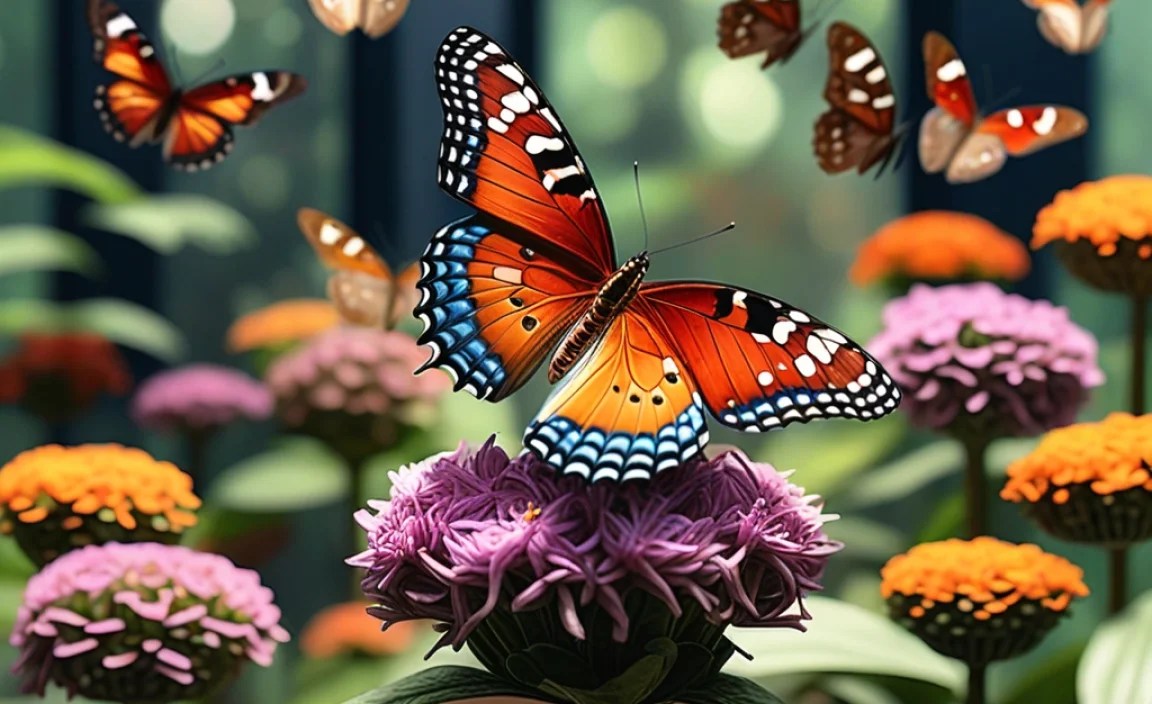
Butterfly sanctuaries are protected areas designed to conserve butterflies and their habitats. They offer a safe haven for butterflies to breed, feed, and flourish, while also educating the public about the importance of butterfly conservation. Whether you’re looking to visit one or create your own butterfly haven, understanding their purpose and how they function is key to supporting these vital pollinators.
Butterflies are more than just beautiful insects; they’re vital pollinators, indicators of environmental health, and a joy to observe. Sadly, butterfly populations are declining due to habitat loss, pesticide use, and climate change. But there’s hope! Butterfly sanctuaries play a crucial role in protecting these delicate creatures. Whether you dream of visiting a sanctuary teeming with colorful wings or creating a haven in your own backyard, you’re in the right place. This guide will walk you through everything you need to know about butterfly sanctuaries, from their importance to how you can get involved.
Frequently Asked Questions About Butterfly Sanctuaries
Here are some common questions about butterfly sanctuaries, designed to give you a quick understanding of these vital conservation areas:
- What exactly is a butterfly sanctuary?
It’s a protected area, either natural or created, that provides butterflies with everything they need to survive: food, shelter, and breeding grounds. - Why are butterfly sanctuaries important?
They help protect butterfly populations from habitat loss, pesticide use, and climate change, ensuring these vital pollinators can thrive. - Can I visit a butterfly sanctuary?
Absolutely! Many sanctuaries are open to the public, offering educational programs and the chance to witness the beauty of butterflies up close. - What can I do to help butterfly conservation?
You can support existing sanctuaries, create a butterfly garden in your yard, and advocate for policies that protect butterfly habitats. - What plants attract butterflies to a sanctuary?
Nectar-rich flowers like milkweed, butterfly bush, and zinnias are essential for feeding adult butterflies. Host plants, which caterpillars eat, are also crucial. - Are butterfly sanctuaries only for butterflies?
While butterflies are the main focus, these sanctuaries often benefit other pollinators and wildlife by providing a healthy ecosystem. - How can I create my own butterfly garden?
Choose a sunny spot, plant a variety of nectar and host plants, provide a water source, and avoid using pesticides.
Understanding Butterfly Sanctuaries
Butterfly sanctuaries come in various forms, each playing a vital role in butterfly conservation. Let’s explore the different types and their unique functions.
Types of Butterfly Sanctuaries
Butterfly sanctuaries can be broadly categorized into:
- Natural Sanctuaries: These are existing natural habitats, like forests, meadows, or wetlands, that are protected to conserve butterfly populations.
- Created Sanctuaries: These are areas specifically designed and managed to attract and support butterflies, often featuring butterfly gardens and educational facilities.
- Butterfly Houses: These are enclosed structures, often greenhouses, that create a controlled environment for butterflies to thrive, especially in regions with colder climates.
- Backyard Butterfly Gardens: These are small-scale sanctuaries created by individuals in their own yards, contributing to a network of butterfly-friendly habitats.
The Purpose of Butterfly Sanctuaries
Butterfly sanctuaries serve several crucial purposes:
- Habitat Conservation: Protecting and restoring butterfly habitats is essential for their survival. Sanctuaries provide a safe haven where butterflies can breed, feed, and find shelter.
- Species Preservation: Many butterfly species are threatened or endangered. Sanctuaries offer a refuge for these vulnerable populations, helping to prevent their extinction.
- Education and Outreach: Sanctuaries educate the public about the importance of butterflies and their role in the ecosystem, inspiring conservation action.
- Research and Monitoring: Sanctuaries provide opportunities for scientists to study butterfly populations, monitor their health, and develop effective conservation strategies.
- Tourism and Recreation: Many sanctuaries offer recreational opportunities, such as butterfly viewing, nature walks, and educational programs, attracting visitors and supporting local economies.
Key Features of a Successful Butterfly Sanctuary
A thriving butterfly sanctuary typically includes the following elements:
- Nectar Plants: A diverse selection of flowers that provide nectar, the primary food source for adult butterflies.
- Host Plants: Specific plants that butterfly caterpillars need to feed on and complete their life cycle.
- Shelter: Trees, shrubs, and other vegetation that provide protection from predators and harsh weather.
- Water Source: A shallow dish of water or a muddy area where butterflies can drink.
- Sunlight: Butterflies need sunlight to warm their bodies and fly.
- Pesticide-Free Environment: Avoiding the use of pesticides is crucial for protecting butterflies and other beneficial insects.
Creating Your Own Butterfly Sanctuary: A Step-by-Step Guide

You don’t need a large plot of land to create a butterfly sanctuary. Even a small backyard garden can make a difference. Here’s how to get started:
Step 1: Planning Your Butterfly Garden
Before you start digging, take some time to plan your butterfly garden. Consider the following factors:
- Location: Choose a sunny spot that receives at least six hours of sunlight per day.
- Size: Determine the size of your garden and how much space you can dedicate to butterfly-friendly plants.
- Soil: Most butterflies prefer well-drained soil. Amend your soil with compost or other organic matter to improve its quality.
- Butterfly Species: Research which butterfly species are native to your area and choose plants that will attract them.
- Design: Create a design that incorporates both nectar plants and host plants, as well as other features like a water source and shelter.
Step 2: Selecting the Right Plants
Choosing the right plants is crucial for attracting butterflies to your sanctuary. Here’s a guide to selecting nectar and host plants:
Nectar Plants
Nectar plants provide adult butterflies with the energy they need to fly, reproduce, and lay eggs. Choose a variety of nectar-rich flowers that bloom at different times of the year to provide a continuous food source.
Some popular nectar plants include:
- Butterfly Bush (Buddleja davidii): A classic butterfly magnet with fragrant, colorful flowers.
- Zinnias (Zinnia elegans): Easy-to-grow annuals that come in a wide range of colors.
- Lantana (Lantana camara): A heat-tolerant plant with clusters of small, vibrant flowers.
- Bee Balm (Monarda didyma): A native perennial with showy, tubular flowers that attract butterflies and hummingbirds.
- Purple Coneflower (Echinacea purpurea): A drought-tolerant perennial with daisy-like flowers that attract butterflies and other pollinators.
Host Plants
Host plants are the plants that butterfly caterpillars feed on. Without host plants, butterflies cannot complete their life cycle. Research which host plants are needed by the butterfly species you want to attract.
Some common host plants include:
- Milkweed (Asclepias spp.): The only food source for monarch butterfly caterpillars.
- Parsley, Dill, and Fennel (Petroselinum crispum, Anethum graveolens, Foeniculum vulgare): Host plants for swallowtail butterfly caterpillars.
- Spicebush (Lindera benzoin): Host plant for spicebush swallowtail caterpillars.
- Violets (Viola spp.): Host plants for fritillary butterfly caterpillars.
- Oak Trees (Quercus spp.): Host plants for various butterfly species, including the oak hairstreak.
Step 3: Planting Your Butterfly Garden
Once you’ve selected your plants, it’s time to start planting. Follow these tips for successful planting:
- Prepare the soil: Dig holes that are twice as wide as the root ball of your plants and amend the soil with compost or other organic matter.
- Plant your plants: Gently remove the plants from their containers and place them in the holes. Backfill with soil and water thoroughly.
- Mulch: Apply a layer of mulch around your plants to help retain moisture and suppress weeds.
- Water regularly: Water your plants regularly, especially during dry periods.
Step 4: Providing Water and Shelter
In addition to food and host plants, butterflies also need water and shelter. Here are some ways to provide these essential resources:
- Water Source: Place a shallow dish of water in your garden with pebbles or marbles for butterflies to land on. You can also create a muddy area by wetting a patch of soil.
- Shelter: Plant trees, shrubs, and other vegetation to provide protection from predators and harsh weather.
- Rock piles: Add some rock piles to the garden to provide shelter and basking spots for butterflies.
Step 5: Maintaining Your Butterfly Garden
Regular maintenance is essential for keeping your butterfly garden healthy and thriving. Here are some tips for maintaining your garden:
- Water regularly: Water your plants regularly, especially during dry periods.
- Weed: Remove weeds regularly to prevent them from competing with your butterfly-friendly plants.
- Fertilize: Fertilize your plants with a balanced fertilizer in the spring.
- Prune: Prune your plants as needed to keep them healthy and attractive.
- Avoid Pesticides: Never use pesticides in your butterfly garden, as they can harm or kill butterflies and other beneficial insects.
Visiting Butterfly Sanctuaries
Visiting a butterfly sanctuary is a wonderful way to experience the beauty and diversity of butterflies up close. Here’s what you need to know about planning a visit:
Finding Butterfly Sanctuaries Near You
Many butterfly sanctuaries are open to the public, offering educational programs and the chance to witness the magic of butterflies firsthand. Here are some resources for finding butterfly sanctuaries near you:
- The North American Butterfly Association (NABA): NABA maintains a list of butterfly gardens and sanctuaries across North America.
- Local Nature Centers and Botanical Gardens: Many nature centers and botanical gardens have butterfly exhibits or gardens.
- Online Search: Use online search engines to find butterfly sanctuaries in your area.
What to Expect During Your Visit
When you visit a butterfly sanctuary, you can expect to see a variety of butterflies flying freely in a natural or controlled environment. You may also have the opportunity to learn about butterfly life cycles, conservation efforts, and the importance of butterfly habitats.
Here are some tips for making the most of your visit:
- Wear Bright Colors: Butterflies are attracted to bright colors, so wear colorful clothing to increase your chances of seeing them up close.
- Bring a Camera: Capture the beauty of butterflies with your camera.
- Be Patient: Butterflies are most active on warm, sunny days. Be patient and wait for them to come to you.
- Follow the Rules: Respect the rules of the sanctuary and avoid touching or disturbing the butterflies.
- Ask Questions: Don’t hesitate to ask questions of the sanctuary staff or volunteers.
Notable Butterfly Sanctuaries Around the World
Here are a few examples of renowned butterfly sanctuaries that are worth a visit:
| Sanctuary Name | Location | Highlights |
|---|---|---|
| Monarch Butterfly Biosphere Reserve | Mexico | Overwintering site for millions of monarch butterflies |
| Butterfly World | Coconut Creek, Florida, USA | One of the largest butterfly parks in the world |
| Khao Sok National Park | Thailand | Diverse butterfly species in a lush rainforest environment |
| Stratford Butterfly Farm | Stratford-upon-Avon, UK | Tropical greenhouse with butterflies from around the world |
The Ecological Importance of Butterfly Sanctuaries
Butterfly sanctuaries are not just beautiful places; they also play a crucial role in maintaining healthy ecosystems. Here’s why they are so important:
Pollination
Butterflies are important pollinators, transferring pollen from one flower to another as they feed on nectar. This pollination is essential for the reproduction of many plants, including crops that we rely on for food. According to the US Forest Service, butterflies play a vital role in pollinating various plant species.
Food Source
Butterflies are a food source for a variety of animals, including birds, reptiles, and other insects. By providing a habitat for butterflies, sanctuaries also support these other species.
Indicator Species
Butterflies are sensitive to environmental changes, making them valuable indicator species. Their presence or absence can tell us a lot about the health of an ecosystem. Declining butterfly populations can be a warning sign of habitat loss, pollution, or climate change. The National Wildlife Federation highlights the importance of butterflies as indicators of environmental health.
Conservation of Biodiversity
Butterfly sanctuaries help to conserve biodiversity by protecting butterfly habitats and supporting a wide range of other plant and animal species. By creating a haven for butterflies, sanctuaries also contribute to the overall health and resilience of ecosystems.
Threats to Butterflies and the Role of Sanctuaries
Butterfly populations are facing numerous threats, including:
- Habitat Loss: The destruction and fragmentation of butterfly habitats due to agriculture, urbanization, and deforestation.
- Pesticide Use: The use of pesticides can directly kill butterflies and other beneficial insects, as well as contaminate their food sources.
- Climate Change: Climate change is altering butterfly habitats and disrupting their life cycles.
- Invasive Species: Invasive plants can outcompete native plants that butterflies rely on for food and shelter.
- Disease: Butterfly populations can be affected by diseases, such as the protozoan parasite Ophryocystis elektrosirrha (OE) that affects monarch butterflies.
Butterfly sanctuaries play a crucial role in mitigating these threats by:
- Protecting and Restoring Habitats: Sanctuaries provide a safe haven for butterflies and help to restore degraded habitats.
- Promoting Sustainable Practices: Sanctuaries encourage sustainable land management practices that benefit butterflies and other wildlife.
- Educating the Public: Sanctuaries educate the public about the threats facing butterflies and inspire conservation action.
- Supporting Research: Sanctuaries provide opportunities for scientists to study butterfly populations and develop effective conservation strategies.
How You Can Support Butterfly Conservation
There are many ways you can support butterfly conservation, even if you don’t have a lot of time or resources. Here are a few ideas:
- Create a Butterfly Garden: Even a small butterfly garden can make a difference. Plant nectar and host plants in your yard to attract butterflies and provide them with food and shelter.
- Avoid Pesticides: Never use pesticides in your yard or garden, as they can harm or kill butterflies and other beneficial insects.
- Support Butterfly Sanctuaries: Donate to or volunteer at a local butterfly sanctuary.
- Educate Others: Share your knowledge about butterflies and their importance with others.
- Advocate for Conservation: Contact your elected officials and urge them to support policies that protect butterfly habitats.
- Participate in Citizen Science Projects: Contribute to butterfly monitoring programs by reporting your butterfly sightings. The Ohio Butterfly Survey on Zooniverse is a great example of a citizen science project that helps track butterfly populations.
Conclusion
Butterfly sanctuaries are vital for the conservation of these beautiful and important insects. Whether you visit a sanctuary, create a butterfly garden in your backyard, or simply educate others about the importance of butterflies, you can play a role in protecting these delicate creatures. By understanding the threats they face and taking action to support their conservation, we can ensure that future generations will be able to enjoy the beauty and wonder of butterflies.


