Lime Butterfly Identification: Your Easy Guide

Identifying a Lime butterfly involves looking for its distinctive features: a wingspan of 50-80mm, black and white spotted body, and scalloped wing edges. The upperside of its wings are usually pale greenish-yellow with black markings, while the underside is paler. Found in gardens and citrus orchards across Asia and Australia, they feed on citrus leaves.
Have you ever spotted a beautiful butterfly flitting around your garden, especially near your citrus trees, and wondered if it was a Lime butterfly? Identifying butterflies can be tricky, but it’s also incredibly rewarding. Many people struggle to tell different species apart, leading to confusion and missed opportunities to appreciate these wonderful insects.
This guide will walk you through the key characteristics that set the Lime butterfly apart from other species. By the end, you’ll be able to confidently identify this lovely butterfly and understand more about its life and habitat. Let’s get started and discover the fascinating world of the Lime butterfly together!
What is a Lime Butterfly?
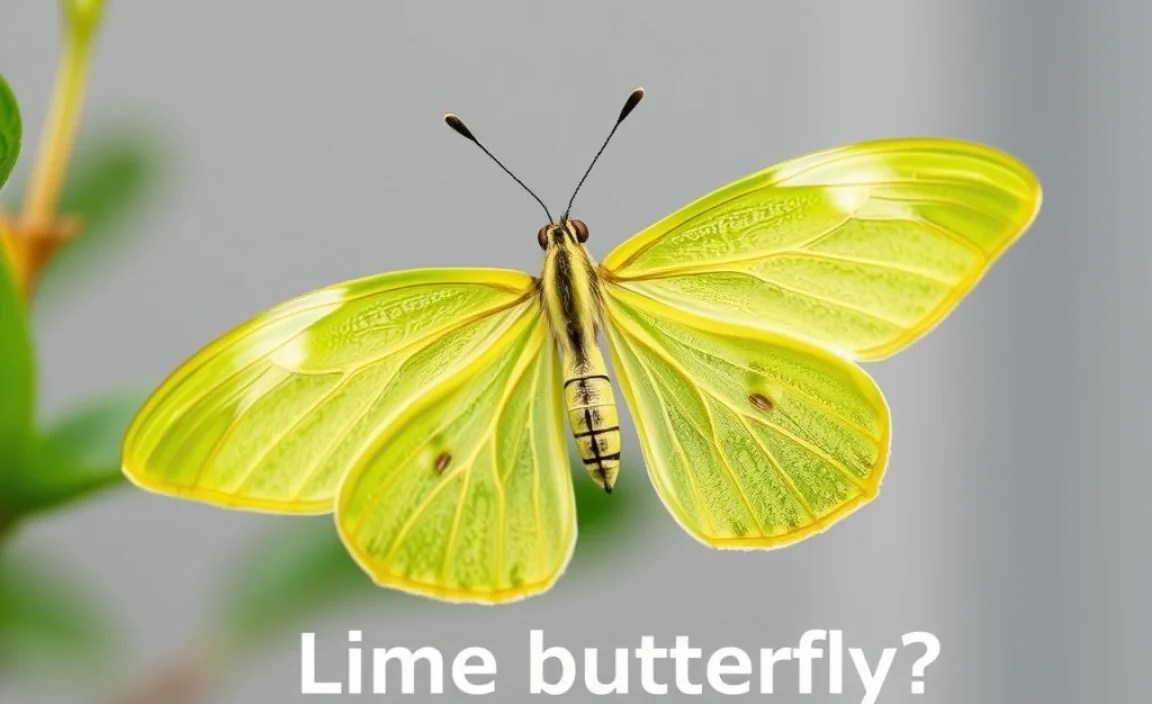
The Lime butterfly, scientifically known as Papilio demoleus, is a common and widespread swallowtail butterfly. It’s found across Asia, Australia, and parts of the Middle East. Known for its preference for citrus plants, the Lime butterfly plays a significant role in both natural ecosystems and agricultural settings.
As a member of the swallowtail family (Papilionidae), the Lime butterfly shares characteristics with other swallowtails, such as distinctive wing shapes and vibrant colors. However, its specific markings and behaviors set it apart.
Why is Correct Identification Important?
Identifying the Lime butterfly correctly is important for several reasons:
- Ecological Understanding: Knowing the species helps you understand its role in the ecosystem, including its interactions with host plants and other insects.
- Gardening Practices: Correct identification allows gardeners to manage these butterflies in their gardens, especially since the caterpillars can feed on citrus leaves.
- Conservation Efforts: Accurate data on butterfly populations is crucial for monitoring their health and implementing effective conservation strategies.
Key Identification Features of the Lime Butterfly

To accurately identify a Lime butterfly, pay attention to these key features:
- Size and Wingspan
- Wing Color and Markings
- Body Characteristics
- Habitat and Behavior
Step-by-Step Guide to Lime Butterfly Identification
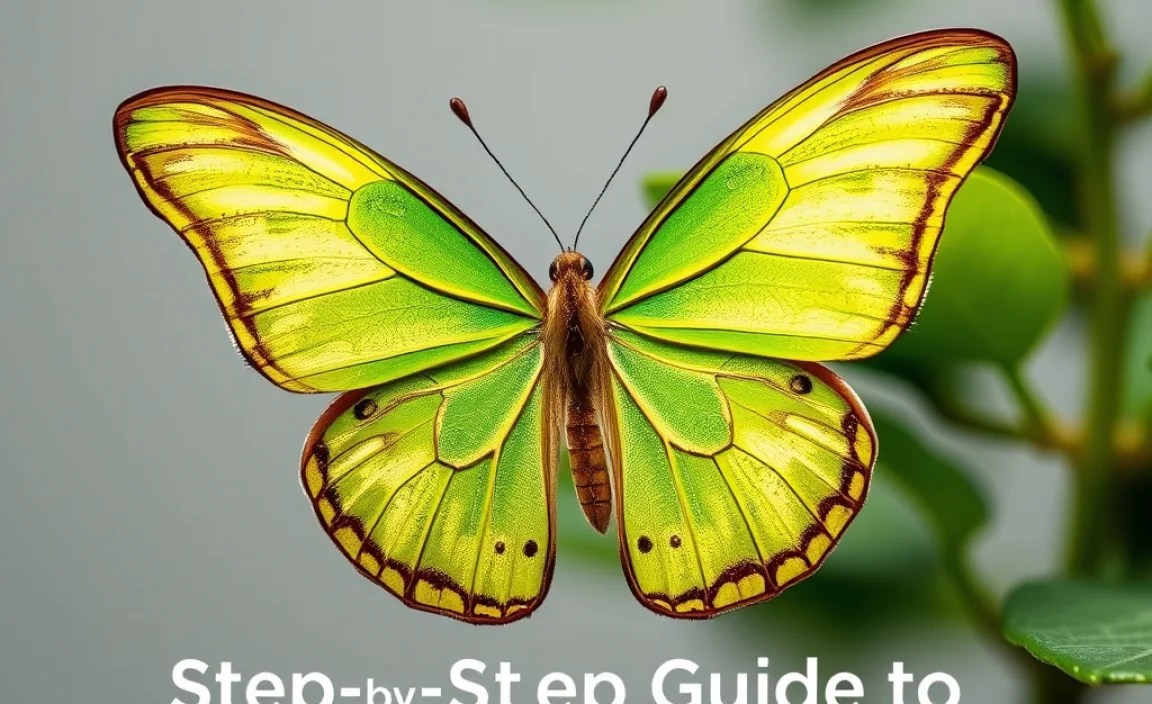
Step 1: Observe the Size and Wingspan
The Lime butterfly is a medium-sized butterfly with a wingspan typically ranging from 50 to 80 mm (approximately 2 to 3 inches). This size is a good starting point for differentiating it from smaller or larger butterfly species.
- Typical Wingspan: 50-80 mm (2-3 inches)
- Compare to Other Butterflies: Note whether the butterfly is significantly smaller or larger than other common species in your area.
Step 2: Examine the Wing Color and Markings
The wing patterns and colors are the most distinctive features of the Lime butterfly. Here’s what to look for:
- Upperside: The upperside of the wings is generally a pale greenish-yellow.
- Black Markings: Look for irregular black spots and streaks across the wings. The pattern can vary, but the presence of these markings is consistent.
- Scalloped Edges: The edges of the wings are noticeably scalloped, giving them a unique shape.
- Underside: The underside of the wings is a paler version of the upperside, with similar black markings but less pronounced.
Step 3: Check the Body Characteristics
The body of the Lime butterfly also provides important clues for identification:
- Color: The body is typically black with white or yellowish spots.
- Shape: The body is slender and elongated, typical of swallowtail butterflies.
- Markings: Pay attention to the pattern of spots on the body, as this can help distinguish it from similar species.
Step 4: Consider the Habitat and Behavior
Where you see the butterfly and how it behaves can also help with identification:
- Habitat: Lime butterflies are commonly found in gardens, citrus orchards, and open areas with citrus trees.
- Host Plants: They are strongly associated with citrus plants, as these are the primary food source for their caterpillars.
- Flight Pattern: The Lime butterfly has a distinctive flight pattern – it is usually strong and erratic.
Detailed Look at Wing Markings
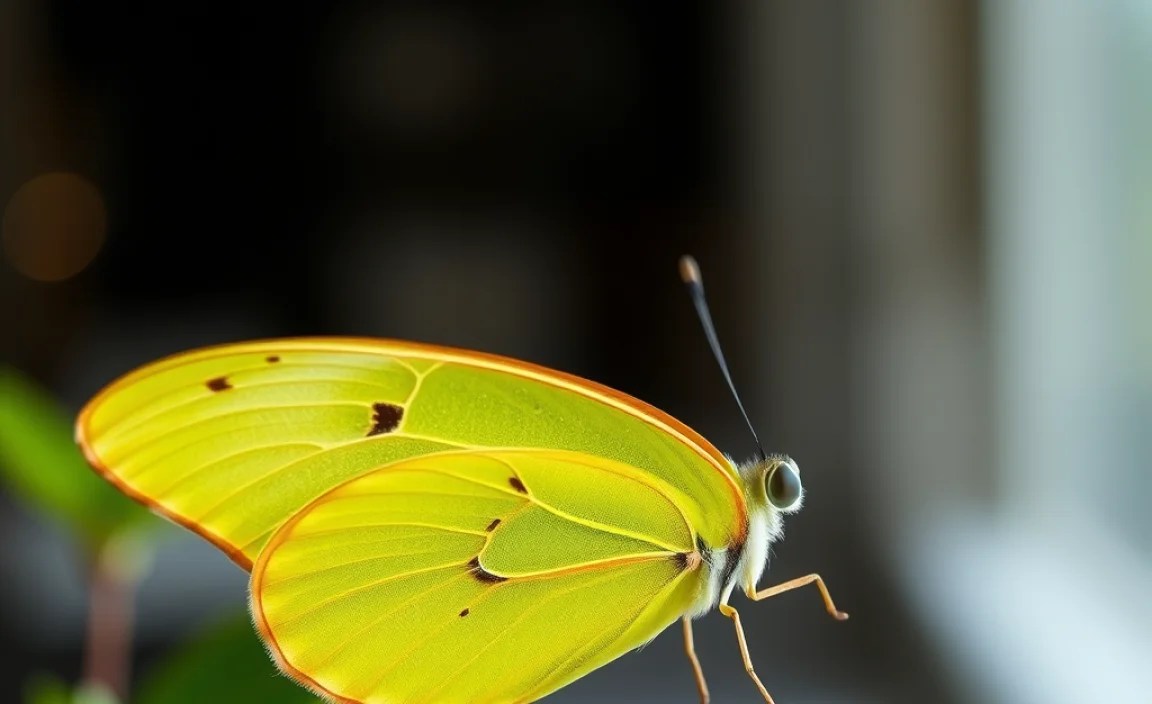
Let’s dive deeper into the specific wing markings that define the Lime butterfly.
Upperside Markings
The upperside of the wings is where you’ll find the most distinctive patterns.
- Base Color: Predominantly pale greenish-yellow.
- Black Spots: Irregularly shaped black spots scattered across the wings. These spots vary in size and arrangement.
- Marginal Spots: A series of black spots along the outer edges of the wings, often connected by a thin black line.
- Cell Spot: A prominent black spot located within the discal cell (the central area) of each wing.
Underside Markings
The underside of the wings mirrors the upperside but with some subtle differences.
- Base Color: Generally paler than the upperside, often appearing more yellowish-white.
- Black Spots: Similar to the upperside, but the spots may be less defined and slightly smaller.
- Marginal Spots: The marginal spots are usually more distinct on the underside, sometimes with a reddish or orange hue.
- Diffusion: The black markings may appear more diffuse, blending slightly into the base color.
Comparing Lime Butterfly to Similar Species
It’s easy to confuse the Lime butterfly with other swallowtail species. Here’s a comparison to help you distinguish them:
Lime Butterfly vs. Common Mime (Chilasa clytia)
| Feature | Lime Butterfly (Papilio demoleus) | Common Mime (Chilasa clytia) |
|---|---|---|
| Wingspan | 50-80 mm | 80-110 mm |
| Wing Color | Pale greenish-yellow with black spots | Variable; often mimics other butterflies |
| Markings | Irregular black spots | Can vary widely depending on the form, but often has white or cream-colored patches |
| Host Plants | Citrus species | Various, including Glycosmis and Toddalia |
Lime Butterfly vs. Lemon Butterfly (Papilio demodocus)
| Feature | Lime Butterfly (Papilio demoleus) | Lemon Butterfly (Papilio demodocus) |
|---|---|---|
| Wingspan | 50-80 mm | 80-100 mm |
| Wing Color | Pale greenish-yellow with black spots | Yellow with black markings |
| Markings | Irregular black spots | More defined black bands and spots |
| Host Plants | Citrus species | Citrus and related species |
The Life Cycle of the Lime Butterfly
Understanding the life cycle of the Lime butterfly can provide additional context for identification and appreciation.
Egg Stage
Lime butterflies lay their eggs singly on the leaves of citrus plants. The eggs are small, spherical, and typically yellowish-green. They hatch in about 3-5 days.
Larval Stage (Caterpillar)
The caterpillar goes through several instars (stages) as it grows:
- Early Instars: Young caterpillars are dark brown or black with white markings, resembling bird droppings to avoid predation.
- Later Instars: As they mature, caterpillars become green with diagonal white and black bands. They have a fleshy, forked “osmeterium” that they can extend to release a foul odor when threatened.
- Feeding: Caterpillars feed voraciously on citrus leaves, which can sometimes cause damage to young plants.
Pupal Stage (Chrysalis)
The caterpillar pupates to form a chrysalis, which is typically green or brown and blends well with its surroundings. The pupal stage lasts about 7-10 days.
Adult Stage
The adult butterfly emerges from the chrysalis. The entire life cycle, from egg to adult, takes about 3-4 weeks, depending on environmental conditions. Adult butterflies live for about two weeks, during which they mate and lay eggs.
Attracting Lime Butterflies to Your Garden
Want to see more Lime butterflies in your garden? Here’s how:
- Plant Host Plants: Plant citrus trees and shrubs to provide food for the caterpillars.
- Provide Nectar Sources: Plant nectar-rich flowers that adult butterflies can feed on, such as lantana, cosmos, and zinnias.
- Avoid Pesticides: Use organic gardening practices to avoid harming butterflies and caterpillars.
- Provide Water: Offer a shallow dish of water with pebbles for butterflies to drink from.
Conservation Status and Threats
The Lime butterfly is not currently listed as endangered or threatened. However, like many butterfly species, it faces threats from habitat loss, pesticide use, and climate change.
Conservation Tips
Here are some ways you can help protect Lime butterflies and other butterfly species:
- Create Butterfly-Friendly Habitats: Plant native flowers and host plants in your garden.
- Reduce Pesticide Use: Use organic gardening methods and avoid broad-spectrum insecticides.
- Support Conservation Organizations: Donate to or volunteer with organizations that work to protect butterflies and their habitats, such as the Xerces Society.
- Educate Others: Share your knowledge about butterflies with friends, family, and community members.
Lime Butterfly in Culture and Symbolism
Butterflies, in general, hold significant cultural and symbolic meaning across various societies. The Lime butterfly, with its vibrant colors and graceful flight, is no exception.
Symbolism
- Transformation: Butterflies are often seen as symbols of transformation and rebirth, reflecting their metamorphosis from caterpillar to winged adult.
- Beauty and Grace: Their delicate beauty and graceful flight patterns make them symbols of elegance and freedom.
- Hope and Renewal: In many cultures, butterflies represent hope, renewal, and the cyclical nature of life.
Cultural Significance
- Art and Literature: Butterflies are frequently depicted in art, literature, and mythology, often representing themes of change, beauty, and the soul.
- Spiritual Beliefs: In some cultures, butterflies are believed to carry the spirits of the deceased or act as messengers between the living and the dead.
- Gardening: Butterflies are important for gardens and the environment, as they help with pollination.
Tools and Resources for Butterfly Identification
To enhance your butterfly identification skills, consider using these tools and resources:
- Butterfly Field Guides: Purchase a regional butterfly field guide with detailed descriptions and photos.
- Online Databases: Explore online resources like Butterflies and Moths of North America for comprehensive information and images.
- Butterfly Identification Apps: Use smartphone apps that can identify butterflies based on photos.
- Local Butterfly Clubs: Join a local butterfly club or nature group to learn from experienced enthusiasts.
Frequently Asked Questions (FAQ)
What do Lime butterfly caterpillars eat?
Lime butterfly caterpillars primarily eat the leaves of citrus plants, such as lime, lemon, and orange trees. They can sometimes cause damage to young citrus trees.
Are Lime butterflies harmful to gardens?
While Lime butterfly caterpillars can feed on citrus leaves, they don’t usually cause significant damage to mature trees. However, they can defoliate young plants if their population is high. Gardeners can manage them by hand-picking caterpillars or using organic pest control methods.
Where are Lime butterflies commonly found?
Lime butterflies are commonly found in Asia, Australia, and parts of the Middle East. They prefer habitats with citrus plants, such as gardens, orchards, and open areas.
How can I attract Lime butterflies to my garden?
To attract Lime butterflies, plant citrus trees and nectar-rich flowers like lantana, cosmos, and zinnias. Avoid using pesticides and provide a shallow dish of water with pebbles for them to drink from.
What is the lifespan of a Lime butterfly?
The entire life cycle of a Lime butterfly, from egg to adult, takes about 3-4 weeks. Adult butterflies typically live for about two weeks.
How can I tell the difference between a male and female Lime butterfly?
While it can be difficult to distinguish between male and female Lime butterflies, males are generally smaller and have brighter colors. Females may have slightly broader wings and less distinct markings.
Are Lime butterflies migratory?
Lime butterflies are not typically migratory, but they can disperse over long distances in search of suitable habitats and food sources.
Conclusion
Identifying the Lime butterfly is a rewarding experience that connects you more deeply with the natural world. By paying attention to key features like wingspan, wing markings, body characteristics, and habitat, you can confidently identify this beautiful butterfly. Remember, every butterfly you spot tells a story about our environment and the delicate balance of nature.
So, keep your eyes open, your field guide handy, and continue exploring the fascinating world of butterflies. Your observations and conservation efforts can make a real difference in protecting these incredible creatures for future generations. Happy butterflying!