
Common Bushbrown Butterfly: The Ultimate ID Guide

Quick Summary: The Common Bushbrown butterfly (Mycalesis perseus) is a widespread and adaptable species found across Asia and Australia. Recognizable by its brown wings and distinctive eyespots, it thrives in diverse habitats, from forests to urban gardens. This butterfly plays a vital role in its ecosystem as a pollinator and food source, making it an important indicator of environmental health. Spotting one means you’re likely in a healthy, biodiverse area!
Have you ever been strolling through a garden or forest and noticed a small, brown butterfly flitting about? Chances are, you’ve encountered the Common Bushbrown. These little butterflies are incredibly adaptable and can be found in a wide range of environments. But identifying them can sometimes be tricky. Don’t worry! This guide will walk you through everything you need to know to identify, understand, and appreciate the Common Bushbrown butterfly. We’ll explore their unique features, habitats, and fascinating life cycle. Get ready to become a Common Bushbrown expert!
Identifying the Common Bushbrown Butterfly
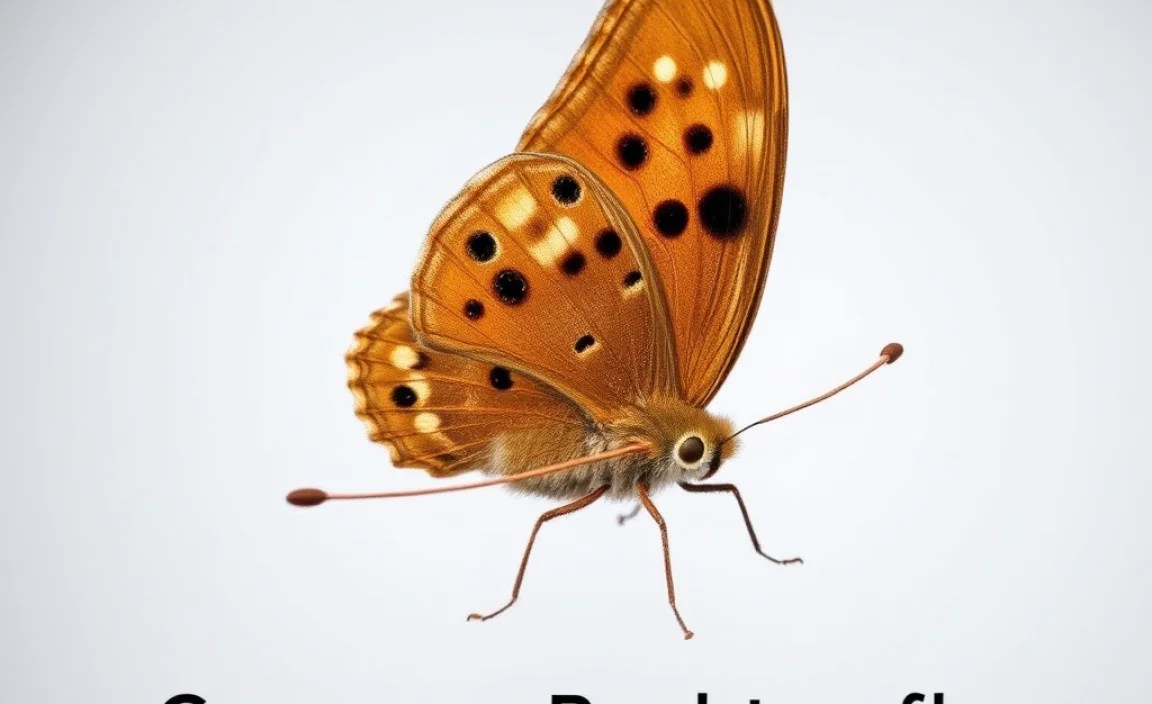
The Common Bushbrown butterfly (Mycalesis perseus) belongs to the Nymphalidae family, also known as the brush-footed butterflies. These butterflies are masters of camouflage, blending seamlessly into their surroundings. Here’s how to identify them:
Key Characteristics
- Wingspan: Typically ranges from 35 to 50 mm (1.4 to 2 inches).
- Wing Color: Predominantly brown, with slight variations depending on the region and subspecies. The underside is usually a lighter shade of brown.
- Eyespots: The most distinctive feature! They have one or two prominent eyespots on the hindwings and sometimes smaller ones on the forewings. These eyespots help to deter predators.
- Flight Pattern: A weak, fluttering flight, often close to the ground.
Detailed Wing Patterns
The wing patterns of the Common Bushbrown are subtle but important for identification.
- Upperside: The upperside of the wings is generally a uniform brown. Some individuals may have faint darker markings or bands.
- Underside: The underside is where the real detail lies. Look for:
- A series of eyespots, usually outlined with a lighter color.
- Faint, wavy lines or bands running across the wings.
- Variations in the intensity of the brown color, creating a mottled appearance.
Distinguishing Males from Females
While both sexes share similar coloration, there are some subtle differences:
- Size: Females are often slightly larger than males.
- Wing Shape: Females may have slightly more rounded wings.
- Scent Patches: Males possess scent patches (androconia) on their forewings, which are used to attract females during mating. These patches are not always visible to the naked eye.
Habitat and Distribution
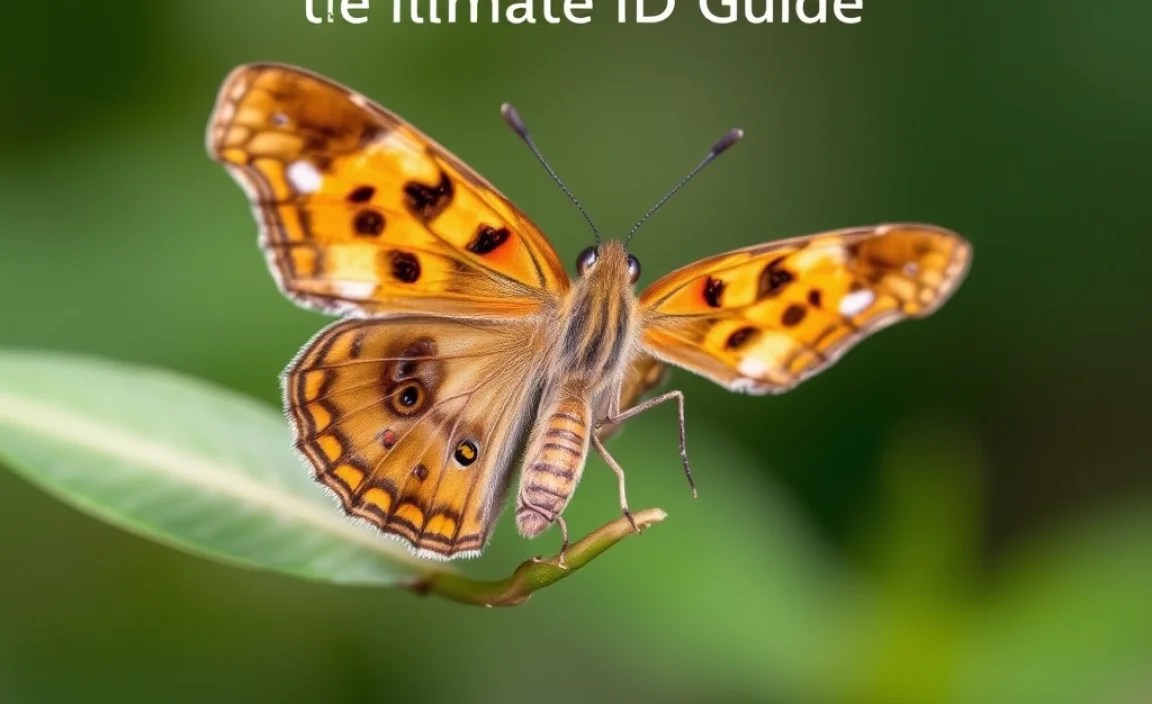
One of the reasons the Common Bushbrown is so common is its ability to thrive in a variety of habitats.
Geographical Range
This species is widely distributed across:
- Asia: Found in India, Sri Lanka, Southeast Asia (including Thailand, Malaysia, and Indonesia), and parts of China.
- Australia: Common along the eastern and northern coasts.
Preferred Habitats
Common Bushbrowns are adaptable and can be found in:
- Forests and Woodlands: Especially along edges and in clearings.
- Grasslands: Open areas with plenty of grasses for the caterpillars to feed on.
- Gardens and Parks: Even in urban environments, they can find suitable host plants and nectar sources.
- Disturbed Areas: They often colonize areas that have been altered by human activity.
Factors Influencing Habitat Choice
Several factors determine where you’re likely to find Common Bushbrowns:
- Availability of Host Plants: The presence of grasses and sedges, which serve as food for the caterpillars, is crucial.
- Nectar Sources: Access to nectar-rich flowers for adult butterflies.
- Sunlight and Shelter: A balance of sunny spots for basking and sheltered areas for protection from the elements.
- Moisture: They prefer areas with some humidity, especially during the dry season.
Life Cycle of the Common Bushbrown

Understanding the life cycle of the Common Bushbrown is key to appreciating its role in the ecosystem.
Egg Stage
- Appearance: The eggs are small, round, and typically laid singly on the leaves of host plants.
- Host Plants: Primarily grasses and sedges. Common examples include Brachiaria mutica (Para Grass) and various species of Cynodon (Bermuda Grass).
- Duration: The egg stage lasts for about 3 to 5 days, depending on temperature and humidity.
Larval (Caterpillar) Stage
- Appearance: The caterpillars are slender and green or brown, with longitudinal stripes. They blend in well with the grasses they feed on.
- Feeding Habits: They are voracious feeders, consuming large quantities of grass leaves.
- Instars: The caterpillar goes through several instars (stages between molts), shedding its skin as it grows.
- Duration: The larval stage can last from 2 to 4 weeks, depending on environmental conditions.
Pupal (Chrysalis) Stage
- Appearance: The pupa is green or brown and hangs upside down from a stem or leaf. It is camouflaged to resemble a part of the plant.
- Duration: The pupal stage typically lasts for about 7 to 10 days.
- Transformation: Inside the pupa, the caterpillar undergoes a remarkable transformation into a butterfly.
Adult Stage
- Emergence: The adult butterfly emerges from the pupal case, expands its wings, and waits for them to dry and harden.
- Lifespan: Adult Common Bushbrowns typically live for about 1 to 2 weeks.
- Reproduction: The primary focus of the adult stage is reproduction. Males seek out females, and after mating, the females lay eggs to start the cycle anew.
- Feeding: Adult butterflies feed on nectar from flowers, using their proboscis (a long, straw-like tongue) to sip the sweet liquid.
Ecological Role and Importance
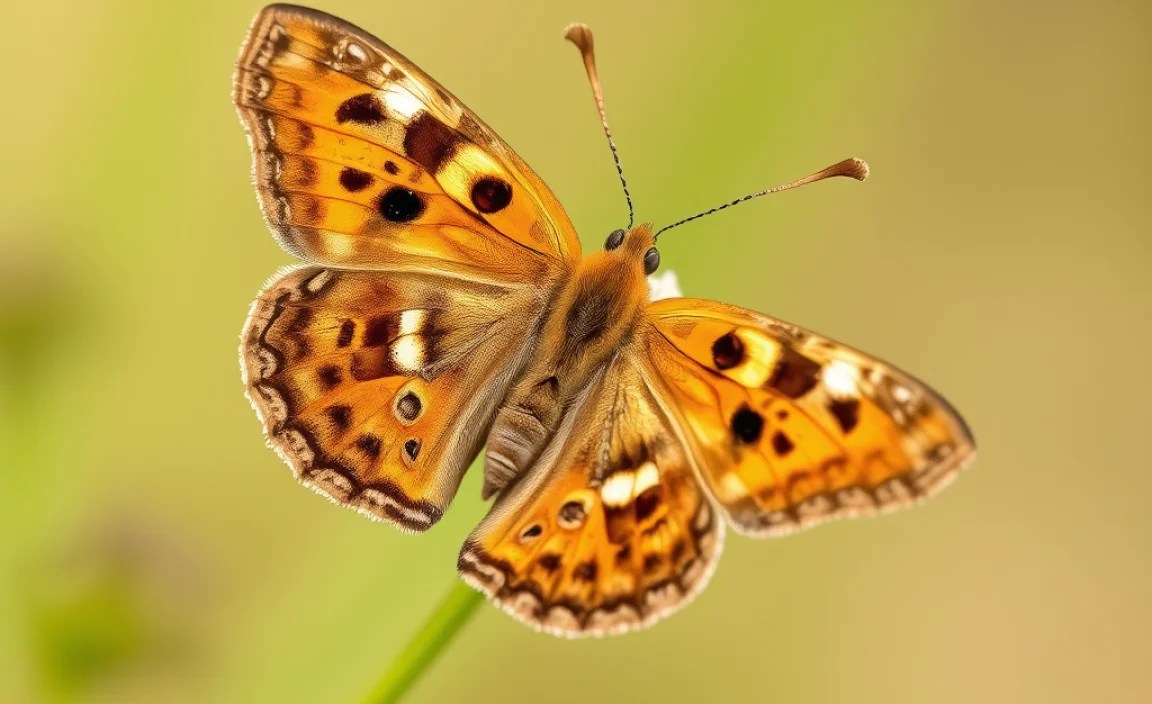
The Common Bushbrown plays several important roles in its ecosystem.
Pollination
While not as efficient as some other pollinators like bees, butterflies still contribute to the pollination of various plants as they feed on nectar. This is especially important in gardens and natural habitats where they visit a variety of flowering plants.
Food Source
The Common Bushbrown serves as a food source for other animals in the ecosystem. Caterpillars are eaten by birds, lizards, and other insects. Adult butterflies are also preyed upon by birds, spiders, and other insectivorous animals.
Indicator Species
The presence and abundance of Common Bushbrown butterflies can be an indicator of environmental health. Their sensitivity to habitat changes and pollution makes them useful for monitoring the quality of ecosystems. A healthy population of Common Bushbrowns often indicates a diverse and well-functioning environment.
Table: Life Cycle Stages and Durations
| Stage | Duration | Description |
|---|---|---|
| Egg | 3-5 days | Small, round, laid on host plant leaves. |
| Larva (Caterpillar) | 2-4 weeks | Slender, green or brown, feeds on grasses. |
| Pupa (Chrysalis) | 7-10 days | Green or brown, hangs from a stem or leaf. |
| Adult | 1-2 weeks | Brown wings with eyespots, feeds on nectar. |
Attracting Common Bushbrowns to Your Garden

Want to see more of these lovely butterflies in your backyard? Here’s how!
Planting Host Plants
The most effective way to attract Common Bushbrowns is to provide their caterpillars with suitable food. Plant a variety of grasses and sedges, such as:
- Brachiaria mutica (Para Grass)
- Cynodon dactylon (Bermuda Grass)
- Paspalum conjugatum (Sour Grass)
Providing Nectar Sources
Adult butterflies need nectar to fuel their activities. Plant flowers that are rich in nectar and attractive to butterflies, such as:
- Lantana
- Pentas
- Zinnias
- Marigolds
Creating a Butterfly-Friendly Habitat
In addition to food sources, butterflies need shelter and water.
- Shelter: Provide shrubs and trees for butterflies to rest and hide from predators.
- Water: Create a shallow dish of water with pebbles or sand for butterflies to drink from.
- Avoid Pesticides: Pesticides can harm or kill butterflies and other beneficial insects. Use organic gardening practices instead.
Table: Recommended Plants for Attracting Common Bushbrowns
| Plant Type | Plant Name | Benefits |
|---|---|---|
| Host Plant | Brachiaria mutica (Para Grass) | Food source for caterpillars. |
| Host Plant | Cynodon dactylon (Bermuda Grass) | Food source for caterpillars. |
| Nectar Source | Lantana | Provides abundant nectar for adult butterflies. |
| Nectar Source | Zinnia | Attractive to a wide range of butterflies. |
Conservation Status and Threats
While the Common Bushbrown is currently widespread and not considered threatened, it still faces several challenges.
Habitat Loss
The destruction and fragmentation of natural habitats due to urbanization, agriculture, and deforestation are major threats to many butterfly species, including the Common Bushbrown. As their habitats disappear, so do their food sources and breeding grounds.
Pesticide Use
The widespread use of pesticides in agriculture and gardening can have devastating effects on butterfly populations. Pesticides can directly kill butterflies or contaminate their food sources, leading to declines in their numbers.
Climate Change
Changes in temperature and rainfall patterns can disrupt the life cycle of butterflies and alter their habitats. Extreme weather events, such as droughts and floods, can also have a negative impact on butterfly populations.
Conservation Efforts
Protecting butterfly habitats and promoting sustainable land management practices are essential for conserving the Common Bushbrown and other butterfly species. Supporting organizations like the Xerces Society ( https://xerces.org/ ) can also help.
Common Bushbrowns in Culture and Symbolism
Butterflies, in general, hold significant cultural and symbolic meanings across different societies. While the Common Bushbrown may not be as prominently featured as some other butterfly species, it still shares in the broader symbolism associated with butterflies.
Symbolism
- Transformation and Change: The butterfly’s metamorphosis from a caterpillar to a beautiful winged creature is a powerful symbol of transformation, change, and rebirth.
- Hope and Renewal: Butterflies are often seen as symbols of hope and renewal, representing the potential for growth and positive change.
- Freedom and Joy: Their delicate beauty and graceful flight evoke feelings of freedom, joy, and lightness.
- Soul and Spirituality: In some cultures, butterflies are associated with the soul or spirit, representing the journey of the soul after death.
Cultural Significance
In many cultures, butterflies are revered for their beauty and grace. They are often featured in art, literature, and folklore. In some indigenous cultures, butterflies are considered sacred and are associated with spiritual beliefs and practices.
Frequently Asked Questions (FAQs)
What do Common Bushbrown caterpillars eat?
Common Bushbrown caterpillars primarily eat grasses and sedges. They are not picky eaters and will consume a variety of common grass species found in gardens and fields.
Are Common Bushbrown butterflies poisonous?
No, Common Bushbrown butterflies are not poisonous. They are harmless to humans and animals.
How long do Common Bushbrown butterflies live?
Adult Common Bushbrown butterflies typically live for about 1 to 2 weeks. Their lifespan is relatively short compared to some other butterfly species.
Can I raise Common Bushbrown butterflies at home?
Yes, you can raise Common Bushbrown butterflies at home if you provide them with the right conditions. Plant host plants for the caterpillars and nectar sources for the adults, and protect them from predators and pesticides.
What is the difference between a butterfly and a moth?
Butterflies and moths both belong to the order Lepidoptera, but they have several key differences. Butterflies are typically more colorful, have slender bodies, and hold their wings upright when at rest. Moths, on the other hand, are often duller in color, have thicker bodies, and hold their wings flat when at rest. Butterflies are also typically active during the day, while moths are often active at night. For more information, the Smithsonian Institution has excellent resources (https://www.si.edu/).
Why do butterflies have eyespots?
Eyespots are a form of defense. They startle predators, giving the butterfly a chance to escape, or redirect attacks to less vulnerable parts of the wings.
How can I help protect butterflies in my community?
You can help protect butterflies by planting native host plants and nectar sources, avoiding the use of pesticides, creating butterfly-friendly habitats, and supporting conservation organizations.
Conclusion
The Common Bushbrown butterfly is a fascinating and important member of our ecosystems. Its adaptability and widespread distribution make it a familiar sight in many parts of the world. By understanding its life cycle, habitat, and ecological role, we can better appreciate and protect this beautiful creature. Whether you’re a seasoned naturalist or a curious beginner, there’s always something new to discover about the world of butterflies. So, get outside, explore your surroundings, and keep an eye out for the Common Bushbrown – a little brown butterfly with a big story to tell!


