
Species Identification of Butterflies: Your Easy Guide

Do you love colorful butterflies? Have you ever wondered what kind they are? Figuring out species identification of butterflies can be fun. It is like being a nature detective. You can learn about their names and lives.
Butterflies flutter around us. They visit flowers in our gardens. Some even travel very far. Wouldn’t it be cool to know their secrets? Species identification of butterflies helps us do that. Let’s learn how to tell them apart!
Key Takeaways
- Species identification of butterflies involves observing colors, patterns, sizes, and locations.
- Butterfly wings have unique markings that help in identifying different species easily.
- Knowing the butterfly’s habitat and food plants can aid in its identification process.
- Using field guides and online resources makes butterfly identification much simpler.
- Learning about butterflies helps us protect these important and beautiful insects.
Basics of Species Identification of Butterflies

Species identification of butterflies starts with knowing the basics. Butterflies belong to the insect group called Lepidoptera. This group also includes moths. Butterflies have unique features. These features help us tell them apart. Look at their wings. Notice the colors and patterns. Are they bright or dull? What shapes do you see? Check their size. Are they tiny or large? Where do you find them? Some butterflies like forests. Others prefer gardens. What plants do they visit? All these things provide clues. They help you name the butterfly. You need to pay close attention. Then you will start recognizing different types. It is like solving a puzzle. Each piece of information helps you.
- Butterflies have colorful wings.
- Moths are usually duller.
- Butterfly wings have patterns.
- Size varies among species.
- Habitat is an important clue.
Understanding butterfly anatomy is also useful. Butterflies have a head, thorax, and abdomen. Their wings attach to the thorax. They have six legs. They use their antennae to sense their environment. The proboscis is like a straw. Butterflies use it to drink nectar. Different butterfly families share certain traits. Swallowtails often have tails on their hindwings. Monarchs are known for their orange and black colors. Skippers are small and fast-flying. Learning these family traits makes species identification of butterflies easier. It is like learning the rules of a game. Once you know the rules, you can play better. Knowing butterfly basics helps you become a better butterfly identifier.
Fun Fact or Stat: There are about 20,000 butterfly species in the world!
What Makes a Butterfly a Butterfly?
Have you ever wondered what makes a butterfly a butterfly? Butterflies have special features. These features set them apart from other insects. They have scaled wings. These scales create beautiful colors and patterns. Butterflies also have antennae with clubs at the end. Moths usually have feathery antennae. Butterflies are active during the day. Moths are often active at night. Butterflies hold their wings upright when resting. Moths usually fold their wings flat. These differences help us tell them apart. These features help us with species identification of butterflies. It is like knowing the secret code to unlock their identity. What other insects might look like butterflies at first glance? Consider moths and some types of flies.
Why Are Butterfly Wings So Colorful?
Butterfly wings are colorful for many reasons. Colors help them attract mates. They also help them hide from predators. Bright colors can warn predators that they are poisonous. Some colors help them blend in with their surroundings. The colors come from tiny scales on their wings. These scales contain pigments. Some colors are created by the structure of the scales. These structural colors change with the light. Isn’t that amazing? The colors on butterfly wings are not just pretty. They are important for survival. This makes species identification of butterflies more interesting. Understanding why they are colorful helps us appreciate them more.
How Do Butterflies Eat?
Butterflies eat in a special way. They drink nectar from flowers. They use a long, straw-like tongue called a proboscis. When not in use, the proboscis is coiled up. They unroll it to sip nectar. Some butterflies also drink sap from trees. Others eat rotting fruit. They need these foods for energy. This energy helps them fly and reproduce. Butterflies cannot chew their food. They only drink liquids. Their diet is very important for their survival. Different butterflies prefer different flowers. Knowing their food preferences can help with species identification of butterflies. Do you think all butterflies like the same flowers?
Key Wing Patterns for Butterfly Identification
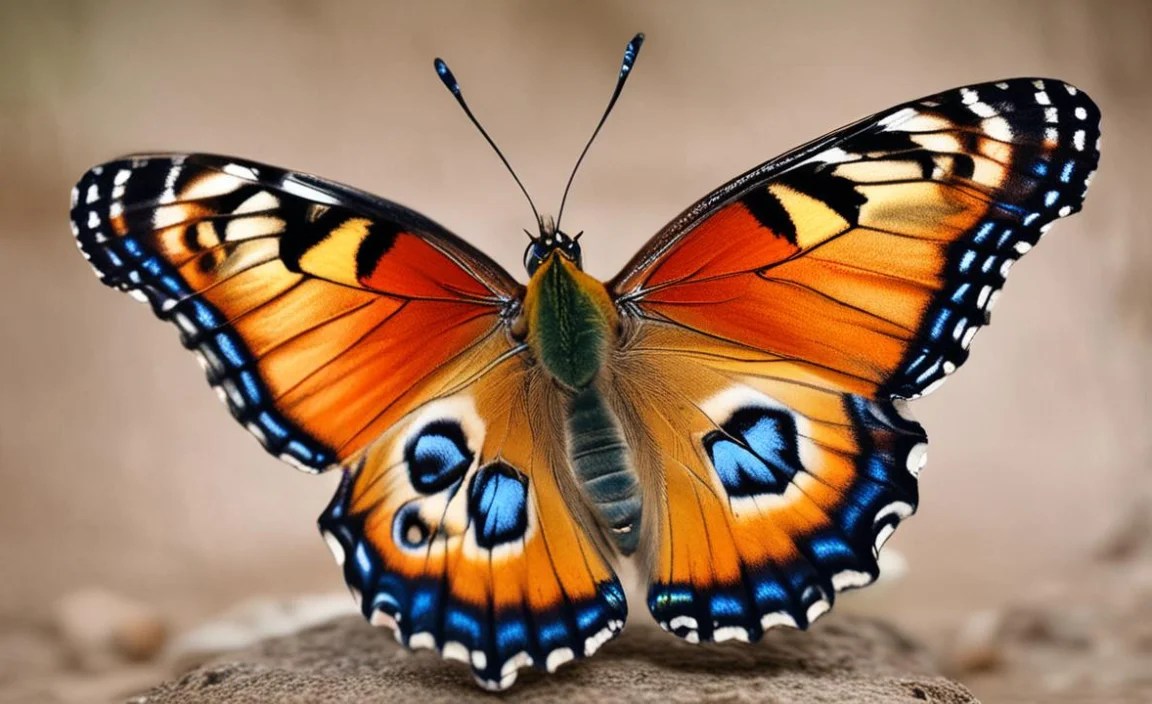
Wing patterns are very important for species identification of butterflies. Each species has unique markings. These markings act like a butterfly’s fingerprint. Look for spots, stripes, and bands. Note the colors and their arrangement. Some butterflies have eyespots. These spots can scare away predators. Others have intricate patterns that help them blend in. Use a field guide to compare the patterns. Pay attention to both the upper and lower sides of the wings. Sometimes the patterns are different. Certain patterns are common in specific families. For example, swallowtails often have black and yellow stripes. Monarchs have distinct orange and black patterns. These details are critical. They help you accurately identify different butterfly species. Wing patterns are like the butterfly’s name tag.
- Spots can be round or oval.
- Stripes may run lengthwise or crosswise.
- Bands often border the wings.
- Eyespots look like eyes.
- Some patterns are symmetrical.
- Others are asymmetrical.
Wing shape also plays a role. Some butterflies have rounded wings. Others have pointed wings. Swallowtails have tails on their hindwings. Skippers have hooked antennae. The wing veins can also be helpful. Veins are the lines that run through the wings. Their arrangement is unique to each family. Using a magnifying glass can help you see the details better. Take your time and be patient. Species identification of butterflies takes practice. The more you observe, the better you will become. Remember, every detail matters. Even small differences can distinguish one species from another. Look carefully and enjoy the process.
Fun Fact or Stat: Some butterflies can mimic the wing patterns of poisonous butterflies to protect themselves!
How to Spot Key Wing Markings
Spotting key wing markings is essential for species identification of butterflies. Use a good field guide or a reliable online resource. Pay close attention to the illustrations or photos. Compare them to the butterfly you are observing. Start with the most obvious markings. Look for large spots or distinct stripes. Then focus on the smaller details. Check for tiny dots or subtle color variations. Note the location of the markings. Are they near the edge of the wing? Are they clustered in the center? Use a magnifying glass to examine the fine details. Different lighting can affect how you see the colors. Observe the butterfly in natural light if possible. Practice makes perfect. The more you observe, the better you will become at spotting key markings.
What Do Eyespots Do for Butterflies?
Eyespots are fascinating features on butterfly wings. They look like eyes. These spots serve several purposes. They can startle predators. Predators might think the butterfly is a larger animal. This gives the butterfly a chance to escape. Eyespots can also redirect attacks. A bird might peck at the eyespot instead of the butterfly’s body. This can save the butterfly’s life. Some butterflies have hidden eyespots. They only reveal them when threatened. This sudden display can surprise predators. Eyespots are a clever survival strategy. Knowing about eyespots can help with species identification of butterflies. Have you ever been startled by something that looked like an eye?
Why Do Some Butterflies Mimic Others?
Some butterflies mimic others for protection. This is called mimicry. One type of mimicry is Batesian mimicry. A harmless butterfly mimics a poisonous one. Predators avoid the harmless butterfly because it looks dangerous. Another type is Müllerian mimicry. Several poisonous butterflies look alike. This reinforces the warning signal to predators. Mimicry is a clever survival strategy. It helps butterflies avoid being eaten. Identifying mimics can be tricky. You need to look closely at the details. Knowing about mimicry makes species identification of butterflies more challenging and interesting. Can you think of other animals that use mimicry?
Using Color for Butterfly Identification
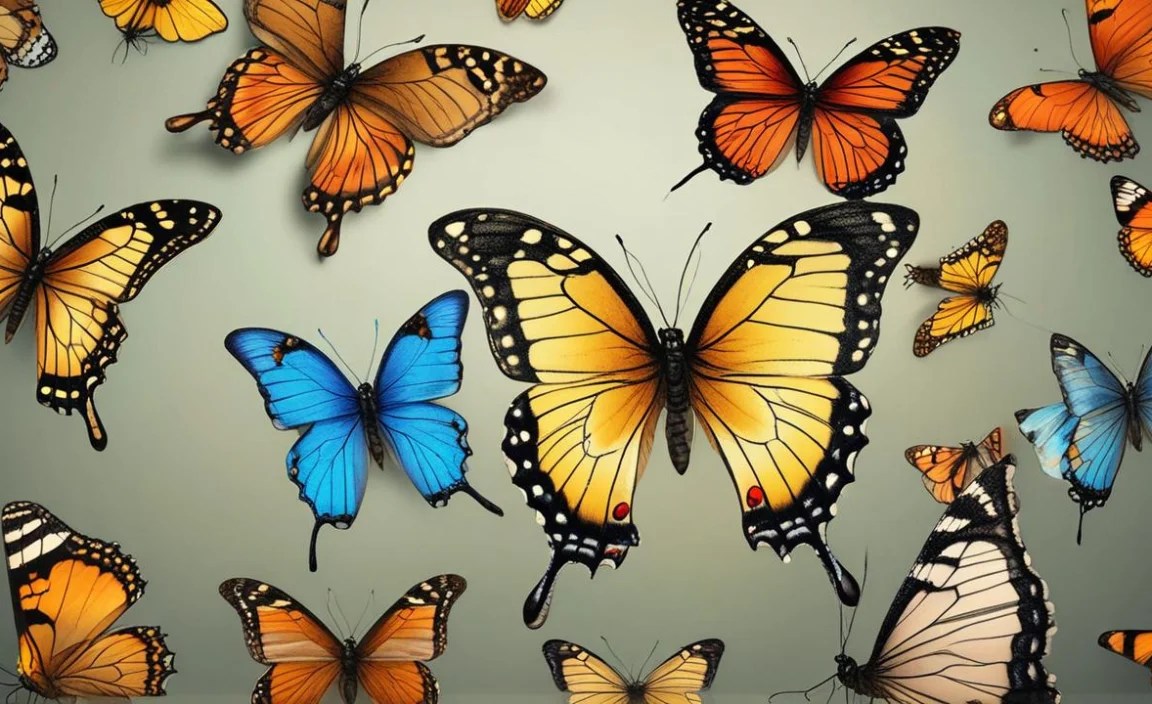
Color is a helpful tool for species identification of butterflies. Butterflies come in many colors. These colors can range from bright to dull. Some are vibrant and eye-catching. Others are camouflaged and blend in. Note the main colors on the wings. Are they red, orange, yellow, green, blue, or purple? Look for patterns with multiple colors. How are the colors arranged? Do they form stripes, spots, or bands? The intensity of the colors can also vary. Some butterflies have deep, rich colors. Others have pale, washed-out colors. Pay attention to the color of the body as well. The body color can be different from the wing colors. Remember that lighting can affect how you perceive colors. Observe butterflies in natural light for the best results. This helps with accurate species identification of butterflies.
- Bright colors attract mates.
- Dull colors provide camouflage.
- Color patterns are unique.
- Body color can be different.
- Lighting affects color perception.
Color variations can occur within the same species. Some butterflies have different color forms. These forms may be seasonal. They might be related to the butterfly’s diet. Gender can also influence color. Male and female butterflies sometimes have different colors. This is called sexual dimorphism. Always consider these factors when using color for identification. Use a good field guide or online resource. Compare the colors you see to the images provided. Pay attention to the descriptions. They often mention specific color details. Remember that color is just one clue. Use it in combination with other features. Wing patterns, size, and habitat are also important. Color is an important aspect of species identification of butterflies.
Fun Fact or Stat: Some butterfly wings have iridescent colors that change depending on the viewing angle!
How Does Lighting Affect Color Perception?
Lighting greatly affects how we see color. Sunlight can make colors appear brighter. Shade can make them appear duller. Different types of light can also change colors. Incandescent light makes colors look warmer. Fluorescent light makes them look cooler. This is important for species identification of butterflies. Observe butterflies in natural light whenever possible. Avoid direct sunlight, which can wash out colors. A slightly overcast day is ideal. If you are using a photograph, consider the lighting conditions. Was the photo taken in bright sunlight or shade? Adjust your perception accordingly. Remember, accurate color perception is crucial for correct identification. What other factors can affect how we see colors?
What Are Seasonal Color Variations?
Seasonal color variations occur in some butterfly species. Butterflies that emerge in the spring may have different colors than those that emerge in the summer. These variations are often related to temperature and sunlight. Spring butterflies may be paler. Summer butterflies may be brighter. These color changes can help butterflies survive in different conditions. Lighter colors reflect more sunlight. This helps butterflies stay cool in the summer. Darker colors absorb more sunlight. This helps butterflies stay warm in the spring. Knowing about seasonal variations is useful for species identification of butterflies. Always consider the time of year when identifying butterflies. Have you noticed any seasonal changes in other animals?
Do Male and Female Butterflies Differ in Color?
Yes, male and female butterflies often differ in color. This is called sexual dimorphism. In some species, the males are brightly colored. The females are duller. In other species, the females are larger. They may have different wing patterns. These differences help butterflies attract mates. They also help them camouflage themselves. The males might be brightly colored to attract females. The females might be duller to hide from predators while laying eggs. Knowing about sexual dimorphism is important for species identification of butterflies. Always check both male and female specimens when identifying a species. What other animals show differences between males and females?
Butterfly Size and Shape in Identification
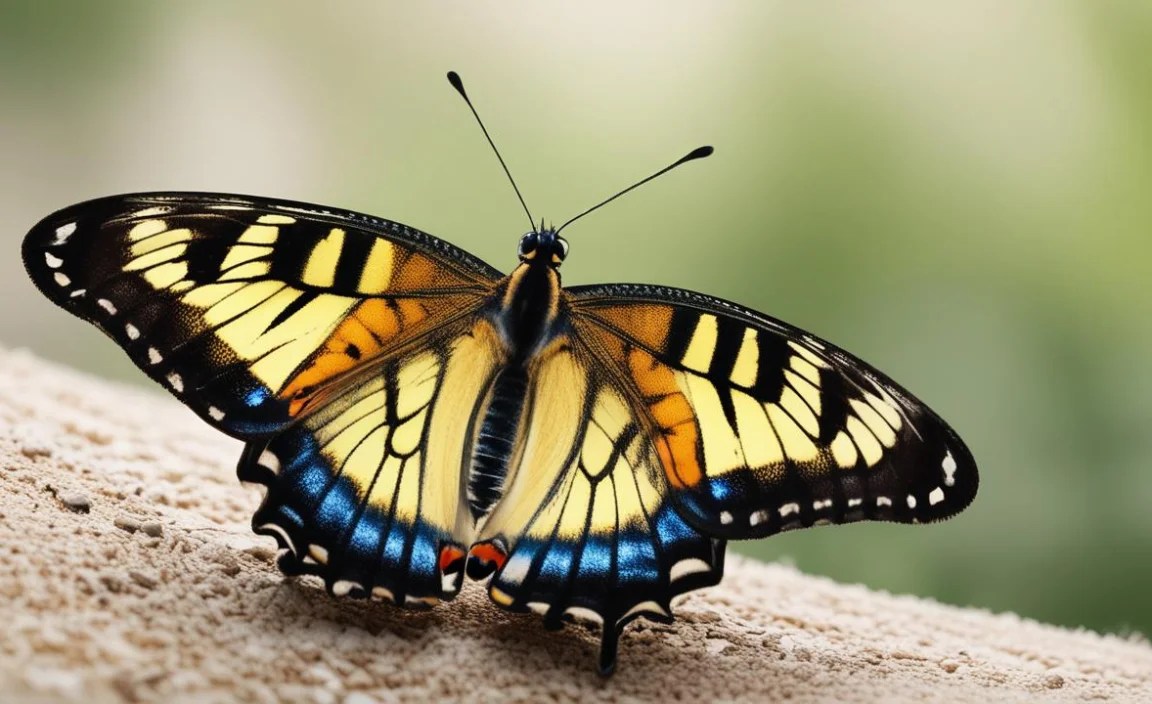
Size and shape are important clues for species identification of butterflies. Butterflies vary greatly in size. Some are tiny, with wingspans of less than an inch. Others are large, with wingspans of several inches. Measure the wingspan if possible. Use a ruler or estimate the size compared to familiar objects. Wing shape also differs among species. Some butterflies have rounded wings. Others have pointed wings. Swallowtails have distinctive tails on their hindwings. Skippers have short, stout bodies and hooked antennae. Note the overall shape of the butterfly. Is it delicate and graceful, or sturdy and fast-flying? These observations can help you narrow down the possibilities. Consider size and shape together with other features like color and pattern. This improves the accuracy of your identification.
- Size ranges from tiny to large.
- Wingspans can be measured.
- Wing shape varies widely.
- Tails are distinctive features.
- Body shape provides clues.
Use a field guide or online resource to compare sizes and shapes. These resources often provide measurements and illustrations. Pay attention to the descriptions. They may mention specific size ranges or shape characteristics. Keep in mind that size can vary slightly within a species. Environmental factors can influence size. Butterflies that grow in favorable conditions may be larger. Those that grow in poor conditions may be smaller. Always consider the context when using size for identification. Shape is generally more consistent. It is less affected by environmental factors. Together, size and shape are valuable tools. They assist in species identification of butterflies. They help you distinguish between similar species. This makes the identification process easier and more accurate.
Fun Fact or Stat: The world’s largest butterfly, the Queen Alexandra’s Birdwing, has a wingspan of up to 12 inches!
How to Estimate a Butterfly’s Wingspan
Estimating a butterfly’s wingspan can be tricky. You need to be careful not to disturb the butterfly. Use a ruler if possible. Hold it near the butterfly without touching it. Measure from the tip of one wing to the tip of the other. If you cannot use a ruler, estimate the size. Compare the butterfly to familiar objects. Is it about the size of a quarter? Is it about the size of your hand? Use these comparisons to estimate the wingspan. Practice estimating sizes regularly. This will improve your accuracy. Remember, an estimate is better than nothing. It can still provide valuable information for species identification of butterflies. What other methods can you use to estimate size?
What Are the Different Wing Shapes?
Butterfly wings come in many different shapes. Some are rounded and smooth. Others are pointed and angular. Swallowtails have distinctive tails on their hindwings. Skippers have short, broad wings. Some butterflies have elongated wings. Others have wings that are deeply scalloped. These shape differences are important for identification. They reflect the butterfly’s flight style and habitat. Butterflies with rounded wings are often slower fliers. They prefer sheltered habitats. Butterflies with pointed wings are often faster fliers. They can handle more open environments. Knowing about wing shapes helps with species identification of butterflies. What other wing features are important?
Why Are Skippers Shaped Differently?
Skippers are shaped differently from other butterflies. They have short, stout bodies. They also have hooked antennae. Their wings are small and pointed. These features give them a unique appearance. Skippers are fast and agile fliers. Their body shape helps them maneuver quickly. Their hooked antennae are thought to help them sense their environment. They often perch with their wings held at an angle. This posture is also distinctive. Skippers are a diverse group. They are found in many different habitats. Their unique shape reflects their lifestyle. It also helps with species identification of butterflies. Have you ever seen a skipper in action?
Habitat and Location for Species Identification

Habitat and location are very useful for species identification of butterflies. Butterflies are often found in specific habitats. Some prefer forests, while others like meadows. Some live near water, while others thrive in deserts. The location where you see a butterfly can provide clues. Certain species are only found in certain regions. Knowing the common butterflies in your area is helpful. Use a field guide that focuses on your region. Pay attention to the plants that butterflies visit. Some butterflies are associated with specific host plants. These plants are where they lay their eggs. The habitat and location can significantly narrow down the possibilities. They make the identification process easier. Combine this information with other features. Color, pattern, size, and shape are also important.
- Forest butterflies prefer shade.
- Meadow butterflies like open areas.
- Location limits the possibilities.
- Host plants are important clues.
- Regional field guides are useful.
Consider the elevation as well. Some butterflies are found only at high altitudes. Others are found only at low altitudes. The time of year is also relevant. Some butterflies are only active during certain seasons. Others are active year-round. Pay attention to the surrounding landscape. Are there mountains, rivers, or other distinctive features? These details can help you identify the habitat. Use online resources to research butterfly distributions. Many websites provide maps showing where different species are found. Remember that butterfly ranges can change over time. Climate change and habitat loss can affect their distribution. Keep your knowledge up-to-date. Habitat and location are key factors. They assist in species identification of butterflies. They help you understand where to look for certain species.
Fun Fact or Stat: Some butterflies migrate thousands of miles each year!
What Habitats Do Butterflies Prefer?
Butterflies prefer a variety of habitats. Some like open meadows with lots of flowers. Others prefer shady forests with trees and shrubs. Some live near streams and ponds. Others are found in dry, rocky areas. The type of habitat depends on the butterfly species. Each species has specific needs. They need food, shelter, and a place to lay their eggs. Knowing the habitat preferences of different butterflies helps with species identification of butterflies. Consider the surrounding environment when trying to identify a butterfly. What types of plants are present? What is the climate like? These factors can provide valuable clues. Have you noticed any patterns in where you find different butterflies?
How Does Location Help with Identification?
Location is a powerful tool for species identification of butterflies. Certain butterflies are only found in certain regions. For example, the Monarch butterfly is common in North America. It is not found in Europe. Knowing the range of a butterfly can narrow down the possibilities. Use a regional field guide or online resource. These resources provide information on which butterflies are found in your area. Be aware that butterfly ranges can change. Climate change and habitat loss can affect their distribution. Always check the most up-to-date information. Location is a valuable piece of the puzzle. It helps you identify butterflies more accurately. What other factors are important for identification?
Why Are Host Plants Important?
Host plants are very important for butterflies. These are the plants where butterflies lay their eggs. The caterpillars feed on these plants. Different butterflies have different host plant preferences. Some are very specific. They only lay their eggs on one type of plant. Others are more general. They lay their eggs on several different plants. Knowing the host plants in an area can help with species identification of butterflies. If you see a butterfly laying eggs on a particular plant, you can research which butterflies use that plant as a host. This can narrow down the possibilities. Host plants are essential for butterfly survival. They are a key part of their life cycle. What are some common host plants in your area?
Using Field Guides for Butterfly Identification
Field guides are essential tools for species identification of butterflies. A good field guide provides detailed descriptions. It also offers illustrations or photographs of different species. Look for a field guide that covers your region. Regional guides are more specific and accurate. They only include butterflies found in your area. This makes the identification process easier. Pay attention to the introduction. It often provides helpful tips on how to use the guide. The descriptions should include information on size, color, pattern, and habitat. The illustrations or photographs should be clear and accurate. Compare the butterfly you are observing to the images in the guide. Read the descriptions carefully. Note any key features that match your butterfly. Field guides are valuable resources. They help you learn about butterflies and identify them correctly.
- Regional guides are best.
- Introductions offer helpful tips.
- Descriptions provide key details.
- Illustrations are essential.
- Compare carefully to the guide.
Many field guides also include information on butterfly behavior. This includes their flight patterns and feeding habits. Some guides include range maps. These maps show where different species are found. Use these features to supplement your observations. Take your field guide with you when you go butterfly watching. Keep it in a safe place. Refer to it often. Practice using the guide. The more you use it, the better you will become at identifying butterflies. Field guides are not just for experts. They are for anyone who wants to learn about butterflies. They make species identification of butterflies accessible to everyone. They help you connect with nature and appreciate the beauty of butterflies. A field guide is your best friend when identifying butterflies.
Fun Fact or Stat: Some field guides use dichotomous keys to help you narrow down the possibilities step-by-step!
What Makes a Good Butterfly Field Guide?
A good butterfly field guide has several key features. It should cover your specific region. It should have accurate and detailed descriptions. The illustrations or photographs should be clear and high-quality. It should include information on habitat, behavior, and range. It should be easy to use and well-organized. A good field guide should also be durable. It should be able to withstand being carried in the field. Look for a guide that has been updated recently. Butterfly ranges and classifications can change. An up-to-date guide will be more accurate. A good field guide is an invaluable tool for species identification of butterflies. What other features are important to you?
How to Use a Dichotomous Key
A dichotomous key is a tool used to identify organisms. It presents a series of choices. Each choice leads you to another question. Eventually, you will arrive at the correct identification. To use a dichotomous key, start at the beginning. Read the first pair of statements. Choose the statement that best describes your butterfly. Follow the instructions to the next question. Continue making choices until you reach a final identification. Be careful to read each statement accurately. Misinterpreting a statement can lead you down the wrong path. A dichotomous key can be a helpful tool for species identification of butterflies. It can help you narrow down the possibilities step-by-step. Have you ever used a dichotomous key before?
Why Are Illustrations Important in a Field Guide?
Illustrations are very important in a field guide. They provide a visual representation of the butterfly. This helps you compare your observations to the guide. Illustrations can show details that are difficult to describe in words. They can highlight key features. These features help with identification. The illustrations should be accurate and detailed. They should show the butterfly from different angles. They should also show variations in color and pattern. High-quality illustrations are essential for a good field guide. They make species identification of butterflies easier and more accurate. What other visual aids are helpful in a field guide?
Online Resources for Butterfly Identification
Online resources are very helpful for species identification of butterflies. Many websites and apps offer information on butterflies. These resources can supplement field guides. Some websites have detailed descriptions and photos. Others have interactive identification tools. You can upload a photo of a butterfly. The tool will suggest possible matches. Online forums and social media groups are also useful. You can post photos of butterflies and ask for help. Experts and enthusiasts can provide valuable insights. Be careful to use reliable sources. Check the credentials of the website or app. Look for information from reputable organizations. Remember that online resources are just tools. They should not replace careful observation and study. Use them in combination with field guides and other resources. This will improve the accuracy of your identifications.
| Resource Type | Pros | Cons |
|---|---|---|
| Websites | Detailed info, many images | Reliability can vary |
| Apps | Portable, easy to use | May require subscription |
| Forums | Expert advice, community support | Information can be biased |
| Social Media | Quick feedback, large audience | Accuracy not guaranteed |
Always verify the information you find online. Compare it to other sources. Consult multiple resources to confirm your identification. Pay attention to the comments and feedback from other users. This can help you assess the reliability of the information. Remember that species identification of butterflies is not always easy. Even experts can make mistakes. Be patient and persistent. The more you learn, the better you will become. Online resources can be a valuable asset. They assist in your butterfly identification journey. They provide access to a wealth of information. They connect you with a community of butterfly lovers.
Fun Fact or Stat: Citizen science projects use online platforms to collect butterfly data from volunteers around the world!
What Are Some Reliable Butterfly Websites?
Several reliable websites offer information on butterflies. The Butterflies and Moths of North America (BAMONA) website is a great resource. It provides detailed information and photos for North American species. The BugGuide website is another helpful resource. It has a large collection of insect photos. Many of them are butterflies. The websites of natural history museums and universities are also reliable. These websites often have research-based information. Be sure to check the credentials of any website you use. Look for information from reputable organizations. These websites can help with species identification of butterflies. What other types of online resources are helpful?
How Can Apps Help with Butterfly Identification?
Apps can be very helpful for species identification of butterflies. They are portable and easy to use. Many apps have photo identification features. You can take a photo of a butterfly. The app will suggest possible matches. Some apps have detailed descriptions and range maps. Others allow you to record your sightings. This can help you keep track of the butterflies you have seen. Be sure to choose a reliable app. Check the reviews before you download it. Some apps require a subscription. Others are free. Apps can be a convenient tool. They help you identify butterflies in the field. What are the limitations of using apps for identification?
How to Use Social Media for Butterfly Help
Social media can be a useful tool for butterfly identification. Join butterfly identification groups. Share photos of butterflies you need help identifying. Be sure to provide as much information as possible. Include the location, date, and habitat. Experts and enthusiasts in the group can offer suggestions. Be aware that the information you receive may not always be accurate. Verify the suggestions with other resources. Use social media as a starting point. Do not rely on it as the sole source of information. Social media can connect you with a community of butterfly lovers. It can help you learn from others. However, you should verify information from social media before using it for species identification of butterflies.
Summary
Species identification of butterflies involves looking closely at different features. You need to observe their colors and patterns. Size and shape are also important. Knowing their habitat helps too. Using field guides and online resources is a good idea. These tools provide valuable information. They assist in identifying butterflies correctly. Remember to be patient. It takes practice to become good at it. Each butterfly is unique. Learning to identify them is rewarding. It helps you appreciate the beauty of nature more.
Butterfly identification combines science and observation. Understanding wing patterns is crucial. Consider the location and time of year. Butterfly species vary by region and season. Online resources are useful. They offer photos and descriptions. Always confirm the information with multiple sources. Species identification of butterflies is a fun and educational hobby. It connects you with the natural world.
Conclusion
Learning species identification of butterflies is a fun hobby. It helps you connect with nature. You can start by looking at wing patterns. Then, check the size and shape. Pay attention to where you find the butterfly. Use field guides and online resources. With practice, you will become better at identifying butterflies. You will learn to appreciate their beauty and diversity. Enjoy your butterfly adventures!
Frequently Asked Questions
Question No 1: What is the first thing I should look at when trying to identify a butterfly?
Answer: When trying species identification of butterflies, start with wing patterns. Look at the colors, spots, stripes, and bands. Note the arrangement of these markings. Wing patterns are like a butterfly’s fingerprint. They are unique to each species. Pay attention to both the upper and lower sides of the wings. Sometimes the patterns are different. Use a field guide or online resource to compare the patterns you see. This will help you narrow down the possibilities. Wing patterns are an important first step in identifying butterflies.
Question No 2: How important is location when identifying butterflies?
Answer: Location is very important for species identification of butterflies. Certain butterflies are only found in certain regions. Knowing the range of a butterfly can narrow down the possibilities. Use a regional field guide or online resource. These resources provide information on which butterflies are found in your area. Be aware that butterfly ranges can change. Climate change and habitat loss can affect their distribution. Always check the most up-to-date information. Location is a valuable piece of the puzzle.
Question No 3: What are host plants and why are they important?
Answer: Host plants are the plants where butterflies lay their eggs. The caterpillars feed on these plants. Different butterflies have different host plant preferences. Some are very specific. They only lay their eggs on one type of plant. Others are more general. They lay their eggs on several different plants. Knowing the host plants in an area can help with species identification of butterflies. If you see a butterfly laying eggs on a particular plant, you can research which butterflies use that plant as a host. This can narrow down the possibilities.
Question No 4: Can I use a photograph to identify a butterfly?
Answer: Yes, you can use a photograph to identify a butterfly. Take a clear, close-up photo of the butterfly. Make sure the photo shows the wing patterns clearly. Note the location, date, and habitat where you saw the butterfly. Use online resources or field guides to compare your photo to images of different species. Be aware that lighting and angle can affect how the butterfly appears in the photo. Compare your photo to multiple images. This will improve the accuracy of your identification. Photos can be very helpful for species identification of butterflies.
Question No 5: What is the best time of year to go butterfly watching?
Answer: The best time of year to go butterfly watching depends on your location. In general, butterflies are most active during the warmer months. Spring and summer are often the best times. Different species emerge at different times of year. Some butterflies are only active for a few weeks. Others are active for several months. Research the butterfly species in your area. Find out when they are most likely to be seen. Check the weather forecast before you go. Butterflies are more active on sunny days. A warm, sunny day is ideal for butterfly watching. Be patient and persistent. You are sure to see many beautiful butterflies.
Question No 6: Are there any butterflies that are poisonous to humans?
Answer: No, there are no butterflies that are poisonous to humans if touched. However, some butterflies are poisonous to eat. These butterflies contain toxins that they acquire from their host plants. The toxins make them unpalatable to predators. The Monarch butterfly is a well-known example. Its caterpillars feed on milkweed. Milkweed contains toxins that make the Monarch poisonous. Bright colors warn predators not to eat them. While not poisonous to touch, it’s always best to admire butterflies without handling them. This helps protect them. This information is useful for species identification of butterflies.


