
Butterflies in Borneo Montane Forest: Ultimate Guide

Borneo’s montane forests are biodiversity hotspots, and spotting butterflies there is an unforgettable experience! To find and identify these beautiful insects, head to higher elevations, explore trails during sunny mornings, and use a field guide or butterfly identification app. Observe their unique patterns and behaviors to truly appreciate these jewels of the forest.
Ever dreamed of seeing butterflies in their natural habitat? Borneo’s montane forests, with their cool climate and unique plant life, are home to a dazzling array of butterfly species. But finding and identifying these elusive creatures can be a challenge. Don’t worry! This guide will provide you with simple steps to help you discover and appreciate the butterflies of Borneo’s mountains. Get ready to explore a world of vibrant colors and delicate wings!
Exploring the World of Butterflies in Borneo’s Montane Forests

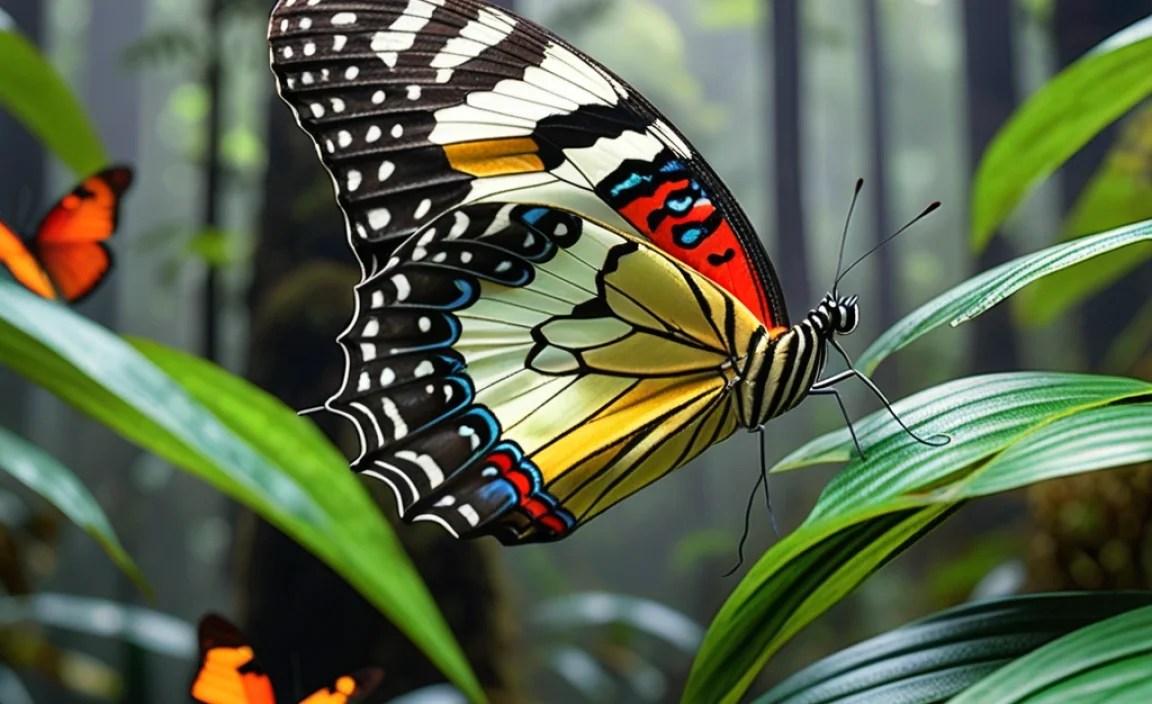
Borneo, a vast island shared by Malaysia, Indonesia, and Brunei, is renowned for its incredible biodiversity. Its montane forests, found at higher elevations, offer a unique habitat for a wide variety of butterfly species. These forests are characterized by cooler temperatures, higher humidity, and distinct vegetation, creating ideal conditions for specialized butterfly communities.
Why Montane Forests?
Montane forests, also known as cloud forests, are particularly rich in butterfly diversity due to several factors:
- Climate: The cooler temperatures and high humidity create a stable environment for butterflies, reducing stress and allowing for longer lifespans.
- Vegetation: Montane forests are home to a diverse range of plant species, including many that serve as food sources for butterfly larvae (caterpillars).
- Isolation: The isolated nature of montane habitats can lead to the evolution of unique, endemic butterfly species found nowhere else in the world.
What Makes Bornean Butterflies Special?
Borneo’s butterflies are known for their vibrant colors, intricate patterns, and unique adaptations. Many species are endemic to the island, meaning they are found only in Borneo. Some notable examples include:
- Rajah Brooke’s Birdwing (Trogonoptera brookiana): A large, strikingly beautiful butterfly with iridescent green markings, named after the first White Rajah of Sarawak, James Brooke.
- Bornean Birdwing (Troides andromache): Another impressive birdwing butterfly, known for its large size and striking black and yellow coloration.
- Various Nymphalidae Species: The Nymphalidae family, also known as brush-footed butterflies, is well-represented in Borneo, with many species displaying intricate patterns and vibrant colors.
How to Find Butterflies in Borneo’s Montane Forests: A Step-by-Step Guide

Ready to embark on your butterfly-spotting adventure? Here’s a practical guide to help you find and observe these fascinating creatures in Borneo’s montane forests.
Step 1: Choose the Right Location
Not all montane forests are created equal. Some areas are more accessible and offer better opportunities for butterfly spotting than others. Consider these factors when choosing your location:
- Accessibility: Look for locations with well-maintained trails and established ecotourism infrastructure. This will make your search easier and more enjoyable.
- Butterfly Hotspots: Research known butterfly hotspots within Borneo’s montane regions. National parks and protected areas are often good choices.
- Local Expertise: Consult with local guides or tour operators who have experience in butterfly spotting. They can provide valuable insights and lead you to the best locations.
Some recommended locations include:
- Kinabalu National Park (Sabah, Malaysia): A UNESCO World Heritage Site, home to Mount Kinabalu, the highest peak in Southeast Asia, and a rich diversity of butterfly species.
- Gunung Mulu National Park (Sarawak, Malaysia): Famous for its extensive cave systems and lush rainforest, offering excellent opportunities for butterfly spotting.
- Danum Valley Conservation Area (Sabah, Malaysia): A pristine rainforest area known for its exceptional biodiversity and research facilities.
Step 2: Plan Your Visit
Timing is crucial for successful butterfly spotting. Consider these factors when planning your visit:
- Time of Year: The dry season (typically March to September) is generally the best time to visit, as butterflies are more active during sunny weather.
- Time of Day: Butterflies are most active in the morning, especially between 9:00 AM and 12:00 PM, when the sun is shining and temperatures are rising.
- Weather Conditions: Avoid visiting during heavy rain or strong winds, as butterflies tend to seek shelter during these conditions.
Step 3: Gear Up for Your Adventure
Having the right equipment can significantly enhance your butterfly-spotting experience. Here’s a list of essential items to bring along:
- Binoculars: A good pair of binoculars will allow you to observe butterflies from a distance, without disturbing them.
- Camera: A camera with a macro lens is essential for capturing close-up images of butterflies.
- Field Guide: A field guide to the butterflies of Borneo will help you identify the species you encounter.
- Butterfly Net (Optional): A butterfly net can be useful for catching butterflies for closer examination, but remember to handle them with care and release them unharmed. Be aware of local regulations regarding collecting.
- Comfortable Clothing: Wear lightweight, breathable clothing that protects you from the sun and insects.
- Hiking Boots: Sturdy hiking boots are essential for navigating the trails in montane forests.
- Insect Repellent: Protect yourself from mosquito bites and other insect pests.
- Sunscreen: Protect your skin from the strong tropical sun.
- Water Bottle: Stay hydrated by carrying plenty of water.
- First-Aid Kit: Be prepared for minor injuries with a basic first-aid kit.
Step 4: Explore the Trails
Once you’re in the forest, take your time and explore the trails slowly and carefully. Keep an eye out for butterflies in these locations:
- Sunny Patches: Butterflies often bask in sunny patches to warm up their bodies.
- Flowering Plants: Many butterflies are attracted to flowering plants, where they feed on nectar.
- Mud Puddles: Some butterflies gather around mud puddles to extract minerals and nutrients.
- Forest Edges: The edges of the forest, where sunlight penetrates, can be particularly rich in butterfly activity.
Step 5: Observe Butterfly Behavior
Pay attention to the behavior of the butterflies you encounter. This can provide valuable clues about their identity and ecology.
- Flight Patterns: Note the way the butterfly flies – is it fast and erratic, or slow and graceful?
- Feeding Habits: Observe what the butterfly is feeding on – nectar, sap, or other substances.
- Resting Posture: Notice how the butterfly holds its wings when at rest – open, closed, or partially open.
- Mating Behavior: If you’re lucky, you may witness butterflies engaging in mating rituals.
Step 6: Identify the Butterflies
Use your field guide or a butterfly identification app to identify the species you encounter. Pay attention to these key features:
- Wing Shape: Note the overall shape of the wings – rounded, pointed, or elongated.
- Wing Color: Observe the dominant colors and patterns on the wings.
- Wing Markings: Pay attention to any spots, stripes, or other distinctive markings on the wings.
- Body Shape: Note the shape and color of the butterfly’s body.
Some popular butterfly identification apps include:
- Picture Insect: Identify insects instantly with your smartphone.
- iNaturalist: A joint initiative by the California Academy of Sciences and the National Geographic Society.
Here’s a simple table to help you identify some common butterfly families in Borneo:
| Family | Common Characteristics | Examples |
|---|---|---|
| Papilionidae (Swallowtails) | Large, often with tails on hindwings, vibrant colors. | Rajah Brooke’s Birdwing, Bornean Birdwing |
| Pieridae (Whites and Yellows) | Typically white or yellow, medium-sized. | Various species of Eurema and Cepora |
| Nymphalidae (Brush-footed Butterflies) | Diverse group, often with intricate patterns and vibrant colors. | Many species of Hypolimnas and Junonia |
| Lycaenidae (Blues, Coppers, and Hairstreaks) | Small, often with metallic colors, delicate. | Various species of Jamides and Arhopala |
Step 7: Respect the Environment
When exploring Borneo’s montane forests, it’s essential to respect the environment and minimize your impact. Follow these guidelines:
- Stay on Marked Trails: Avoid wandering off trails, as this can damage fragile vegetation and disturb wildlife.
- Do Not Litter: Pack out all trash and dispose of it properly.
- Do Not Disturb Wildlife: Observe butterflies from a distance and avoid touching or handling them.
- Do Not Collect Butterflies (Unless Permitted): Collecting butterflies may be prohibited in certain areas. Check local regulations before collecting any specimens.
- Support Local Conservation Efforts: Consider donating to local conservation organizations or participating in ecotourism activities that benefit the local community.
The Ecological Importance of Butterflies
Butterflies play a crucial role in the ecosystem of Borneo’s montane forests. They serve as:
- Pollinators: Butterflies help to pollinate flowering plants, contributing to plant reproduction and biodiversity.
- Food Source: Butterflies and their larvae (caterpillars) are an important food source for birds, reptiles, and other animals.
- Indicators of Environmental Health: Butterfly populations are sensitive to environmental changes, making them valuable indicators of habitat quality and ecosystem health.
The decline of butterfly populations can have cascading effects on the entire ecosystem. Habitat loss, pesticide use, and climate change are major threats to butterflies in Borneo and around the world. Conservation efforts are essential to protect these beautiful creatures and the vital role they play in the environment.
Tips for Capturing Stunning Butterfly Photos
Photographing butterflies can be a rewarding experience. Here are some tips to help you capture stunning images:
- Use a Macro Lens: A macro lens will allow you to capture close-up details of butterflies.
- Shoot in Natural Light: Natural light is ideal for photographing butterflies. Avoid using flash, as it can scare them away and create harsh shadows.
- Focus Carefully: Focus on the butterfly’s eyes or antennae to capture the sharpest image.
- Use a Fast Shutter Speed: A fast shutter speed will help to freeze the butterfly’s movement.
- Be Patient: Butterflies can be unpredictable, so be patient and wait for the right moment to capture your shot.
- Consider the Background: Choose a background that complements the butterfly’s colors and patterns.
- Experiment with Angles: Try shooting from different angles to create unique and interesting compositions.
Here’s a table comparing different camera settings for butterfly photography:
| Setting | Recommendation | Reason |
|---|---|---|
| Aperture | f/5.6 to f/8 | Provides a good balance between sharpness and depth of field. |
| Shutter Speed | 1/200 second or faster | Freezes the butterfly’s movement and prevents blur. |
| ISO | As low as possible (e.g., ISO 100 or 200) | Minimizes noise and maximizes image quality. |
| Focus Mode | Single-point autofocus | Allows you to precisely focus on the butterfly’s eyes or antennae. |
| Metering Mode | Evaluative/Matrix metering | Provides a balanced exposure in most lighting conditions. |
Frequently Asked Questions (FAQ)
1. What is a montane forest?
A montane forest is a forest found at a high elevation on a mountain. These forests often have cooler temperatures, higher rainfall, and unique plant and animal life compared to forests at lower elevations.
2. Why are butterflies important?
Butterflies are important pollinators, helping plants reproduce. They also serve as a food source for other animals and are indicators of a healthy environment.
3. What is the best time of year to see butterflies in Borneo?
The dry season, typically from March to September, is the best time to see butterflies in Borneo. Sunny weather encourages butterfly activity.
4. What should I wear when looking for butterflies?
Wear lightweight, breathable clothing that protects you from the sun and insects. Sturdy hiking boots are also essential for navigating forest trails.
5. What equipment do I need to find butterflies?
Essential equipment includes binoculars, a camera with a macro lens, a field guide to butterflies, insect repellent, sunscreen, and a water bottle.
6. How can I help protect butterflies?
You can help protect butterflies by supporting conservation efforts, avoiding pesticide use, planting butterfly-friendly gardens, and respecting their natural habitat.
7. Are there any poisonous butterflies in Borneo?
Some butterflies in Borneo are poisonous because their caterpillars feed on toxic plants. These butterflies often have bright colors to warn predators. It’s best not to handle any butterflies unless you’re sure they’re safe.
Conclusion
Exploring the world of butterflies in Borneo’s montane forests is an unforgettable experience. By following these simple steps, you can increase your chances of spotting these beautiful creatures and gain a deeper appreciation for their ecological importance. Remember to respect the environment, support conservation efforts, and share your discoveries with others. Happy butterfly spotting!


