Butterfly Taxonomy Guide: The Ultimate Classification

Quick Summary:
Butterfly taxonomy is the science of classifying butterflies into groups based on their shared characteristics. It starts with broad categories like Kingdom (Animalia) and narrows down to specific species. Understanding this classification helps us identify and learn about the incredible diversity of these winged wonders. This guide simplifies butterfly taxonomy so anyone can explore the butterfly family tree!
Have you ever wondered how scientists organize the vast world of butterflies? It can feel overwhelming to understand the different families, genera, and species. Identifying butterflies becomes much easier with a basic understanding of taxonomy.
This guide will walk you through the fascinating world of butterfly classification. We’ll break down the levels of taxonomy, explain how butterflies are grouped, and provide tips for identifying different species. Let’s begin our journey into the butterfly family tree!
FAQ About Butterfly Taxonomy
What is taxonomy?
Taxonomy is the science of classifying living things into groups based on shared characteristics. It helps us organize and understand the relationships between different organisms.
Why is butterfly taxonomy important?
Butterfly taxonomy helps us to identify, study, and conserve different butterfly species. It also helps us understand their evolutionary relationships and ecological roles.
What are the main levels of classification?
The main levels of classification are Kingdom, Phylum, Class, Order, Family, Genus, and Species. Each level becomes more specific as you go down the list.
How are butterflies classified?
Butterflies are classified based on their physical characteristics, genetic information, and evolutionary history. Scientists look at wing patterns, body structures, and DNA to determine how butterflies are related.
What is the difference between a genus and a species?
A genus is a group of closely related species. A species is a specific group of organisms that can interbreed and produce fertile offspring. For example, Danaus is a genus of milkweed butterflies, and Danaus plexippus is the species name for the monarch butterfly.
How can I use taxonomy to identify butterflies?
By understanding the different families and genera of butterflies, you can narrow down the possibilities when trying to identify a butterfly. Look for key characteristics that are specific to certain groups.
Where can I find more information about butterfly taxonomy?
You can find more information about butterfly taxonomy from natural history museums, universities, and online resources like the Xerces Society.
Understanding Butterfly Taxonomy: A Beginner’s Guide
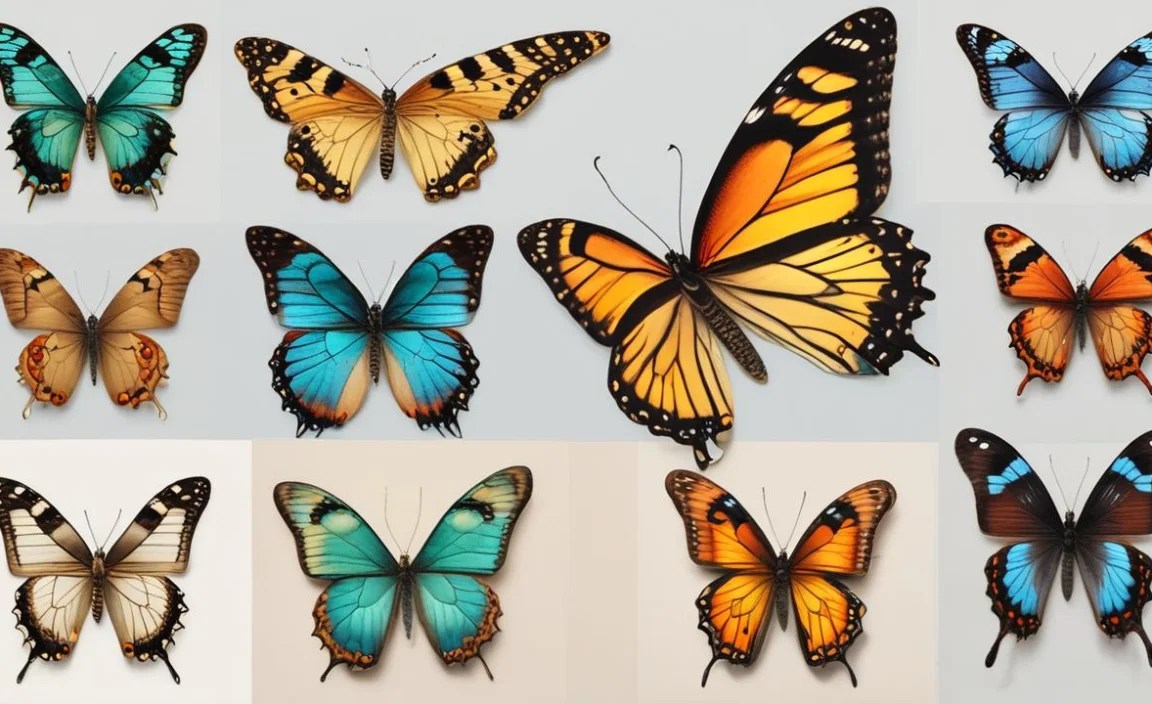

Taxonomy is the science of classifying living things. It’s how scientists organize the incredible diversity of life on Earth. Butterfly taxonomy specifically deals with classifying different types of butterflies. Think of it like creating a family tree for butterflies, showing how they are related to each other.
Why is Taxonomy Important?
Understanding butterfly taxonomy is essential for several reasons:
- Identification: It helps us accurately identify different butterfly species.
- Conservation: It allows us to understand which species are rare or endangered, so we can protect them.
- Research: It provides a framework for studying butterfly evolution, behavior, and ecology.
- Communication: It gives scientists a common language to discuss and share information about butterflies.
The Levels of Classification
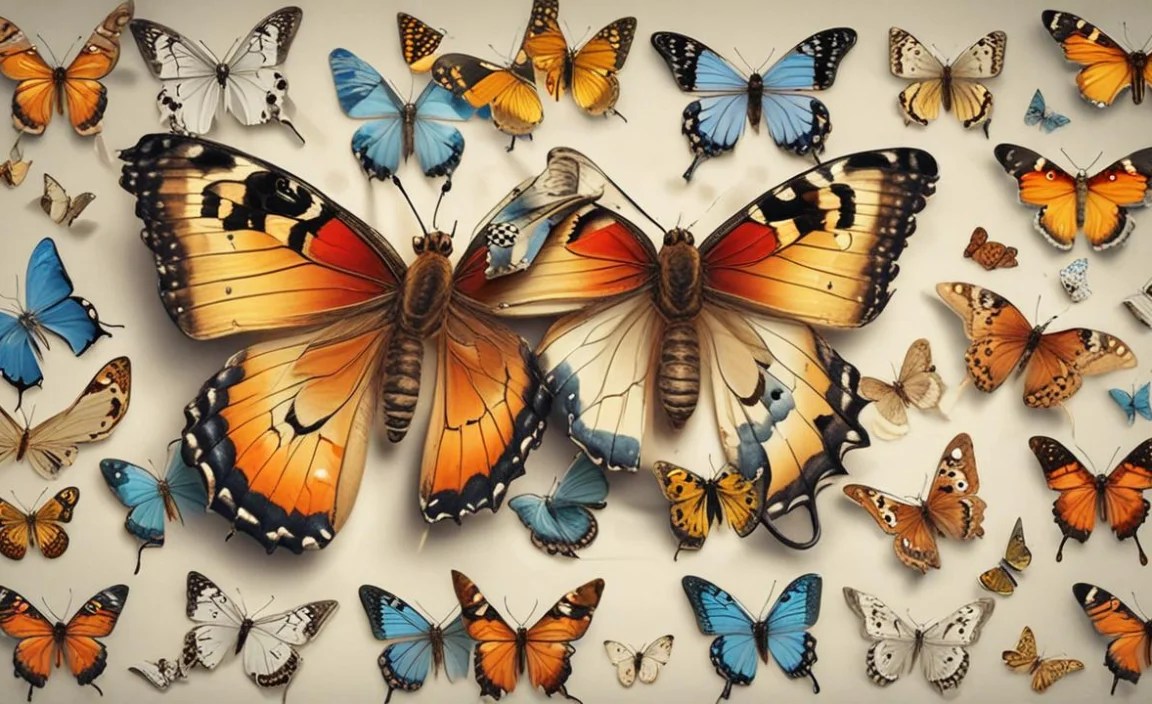

The taxonomic system uses a hierarchical structure, meaning it has different levels that become increasingly specific. Here are the main levels, from broadest to most specific:
- Kingdom: The highest level of classification. Butterflies belong to the Kingdom Animalia (animals).
- Phylum: A group of closely related classes. Butterflies belong to the Phylum Arthropoda (insects, spiders, crustaceans).
- Class: A group of closely related orders. Butterflies belong to the Class Insecta (insects).
- Order: A group of closely related families. Butterflies belong to the Order Lepidoptera (butterflies and moths).
- Family: A group of closely related genera. This is where things get more specific for butterflies!
- Genus: A group of closely related species.
- Species: The most specific level. A group of organisms that can interbreed and produce fertile offspring.
Think of it like this: You start with all animals (Kingdom), then narrow it down to animals with exoskeletons (Phylum), then to insects (Class), then to butterflies and moths (Order). Finally, you get to the specific family, genus, and species of a particular butterfly.
Butterfly Families

The Family level is where the real fun begins for butterfly enthusiasts. Here are some of the major butterfly families and their key characteristics:
1. Nymphalidae (Brush-footed Butterflies)
Nymphalidae is one of the largest and most diverse butterfly families. They are called “brush-footed” because their front legs are small and hairy, and they don’t use them for walking.
- Characteristics:
- Brush-like front legs
- Often brightly colored
- Many have intricate wing patterns
- Examples: Monarch, Viceroy, Painted Lady, Red Admiral
2. Papilionidae (Swallowtail Butterflies)
Swallowtails are among the largest and most striking butterflies. They are named for the elongated “tails” on their hindwings.
- Characteristics:
- Large size
- Elongated tails on hindwings (in many species)
- Bright colors, often with black and yellow patterns
- Examples: Eastern Tiger Swallowtail, Black Swallowtail, Pipevine Swallowtail
3. Pieridae (Whites and Sulphurs)
Pieridae butterflies are often white, yellow, or orange. They are commonly seen in gardens and fields.
- Characteristics:
- Wings are typically white, yellow, or orange
- Small to medium size
- Often have black markings
- Examples: Cabbage White, Clouded Sulphur, Orange Sulphur
4. Lycaenidae (Gossamer-winged Butterflies)
Lycaenidae is a large family of small, often colorful butterflies. They are called “gossamer-winged” because of their delicate, iridescent wings.
- Characteristics:
- Small size
- Often brightly colored with metallic or iridescent patterns
- Many have small tails or spots that look like eyes
- Examples: Spring Azure, Eastern Tailed-Blue, American Copper
5. Hesperiidae (Skippers)
Skippers are small, stout-bodied butterflies with hooked antennae. They have a rapid, darting flight, which gives them their name.
- Characteristics:
- Small, stout body
- Hooked antennae
- Rapid, darting flight
- Wings are often brown or orange
- Examples: Silver-spotted Skipper, Sachem, Fiery Skipper
Genus and Species: Getting Specific
Once you’ve identified the family of a butterfly, you can move on to the genus and species. The genus is a group of closely related species, and the species is the most specific level of classification.
Butterfly names are written using binomial nomenclature, which means they have two parts: the genus name and the species name. For example, the monarch butterfly is Danaus plexippus. Danaus is the genus, and plexippus is the species.
The genus name is always capitalized, and the species name is always lowercase. Both names are usually italicized.
How to Use Taxonomy for Butterfly Identification
Here’s a step-by-step guide to using taxonomy to identify butterflies:
- Observe the butterfly carefully. Note its size, shape, color, and wing patterns.
- Determine the family. Use the characteristics described above to narrow down the possibilities. For example, if the butterfly has brush-like front legs, it’s likely a Nymphalid. If it has tails on its hindwings, it’s likely a Papilionid.
- Look for key features. Once you’ve identified the family, look for specific features that can help you identify the genus and species. For example, the monarch butterfly (Danaus plexippus) is easily identified by its orange wings with black veins and white spots.
- Use a field guide or online resource. Compare your observations with the descriptions and images in a butterfly field guide or online resource. The National Wildlife Federation website is a great place to start.
Butterfly Characteristics Table
Here is a table summarizing the key characteristics of each butterfly family:
| Family | Key Characteristics | Examples |
|---|---|---|
| Nymphalidae | Brush-like front legs, often brightly colored | Monarch, Viceroy, Painted Lady |
| Papilionidae | Large size, tails on hindwings (in many species) | Eastern Tiger Swallowtail, Black Swallowtail |
| Pieridae | Wings are typically white, yellow, or orange | Cabbage White, Clouded Sulphur |
| Lycaenidae | Small size, often brightly colored with metallic patterns | Spring Azure, Eastern Tailed-Blue |
| Hesperiidae | Small, stout body, hooked antennae, rapid flight | Silver-spotted Skipper, Sachem |
Resources for Further Exploration
Here are some resources that can help you deepen your understanding of butterfly taxonomy:
- Butterfly Field Guides: These guides provide detailed descriptions and images of different butterfly species. Some popular field guides include “Butterflies of North America” by Jim P. Brock and Kenn Kaufman, and “National Audubon Society Field Guide to North American Butterflies” by Robert Michael Pyle.
- Online Resources: Websites like BugGuide.net and Butterflies and Moths of North America (BAMONA) offer extensive information and images of butterflies.
- Museums and Nature Centers: Visit your local natural history museum or nature center to see butterfly collections and exhibits.
- Butterfly Clubs and Organizations: Join a butterfly club or organization to connect with other enthusiasts and learn from experts. The North American Butterfly Association (NABA) is a great resource.
The Importance of Accurate Identification
Accurate butterfly identification is crucial for several reasons:
- Conservation Efforts: Knowing which species are present in an area helps conservationists track populations and protect habitats.
- Ecological Studies: Accurate identification is essential for studying butterfly behavior, migration patterns, and interactions with other species.
- Citizen Science: Many citizen science projects rely on accurate butterfly identification to collect data on butterfly populations and distributions.
Challenges in Butterfly Taxonomy
Butterfly taxonomy is not always straightforward. There are several challenges that scientists face when classifying butterflies:
- Hybridization: Some butterfly species can hybridize, which makes it difficult to determine their evolutionary relationships.
- Morphological Variation: Butterflies can exhibit significant variation in their appearance, even within the same species. This can make it challenging to distinguish between different species.
- Cryptic Species: Some butterfly species look very similar but are genetically distinct. These are called cryptic species, and they can be difficult to identify without genetic analysis.
The Role of Genetics in Butterfly Taxonomy
In recent years, genetics has played an increasingly important role in butterfly taxonomy. DNA analysis can help scientists resolve taxonomic uncertainties and identify cryptic species.
Genetic data can also be used to reconstruct the evolutionary history of butterflies and understand how different species are related to each other. This information is essential for developing effective conservation strategies.
How Climate Change Impacts Butterfly Taxonomy
Climate change is having a significant impact on butterfly populations and distributions. As temperatures rise and habitats change, some butterfly species are shifting their ranges, while others are declining.
These changes can make it more difficult to identify butterflies, as species may be found in areas where they were not previously known to occur. Climate change can also lead to changes in butterfly morphology and behavior, which can further complicate identification.
Understanding butterfly taxonomy is more important than ever in the face of climate change. By accurately identifying and monitoring butterfly populations, we can track the impacts of climate change and develop strategies to protect these vulnerable insects.
Building a Butterfly-Friendly Garden
One of the best ways to learn about butterfly taxonomy is to attract butterflies to your garden. By planting a variety of nectar-rich flowers and host plants, you can create a haven for butterflies and observe them up close.
Here are some tips for building a butterfly-friendly garden:
- Plant a variety of flowers that bloom at different times of the year. This will provide a continuous source of nectar for butterflies throughout the growing season.
- Include host plants for butterfly caterpillars. Host plants are specific plants that butterfly caterpillars need to feed on. For example, monarch caterpillars feed exclusively on milkweed.
- Provide a water source for butterflies. Butterflies need water to drink and cool off. You can provide a shallow dish of water with pebbles or sand for them to land on.
- Avoid using pesticides. Pesticides can harm or kill butterflies and other beneficial insects.
- Provide shelter from the wind and sun. Butterflies need shelter from the elements. You can provide this by planting trees, shrubs, and tall grasses.
The Symbolic Meaning of Butterflies
Butterflies have long been symbols of transformation, beauty, and hope. In many cultures, butterflies are associated with the soul and the afterlife.
The butterfly’s life cycle, from egg to caterpillar to chrysalis to butterfly, is a powerful metaphor for personal growth and transformation. Just as the caterpillar transforms into a beautiful butterfly, we too can transform and evolve throughout our lives.
Butterflies also represent the beauty and fragility of life. Their delicate wings and vibrant colors remind us to appreciate the present moment and cherish the beauty that surrounds us.
By understanding and appreciating butterflies, we can connect with nature on a deeper level and find inspiration in their beauty and resilience.
Conclusion
Butterfly taxonomy might seem complex at first, but it’s a fascinating and essential field. By understanding the different levels of classification and the key characteristics of butterfly families, you can become a more knowledgeable and observant butterfly enthusiast. Whether you’re a gardener, a nature lover, or a student, learning about butterfly taxonomy will deepen your appreciation for these amazing creatures and the natural world around us. So, grab your field guide, head outside, and start exploring the wonderful world of butterflies!