
Species Identification Visual Guide: The Easy Way

Have you ever seen a cool bug and wondered what it was? Or maybe a pretty flower? Figuring out what kind of plant or animal you are seeing can be fun. A species identification visual guide can help you learn. It is like a detective book for nature.
Learning about nature is super cool. It teaches us about the world. Let’s explore how to use a species identification visual guide. You can become a nature expert.
Key Takeaways
- A species identification visual guide helps you name plants and animals.
- Look at pictures and read descriptions to match what you see.
- Notice small details like leaf shape or insect colors.
- Use different guides for birds, trees, bugs, and more.
- Learning about species helps us protect the environment.
What is a Species Identification Visual Guide?
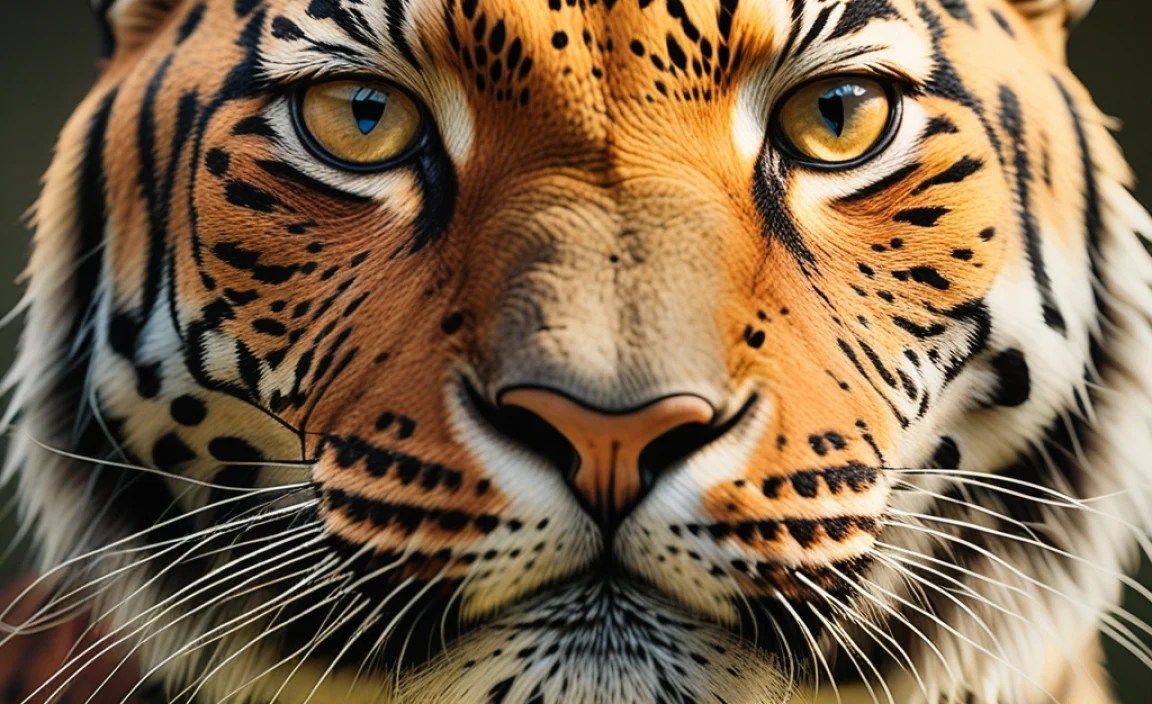
A species identification visual guide is a book or website. It helps you figure out what kind of plant or animal you are looking at. These guides have pictures and descriptions. You can compare what you see in nature to the pictures. The descriptions tell you important things to look for. This might include the size, color, and shape of the plant or animal. Some guides even have maps. These maps show where different species live. A good guide makes learning about nature easy and fun. It can help you discover new things in your own backyard. They often cover local species, so you can identify them easier. There are guides for almost every kind of living thing.
- It shows pictures of plants and animals.
- It gives descriptions of each species.
- It can tell you where they live.
- It helps you learn about nature.
- It makes identifying species easy.
Imagine you find a strange mushroom in the forest. You are not sure if it is safe to touch. A species identification visual guide can help. You can look at the pictures of different mushrooms. Then, you can read about their features. Maybe it has spots or a certain smell. The guide can tell you if it is poisonous or safe. This is very important for your safety. It also helps you learn about the different kinds of mushrooms. You will start to notice things you never saw before. The world around you will become more interesting. Using a guide helps you become a better observer.
Fun Fact or Stat: There are over 300,000 known species of plants on Earth!
Why Use a Visual Guide?
Have you ever wondered why some birds have bright colors? A species identification visual guide can tell you. These guides often explain why animals look the way they do. For example, bright colors might help a bird attract a mate. Or, they might warn other animals that it is poisonous. Understanding these things makes nature even more amazing. You start to see how everything is connected. The guides can also teach you about animal behavior. You might learn why some animals migrate or how they find food. Learning about species is like unlocking secrets of the natural world. It helps you appreciate the beauty and complexity of life.
What Makes a Good Guide?
What if you found a guide with blurry pictures? It would be hard to use, right? A good species identification visual guide needs clear pictures. The pictures should show different angles of the plant or animal. The descriptions should be easy to understand. They should use simple words and avoid confusing terms. A good guide also covers many different species. It should include common species and rare ones. It should be well-organized, so you can find what you are looking for quickly. Some guides also have keys. These keys ask you questions to narrow down the possibilities. This can make identifying species much easier. A well-made guide is a valuable tool for any nature lover.
Where Can You Find Guides?
Did you know you can find guides at the library? Many libraries have books about local plants and animals. You can also find guides online. There are many websites and apps that can help you identify species. Some apps even let you take a picture. Then, the app will tell you what it is. These digital guides can be very convenient. You can take them with you on hikes. But it is always a good idea to double-check the information. Not all online guides are accurate. Look for guides from trusted sources. Museums and universities often have reliable guides. You can also ask a park ranger or nature center staff for recommendations.
Using Visual Clues for Species Identification
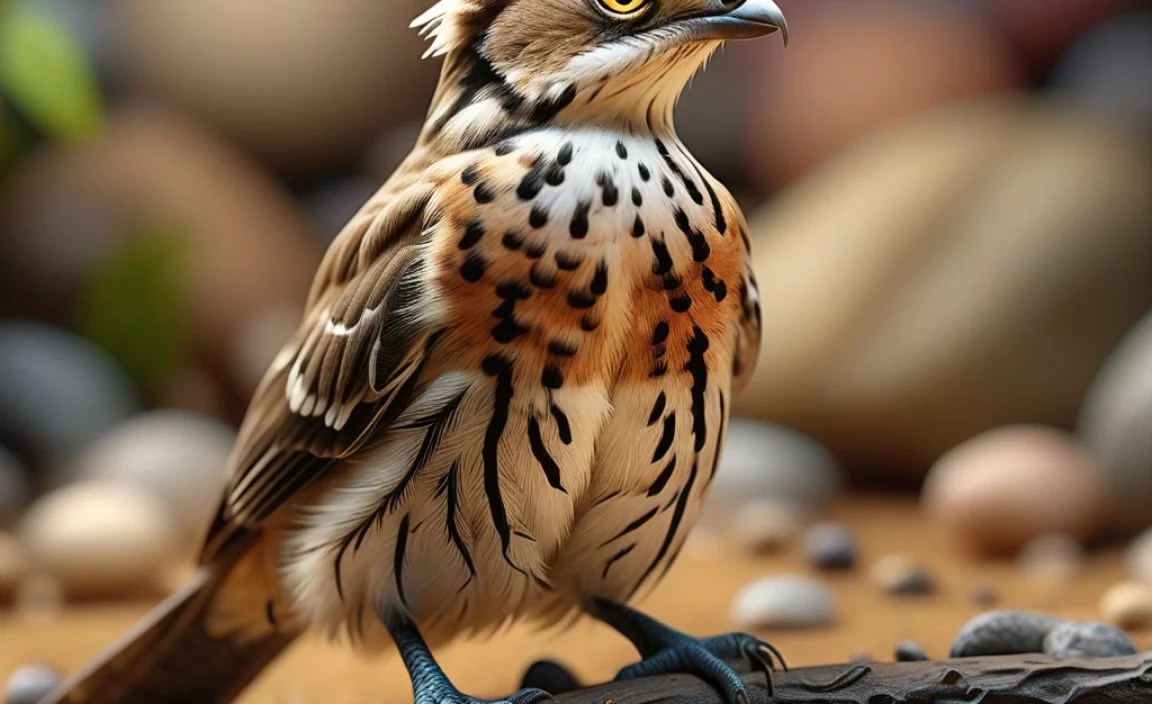
Using visual clues is like being a nature detective. You look for small details that help you identify a species. What color is it? How big is it? What shape is it? These clues can help you narrow down the possibilities. For example, if you see a bird with a red breast, it might be a robin. If you see a flower with five petals, it might be a type of rose. A species identification visual guide teaches you what clues to look for. It helps you understand what makes each species unique. Learning to use visual clues makes you a better observer. You will start to notice things you never saw before. Nature will become even more interesting.
- Look at the size of the plant or animal.
- Notice the colors and patterns.
- Pay attention to the shape of leaves or wings.
- Consider where you found it.
- Use a guide to compare your observations.
- Check if it has any unique features.
Imagine you are trying to identify a tree. You notice its leaves are shaped like stars. This is a very important clue. You can look in your species identification visual guide for trees with star-shaped leaves. You might find that it is a sweetgum tree. The guide might also tell you about its bark. The bark might be rough and ridged. It might also tell you about its fruit. The fruit might be spiky balls. By using all these clues, you can be sure you have identified the tree correctly. This is how nature detectives solve mysteries. It is all about paying attention to details and using your guide.
Fun Fact or Stat: Some insects use camouflage to look like leaves or twigs!
Color and Markings
Have you ever seen a butterfly with bright colors? Color and markings are very important visual clues. They can help you identify different species. For example, a monarch butterfly has orange and black wings. A swallowtail butterfly has yellow and black wings. These colors help them attract mates. They can also warn predators that they taste bad. A species identification visual guide will show you the different color patterns. It will tell you what they mean. Learning about color and markings can help you understand animal behavior. You will start to see how animals use their appearance to survive. It is like they are sending secret messages with their colors.
Size and Shape
Why is size important for identifying species? Imagine you see a very small bird. It is smaller than your hand. It is probably a hummingbird or a wren. If you see a very large bird, it might be an eagle or a hawk. Size can help you narrow down the possibilities. Shape is also important. The shape of a bird’s beak can tell you what it eats. A long, thin beak is good for drinking nectar. A short, strong beak is good for cracking seeds. A species identification visual guide will show you the different sizes and shapes. It will explain what they mean. Learning about size and shape helps you understand how animals live and survive.
Habitat and Location
Where you find a plant or animal is a very important clue. Some species only live in certain places. For example, you will not find a polar bear in the desert. Polar bears live in cold, icy places. You will not find a cactus in the rainforest. Cacti live in dry, hot places. A species identification visual guide will tell you where different species live. It will show you maps of their habitats. This can help you narrow down the possibilities. If you find a plant in a swamp, you know it is a species that likes wet conditions. Knowing where something lives is a big step in identifying it.
Different Types of Species Identification Guides

There are many different kinds of species identification visual guides. Some guides focus on birds. Others focus on trees or insects. Some guides cover a specific area, like a state or national park. The best guide for you depends on what you want to learn about. If you are interested in birds, get a bird guide. If you are interested in trees, get a tree guide. You can even find guides that cover everything in your backyard. These guides can help you learn about all the different species that live near you. They are a great way to start exploring nature.
- Bird guides help you identify birds.
- Tree guides help you identify trees.
- Insect guides help you identify insects.
- Flower guides help you identify flowers.
- Regional guides cover specific areas.
Imagine you are visiting a national park. You want to learn about the plants and animals there. You can get a regional guide for that park. The guide will show you the common species that live there. It will also tell you about the park’s unique features. You might learn about special habitats, like caves or waterfalls. The guide can help you appreciate the park even more. You will start to notice things you might have missed. You will learn about the park’s history and ecology. Using a regional guide is a great way to explore a new place and learn about its natural wonders. They are also very helpful to keep as mementos.
Fun Fact or Stat: There are over 90,000 different kinds of insects in the United States!
Bird Guides
Have you ever tried to identify a bird by its song? Bird guides can help you with that. Many bird guides include recordings of bird songs. You can listen to the songs and compare them to what you hear in nature. This can be a fun way to learn about birds. Bird guides also show pictures of different birds. They tell you about their size, color, and markings. They also tell you where they live and what they eat. A good bird guide can help you become a bird expert. You will start to recognize different birds by sight and sound. It is like learning a new language.
Tree Guides
Did you know you can identify a tree by its bark? Tree guides can teach you how to do that. They show pictures of different types of bark. They tell you about the texture and color. You can also identify trees by their leaves. Tree guides show you the different shapes and sizes of leaves. They also tell you about the tree’s flowers and fruits. A species identification visual guide for trees can help you become a tree detective. You will start to notice the differences between trees. You will learn about their importance to the environment. Trees provide us with oxygen, shelter, and food.
Insect Guides
Have you ever wondered what kind of bug is crawling in your garden? Insect guides can help you find out. They show pictures of different insects. They tell you about their size, shape, and color. They also tell you about their behavior. Some insects are helpful to gardeners. They eat other insects that damage plants. Other insects can damage plants themselves. An insect guide can help you tell the difference. You will learn about the important role that insects play in the ecosystem. They are food for birds and other animals. They also help pollinate plants.
Online Resources for Species Identification
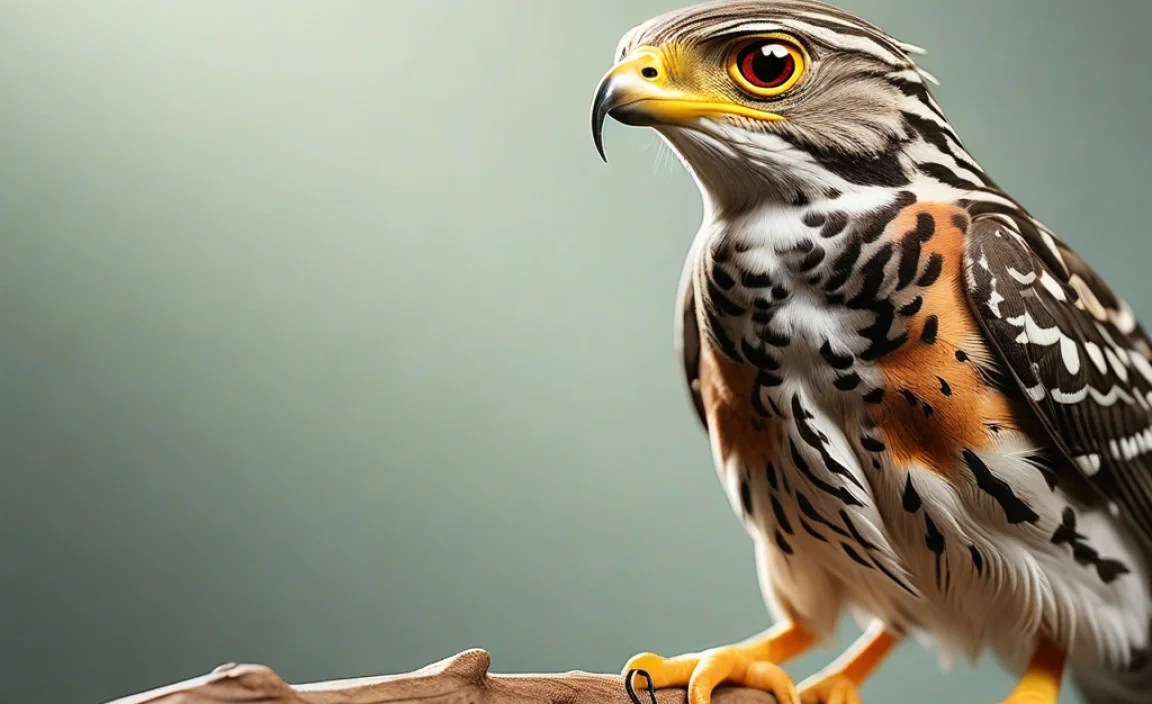
The internet is a great place to find species identification visual guides. There are many websites and apps that can help you identify plants and animals. Some websites have interactive keys. These keys ask you questions to narrow down the possibilities. Some apps let you take a picture of a plant or animal. Then, the app will tell you what it is. Online resources can be very convenient. You can access them from anywhere with an internet connection. But it is important to use reliable sources. Not all online information is accurate. Look for websites and apps from trusted organizations.
| Resource Type | Pros | Cons | Example |
|---|---|---|---|
| Website | Lots of information, often free. | Information can be inaccurate. | All About Birds (allaboutbirds.org) |
| App | Easy to use, portable. | May require subscription, accuracy varies. | iNaturalist |
| Online Forum | Get help from experts. | Responses may be slow, varying accuracy. | Reddit’s r/whatsthisbug |
| University Websites | Reliable, research-based information. | May be technical, less user-friendly. | UC Berkeley’s CalPhotos |
- Websites provide lots of information.
- Apps are easy to use on your phone.
- Forums let you ask questions to experts.
- Museums offer online databases.
- Universities have research websites.
Imagine you are hiking in the mountains. You see a flower you have never seen before. You do not have a physical guide with you. But you have your phone. You can use a plant identification app to take a picture of the flower. The app will analyze the picture and tell you what kind of flower it is. It might also give you information about the flower’s habitat and uses. This is a great example of how online resources can help you learn about nature. They make it easier than ever to identify species. Just remember to double-check the information with a trusted source.
Fun Fact or Stat: The iNaturalist app has helped identify millions of species around the world!
Using Apps for Identification
Have you ever wished you had a nature expert in your pocket? Plant and animal identification apps can be like that. You can take a picture of a plant or animal. The app will use image recognition to identify it. Some apps also have audio recognition. This means they can identify birds by their songs. These apps are very convenient. You can use them anywhere, anytime. However, it is important to remember that they are not always perfect. The accuracy of the identification depends on the quality of the picture or recording. It also depends on the app’s database. Always double-check the identification with a trusted source.
Online Databases
What if you want to learn about the scientific classification of a species? Online databases can help you with that. These databases contain information about the taxonomy of plants and animals. Taxonomy is the science of classifying living things. It organizes species into groups based on their evolutionary relationships. Online databases also provide information about the species’ distribution, habitat, and ecology. They are a valuable resource for scientists and researchers. They can also be helpful for anyone who wants to learn more about the natural world. Some popular online databases include the Encyclopedia of Life and the Global Biodiversity Information Facility.
Online Forums and Communities
Do you have a question about a plant or animal you cannot identify? Online forums and communities can help. These are places where people share their knowledge and expertise. You can post a picture of the plant or animal and ask for help. Experts and other knowledgeable people will try to identify it for you. Online forums can be a great way to learn from others. You can also share your own knowledge and help others identify species. Just be sure to use reputable forums and communities. Check the credentials of the experts before trusting their advice. Some popular forums include Reddit’s r/whatsthisplant and r/whatsthisbug.
How a Visual Guide Can Help Conservation
Learning about species can help us protect them. When we know what plants and animals live in our area, we can take steps to protect their habitats. We can also learn about the threats they face. This might include habitat loss, pollution, or climate change. A species identification visual guide can help us understand these issues. It can inspire us to take action. We can support conservation organizations. We can reduce our impact on the environment. We can educate others about the importance of protecting biodiversity. Every little bit helps. Together, we can make a difference.
- Learn about endangered species.
- Understand habitat loss and pollution.
- Support conservation organizations.
- Reduce your impact on the environment.
- Educate others about biodiversity.
- Protect the places species live.
Imagine you learn that a certain butterfly is endangered. It only lives in a specific area. This area is threatened by development. You can join a local conservation group to protect the butterfly’s habitat. You can also educate your friends and family about the importance of this species. You can encourage them to support conservation efforts. By learning about species and their threats, you can become an advocate for conservation. You can help protect the planet’s biodiversity for future generations. This is how a species identification visual guide can make a real difference.
Fun Fact or Stat: Many species are going extinct faster now than ever before!
Understanding Endangered Species
Have you ever heard of an endangered species? It means a plant or animal is in danger of disappearing forever. Many things can cause a species to become endangered. Habitat loss is a big one. When forests are cut down or wetlands are drained, animals lose their homes. Pollution can also harm species. Pesticides and other chemicals can poison animals and plants. Climate change is another threat. It can change the temperature and rainfall patterns, making it hard for species to survive. A species identification visual guide can help you learn about endangered species in your area. You can find out what is threatening them and what you can do to help.
Protecting Habitats
Why is it important to protect habitats? Habitats are the places where plants and animals live. They provide food, water, shelter, and space. When habitats are destroyed or damaged, species lose their homes. This can lead to a decline in their populations. Protecting habitats is essential for conserving biodiversity. There are many ways to protect habitats. We can create parks and reserves. We can restore damaged habitats. We can reduce pollution and climate change. We can also support sustainable development. This means using resources in a way that does not harm the environment. A species identification visual guide can help you understand the importance of protecting habitats.
Supporting Conservation Efforts
What can you do to support conservation efforts? There are many things you can do, even if you are young. You can join a conservation organization. You can volunteer your time to help with habitat restoration. You can donate money to support conservation projects. You can also make changes in your own life. You can reduce your use of plastic. You can recycle and compost. You can conserve water and energy. You can also educate others about the importance of conservation. Every little bit helps. By working together, we can make a big difference. A species identification visual guide can inspire you to get involved in conservation.
Summary
A species identification visual guide is a helpful tool for learning about nature. It helps you identify plants and animals by using pictures and descriptions. You can find guides for different types of species, like birds, trees, and insects. There are also online resources, like websites and apps, that can help you. Using visual clues, like color, size, and shape, can help you narrow down the possibilities. Learning about species is important for conservation. When we know what plants and animals live in our area, we can take steps to protect them. We can also learn about the threats they face and support conservation efforts.
Conclusion
Using a species identification visual guide is a fun way to explore the natural world. You can learn about the amazing diversity of life on Earth. You can become a nature detective and identify plants and animals in your own backyard. Learning about species can inspire you to protect the environment. You can support conservation efforts and make a difference. So, grab a guide and start exploring. There is a whole world of wonder waiting to be discovered.
Frequently Asked Questions
Question No 1: What is a species identification visual guide used for?
Answer: A species identification visual guide helps you figure out what kind of plant or animal you are seeing. It has pictures and descriptions that you can compare to what you find in nature. This helps you learn the names of different species. It also teaches you about their features, habitats, and behaviors. Using a guide makes learning about nature fun and easy. It can help you become a better observer and appreciate the diversity of life around you. They are great tools for both kids and adults.
Question No 2: Where can I find a good species identification visual guide?
Answer: You can find guides in many places. Libraries often have books about local plants and animals. You can also find guides online. There are many websites and apps that can help you identify species. Some museums and nature centers sell guides in their gift shops. When choosing a guide, look for one that is easy to understand. It should have clear pictures and accurate descriptions. It should also cover the species that are common in your area. Also, if you use it online, be sure to check the source of the information and make sure it is trustworthy.
Question No 3: How do I use a species identification visual guide?
Answer: First, observe the plant or animal carefully. Notice its size, shape, color, and markings. Pay attention to where you found it. Then, look in your species identification visual guide for a picture that matches what you saw. Read the description to see if it fits. If there are multiple possibilities, compare all the descriptions carefully. Look for unique features that can help you narrow down the choices. With practice, you will become better at using visual clues to identify species. It is like being a detective in nature.
Question No 4: Can a species identification visual guide help with conservation?
Answer: Yes, learning about species can help us protect them. When we know what plants and animals live in our area, we can take steps to protect their habitats. We can also learn about the threats they face. This might include habitat loss, pollution, or climate change. A species identification visual guide can inspire us to take action. We can support conservation organizations. We can reduce our impact on the environment. We can educate others about the importance of protecting biodiversity.
Question No 5: Are online species identification guides reliable?
Answer: Online guides can be helpful, but it is important to use them carefully. Not all online information is accurate. Look for websites and apps from trusted organizations, like museums, universities, or government agencies. Be wary of websites that look unprofessional or have lots of advertisements. Always double-check the information with a second source. You can also ask an expert, like a park ranger or nature center staff, for their opinion. A species identification visual guide should be accurate and reliable.
Question No 6: What if I cannot find the species I am looking for in the guide?
Answer: Sometimes, you might see a plant or animal that is not in your guide. This could mean it is a rare species. It could also mean it is a species that is not native to your area. If you cannot find it in your guide, try taking a picture and posting it on an online forum. Ask for help from experts and other knowledgeable people. You can also contact a local museum or nature center. They might be able to help you identify the species. Keep learning and exploring. Eventually, you will expand your knowledge and be able to identify more species. Maybe you can even update the species identification visual guide.


