
Monarch Butterfly Nectar Plants: Your Easy Guide

To attract Monarch butterflies, plant nectar-rich flowers like milkweed, butterfly bush, zinnia, and goldenrod. These plants provide the essential energy Monarchs need for their long migration and reproduction. Choose a variety of native species for continuous blooms throughout the butterfly season, ensuring a vibrant and supportive habitat.
Have you ever dreamed of seeing Monarch butterflies fluttering around your garden? These beautiful creatures are not only a joy to watch but also play a vital role in our ecosystem. But sadly, Monarch populations are declining. The good news is, you can help them by planting the right flowers! It might seem tricky to know where to start, but don’t worry.
In this article, I’ll guide you through choosing the best nectar plants for Monarchs, so you can create a butterfly-friendly garden that supports these incredible insects every step of the way. So, let’s get started and make your garden a Monarch haven!
Why Monarch Nectar Plants Matter

Monarch butterflies undertake one of the most remarkable migrations in the insect world, traveling thousands of miles each year. To fuel this incredible journey, they rely on nectar from flowers. Nectar is their primary source of energy, providing the sugars they need to fly, reproduce, and survive. Without enough nectar sources along their migratory routes and in their breeding grounds, Monarchs simply cannot thrive.
Here’s why nectar plants are so crucial for Monarchs:
- Energy for Migration: Nectar provides the necessary fuel for Monarchs to complete their long and arduous migration.
- Reproduction: Female Monarchs need energy from nectar to lay eggs.
- Survival: Adequate nectar sources ensure that Monarchs have the strength to survive and reproduce, sustaining their populations.
Top Nectar Plants for Monarch Butterflies

Choosing the right nectar plants can make a huge difference in attracting and supporting Monarch butterflies. Here are some of the best options to consider:
Milkweed (Asclepias spp.)
While milkweed is primarily known as the host plant for Monarch caterpillars (where they lay their eggs and the caterpillars feed), many species of milkweed also provide nectar for adult butterflies. Some of the best nectar-rich milkweed varieties include:
- Butterfly Weed (Asclepias tuberosa): This vibrant orange milkweed is a Monarch magnet and adds a splash of color to any garden.
- Swamp Milkweed (Asclepias incarnata): With its delicate pink flowers, swamp milkweed thrives in moist soil and attracts a variety of pollinators.
- Common Milkweed (Asclepias syriaca): Known for its fragrant blooms, common milkweed is a robust plant that provides ample nectar.
Butterfly Bush (Buddleja davidii)
As its name suggests, the butterfly bush is a favorite among butterflies, including Monarchs. Its long, cone-shaped flowers come in various colors, providing a rich nectar source throughout the summer.
- Benefits: Long bloom time, attracts many butterflies.
- Considerations: Can be invasive in some areas, so choose non-invasive varieties or prune regularly.
Zinnia (Zinnia elegans)
Zinnias are easy to grow and come in a wide array of colors and sizes. Their bright, daisy-like flowers are packed with nectar, making them irresistible to Monarchs and other butterflies.
- Benefits: Easy to grow, wide variety of colors, long bloom time.
- Tips: Deadhead spent flowers to encourage continuous blooming.
Goldenrod (Solidago spp.)
Goldenrod is often mistaken for ragweed, but it’s a valuable nectar source for Monarchs, especially during their fall migration. Its golden-yellow flowers provide a late-season boost of energy for butterflies preparing to travel south.
- Benefits: Late-season nectar source, supports migrating Monarchs.
- Considerations: Choose native varieties to avoid potential invasiveness.
Aster (Symphyotrichum spp.)
Asters are another excellent choice for late-season nectar. Their daisy-like flowers come in shades of purple, pink, and white, providing a beautiful and vital food source for Monarchs as they prepare for their migration.
- Benefits: Late-season nectar source, attractive colors.
- Tips: Plant in sunny locations with well-drained soil.
Other Great Nectar Plants
Here are some additional nectar plants that Monarchs love:
- Joe-Pye Weed (Eutrochium purpureum): Tall and stately, with clusters of pinkish-purple flowers.
- Lantana (Lantana camara): Colorful and heat-tolerant, with clusters of small, vibrant flowers.
- Salvia (Salvia spp.): Available in many colors, with long-lasting blooms that attract butterflies and hummingbirds.
- Cosmos (Cosmos bipinnatus): Delicate and airy, with daisy-like flowers in shades of pink, white, and orange.
How to Create a Monarch-Friendly Garden

Creating a garden that supports Monarch butterflies involves more than just planting nectar-rich flowers. Here’s a step-by-step guide to creating a thriving Monarch habitat:
Step 1: Choose the Right Location
Monarchs need plenty of sunlight and shelter from strong winds. Choose a location that receives at least six hours of sunlight per day and is protected from harsh weather.
Step 2: Prepare the Soil
Most nectar plants prefer well-drained soil. Amend heavy clay or sandy soil with compost or other organic matter to improve drainage and fertility. Conduct a soil test to determine the pH and nutrient levels, adjusting as needed to suit the specific needs of your chosen plants.
Step 3: Select a Variety of Plants
Plant a diverse selection of nectar plants that bloom at different times throughout the growing season. This will ensure a continuous supply of nectar for Monarchs from spring through fall. Include both early-blooming and late-blooming varieties to support Monarchs during their entire life cycle and migration.
Step 4: Plant Milkweed
Milkweed is essential for Monarchs because it’s the only plant where they lay their eggs and the caterpillars feed. Plant at least a few milkweed plants in your garden to provide a breeding ground for Monarchs. Choose native milkweed species that are well-suited to your local climate.
Step 5: Avoid Pesticides
Pesticides can be harmful to Monarch butterflies and other beneficial insects. Avoid using pesticides in your garden, or choose organic options that are less toxic. Encourage natural pest control by attracting beneficial insects like ladybugs and lacewings.
Step 6: Provide Water
Butterflies need water to stay hydrated. Provide a shallow dish of water with pebbles or stones for them to land on. This will allow them to drink without the risk of drowning.
Step 7: Offer Shelter
Monarchs need shelter from wind and rain. Plant shrubs and trees to provide a protected habitat. Consider adding a butterfly house or other structures to offer additional shelter.
Step 8: Monitor and Maintain
Regularly monitor your garden for pests and diseases. Remove weeds and deadhead spent flowers to encourage continuous blooming. Water plants as needed, especially during dry spells. Observe the Monarchs in your garden and enjoy the beauty of these amazing creatures.
Best Practices for Planting Nectar Plants
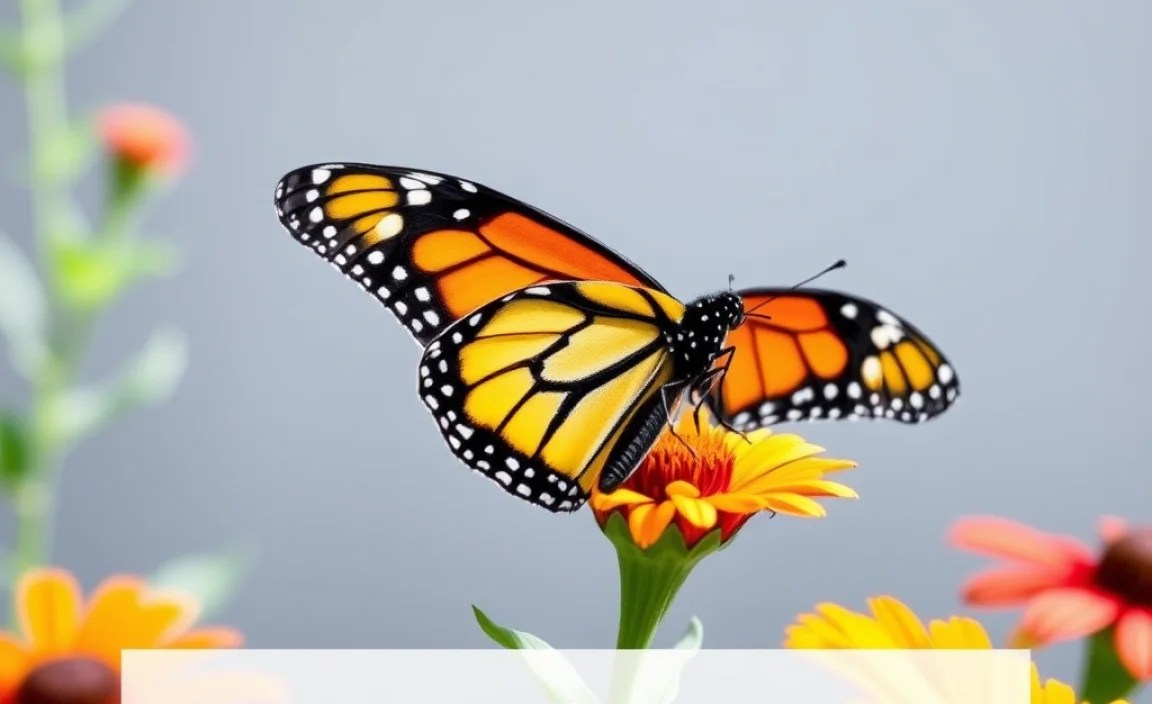
To ensure your nectar plants thrive and provide the best possible support for Monarch butterflies, follow these best practices:
- Choose Native Plants: Native plants are best adapted to your local climate and soil conditions, and they provide the most nutritious nectar for Monarchs.
- Plant in Clusters: Plant nectar plants in clusters to create a more attractive and accessible food source for butterflies.
- Provide Continuous Bloom: Select plants that bloom at different times throughout the growing season to ensure a continuous supply of nectar.
- Deadhead Regularly: Deadhead spent flowers to encourage more blooms and extend the flowering season.
- Water and Fertilize: Water plants regularly, especially during dry spells. Fertilize as needed to promote healthy growth and abundant blooms.
Common Mistakes to Avoid

Even with the best intentions, it’s easy to make mistakes when creating a Monarch-friendly garden. Here are some common pitfalls to avoid:
- Using Pesticides: Pesticides can harm or kill Monarchs and other beneficial insects. Avoid using them in your garden.
- Planting Invasive Species: Invasive plants can outcompete native species and disrupt the ecosystem. Choose native plants whenever possible.
- Neglecting Milkweed: Milkweed is essential for Monarchs. Don’t forget to include it in your garden.
- Planting Only Early-Blooming Varieties: Monarchs need nectar throughout the growing season. Choose plants that bloom at different times.
- Ignoring Soil Health: Healthy soil is essential for healthy plants. Amend your soil with compost or other organic matter to improve drainage and fertility.
The Role of Nectar Plants in Monarch Conservation
Planting nectar plants is a simple but powerful way to support Monarch conservation. By providing food and habitat, you can help these amazing creatures thrive. Here’s why your efforts matter:
- Supporting Migration: Nectar plants provide the energy Monarchs need to complete their long migration.
- Providing Breeding Grounds: Milkweed and other nectar plants create suitable breeding grounds for Monarchs.
- Enhancing Biodiversity: Creating a Monarch-friendly garden can attract other pollinators and beneficial insects, enhancing biodiversity in your area.
- Raising Awareness: By planting nectar plants and sharing your knowledge with others, you can raise awareness about Monarch conservation.
Examples of Successful Monarch Gardens
Want to see how others have created successful Monarch gardens? Here are a few inspiring examples:
- Community Gardens: Many community gardens have dedicated sections for Monarch-friendly plants, providing valuable habitat in urban areas.
- School Gardens: School gardens are a great way to educate children about Monarch conservation and involve them in hands-on learning.
- Home Gardens: Countless home gardeners have transformed their yards into Monarch havens, providing food and habitat for these beautiful butterflies.
Resources for Further Learning
Want to learn more about Monarch butterflies and nectar plants? Here are some valuable resources:
- U.S. Forest Service: Provides information on Monarch butterfly biology, habitat, and conservation efforts.
- National Wildlife Federation: Offers resources on creating Monarch-friendly habitats and supporting their migration.
- The Xerces Society: A leading organization dedicated to invertebrate conservation, with extensive resources on Monarch butterflies and their habitat needs.
- Monarch Joint Venture: A partnership of organizations working to protect Monarch butterflies and their migration.
Table: Monarch Nectar Plant Guide
| Plant Name | Bloom Time | Sun Exposure | Water Needs | Benefits |
|---|---|---|---|---|
| Butterfly Weed (Asclepias tuberosa) | Summer | Full Sun | Low | Attracts Monarchs, drought-tolerant |
| Swamp Milkweed (Asclepias incarnata) | Summer | Full Sun to Partial Shade | Medium to High | Attracts Monarchs, thrives in moist soil |
| Butterfly Bush (Buddleja davidii) | Summer to Fall | Full Sun | Medium | Long bloom time, attracts many butterflies |
| Zinnia (Zinnia elegans) | Summer to Fall | Full Sun | Medium | Easy to grow, wide variety of colors |
| Goldenrod (Solidago spp.) | Fall | Full Sun | Low | Late-season nectar source |
| Aster (Symphyotrichum spp.) | Fall | Full Sun | Medium | Late-season nectar source, attractive colors |
Table: Troubleshooting Common Issues with Nectar Plants
| Issue | Possible Cause | Solution |
|---|---|---|
| Plants not blooming | Lack of sunlight, poor soil, insufficient watering | Ensure plants receive enough sunlight, amend soil with compost, water regularly |
| Plants attracting pests | Weak plants, improper care | Choose pest-resistant varieties, use organic pest control methods, ensure proper watering and fertilization |
| Plants not attracting Monarchs | Not enough nectar-rich plants, use of pesticides | Plant more nectar-rich varieties, avoid pesticides, provide a water source |
| Plants spreading aggressively | Invasive species | Choose native or non-invasive varieties, monitor and control spread |
FAQ: Common Questions About Monarch Nectar Plants
What is the best time to plant nectar plants for Monarch butterflies?
The best time to plant nectar plants is in the spring or early summer. This allows the plants to become established and provide nectar throughout the butterfly season.
How much space do Monarch nectar plants need?
The amount of space needed depends on the specific plant species. Be sure to research the mature size of each plant and provide adequate spacing to allow for healthy growth.
Can I use seeds to grow nectar plants?
Yes, you can use seeds to grow many nectar plants. However, some plants may be easier to start from seedlings or cuttings. Follow the instructions on the seed packet or consult a local nursery for advice.
How often should I water nectar plants?
Water nectar plants regularly, especially during dry spells. The frequency of watering will depend on the plant species and the soil conditions. Check the soil moisture and water when the top inch feels dry.
Do I need to fertilize nectar plants?
Fertilize nectar plants as needed to promote healthy growth and abundant blooms. Use a balanced fertilizer or compost, following the instructions on the product label.
How can I protect my nectar plants from pests?
Avoid using pesticides, which can harm Monarch butterflies and other beneficial insects. Instead, encourage natural pest control by attracting beneficial insects like ladybugs and lacewings. You can also use organic pest control methods, such as insecticidal soap or neem oil.
What if my butterfly bush is becoming invasive?
If your butterfly bush is becoming invasive, prune it regularly to prevent it from spreading. You can also choose non-invasive varieties, such as Buddleja davidii ‘Miss Ruby’ or ‘Blue Chip’.
Conclusion
Creating a Monarch-friendly garden is a rewarding experience that allows you to connect with nature and support these amazing creatures. By planting the right nectar plants and following the best practices outlined in this article, you can create a thriving habitat for Monarch butterflies and contribute to their conservation. Every effort, no matter how small, makes a difference. So, get out there, plant some flowers, and watch your garden transform into a Monarch haven!


