
Common Buckeye Butterfly ID: Your Easy Guide

The Common Buckeye butterfly is easily identified by its prominent eyespots on both the upper and lower surfaces of its wings.
These striking spots, combined with a unique pattern of brown and orange bands, make it a joy to spot in fields and gardens. Keep an eye out for these beauties basking in the sun!
Have you ever been mesmerized by a butterfly, only to wonder what kind it was? Identifying butterflies can seem tricky, especially with so many species flitting around. One butterfly that often catches the eye is the Common Buckeye. Its vibrant colors and distinctive markings make it a favorite among butterfly enthusiasts.
But how can you confidently identify one? Don’t worry! This guide will walk you through the key features to look for, making your next butterfly encounter a moment of discovery.
Ready to become a Buckeye butterfly expert? Let’s dive in and explore the fascinating world of butterfly identification!
Identifying the Common Buckeye Butterfly: A Step-by-Step Guide
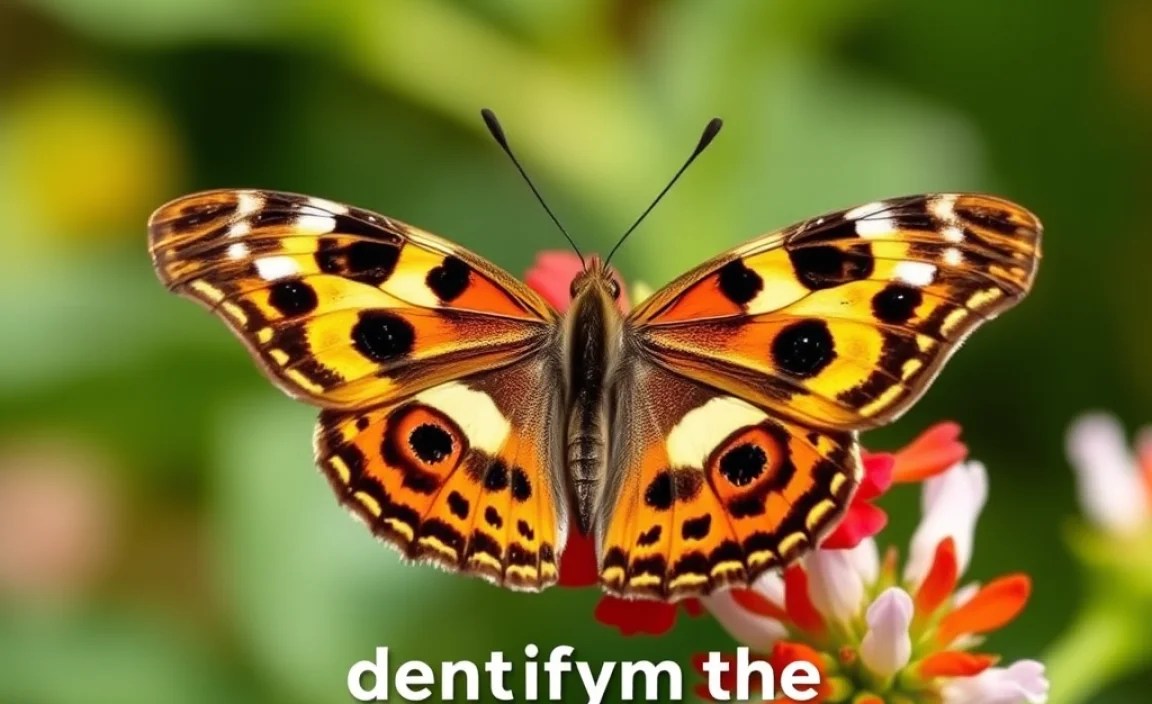
Identifying the Common Buckeye butterfly involves observing several key characteristics, including wing patterns, size, and behavior. Here’s a detailed guide to help you distinguish this butterfly from others.
1. Observe the Wing Patterns
The most distinctive feature of the Common Buckeye is its wing pattern. Look for these specific elements:
- Eyespots: The Buckeye is famous for its large, prominent eyespots on both the forewings and hindwings. These spots are typically ringed with different colors, adding to their visual impact.
- Wing Color: The base color of the wings is usually a shade of brown, overlaid with patterns of orange, tan, and sometimes a bit of purple or blue iridescence.
- Bands and Margins: Notice the distinct bands and margins along the edges of the wings. These can vary in intensity and width but are generally well-defined.
2. Check the Size and Shape
Size and shape can also help in identification. Here’s what to look for:
- Size: Common Buckeyes typically have a wingspan ranging from 2 to 2.5 inches (5 to 6.3 cm).
- Wing Shape: The wings have a somewhat angular shape, with the forewings being more pointed than rounded.
3. Examine the Underside of the Wings
The underside of the wings can provide additional clues:
- Eyespot Patterns: The eyespots are present on the underside as well, though they may be less vibrant than on the upper side.
- Marbling: Look for a marbled pattern of brown and gray, which helps the butterfly blend in with its environment when its wings are closed.
4. Consider the Habitat and Location
Knowing where you are seeing the butterfly can also aid in identification:
- Habitat: Common Buckeyes are found in open sunny areas such as fields, meadows, roadsides, and parks. They prefer habitats with low vegetation.
- Geographic Range: This butterfly is widespread across the United States, particularly in the South and Midwest. It can also be found in parts of Canada and Mexico. According to the Butterflies and Moths of North America, you can find them in most of the United States.
5. Observe the Butterfly’s Behavior
How the butterfly behaves can be a helpful clue:
- Flight Pattern: Buckeyes have a swift, erratic flight. They often fly low to the ground and can be quite active, especially in warm weather.
- Basking: They are often seen basking in the sun with their wings open, which allows you to get a good look at their wing patterns.
6. Compare with Similar Species
Several other butterfly species can be confused with the Common Buckeye. Here are a few to be aware of:
- Tropical Buckeye (Junonia genoveva): This species is very similar but typically has more pronounced blue markings and is found in South Florida and the Caribbean.
- Gray Hairstreak (Strymon melinus): While smaller and differently shaped, the Gray Hairstreak can sometimes be mistaken for a Buckeye due to similar coloration.
Detailed Characteristics of the Common Buckeye

To further aid in identification, let’s delve into more specific details about the Common Buckeye’s appearance and biology.
Wing Morphology
The wings of the Common Buckeye are a canvas of intricate patterns. The upper side of the forewings features two large eyespots, while the hindwings have one or two. The background color is typically a mix of brown and orange, with subtle variations depending on the individual and geographic location. The wing margins are often lined with a fine, dark border.
Size and Proportions
As mentioned earlier, the wingspan ranges from 2 to 2.5 inches. The body is relatively small and slender, allowing for agile flight. The antennae are clubbed, a common trait among butterflies, and are used for sensing the environment.
Life Cycle
Understanding the life cycle can provide context for identifying the butterfly at different stages:
- Eggs: The eggs are small and greenish, laid singly on host plants.
- Larvae (Caterpillars): The caterpillars vary in color but are often dark with spines. They feed on a variety of plants, including plantains, snapdragons, and figworts.
- Pupae (Chrysalis): The chrysalis is typically brown or gray and blends in with its surroundings.
- Adults: The adult butterflies emerge from the chrysalis and are ready to reproduce. They can have multiple broods per year, depending on the climate.
Habitat Preferences
Common Buckeyes thrive in open, disturbed areas where their host plants are abundant. They are often seen in fields, gardens, and along roadsides. They prefer sunny spots where they can bask and warm their bodies.
Behavioral Traits
Buckeyes are known for their territorial behavior. Males will often perch in open areas and aggressively defend their territory from other butterflies. They are also strong fliers and can be seen darting around in search of nectar or mates.
The Ecological Role of the Common Buckeye

Butterflies like the Common Buckeye play a vital role in the ecosystem. Understanding their ecological functions can deepen our appreciation for these insects.
Pollination
Like many butterflies, Common Buckeyes contribute to pollination. As they feed on nectar, they transfer pollen from one flower to another, aiding in plant reproduction. While they are not as efficient pollinators as bees, they still play a significant role in maintaining plant diversity.
Food Source
Buckeye caterpillars serve as a food source for birds and other predators. The adults also provide sustenance for various insectivores. By supporting the Buckeye population, we also support the larger food web.
Indicator Species
Butterflies are often considered indicator species, meaning their presence or absence can reflect the health of the environment. A decline in Buckeye populations could signal habitat loss, pollution, or other environmental issues. Monitoring their populations can provide valuable insights into the overall health of our ecosystems.
How to Attract Common Buckeyes to Your Garden

Attracting Common Buckeyes to your garden is a rewarding experience. Here are some tips to create a butterfly-friendly habitat:
- Plant Host Plants: Provide host plants such as plantains, snapdragons, and figworts. These plants will provide food for the caterpillars.
- Offer Nectar Sources: Plant nectar-rich flowers like asters, coneflowers, and zinnias. These will provide food for the adult butterflies.
- Provide a Water Source: Butterflies need water to stay hydrated. Create a shallow dish with water and add some pebbles for them to land on.
- Avoid Pesticides: Pesticides can harm butterflies and other beneficial insects. Use organic gardening practices to protect the environment.
- Create Sunny Basking Spots: Buckeyes love to bask in the sun. Provide open, sunny areas where they can warm their bodies.
Common Buckeye Butterfly Identification Table

Here is a table summarizing the key characteristics to help you identify the Common Buckeye butterfly:
| Characteristic | Description |
|---|---|
| Wing Pattern | Prominent eyespots on both forewings and hindwings; brown and orange coloration. |
| Size | Wingspan of 2 to 2.5 inches (5 to 6.3 cm). |
| Habitat | Open, sunny areas such as fields, meadows, and roadsides. |
| Behavior | Swift, erratic flight; often seen basking in the sun. |
| Host Plants | Plantains, snapdragons, figworts. |
Comparing Common Buckeye with Similar Species
Distinguishing the Common Buckeye from similar species can be challenging. Here’s a comparison table to help you differentiate:
| Species | Key Differences |
|---|---|
| Common Buckeye (Junonia coenia) | Widespread across the US; distinct eyespots and brown/orange coloration. |
| Tropical Buckeye (Junonia genoveva) | Found in South Florida and the Caribbean; more pronounced blue markings. |
| Gray Hairstreak (Strymon melinus) | Smaller size; lacks prominent eyespots; grayish coloration. |
The Cultural Significance of Butterflies
Butterflies have long held cultural significance in various societies around the world. They are often seen as symbols of transformation, beauty, and freedom. In some cultures, they represent the human soul or the afterlife. The vibrant colors and graceful flight of butterflies have inspired artists, poets, and writers for centuries.
Conservation Efforts and How You Can Help
While the Common Buckeye is not currently endangered, it is still important to support conservation efforts to protect butterfly habitats. Here are some ways you can help:
- Create Butterfly Gardens: Plant native flowers and host plants to provide food and shelter for butterflies.
- Support Local Conservation Organizations: Donate to or volunteer with organizations that work to protect butterfly habitats.
- Educate Others: Share your knowledge about butterflies with friends, family, and community members.
- Reduce Pesticide Use: Use organic gardening practices to protect butterflies and other beneficial insects.
- Advocate for Habitat Preservation: Support policies and initiatives that protect natural habitats from development and pollution.
FAQ: Common Buckeye Butterfly Identification
Here are some frequently asked questions about identifying Common Buckeye butterflies:
What is the most distinctive feature of the Common Buckeye butterfly?
The most distinctive feature is its large, prominent eyespots on both the forewings and hindwings.
Where can I typically find Common Buckeye butterflies?
They are commonly found in open, sunny areas such as fields, meadows, roadsides, and gardens.
What do Common Buckeye caterpillars eat?
Common Buckeye caterpillars feed on a variety of plants, including plantains, snapdragons, and figworts.
How big is the Common Buckeye butterfly?
The Common Buckeye has a wingspan ranging from 2 to 2.5 inches (5 to 6.3 cm).
Are Common Buckeye butterflies migratory?
While not considered a long-distance migratory species, Common Buckeyes do exhibit some migratory behavior, especially in response to changing weather conditions.
What is the lifespan of a Common Buckeye butterfly?
The lifespan of a Common Buckeye butterfly is relatively short, typically lasting only a few weeks as an adult.
Can Common Buckeyes be found in urban areas?
Yes, Common Buckeyes can be found in urban areas, particularly in parks, gardens, and other green spaces where their host plants and nectar sources are available.
Conclusion
Identifying the Common Buckeye butterfly is a delightful experience that connects us to the natural world. By observing their unique wing patterns, size, habitat, and behavior, you can confidently distinguish these beautiful creatures from other species.
Remember to create butterfly-friendly habitats in your garden and support conservation efforts to protect these vital pollinators. Every small action contributes to the preservation of biodiversity and the beauty of our ecosystems. So, next time you see a butterfly with striking eyespots, you’ll know you’ve encountered a Common Buckeye, a true gem of the butterfly world. Happy butterfly watching!


