
Identify Butterfly by Eyespots: A Smart Guide

Do you love butterflies? Have you ever seen one with cool spots? These spots can help us {identify butterfly by eyespots}. It is like a secret code. Let’s learn how to read it!
Butterflies are beautiful. They fly around in our gardens. Some have big, bright spots. These spots are called eyespots. They can trick other animals. Ready to become a butterfly expert?
Learning about butterflies is fun. We can go outside and look for them. We can use what we learn to {identify butterfly by eyespots}. It’s like being a nature detective! Let’s start our adventure.
Key Takeaways
- Eyespots on butterflies can help them scare away predators, increasing their survival.
- You can often {identify butterfly by eyespots} because the patterns differ.
- Butterfly eyespots can confuse predators, making it harder to catch the butterfly.
- Eyespot patterns vary, with some looking like owl eyes or snake heads.
- Knowing about eyespots can make watching butterflies even more fun.
How to Identify Butterfly by Eyespots

Have you ever wondered why some butterflies have big spots on their wings? These spots are called eyespots. They can help us {identify butterfly by eyespots}. Butterflies use eyespots to stay safe. The spots can trick predators. Predators are animals that want to eat the butterfly. The eyespots make the butterfly look bigger. Sometimes, they look like the eyes of a bigger animal. This can scare the predator away. Birds are often tricked by these spots. They might think the butterfly is a dangerous animal. The spots also give the butterfly a better chance to escape. If a bird attacks, it might go for the spot instead of the body. This can save the butterfly’s life. Learning about eyespots helps us understand how amazing butterflies are.
- Eyespots can scare predators.
- They can make butterflies look bigger.
- Birds often get tricked by eyespots.
- Eyespots can help butterflies escape.
- Patterns vary between different butterflies.
- Some look like owl or snake eyes.
Eyespots are not just for show. They are a clever way for butterflies to protect themselves. Each type of butterfly has a different pattern of spots. This helps us {identify butterfly by eyespots} too. Some butterflies have many small spots. Others have a few large spots. The colors of the spots can also be different. Some are bright and colorful, while others are dull. The location of the spots matters too. Some butterflies have spots on the edges of their wings. Others have them closer to their bodies. All these things help the butterfly survive in its environment. It’s like having a built-in defense system. Keep an eye out for these amazing patterns next time you see a butterfly!
Fun Fact or Stat: Some butterflies can even regrow their eyespots if they get damaged!
What Makes Eyespots So Effective?
Why are eyespots so good at protecting butterflies? It’s because they play tricks on the predator’s brain. Many predators, like birds, are looking for eyes. Eyespots look like real eyes. This startles the predator. The predator hesitates for a moment. This gives the butterfly time to fly away. Some eyespots even have rings around them. This makes them look even more like eyes. The size of the eyespot also matters. Bigger eyespots are more likely to scare away a predator. The color and brightness of the spot can also make a difference. Bright, contrasting colors are more noticeable. This makes the eyespot stand out. All these things work together to make eyespots a very effective defense.
Do All Butterflies Have Eyespots?
Not all butterflies have eyespots. Some butterflies have other ways to protect themselves. Some butterflies are poisonous. They have bright colors to warn predators. Other butterflies blend in with their surroundings. This is called camouflage. They look like leaves or bark. This makes it hard for predators to see them. Even among butterflies that have eyespots, the spots can be very different. Some are small and subtle. Others are large and obvious. The type of defense a butterfly uses depends on its environment. It also depends on the predators it faces. Each butterfly has its own unique way of staying safe.
Where Are Eyespots Usually Located?
Eyespots are usually on the edges of a butterfly’s wings. This is a good place for them to be. When a predator attacks, it often goes for the edge of the wing. If the predator goes for the eyespot, the butterfly can escape. The butterfly can lose a small piece of its wing and still fly. If the predator went for the body, the butterfly would be in more trouble. Some butterflies also have eyespots on the underside of their wings. These spots can be hidden when the butterfly is resting. When the butterfly is disturbed, it can flash the spots to startle the predator. The location of the eyespot is very important for its effectiveness.
Using Color to Identify Butterfly Eyespots
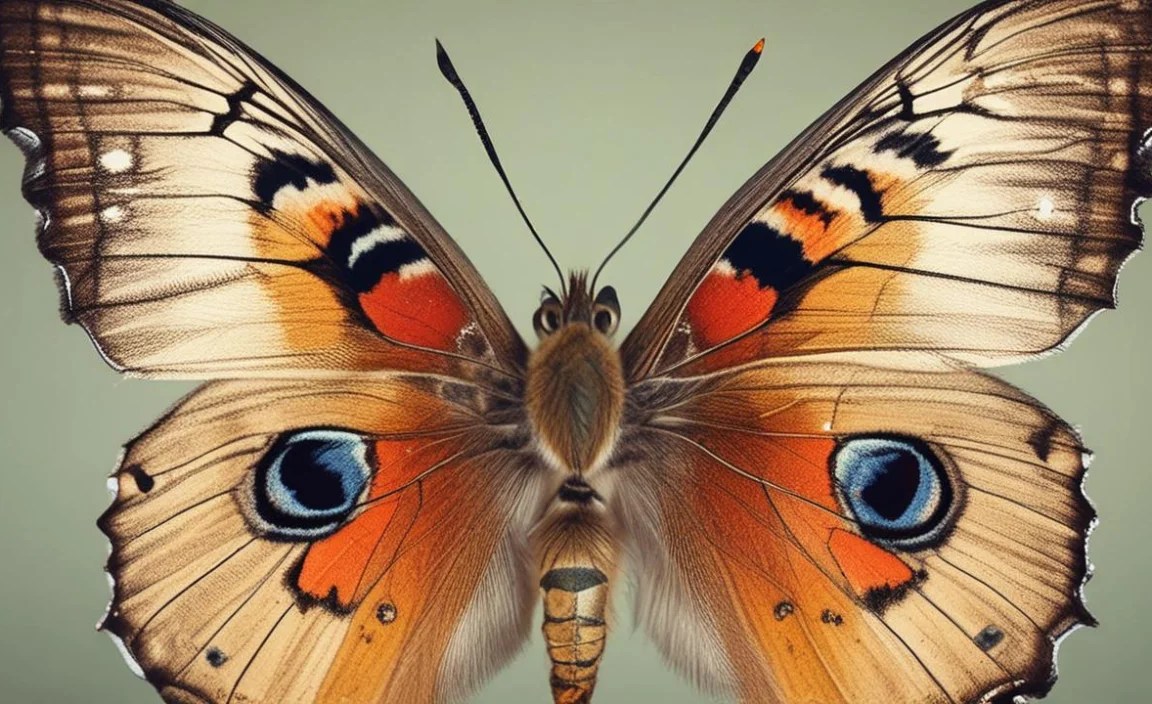
Color plays a big role in how eyespots work. Bright colors can make the spots stand out. This makes them more likely to scare away predators. Some butterflies have eyespots with bright yellow or red colors. These colors are easy for birds to see. Other butterflies have eyespots with dark colors, like black or brown. These colors can make the spots look more like real eyes. The color of the eyespots can also help us {identify butterfly by eyespots}. Different types of butterflies have different colored spots. Some have spots with multiple colors. The colors can be arranged in different patterns. By looking at the color of the eyespots, we can learn a lot about the butterfly.
- Bright colors make spots stand out.
- Yellow and red are easy for birds to see.
- Dark colors make spots look real.
- Different butterflies have different colors.
- Spots can have multiple colors.
- Color helps us identify different butterflies.
The colors in eyespots aren’t just random. They have evolved over time to be as effective as possible. Natural selection has favored butterflies with colors that help them survive. Butterflies with brighter, more noticeable spots are more likely to scare away predators. Butterflies with colors that blend in are more likely to hide from predators. The colors of the eyespots are a result of this process. Scientists study the colors of eyespots to learn more about how butterflies have evolved. They can also learn about how predators see the world. It’s amazing how much information can be packed into a small spot on a butterfly’s wing!
Fun Fact or Stat: Some butterflies can change the color of their eyespots depending on the temperature!
What Colors Are Most Common?
Some colors are more common than others in butterfly eyespots. Black and brown are very common. These colors are good at mimicking real eyes. Yellow and orange are also common. These colors are bright and noticeable. They can startle predators. Red is less common but can be very effective. It is a warning color to many animals. White is also used in some eyespots. It can create contrast and make the spot stand out. The most common colors depend on the type of butterfly and its environment. Some butterflies have a mix of different colors in their eyespots.
How Do Butterflies Make Colors?
Butterflies don’t use paint to make the colors on their wings. They use tiny scales. These scales are like tiny tiles. They cover the butterfly’s wings. The scales have pigments in them. Pigments are substances that create color. Some scales have special structures. These structures reflect light. This creates iridescent colors. Iridescent colors change depending on the angle you look at them. The combination of pigments and structures creates the colors we see on butterfly wings. It’s a very complex and amazing process. The colors help them {identify butterfly by eyespots}.
Can Eyespot Colors Fade?
Yes, the colors in eyespots can fade over time. This can happen for several reasons. Sunlight can break down the pigments in the scales. This causes the colors to become duller. The scales can also wear off over time. This is especially true for older butterflies. The colors can also change if the butterfly gets wet. Water can affect the way light reflects off the scales. However, the colors usually return when the butterfly dries. The fading of colors is a natural process. It is part of the butterfly’s life cycle. It can also make it harder to {identify butterfly by eyespots} when they are older.
Size and Shape Matter When You Identify Butterfly by Eyespots

The size and shape of eyespots are also important. Big eyespots are more likely to scare away predators. They look more like the eyes of a large animal. Small eyespots can still be effective. They can confuse predators. The shape of the eyespots can also make a difference. Some eyespots are round. Others are oval or irregular. Some even look like other shapes, such as snakes or owls. The size and shape of the eyespots can help us {identify butterfly by eyespots} too. Different types of butterflies have different sized and shaped spots. By paying attention to these details, we can learn more about the butterfly.
- Big spots scare predators more.
- Small spots confuse predators.
- Shapes can be round, oval, or irregular.
- Some look like snakes or owls.
- Size and shape help identify butterflies.
- Patterns can be very complex.
The size and shape of eyespots are not random. They have evolved over time to be as effective as possible. Natural selection has favored butterflies with spots that help them survive. Butterflies with spots that are the right size and shape are more likely to scare away predators. This is why we see so much variation in eyespots. Each type of butterfly has its own unique pattern. Scientists study the size and shape of eyespots to learn more about how butterflies have evolved. They can also learn about how predators perceive the world. It’s amazing how much information can be packed into a small spot on a butterfly’s wing!
Fun Fact or Stat: Some butterflies have eyespots that change shape as they grow!
How Big Are Eyespots Usually?
The size of eyespots varies a lot. Some are very small, only a few millimeters across. Others are quite large, up to a centimeter or more. The size depends on the type of butterfly. It also depends on the purpose of the spot. Spots that are meant to scare predators are usually larger. Spots that are meant to confuse predators can be smaller. The size of the eyespots is often related to the size of the butterfly. Larger butterflies tend to have larger spots. Smaller butterflies tend to have smaller spots. They help to {identify butterfly by eyespots}.
What Shapes Are Common for Eyespots?
Round and oval shapes are very common for eyespots. These shapes are simple and easy to recognize. They also look like eyes. Other shapes include irregular blobs and streaks. Some eyespots have rings around them. This makes them look even more like eyes. Some eyespots are shaped like crescents or triangles. The shape of the eyespots can also depend on the angle you view them from. Some eyespots look different from different angles. The shapes help to {identify butterfly by eyespots}.
Can Eyespots Be Different Sizes on One Butterfly?
Yes, it is possible for a butterfly to have eyespots of different sizes. This is more common in some types of butterflies than others. The different sized spots can serve different purposes. For example, a butterfly might have one large spot and several smaller spots. The large spot could be meant to scare predators. The smaller spots could be meant to confuse them. The placement of the spots can also be important. Spots on the edges of the wings might be larger than spots closer to the body. All of this helps the butterfly survive. It also helps us {identify butterfly by eyespots}.
Location of Eyespots to Help Identify Butterfly

The location of eyespots on a butterfly’s wings is very important. Eyespots are often found on the edges of the wings. This is because predators often attack the edges of the wings first. If the predator attacks the eyespot, the butterfly can escape with only minor damage. Eyespots can also be found on the underside of the wings. These spots can be hidden when the butterfly is resting. When the butterfly is disturbed, it can flash the spots to startle the predator. The location of the eyespots can also help us {identify butterfly by eyespots}. Different types of butterflies have spots in different locations.
- Edges of wings are common spots.
- Underside of wings hide spots.
- Flashing spots startles predators.
- Location helps identify species.
- Spots can be near body or far.
- Placement is key for defense.
The location of eyespots is not random. It has evolved over time to be as effective as possible. Natural selection has favored butterflies with spots in locations that help them survive. Butterflies with spots on the edges of their wings are more likely to escape attacks. Butterflies with spots on the underside of their wings are more likely to startle predators. The location of the eyespots is a result of this process. Scientists study the location of eyespots to learn more about how butterflies have evolved. They can also learn about how predators behave. It’s amazing how much information can be packed into a small spot on a butterfly’s wing!
Fun Fact or Stat: Some butterflies can change the location of their eyespots slightly as they grow!
Are Eyespots on the Top or Bottom of Wings?
Eyespots can be on either the top or the bottom of a butterfly’s wings, or both. Butterflies that have eyespots on the top of their wings usually display them all the time. These eyespots are meant to be seen by predators. Butterflies that have eyespots on the bottom of their wings usually hide them. These eyespots are meant to be flashed at predators. Some butterflies have different patterns on the top and bottom of their wings. This can help them blend in with their surroundings when they are resting. It can also help them startle predators when they are disturbed. We can {identify butterfly by eyespots} using location.
Do All Wings Have the Same Eyespots?
No, not all wings have the same eyespots. Some butterflies have different patterns on their forewings and hindwings. The forewings are the wings in the front. The hindwings are the wings in the back. The different patterns can serve different purposes. For example, the forewings might have spots that are meant to scare predators. The hindwings might have spots that are meant to confuse them. Some butterflies have no eyespots on their forewings. They only have them on their hindwings. This can help them blend in with their surroundings when they are resting. This also helps us to {identify butterfly by eyespots}.
How Close Are Eyespots to the Butterfly’s Body?
The distance of eyespots from the butterfly’s body can vary. Some eyespots are very close to the body. They are located near the base of the wings. Other eyespots are farther away from the body. They are located near the edge of the wings. The distance can affect how the eyespots work. Eyespots that are close to the body might be more effective at confusing predators. Eyespots that are far from the body might be more effective at scaring predators. This helps to {identify butterfly by eyespots}.
Eyespot Mimicry: How to Identify Butterfly

Some eyespots look like the eyes of other animals. This is called mimicry. Some eyespots look like the eyes of owls. Owls are predators that eat many different animals. If a butterfly’s eyespots look like owl eyes, it might scare away other predators. Some eyespots look like the heads of snakes. Snakes are also dangerous animals. If a butterfly’s eyespots look like a snake’s head, it might scare away birds. Mimicry is a clever way for butterflies to protect themselves. It helps us {identify butterfly by eyespots} because the patterns are very distinct. By looking at the shape of the eyespots, we can sometimes tell what animal the butterfly is trying to imitate.
- Some spots look like owl eyes.
- Others look like snake heads.
- Mimicry scares away predators.
- Distinct patterns help identify.
- Shape tells what is imitated.
- This is a clever protection.
Mimicry is a powerful tool for butterflies. It allows them to take advantage of the fear that other animals have. Predators are less likely to attack a butterfly if they think it is a dangerous animal. The more realistic the mimicry, the more effective it is. Some butterflies have evolved very detailed eyespots that look almost exactly like the eyes of an owl or the head of a snake. These butterflies are very well protected. Scientists study mimicry to learn more about how animals interact with each other. They can also learn about how evolution works. It’s amazing how much detail can be packed into a small spot on a butterfly’s wing! These details help us to {identify butterfly by eyespots}.
Fun Fact or Stat: Some butterflies can even move their wings to make their eyespots look more realistic!
What Animals Are Commonly Mimicked?
Owls and snakes are two of the most common animals that butterflies mimic. This is because owls and snakes are both predators. They are feared by many other animals. Other animals that butterflies might mimic include lizards, frogs, and even other butterflies. The animal that a butterfly mimics depends on its environment. It also depends on the predators that it faces. Butterflies that live in areas with many owls are more likely to mimic owls. Butterflies that live in areas with many snakes are more likely to mimic snakes. The mimicry helps us to {identify butterfly by eyespots}.
How Accurate Is the Mimicry?
The accuracy of mimicry can vary. Some butterflies have very accurate mimicry. Their eyespots look almost exactly like the eyes of the animal they are mimicking. Other butterflies have less accurate mimicry. Their eyespots only vaguely resemble the eyes of the animal they are mimicking. The accuracy of the mimicry depends on several factors. It depends on the type of butterfly. It also depends on the predator that the butterfly is trying to fool. More accurate mimicry is usually more effective. But even less accurate mimicry can still provide some protection. This also helps us to {identify butterfly by eyespots}.
Can Eyespots Mimic Damaged Areas?
Some butterflies have eyespots that mimic damaged areas on their wings. This might seem strange. But it can actually be a very effective defense. Predators often avoid attacking prey that looks damaged or diseased. This is because they don’t want to risk getting injured or infected. By mimicking a damaged area, a butterfly can make itself less attractive to predators. This type of mimicry is less common than mimicry of eyes or heads. But it can still be a useful strategy. This, too, can help us to {identify butterfly by eyespots}.
Comparing Eyespots Across Butterfly Species
Let’s compare some butterfly species. We will look at their eyespots. The Buckeye butterfly has large, colorful eyespots. These spots are very noticeable. The Common Wood-Nymph has smaller, duller eyespots. These spots help it blend in. The Monarch butterfly does not have eyespots. It is poisonous, so it does not need them. The differences in eyespots can help us {identify butterfly by eyespots}. Each species has its own unique pattern. By learning these patterns, we can become butterfly experts.
| Butterfly Species | Eyespot Size | Eyespot Color | Eyespot Location | Defense Strategy |
|---|---|---|---|---|
| Buckeye | Large | Colorful | Edges of wings | Scare predators |
| Common Wood-Nymph | Small | Dull | Underside of wings | Blend in |
| Monarch | None | N/A | N/A | Poisonous |
| Viceroy | Small | Black | Edges of wings | Mimic Monarch |
The comparison shows how different butterflies use eyespots in different ways. Some butterflies use eyespots to scare predators. Others use them to blend in. Some do not need them at all. The type of eyespots a butterfly has depends on its environment and its predators. By studying these differences, we can learn more about how butterflies have evolved. It’s amazing how much variety there is in the world of butterflies! It helps us to {identify butterfly by eyespots}. Each species has its own unique story to tell.
Fun Fact or Stat: There are over 20,000 different species of butterflies in the world!
How Do Eyespots Differ in Tropical Butterflies?
Tropical butterflies often have very bright and colorful eyespots. This is because they live in environments with lots of predators. They need to be able to scare away predators quickly. The bright colors make the eyespots more noticeable. They are more likely to startle a predator. Tropical butterflies also tend to have larger eyespots than butterflies that live in other climates. This is because larger eyespots are more effective at scaring away predators. The different eyespots help us to {identify butterfly by eyespots}.
Are Eyespots Different in Male and Female Butterflies?
In some species of butterflies, males and females have different eyespots. This is called sexual dimorphism. The differences in eyespots can be used to attract mates. Males might have brighter or larger eyespots than females. This makes them more attractive to females. Females might have different patterns of eyespots than males. This helps them to recognize males of their own species. Sexual dimorphism is a common phenomenon in the animal world. It helps to ensure that males and females can find each other and reproduce. This helps us to {identify butterfly by eyespots}.
Can Eyespots Be Used for Camouflage?
Yes, eyespots can sometimes be used for camouflage. This might seem counterintuitive. But some butterflies have eyespots that help them blend in with their surroundings. For example, some butterflies have eyespots that look like bird droppings. This makes them less attractive to predators. Other butterflies have eyespots that look like leaves or bark. This helps them to hide from predators. Camouflage is a very effective defense strategy. It allows butterflies to avoid being detected by predators in the first place. By studying this, we can {identify butterfly by eyespots}.
Summary
Eyespots are a fascinating feature of butterflies. They help butterflies to protect themselves from predators. They can scare predators, confuse predators, or even mimic other animals. The size, shape, color, and location of eyespots can all vary depending on the species of butterfly. By studying these differences, we can learn more about how butterflies have evolved. You can {identify butterfly by eyespots} by carefully examining their unique patterns. Each butterfly has its own story to tell. So next time you see a butterfly with eyespots, take a closer look. You might be surprised at what you discover.
Conclusion
Butterflies are amazing creatures. Their eyespots are a clever way to stay safe. Color, size, and location all matter. We can use these clues to {identify butterfly by eyespots}. Learning about butterflies is fun. It helps us appreciate nature even more. So go outside and look for butterflies. See what you can find!
Frequently Asked Questions
Question No 1: What are eyespots on butterflies?
Answer: Eyespots are markings on a butterfly’s wings. They look like eyes. They help protect the butterfly from predators. They can scare predators. They can also confuse them. Some eyespots even look like the eyes of other animals. This is called mimicry. It is a clever way for butterflies to stay safe. The patterns of eyespots can even help us {identify butterfly by eyespots}. They are a fascinating part of butterfly anatomy. There are many different kinds of eyespots and each butterfly species can have their own unique set of eyespots.
Question No 2: How do eyespots protect butterflies?
Answer: Eyespots protect butterflies in several ways. First, they can scare predators. The large, bright spots can startle predators. This gives the butterfly time to escape. Second, they can confuse predators. The spots can distract the predator. This makes it harder for the predator to focus on the butterfly. Third, they can mimic other animals. This can scare away predators that are afraid of those animals. The specific ways in which they {identify butterfly by eyespots} depends on the type of eyespot and what predators they are trying to avoid.
Question No 3: Do all butterflies have eyespots?
Answer: No, not all butterflies have eyespots. Some butterflies have other ways to protect themselves. Some butterflies are poisonous. They have bright colors to warn predators. Other butterflies blend in with their surroundings. This is called camouflage. Even among butterflies that have eyespots, the spots can be very different. Some are small and subtle. Others are large and obvious. If you are looking to {identify butterfly by eyespots}, make sure you know that some butterflies may not have them.
Question No 4: What colors are eyespots usually?
Answer: The colors of eyespots can vary. Some are bright and colorful. Others are dull. Common colors include black, brown, yellow, and red. The colors can help to scare or confuse predators. They also help us {identify butterfly by eyespots}. Some butterflies have eyespots with multiple colors. These colors are arranged in different patterns. The colors and patterns are all part of the butterfly’s defense strategy. Some can be iridescent, creating a rainbow effect.
Question No 5: Where are eyespots located on butterflies?
Answer: Eyespots are usually on the edges of a butterfly’s wings. This is a good place for them to be. When a predator attacks, it often goes for the edge of the wing. If the predator goes for the eyespot, the butterfly can escape. Some butterflies also have eyespots on the underside of their wings. These spots can be hidden when the butterfly is resting. Different locations can help us {identify butterfly by eyespots} because the species have evolved differently.
Question No 6: Can I use eyespots to identify different types of butterflies?
Answer: Yes, you can often {identify butterfly by eyespots}. Different types of butterflies have different patterns of spots. Some have big spots, while others have small spots. Some have bright spots, while others have dull spots. The location of the spots can also be different. By paying attention to these details, you can learn to identify different butterflies. You can also use a butterfly guidebook to help you. With practice, you will become a butterfly expert! Look at colors, sizes, and location of the spots to help.


