
Butterfly Flight Patterns: The Ultimate Guide

Butterfly flight patterns are diverse, ranging from erratic and bouncy to direct and soaring. These patterns depend on factors like species, wind conditions, purpose (mating, migration, foraging), and even predator avoidance. Understanding these flights can provide insights into butterfly behavior and ecology.
Have you ever watched a butterfly and wondered why its flight seems so different from other insects? Butterflies don’t just fly; they dance, flutter, and sometimes even glide through the air. Each species has its own unique style, and understanding these flight patterns can unlock a whole new level of appreciation for these beautiful creatures. From the seemingly random zigzags to purposeful, direct flights, we’ll explore the fascinating world of butterfly flight. Get ready to discover the secrets behind their aerial acrobatics!
Frequently Asked Questions About Butterfly Flight Patterns
Why do butterflies fly so erratically?
Erratic flight helps butterflies evade predators. The unpredictable movements make it difficult for birds and other hunters to track them.
Do all butterflies fly the same way?
No, different species have different flight patterns. Some flutter gently, while others are strong, direct fliers. Flight patterns are influenced by wing shape, size, and body weight.
What role does the wind play in butterfly flight?
Wind can significantly affect butterfly flight. Butterflies often fly low to the ground on windy days to avoid being blown off course. They may also use wind currents to help them glide and conserve energy.
How do butterflies use flight for mating?
Male butterflies often perform aerial displays to attract females. These displays can involve complex flight patterns, such as hovering, zigzagging, and chasing.
Can butterflies migrate long distances?
Yes, some butterflies, like the Monarch, are famous for their long-distance migrations. These butterflies have strong, sustained flight patterns that allow them to travel hundreds or even thousands of miles.
What makes butterfly flight different from other insects?
Butterfly flight is unique due to their large wings relative to their body size and their flight style. The broad wings help them to fly gracefully, but the larger wings also create drag, leading to erratic flight patterns.
How do butterflies conserve energy during flight?
Butterflies conserve energy by gliding and soaring whenever possible. They also use thermals (rising columns of warm air) to gain altitude with minimal effort.
Decoding Butterfly Flight Patterns
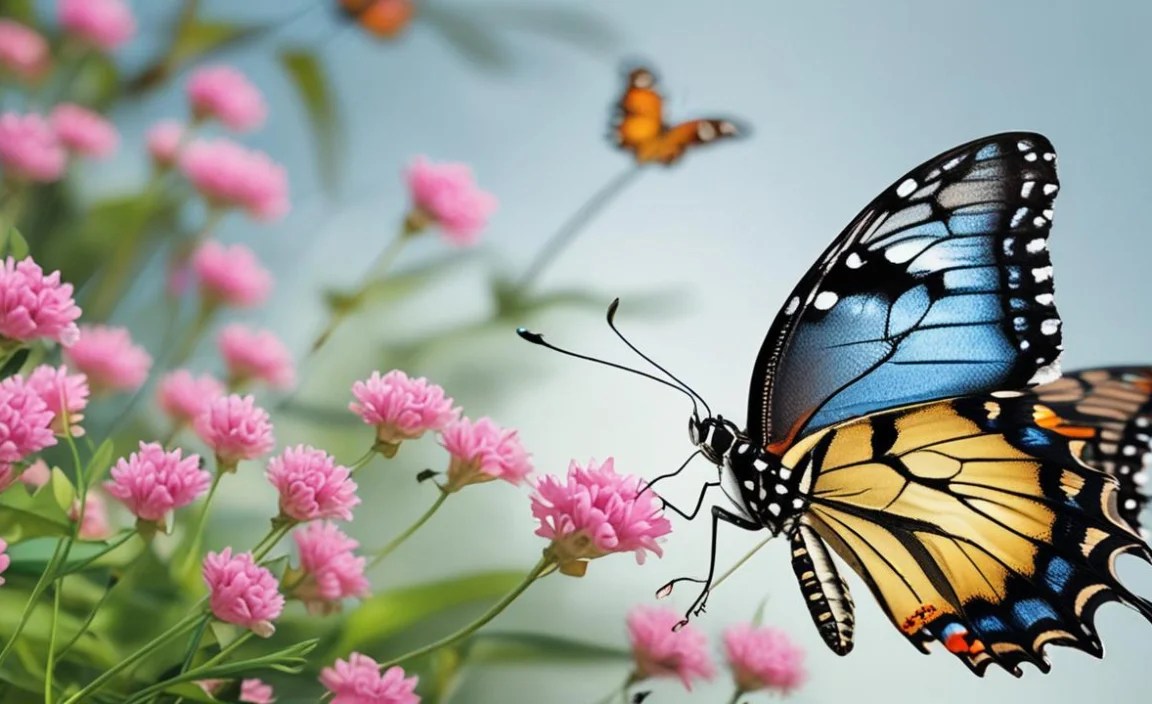
Hello, fellow butterfly enthusiasts! I’m Frances O’Brien, and welcome to ButterflyAsk.com, where we explore the enchanting world of butterflies. Today, we’re diving into a topic that I find endlessly fascinating: butterfly flight patterns. Have you ever paused to watch a butterfly and wondered about the purpose behind its seemingly random movements? Each flutter, glide, and zigzag tells a story. Let’s uncover those stories together!
Factors Influencing Butterfly Flight

Butterfly flight isn’t just about flapping wings; it’s a complex interplay of various factors. Understanding these influences helps us appreciate the diversity and purpose behind their aerial maneuvers.
Species-Specific Traits
Just like humans have unique gaits, different butterfly species boast distinct flight styles. Wing shape, size, and body weight all play crucial roles.
- Wing Shape: Broad wings, like those of Swallowtails, enable powerful, soaring flight. Narrow wings, seen in Skippers, facilitate rapid, darting movements.
- Wing Size: Larger wings provide more lift, allowing for slower, more controlled flight. Smaller wings require faster flapping for sustained flight.
- Body Weight: Lighter butterflies can flutter more gracefully, while heavier ones need more energy for flight.
Environmental Conditions
Butterflies are highly sensitive to their environment. Wind, temperature, and even time of day can dramatically affect their flight patterns.
- Wind: On windy days, butterflies often fly low to the ground to avoid being blown off course. Some species use wind currents to glide and conserve energy.
- Temperature: Butterflies are cold-blooded, so temperature directly impacts their muscle function. They fly more actively in warm weather and become sluggish in cooler conditions.
- Time of Day: Many butterflies are most active during the warmest part of the day. Some species, however, are crepuscular, meaning they fly at dawn or dusk.
Purpose of Flight
A butterfly’s mission influences its flight style. Whether it’s searching for food, seeking a mate, or migrating to a new habitat, each goal dictates a specific flight pattern.
- Foraging: When searching for nectar, butterflies often exhibit a meandering, exploratory flight pattern. They flit from flower to flower, pausing to feed.
- Mating: Male butterflies perform elaborate aerial displays to attract females. These displays can involve complex maneuvers like hovering, zigzagging, and chasing.
- Migration: Migratory butterflies, like Monarchs, have strong, sustained flight patterns that allow them to travel long distances. They often fly in groups, using wind currents to aid their journey.
Predator Avoidance
Survival is a constant challenge for butterflies. Their flight patterns often serve as a defense mechanism against predators.
- Erratic Flight: The unpredictable, bouncy flight of many butterflies makes it difficult for predators to track them. This zigzagging pattern is a common defense strategy.
- Camouflage: Some butterflies have wing patterns that blend with their surroundings. They may fly close to the ground or perch on foliage to avoid detection.
- Startle Displays: Certain butterflies have eyespots on their wings that can startle predators. They may flash these spots during flight to deter an attack.
Common Butterfly Flight Patterns

Now that we’ve explored the factors influencing butterfly flight, let’s look at some common flight patterns you might observe in your garden or local park.
Fluttering Flight
Fluttering flight is characterized by gentle, irregular wingbeats. This pattern is common among butterflies with broad wings and is often seen when they are foraging or simply moving short distances. Butterflies with this flight pattern often appear delicate and graceful, as though they are dancing on the breeze.
Erratic or Bouncy Flight
Erratic flight is perhaps the most recognizable butterfly flight pattern. It involves rapid, unpredictable changes in direction and speed. This bouncy flight is a highly effective way to evade predators, making it difficult for birds or other hunters to track the butterfly’s movements. This flight pattern is often observed in smaller butterflies that are more vulnerable to predation.
Direct and Purposeful Flight
Direct flight is characterized by a straight, unwavering path. Butterflies use this pattern when they have a specific destination in mind, such as a nectar source or a mate. Migratory butterflies also exhibit direct flight, enabling them to cover long distances efficiently. These butterflies maintain a consistent speed and direction, minimizing energy expenditure.
Gliding and Soaring Flight
Gliding and soaring flight involves long periods of unpowered flight, where the butterfly uses air currents to stay aloft. This pattern is common among larger butterflies, such as Swallowtails and Monarchs, and is often seen during migration or when searching for thermals (rising columns of warm air). Gliding and soaring help butterflies conserve energy, allowing them to fly for extended periods without tiring.
Hovering Flight
Hovering flight is the ability to remain stationary in the air by rapidly beating the wings. While less common than other flight patterns, some butterflies hover briefly to feed on nectar from flowers or to assess their surroundings. Hovering requires significant energy, so butterflies typically only use it for short periods.
Examples of Butterfly Flight Patterns by Species

To further illustrate the diversity of butterfly flight, let’s examine specific examples of different species and their characteristic flight patterns.
| Species | Flight Pattern | Description |
|---|---|---|
| Monarch (Danaus plexippus) | Direct and Soaring | During migration, Monarchs exhibit a strong, direct flight, often gliding and soaring on air currents to conserve energy. |
| Swallowtail (Papilio spp.) | Gliding and Fluttering | Swallowtails are known for their graceful gliding flight, interspersed with periods of fluttering as they move between nectar sources. |
| Cabbage White (Pieris rapae) | Erratic and Bouncy | Cabbage Whites have a distinctive erratic flight pattern, making them difficult for predators to catch. |
| Skipper (various species) | Rapid and Darting | Skippers are characterized by their fast, darting flight, often moving in short bursts with quick changes in direction. |
| Gulf Fritillary (Agraulis vanillae) | Fluttering and Gliding | Gulf Fritillaries exhibit a mix of fluttering and gliding flight, often seen near passionflower vines, their host plant. |
How to Observe and Identify Butterfly Flight Patterns

Now that you’re familiar with different butterfly flight patterns, here’s how to observe and identify them in the field. With a little practice, you’ll become a pro at recognizing the unique flight styles of various species.
Tools and Techniques
- Binoculars: A good pair of binoculars can help you observe butterflies from a distance without disturbing them. Look for binoculars with a close focusing distance.
- Field Guide: A butterfly field guide is essential for identifying different species. Look for guides that include information on flight patterns and other behavioral traits.
- Camera: A camera with a zoom lens can help you capture images of butterflies in flight. This can be useful for later identification and analysis.
- Notebook: Keep a notebook to record your observations. Note the date, time, location, and any specific details about the butterfly’s flight pattern, size, and color.
Tips for Observation
- Choose the Right Time: Butterflies are most active during warm, sunny days. Avoid observing on windy or rainy days, as butterflies will be less likely to fly.
- Find a Good Location: Look for areas with plenty of flowering plants, such as gardens, meadows, or woodland edges. These areas are more likely to attract butterflies.
- Be Patient: Butterfly observation requires patience. Find a comfortable spot and wait for butterflies to come to you. Avoid making sudden movements that could scare them away.
- Focus on Flight Characteristics: Pay attention to the butterfly’s speed, direction, and wingbeat frequency. Does it flutter gently, dart quickly, or glide effortlessly?
- Note Other Behaviors: Observe other behaviors, such as feeding, mating, and resting. These behaviors can provide additional clues for identification.
Using Flight Patterns for Identification
Flight patterns can be a valuable tool for identifying butterflies, especially when combined with other characteristics like wing color and size.
- Start with the Basics: Begin by noting the overall flight pattern. Is it erratic, direct, or gliding? This will help you narrow down the possibilities.
- Consider the Habitat: Different butterfly species are found in different habitats. Knowing the type of habitat can help you identify the butterfly.
- Compare with Field Guide Descriptions: Use your field guide to compare the observed flight pattern with descriptions of different species. Look for key characteristics that match your observations.
- Look for Confirmation: Once you have a potential identification, look for other confirming characteristics, such as wing patterns, size, and behavior.
The Significance of Butterfly Flight
Butterfly flight isn’t just a beautiful sight; it plays a critical role in their life cycle and the broader ecosystem. Understanding the significance of their flight patterns can deepen our appreciation for these delicate creatures.
Ecological Roles
Butterflies are important pollinators, transferring pollen from flower to flower as they feed on nectar. Their flight patterns directly influence their effectiveness as pollinators. For example, butterflies with meandering flight patterns may visit more flowers, increasing the chances of pollination. The Xerces Society is a great resource for learning more about the ecological roles of butterflies.
Adaptations and Evolution
Butterfly flight patterns are the result of millions of years of evolution. Each species has adapted its flight style to suit its specific environment and lifestyle. Studying these adaptations can provide insights into the evolutionary processes that have shaped the diversity of butterfly species. For example, the strong, direct flight of migratory Monarchs is an adaptation that allows them to travel long distances.
Conservation Implications
Understanding butterfly flight patterns is crucial for conservation efforts. By studying how butterflies use their flight to find food, mates, and suitable habitats, we can better protect their populations. Habitat loss and climate change can disrupt butterfly flight patterns, making it harder for them to survive. Conserving butterfly habitats and mitigating the impacts of climate change are essential for ensuring the long-term survival of these beautiful creatures. You can support organizations like the National Wildlife Federation for habitat preservation.
Attracting Butterflies to Your Garden
One of the best ways to observe butterfly flight patterns is to attract them to your own garden. By providing the right food sources and habitat, you can create a butterfly-friendly oasis that will be buzzing with activity.
Planting the Right Flowers
- Nectar Plants: Choose a variety of nectar-rich flowers that bloom throughout the growing season. Some popular choices include butterfly bush, coneflowers, zinnias, and milkweed.
- Host Plants: Don’t forget to plant host plants, which are the food sources for butterfly larvae (caterpillars). Different butterfly species have different host plant preferences. For example, Monarch caterpillars feed exclusively on milkweed.
- Native Plants: Whenever possible, choose native plants. Native plants are adapted to the local climate and soil conditions, and they are often more attractive to butterflies than non-native species.
Creating a Butterfly-Friendly Habitat
- Sunlight: Butterflies need sunlight to warm their bodies and fly. Choose a sunny location for your butterfly garden.
- Shelter: Provide shelter from wind and rain. Plant shrubs and trees to create a protected area where butterflies can rest.
- Water Source: Butterflies need water to stay hydrated. Provide a shallow dish of water with pebbles or stones for them to land on.
- Avoid Pesticides: Pesticides can be harmful to butterflies and other beneficial insects. Avoid using pesticides in your butterfly garden.
Observing Flight Patterns in Your Garden
Once you’ve created a butterfly-friendly garden, take the time to observe the flight patterns of the butterflies that visit. Note the different species and their unique flight styles. You’ll be amazed at the diversity and beauty of butterfly flight.
Conclusion
Butterfly flight patterns are a window into the fascinating world of these delicate creatures. By understanding the factors that influence their flight and learning to identify different flight styles, we can gain a deeper appreciation for their ecological roles, adaptations, and conservation needs. So, the next time you see a butterfly fluttering in your garden, take a moment to observe its flight. You might just discover something new and wonderful about these amazing insects. Keep exploring, keep learning, and keep supporting butterfly conservation!


