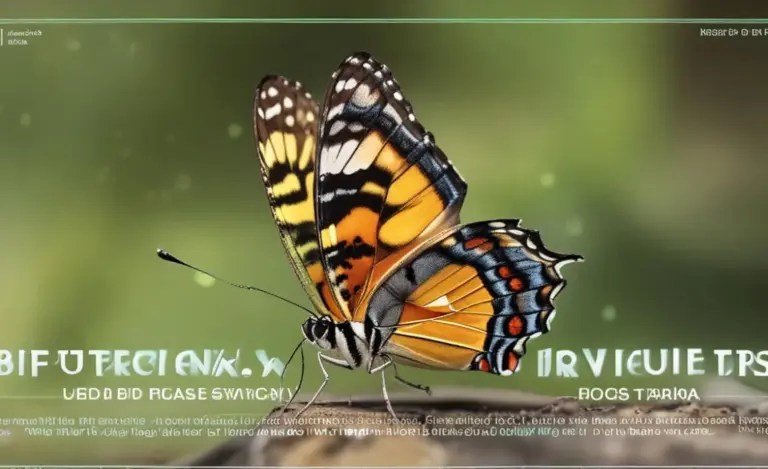
Indian Butterfly Species List: Your Ultimate Guide

The Indian subcontinent is home to over 1,500 species of butterflies! This incredible diversity includes everything from tiny grass blues to majestic swallowtails. Creating a complete list is a huge task, but this article will introduce you to some of the most iconic and fascinating butterflies found in India, plus tips for identifying them.
Have you ever been amazed by the sheer variety of butterflies flitting around your garden or local park? India is a butterfly paradise, but with so many different kinds, it can feel overwhelming to identify them. You’re not alone! Many people are curious about these beautiful creatures but don’t know where to start. This guide will give you a glimpse into the world of Indian butterflies, offering a starting point for your butterfly-watching adventures. We’ll explore some common and unique species, and provide resources to help you learn more.
A Glimpse into India’s Butterfly Diversity

India’s diverse geography, ranging from the Himalayas to the tropical rainforests of the south, supports an extraordinary array of butterfly species. These delicate insects play a vital role in the ecosystem as pollinators and indicators of environmental health.
Let’s explore some of the most fascinating butterfly families and a few notable species within each.
Swallowtails (Papilionidae)
Swallowtails are among the largest and most striking butterflies. They are named for the elongated tails on their hindwings, which resemble those of swallows. Many species are brightly colored and have bold patterns.
- Common Mormon (Papilio polytes): This butterfly exhibits remarkable polymorphism, with females mimicking poisonous butterflies for protection. Males are typically black with white spots.
- Lime Butterfly (Papilio demoleus): A common and widespread species, the Lime Butterfly is known for its ability to thrive in urban environments. It feeds on citrus plants, hence its name.
- Great Yellow Mormon (Papilio helenus): This large, striking butterfly features black wings with a prominent yellow band. It is found in forested areas and is a delight to observe.
- Common Bluebottle (Graphium sarpedon): With its vibrant blue bands against a dark background, the Common Bluebottle is a sight to behold. It’s a fast flyer, often seen near streams and damp areas.
Whites and Yellows (Pieridae)
This family includes butterflies with predominantly white, yellow, or orange wings. Many species are migratory and can be seen in large numbers during certain times of the year.
- Common Emigrant (Catopsilia pomona): This butterfly is known for its migratory behavior, with large numbers flying together. The color varies from white to yellow, and it’s a common sight across India.
- Lemon Emigrant (Catopsilia scylla): Similar to the Common Emigrant, but with a more consistent lemon-yellow color. It is also a migratory species.
- Psyche (Leptosia nina): A delicate, small white butterfly with distinctive black markings at the wingtips. It prefers shaded areas and is often found near forests.
- Indian Jezebel (Delias eucharis): Known for the striking patterns on the underside of its wings, the Indian Jezebel is a beautiful addition to any butterfly garden.
Blues (Lycaenidae)
The Blues are a large and diverse family of small butterflies, many of which have iridescent blue wings. They often have intricate patterns on their undersides and delicate tails.
- Common Cerulean (Jamides celeno): A small, delicate butterfly with pale blue wings. Males have a brighter blue than females.
- Pea Blue (Lampides boeticus): This butterfly is widespread and common, found in gardens and agricultural areas. It is named for its association with pea plants, which the larvae feed on.
- Tiny Grass Blue (Zizula hylax): One of the smallest butterflies in the world, the Tiny Grass Blue is a delightful sight in grassy areas.
- Forget-me-not (Catochrysops strabo): This little butterfly has pale lilac/blue wings with a dark border. It is commonly found in gardens and open spaces.
Brush-footed Butterflies (Nymphalidae)
This large family includes a wide variety of butterflies, many of which have reduced forelegs, giving them the appearance of having only four legs. They are often brightly colored and have intricate wing patterns.
- Plain Tiger (Danaus chrysippus): A common and widespread butterfly, the Plain Tiger is known for its orange wings with black markings. It is a mimic of poisonous butterflies, gaining protection from predators.
- Blue Tiger (Tirumala limniace): Similar in appearance to the Plain Tiger but with blue markings. It is also a mimic of poisonous butterflies.
- Common Crow (Euploea core): A dark brown butterfly with white spots along the wing margins. It is a common sight in gardens and forests.
- Painted Lady (Vanessa cardui): A migratory species, the Painted Lady is found worldwide. It has orange and brown wings with black markings.
- Grey Pansy (Junonia atlites): This butterfly has pale grey wings with dark brown spots, resembling pansy flowers. It is often found near water bodies.
- Lemon Pansy (Junonia lemonias): A bright yellow butterfly with brown markings. It is a common sight in gardens and open areas.
- Chocolate Pansy (Junonia iphita): Characterised by its rich brown colour and distinct eyespots, this butterfly is truly unique. It thrives in wooded areas, where it effortlessly blends in with its surroundings.
Skippers (Hesperiidae)
Skippers are small, stout-bodied butterflies with hooked antennae. They are fast fliers and are named for their skipping flight pattern. They often have dull colors, but some species are brightly colored.
- Indian Palm Bob (Suastus gremius): A common skipper found near palm trees, which the larvae feed on. It has a dark brown color with white spots.
- Common Dartlet (Oriens gola): A small, fast-flying skipper with a dark brown color and small white spots.
Table: Common Indian Butterfly Species

Here’s a handy table summarizing some of the butterflies we’ve discussed:
| Species Name | Family | Color & Markings | Habitat |
|---|---|---|---|
| Common Mormon (Papilio polytes) | Swallowtail (Papilionidae) | Black with white spots (males), various mimic forms (females) | Gardens, forests |
| Lime Butterfly (Papilio demoleus) | Swallowtail (Papilionidae) | Black with yellow spots and scalloped edges | Urban areas, gardens |
| Common Emigrant (Catopsilia pomona) | White/Yellow (Pieridae) | White or yellow | Open areas, gardens |
| Pea Blue (Lampides boeticus) | Blue (Lycaenidae) | Pale purple-blue with brown borders | Gardens, agricultural areas |
| Plain Tiger (Danaus chrysippus) | Brush-footed (Nymphalidae) | Orange with black markings | Open areas, gardens |
| Grey Pansy (Junonia atlites) | Brush-footed (Nymphalidae) | Grey wings with dark brown spots | Near water bodies |
How to Identify Butterflies: A Beginner’s Guide

Identifying butterflies can be a rewarding hobby. Here are some tips to get you started:
- Observe the Size and Shape: Note the butterfly’s overall size (small, medium, large) and the shape of its wings.
- Note the Colors and Patterns: Pay close attention to the colors and patterns on both the upper and undersides of the wings.
- Consider the Habitat: Where did you see the butterfly? Different species prefer different habitats.
- Observe the Flight Pattern: Some butterflies have distinctive flight patterns. Skippers, for example, have a rapid, skipping flight.
- Use a Field Guide: A good field guide is essential for identifying butterflies. Look for one specific to India.
- Take Photographs: If possible, take photographs of the butterfly from different angles. This will help you identify it later.
- Use Online Resources: Websites and apps like iNaturalist and India Biodiversity Portal can help you identify butterflies based on photographs and location.
Essential Tools for Butterfly Identification
Having the right tools can greatly enhance your butterfly-watching experience:
- Binoculars: A good pair of binoculars will allow you to observe butterflies from a distance without disturbing them.
- Camera: A camera with a zoom lens is essential for capturing clear photographs of butterflies.
- Field Guide: A comprehensive field guide to Indian butterflies is a must-have for identification.
- Notebook and Pen: Keep a notebook to record your observations, including the date, time, location, and any identifying features of the butterflies you see.
- Magnifying Glass: A magnifying glass can help you see the intricate details of butterfly wings.
Attracting Butterflies to Your Garden

Want to see more butterflies? Here’s how to create a butterfly-friendly garden:
- Plant Nectar-Rich Flowers: Choose a variety of flowers that provide nectar for adult butterflies. Some good choices include lantana, cosmos, zinnia, and butterfly bush (Buddleja davidii).
- Provide Host Plants: Butterflies lay their eggs on specific host plants, which the caterpillars will feed on. Research which host plants are needed for the butterfly species in your area. For example, milkweed is a host plant for monarch butterflies.
- Offer a Water Source: Butterflies need water, but they can’t drink from deep pools. Provide a shallow dish of water with pebbles or marbles for them to land on.
- Provide Shelter: Butterflies need shelter from wind and rain. Plant shrubs and trees to provide them with protected areas.
- Avoid Pesticides: Pesticides can harm or kill butterflies and other beneficial insects. Use organic gardening methods to control pests.
- Provide a Sunning Spot: Butterflies need to bask in the sun to warm their bodies. Provide a flat rock or other sunny spot for them to rest.
The Importance of Butterfly Conservation

Butterflies are an important part of the ecosystem and play a vital role in pollination. Unfortunately, many butterfly species are threatened by habitat loss, climate change, and pesticide use.
Here are some ways you can help protect butterflies:
- Create Butterfly-Friendly Habitats: Plant native flowers and host plants in your garden or community.
- Support Conservation Organizations: Donate to organizations that work to protect butterfly habitats.
- Reduce Pesticide Use: Avoid using pesticides in your garden and encourage others to do the same.
- Educate Others: Share your knowledge about butterflies and the importance of conservation with others.
- Advocate for Change: Support policies that protect butterfly habitats and reduce pesticide use.
Table: Butterfly Conservation Status and Threats
This table outlines the general conservation status of butterflies and the primary threats they face:
| Aspect | Description |
|---|---|
| Conservation Status | Many butterfly species are threatened or endangered due to habitat loss and other factors. Some species are doing well, but monitoring is crucial. |
| Habitat Loss | Deforestation, urbanization, and agricultural expansion are major threats to butterfly habitats. |
| Climate Change | Changes in temperature and rainfall patterns can disrupt butterfly life cycles and distribution. |
| Pesticide Use | Pesticides can directly kill butterflies and other beneficial insects, as well as contaminate their food sources. |
| Pollution | Air and water pollution can negatively impact butterfly health and habitats. |
| Conservation Efforts | Habitat restoration, captive breeding programs, and public education are important conservation efforts. |
Resources for Further Learning
Want to dive deeper into the world of Indian butterflies? Here are some valuable resources:
- Books:
- “Butterflies of Peninsular India” by Krushnamegh Kunte
- “A Field Guide to Indian Butterflies” by Peter Smetacek
- Websites:
- Apps:
- iNaturalist
- Picture Insect
FAQ About Indian Butterflies
Here are some frequently asked questions about Indian butterflies:
1. How many butterfly species are found in India?
There are over 1,500 species of butterflies found in India, making it one of the most diverse regions in the world for butterflies.
2. What is the largest butterfly in India?
The Southern Birdwing (Troides minos) is one of the largest butterflies in India, with a wingspan of up to 190 mm.
3. What is the smallest butterfly in India?
The Tiny Grass Blue (Zizula hylax) is one of the smallest butterflies in India, with a wingspan of only about 15 mm.
4. Are butterflies in India migratory?
Yes, some butterfly species in India are migratory. The Common Emigrant (Catopsilia pomona) and Painted Lady (Vanessa cardui) are examples of migratory butterflies.
5. What do butterflies eat?
Adult butterflies primarily feed on nectar from flowers. Caterpillars feed on the leaves of specific host plants.
6. How can I attract butterflies to my garden?
You can attract butterflies to your garden by planting nectar-rich flowers and host plants, providing a water source, and avoiding the use of pesticides.
7. Are butterflies important for the environment?
Yes, butterflies are important pollinators and play a vital role in the ecosystem. They also serve as indicators of environmental health.
Conclusion
Exploring the world of Indian butterflies is a journey filled with wonder and discovery. From the majestic swallowtails to the tiny blues, each species has its own unique beauty and ecological significance. By learning to identify these fascinating creatures, creating butterfly-friendly habitats, and supporting conservation efforts, we can help ensure that these delicate insects continue to thrive for generations to come. So, grab your binoculars, head out into nature, and start your own butterfly adventure today!