
Swallowtail Butterfly Phenotypic Variation: Secrets!

Quick Summary: Swallowtail butterfly phenotypic variation refers to the differences in appearance, like color and size, that you see among these beautiful insects. These variations can be due to factors like genetics, where they live, what they eat as caterpillars, and even the time of year they emerge. Understanding these variations helps us appreciate the incredible adaptability of swallowtails and their role in different ecosystems.
Have you ever noticed how much butterflies can differ in color, size, or wing pattern? It’s fascinating! These differences, especially in swallowtail butterflies, are a result of something called phenotypic variation. It might seem complicated, but it’s simply how the environment and a butterfly’s genes interact to create unique characteristics. Don’t worry, we’ll break it down together. This article will guide you through the main causes of these differences, what to look for, and why it matters. Get ready to discover the colorful world of swallowtail variation!
Understanding Phenotypic Variation in Swallowtail Butterflies

Phenotypic variation refers to the observable differences among individual organisms. In swallowtail butterflies, this includes variations in wing color, size, shape, and even behavior. These differences arise from a combination of genetic factors and environmental influences. Let’s explore these factors in detail.
Genetic Factors
A butterfly’s genes play a crucial role in determining its basic characteristics. Genes provide the blueprint for wing patterns, body size, and other physical traits. Different versions of genes, called alleles, can lead to variation within a population. Here’s how genetics contribute:
- Inheritance: Butterflies inherit genes from their parents, passing on traits that can vary from one generation to the next.
- Mutations: Random changes in genes (mutations) can introduce new traits, leading to novel variations in appearance.
- Genetic Diversity: Populations with high genetic diversity are more likely to exhibit a wide range of phenotypic variations.
Environmental Influences
The environment in which a butterfly develops can significantly impact its phenotype. Temperature, humidity, and food availability are just a few factors that can influence a butterfly’s appearance. Here’s a closer look at how environmental factors play a role:
- Temperature: During the pupal stage, temperature can affect wing color and size. Warmer temperatures may result in darker wings.
- Humidity: High humidity can influence wing shape and pattern development.
- Nutrition: The quality and availability of food during the larval stage (caterpillar) can impact the size and color of the adult butterfly.
Geographic Variation
Swallowtail butterflies often exhibit geographic variation, meaning that populations in different regions may have distinct phenotypes. This can be due to adaptation to local environmental conditions or genetic drift. Consider these points:
- Climate: Different climates favor different traits. For example, darker wings may be advantageous in cooler climates for absorbing more heat.
- Habitat: Variations in habitat, such as forest versus open field, can lead to differences in wing patterns for camouflage.
- Isolation: Populations isolated by geographic barriers may evolve unique traits over time.
Key Examples of Phenotypic Variation in Swallowtail Butterflies

To better understand phenotypic variation, let’s look at some specific examples in swallowtail butterflies.
Wing Color and Pattern Variation
Wing color and pattern are among the most noticeable aspects of phenotypic variation in swallowtails. These variations can serve various functions, including camouflage, mimicry, and mate recognition.
- Mimicry: Some swallowtails mimic poisonous butterflies to avoid predation. For example, the female Tiger Swallowtail can have a dark morph that mimics the poisonous Pipevine Swallowtail.
- Camouflage: Wing patterns can help butterflies blend in with their surroundings, providing protection from predators.
- Sexual Dimorphism: Males and females of the same species may have different wing patterns or colors.
Size Variation
The size of a swallowtail butterfly can vary depending on factors such as food availability and environmental conditions during development. Larger butterflies may have an advantage in terms of mate competition or predator avoidance.
- Food Availability: Caterpillars that have access to abundant, high-quality food tend to grow larger.
- Temperature: Cooler temperatures during development may result in larger butterflies.
- Genetic Factors: Some individuals are genetically predisposed to be larger or smaller than others.
Seasonal Variation
Some swallowtail butterflies exhibit seasonal variation, meaning that their appearance changes depending on the time of year they emerge. This is often due to differences in temperature and day length during development.
- Summer Forms: Butterflies that emerge in the summer may have different wing patterns or colors than those that emerge in the spring.
- Temperature Effects: Warmer temperatures can lead to darker wing colors in summer forms.
- Development Time: Shorter development times in the summer may result in smaller butterflies.
How to Observe Phenotypic Variation in Your Area

Observing phenotypic variation in swallowtail butterflies can be a rewarding experience. Here are some tips for identifying and documenting these variations in your local area:
Identify Common Swallowtail Species
Start by identifying the common swallowtail species in your area. Field guides and online resources can help you learn to recognize different species based on their wing patterns and other characteristics. Here are a few popular species:
- Eastern Tiger Swallowtail (Papilio glaucus): Known for its yellow wings with black stripes.
- Black Swallowtail (Papilio polyxenes): Features black wings with yellow spots.
- Giant Swallowtail (Papilio cresphontes): The largest swallowtail in North America, with brown and yellow markings.
- Spicebush Swallowtail (Papilio troilus): Dark wings with pale green spots.
Visit Butterfly Habitats
Visit butterfly gardens, parks, and natural areas to observe swallowtail butterflies in their natural habitats. Look for areas with abundant host plants for caterpillars and nectar sources for adults.
- Butterfly Gardens: These gardens are specifically designed to attract butterflies and often feature a variety of swallowtail species.
- Parks and Nature Reserves: Natural areas provide diverse habitats where you can observe butterflies in the wild.
- Your Own Backyard: Plant butterfly-friendly plants in your garden to attract swallowtails to your home.
Document Your Observations
Keep a notebook or use a digital device to document your observations. Note the date, time, location, and any unique characteristics you observe. Taking photographs can also be helpful for identification and documentation.
- Record Details: Note the size, color, wing pattern, and any other distinguishing features.
- Take Photos: Capture images of the butterflies you observe from different angles.
- Use Apps: Consider using butterfly identification apps to help you identify species and record your observations.
Compare and Contrast
Compare and contrast the butterflies you observe to identify variations in appearance. Look for differences in wing color, size, and pattern. Consider the environmental factors that may be influencing these variations.
- Wing Color: Note any variations in the intensity or shade of wing colors.
- Size: Compare the size of different individuals to see if there are any noticeable differences.
- Pattern: Look for variations in the arrangement and size of spots, stripes, and other wing markings.
Factors Contributing to Swallowtail Phenotypic Variation
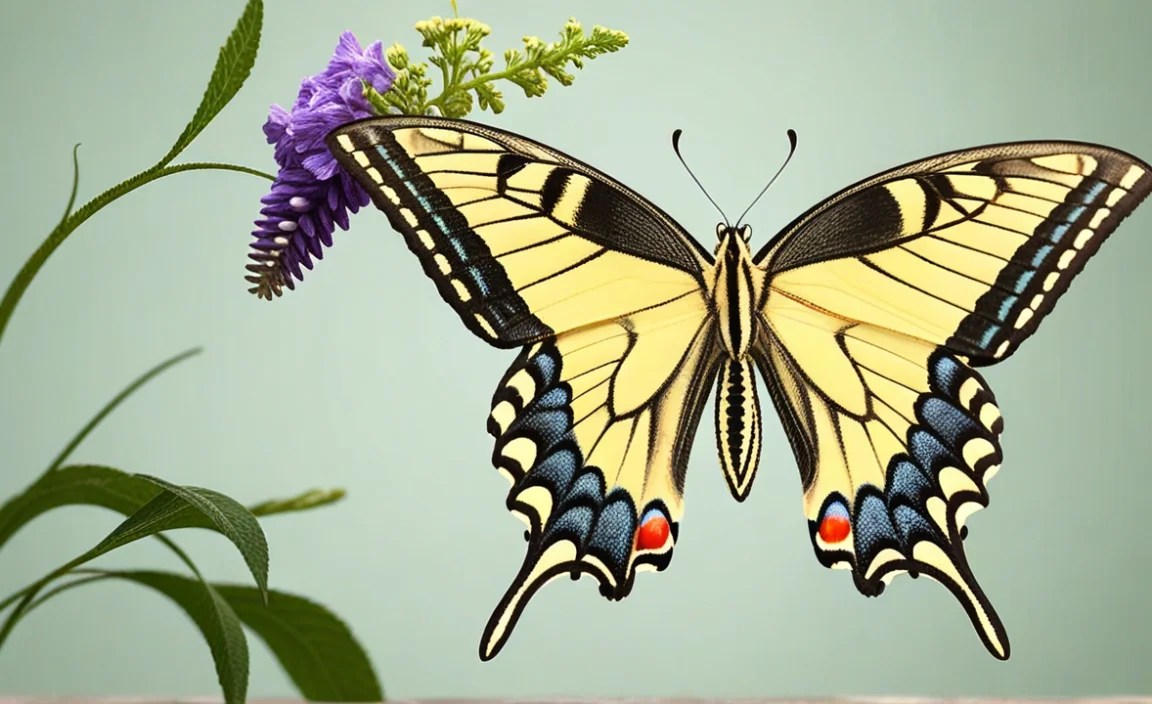
Several factors play a role in the phenotypic variation observed in swallowtail butterflies. Understanding these factors can help you appreciate the complexity of butterfly biology and ecology.
Host Plant Influence
The host plant on which a caterpillar feeds can influence its development and the appearance of the adult butterfly. Different host plants may contain different nutrients or chemicals that affect wing color and size.
- Nutrient Content: Host plants with higher nutrient content may result in larger, healthier butterflies.
- Chemical Compounds: Certain plants contain compounds that can affect wing pigmentation.
- Plant Availability: The availability of suitable host plants can impact population size and genetic diversity.
Temperature and Climate
Temperature and climate can have a significant impact on the development and appearance of swallowtail butterflies. Warmer temperatures may result in faster development rates and darker wing colors.
- Development Rate: Warmer temperatures can speed up the development process, leading to smaller butterflies.
- Wing Color: Temperature can affect the production of melanin, a pigment that darkens wings.
- Climate Change: Changes in climate can alter the distribution and abundance of swallowtail butterflies.
Predation Pressure
Predation pressure can drive phenotypic variation in swallowtail butterflies. Butterflies that mimic poisonous species or have camouflage patterns are more likely to survive and reproduce.
- Mimicry: Some swallowtails mimic poisonous butterflies to deter predators.
- Camouflage: Wing patterns can help butterflies blend in with their surroundings.
- Behavioral Adaptations: Butterflies may also exhibit behavioral adaptations, such as flying erratically, to avoid predation.
Genetic Drift and Gene Flow
Genetic drift and gene flow can also contribute to phenotypic variation in swallowtail butterflies. Genetic drift refers to random changes in gene frequencies within a population, while gene flow refers to the movement of genes between populations.
- Genetic Drift: Random events can cause certain genes to become more or less common in a population.
- Gene Flow: The movement of butterflies between populations can introduce new genes and increase genetic diversity.
- Isolation: Isolated populations may experience genetic drift and diverge from other populations over time.
Conservation Implications
Understanding phenotypic variation in swallowtail butterflies is important for conservation efforts. By recognizing the factors that contribute to variation, we can better protect these beautiful insects and their habitats.
Habitat Preservation
Protecting and restoring butterfly habitats is crucial for maintaining phenotypic variation. Preserving diverse habitats ensures that butterflies have access to a variety of host plants, nectar sources, and microclimates.
- Protect Natural Areas: Conserve parks, nature reserves, and other natural areas that provide habitat for butterflies.
- Restore Degraded Habitats: Plant native trees, shrubs, and wildflowers to restore degraded habitats.
- Create Butterfly Gardens: Encourage homeowners and communities to create butterfly gardens that provide food and shelter for butterflies.
Reducing Pesticide Use
Pesticides can harm butterflies and other beneficial insects. Reducing pesticide use can help protect butterfly populations and maintain genetic diversity.
- Use Organic Gardening Practices: Avoid using synthetic pesticides and herbicides in your garden.
- Promote Integrated Pest Management: Use natural methods to control pests, such as introducing beneficial insects or using traps.
- Educate Others: Share information about the harmful effects of pesticides with your friends, neighbors, and community.
Addressing Climate Change
Climate change poses a significant threat to swallowtail butterflies and other wildlife. Reducing greenhouse gas emissions and mitigating the impacts of climate change can help protect butterfly populations.
- Reduce Your Carbon Footprint: Take steps to reduce your carbon footprint, such as driving less, using public transportation, and conserving energy.
- Support Climate Action: Advocate for policies that address climate change and promote sustainable practices.
- Monitor Butterfly Populations: Track changes in butterfly populations to assess the impacts of climate change and inform conservation efforts.
Examples of Swallowtail Variation
| Species | Type of Variation | Description | Contributing Factors |
|---|---|---|---|
| Eastern Tiger Swallowtail (Papilio glaucus) | Mimicry | Females can have a yellow or black form, with the black form mimicking the poisonous Pipevine Swallowtail. | Genetic, Predation Pressure |
| Black Swallowtail (Papilio polyxenes) | Host Plant Influence | Caterpillars feeding on different host plants may have variations in color and size. | Host Plant Availability, Nutrition |
| Giant Swallowtail (Papilio cresphontes) | Geographic Variation | Populations in different regions may have slight differences in wing pattern and size. | Climate, Habitat |
| Spicebush Swallowtail (Papilio troilus) | Seasonal Variation | Butterflies emerging in different seasons may have variations in wing color intensity. | Temperature, Day Length |
Tools and Resources for Further Exploration
To deepen your understanding of phenotypic variation in swallowtail butterflies, here are some useful tools and resources:
- Field Guides: Purchase a field guide to butterflies of your region to help you identify different species and variations.
- Online Databases: Explore online databases such as BugGuide.net and Butterflies and Moths of North America to learn more about butterfly identification and distribution.
- Citizen Science Projects: Participate in citizen science projects such as the North American Butterfly Association’s butterfly counts to contribute to scientific research and conservation efforts.
- University Extension Programs: Many university extension programs offer resources and workshops on butterfly gardening and conservation.
- Books: Read books about butterfly biology, ecology, and conservation to expand your knowledge.
FAQ About Swallowtail Butterfly Phenotypic Variation
1. What is phenotypic variation?
Phenotypic variation refers to the observable differences among individual organisms, such as size, color, and pattern. In swallowtail butterflies, it means the differences you see in their wing patterns, body size, and other traits.
2. What causes phenotypic variation in swallowtail butterflies?
Phenotypic variation is caused by a combination of genetic factors and environmental influences. Genes determine the basic blueprint, while factors like temperature, humidity, and food availability can influence how these traits are expressed.
3. How does temperature affect swallowtail butterfly phenotypes?
Temperature during the pupal stage can significantly affect wing color and size. Warmer temperatures may result in darker wings, while cooler temperatures may lead to larger butterflies.
4. What role do host plants play in phenotypic variation?
The host plant on which a caterpillar feeds can influence its development and the appearance of the adult butterfly. Different host plants may contain different nutrients or chemicals that affect wing color and size.
5. Can swallowtail butterflies mimic other species?
Yes, some swallowtail butterflies exhibit mimicry, where they resemble poisonous butterflies to avoid predation. For example, the female Eastern Tiger Swallowtail can have a dark morph that mimics the poisonous Pipevine Swallowtail.
6. Why is it important to study phenotypic variation in swallowtail butterflies?
Studying phenotypic variation helps us understand how butterflies adapt to their environment and how they may respond to environmental changes, such as climate change and habitat loss. This knowledge is crucial for conservation efforts.
7. How can I observe phenotypic variation in my local area?
You can observe phenotypic variation by visiting butterfly gardens, parks, and natural areas, identifying common swallowtail species, documenting your observations, and comparing and contrasting the butterflies you see.
Conclusion
Phenotypic variation in swallowtail butterflies is a captivating example of how genetics and environment interact to shape the appearance of living organisms. By understanding the factors that contribute to this variation, such as genetics, temperature, host plants, and predation pressure, we can gain a deeper appreciation for the beauty and complexity of these insects. Whether you’re a seasoned naturalist or a curious beginner, observing and documenting phenotypic variation in your local area can be a rewarding and educational experience. And by supporting habitat preservation, reducing pesticide use, and addressing climate change, we can help protect swallowtail butterflies and ensure that future generations have the opportunity to marvel at their incredible diversity. Happy butterflying!


