
Secret Butterfly Watching Spots: Find Yours!

Quick Summary:
Looking for the best butterfly watching spots? Seek out sunny meadows, woodland edges, and gardens filled with nectar-rich flowers. Research local butterfly species and their host plants. Visit during peak butterfly season (usually late spring through summer) and look for protected areas or butterfly gardens near you. Bring binoculars, a field guide, and a camera to fully enjoy the experience!
Have you ever dreamed of being surrounded by fluttering wings, each one a tiny masterpiece of color and design? Finding the perfect butterfly watching spots can feel like a challenge. Don’t worry, with a little planning, you can discover these hidden havens and witness the magic of butterflies firsthand.
This guide will show you exactly how to find the best locations for butterfly watching. We’ll cover everything from understanding butterfly habitats to using online resources and planning your visit. Get ready to explore the wonderful world of butterflies!
Understanding Butterfly Habitats
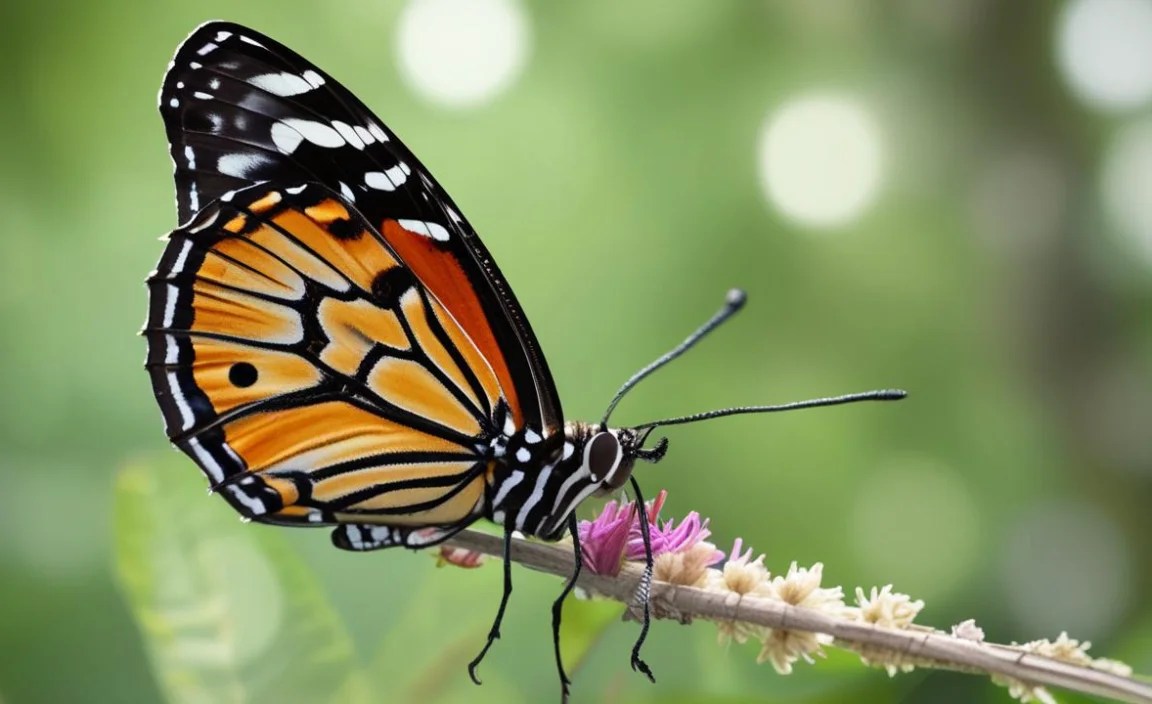
Butterflies aren’t just beautiful; they’re also indicators of a healthy environment. Knowing what they need to thrive will help you find the best butterfly watching spots.
Essential Elements of Butterfly Habitats
Butterflies need several key elements to survive and flourish. These include:
- Nectar Sources: Flowers that provide nectar for adult butterflies.
- Host Plants: Specific plants that caterpillars feed on.
- Sunlight: Butterflies need warmth to be active.
- Shelter: Protection from wind and rain, such as trees and shrubs.
- Water: A source of water, often found in damp soil or puddles.
Different Types of Butterfly Habitats
Butterflies can be found in various habitats, each offering unique opportunities for observation:
- Meadows and Fields: Open areas with plenty of wildflowers.
- Woodland Edges: The transition zones between forests and open areas.
- Gardens: Planted with butterfly-friendly flowers and host plants.
- Wetlands: Marshes and swamps that support specific butterfly species.
- Parks and Preserves: Protected areas managed for wildlife conservation.
Finding Butterfly Watching Spots Near You

Now that you understand what butterflies need, let’s explore how to find the best places to see them.
Online Resources and Databases
The internet is a great tool for discovering butterfly watching spots. Here are some resources to check out:
- The Xerces Society: Offers information on butterfly conservation and habitat restoration. They often have regional guides and lists of recommended sites.
- Local Nature Centers: Many nature centers maintain lists of local butterfly sightings and recommended viewing areas.
- Butterfly Websites and Forums: Websites dedicated to butterflies often have forums where enthusiasts share their favorite spots.
- eButterfly: A citizen science project where you can record your butterfly sightings and see what others have observed in your area.
- iNaturalist: Another citizen science platform where you can find observations of butterflies and other wildlife.
Using Maps and GIS Tools
Geographic Information System (GIS) tools and online maps can help you identify potential butterfly habitats. Look for areas with:
- Designated Green Spaces: Parks, forests, and wildlife refuges.
- Proximity to Water: Rivers, lakes, and wetlands.
- Varied Topography: Hills, valleys, and slopes can create microclimates that support different butterfly species.
Contacting Local Experts and Organizations
Don’t underestimate the power of local knowledge! Reach out to:
- Local Butterfly Clubs: These groups often organize field trips to prime butterfly watching locations.
- Nature Centers and Botanical Gardens: Staff can provide valuable insights into local butterfly populations and habitats.
- University Entomology Departments: Researchers may be studying butterflies in your area and can offer suggestions for where to find them.
- State and Local Parks Departments: Park rangers and staff are familiar with the local flora and fauna, including butterflies.
Planning Your Butterfly Watching Trip

Once you’ve identified some potential butterfly watching spots, it’s time to plan your visit.
Best Time of Year and Day
Timing is everything when it comes to butterfly watching:
- Peak Butterfly Season: Late spring and summer are generally the best times, but this can vary depending on your location and the specific butterfly species you’re interested in.
- Time of Day: Butterflies are most active on warm, sunny days. Mid-morning to early afternoon is often the best time to see them.
What to Bring
To make the most of your butterfly watching experience, bring the following:
- Binoculars: For a closer look at butterflies without disturbing them.
- Field Guide: To help you identify the butterflies you see.
- Camera: To capture stunning photos of these beautiful creatures.
- Notebook and Pen: To record your observations.
- Water and Snacks: To stay hydrated and energized.
- Sunscreen and Insect Repellent: To protect yourself from the elements.
- Comfortable Shoes: You’ll likely be doing a lot of walking.
Butterfly Watching Etiquette
Respecting butterflies and their habitat is crucial:
- Stay on Trails: Avoid trampling vegetation and disturbing butterfly habitats.
- Observe from a Distance: Get close enough to see the butterflies, but avoid getting too close and scaring them.
- Do Not Capture Butterflies: Leave them in their natural environment.
- Avoid Using Insecticides: These chemicals can harm butterflies and other beneficial insects.
- Leave No Trace: Pack out everything you pack in and avoid littering.
Creating Your Own Butterfly Garden
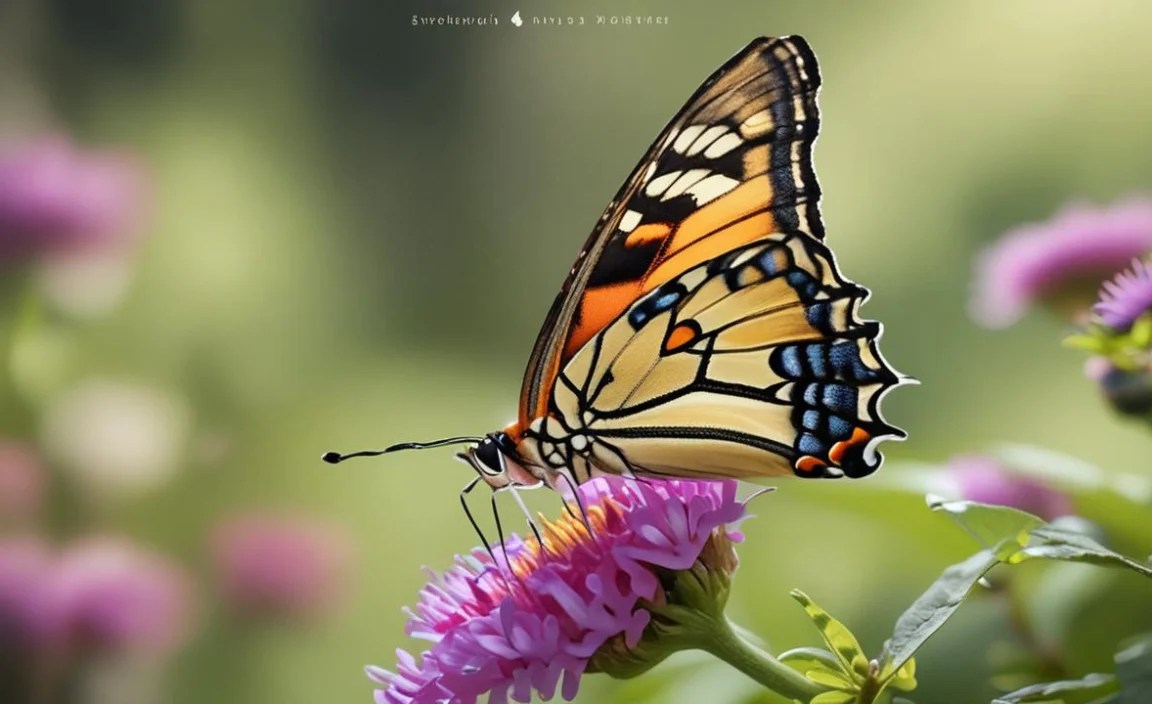
Why not bring the butterflies to you? Creating a butterfly garden is a rewarding way to enjoy these creatures in your own backyard.
Choosing the Right Plants
Selecting the right plants is essential for attracting butterflies:
- Nectar Plants: Provide food for adult butterflies. Some good choices include butterfly bush (Buddleja davidii), coneflowers (Echinacea), and zinnias (Zinnia).
- Host Plants: Provide food for caterpillars. Some popular choices include milkweed (Asclepias) for monarch butterflies, parsley (Petroselinum crispum) for swallowtail butterflies, and oak trees (Quercus) for various butterfly species.
Designing Your Garden
Consider these design elements when creating your butterfly garden:
- Sunlight: Butterflies need at least six hours of sunlight per day.
- Shelter: Provide shrubs and trees for butterflies to rest and escape from predators.
- Water Source: A shallow dish of water or a damp patch of soil will provide butterflies with the moisture they need.
- Avoid Pesticides: Use organic gardening practices to protect butterflies and other beneficial insects.
Maintaining Your Butterfly Garden
Regular maintenance will keep your butterfly garden thriving:
- Watering: Keep your plants well-watered, especially during dry spells.
- Weeding: Remove weeds that compete with your butterfly plants.
- Deadheading: Remove spent flowers to encourage more blooms.
- Fertilizing: Use a balanced fertilizer to promote healthy plant growth.
Butterfly Identification Tips
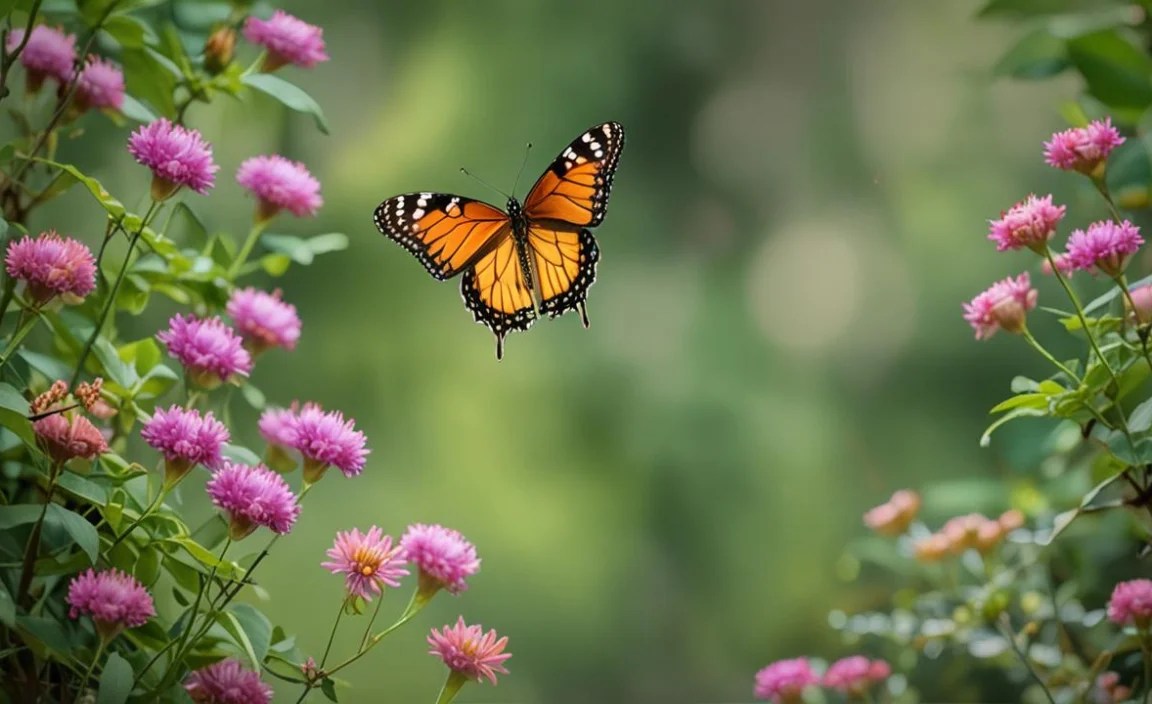
Identifying butterflies can be a fun and rewarding challenge. Here are some tips to help you get started.
Using Field Guides and Apps
Field guides and apps are invaluable tools for butterfly identification:
- Field Guides: Look for field guides specific to your region. These guides typically include detailed descriptions and illustrations of different butterfly species.
- Butterfly Identification Apps: There are several apps available that can help you identify butterflies based on photos or descriptions. Some popular apps include iNaturalist and Picture Insect.
Key Characteristics to Observe
Pay attention to these characteristics when identifying butterflies:
- Size and Shape: Note the overall size and shape of the butterfly.
- Color and Markings: Observe the colors and patterns on the wings.
- Wing Shape: Pay attention to the shape of the wings, including any tails or extensions.
- Flight Pattern: Note how the butterfly flies. Some butterflies have a rapid, erratic flight, while others have a more graceful, gliding flight.
- Habitat: Consider the type of habitat where you found the butterfly.
Common Butterfly Species and Their Habitats
Here’s a table of common butterfly species and their preferred habitats:
| Butterfly Species | Habitat | Host Plant |
|---|---|---|
| Monarch (Danaus plexippus) | Meadows, fields, gardens | Milkweed (Asclepias) |
| Swallowtail (Papilio) | Woodlands, gardens, fields | Parsley, dill, fennel |
| Painted Lady (Vanessa cardui) | Open areas, gardens | Thistle, mallow |
| Cabbage White (Pieris rapae) | Gardens, fields, roadsides | Cabbage, broccoli, kale |
| Common Blue (Polyommatus icarus) | Grasslands, meadows | Clover, bird’s-foot trefoil |
Butterfly Conservation Efforts
Many butterfly species are facing threats due to habitat loss, climate change, and pesticide use. Here are some ways you can help protect these important insects.
Supporting Conservation Organizations
Consider supporting organizations that are working to protect butterflies and their habitats:
- The Xerces Society: A leading organization dedicated to invertebrate conservation.
- The Butterfly Conservation Society: A UK-based organization focused on butterfly conservation.
- Local Conservation Groups: Many local organizations are working to protect butterfly habitats in your area.
Participating in Citizen Science Projects
Get involved in citizen science projects to help monitor butterfly populations and habitats:
- eButterfly: Record your butterfly sightings and contribute to a database of butterfly observations.
- iNaturalist: Document your observations of butterflies and other wildlife.
- Butterfly Monitoring Schemes: Participate in organized butterfly monitoring programs in your area.
Advocating for Butterfly-Friendly Policies
Support policies that protect butterfly habitats and reduce pesticide use:
- Contact Your Elected Officials: Let them know that you support butterfly conservation.
- Support Legislation: Advocate for laws that protect butterfly habitats and regulate pesticide use.
- Educate Others: Share your knowledge about butterflies and the importance of conservation with your friends, family, and community.
Frequently Asked Questions (FAQs)
What is the best time of day to watch butterflies?
Butterflies are most active on warm, sunny days, typically from mid-morning to early afternoon when the temperature is between 60-80°F (15-27°C). They need the sun’s warmth to fly.
What should I wear when butterfly watching?
Wear comfortable, light-colored clothing. Light colors attract butterflies, while comfortable shoes are essential for walking. A hat and sunglasses are also helpful for sun protection.
How can I attract more butterflies to my garden?
Plant a variety of nectar-rich flowers and host plants specific to the butterfly species in your area. Provide a water source, like a shallow dish of water, and avoid using pesticides.
Are butterflies endangered?
Yes, many butterfly species are endangered due to habitat loss, climate change, and pesticide use. Supporting conservation efforts and creating butterfly-friendly habitats can help protect them.
What is the difference between a butterfly and a moth?
Butterflies are typically active during the day, have brightly colored wings, and hold their wings upright when at rest. Moths are often active at night, have duller colors, and fold their wings flat.
Can I feed butterflies?
You can provide a butterfly feeder with a sugar-water solution (one part sugar to four parts water). However, natural nectar sources are always the best option for their overall health.
Where can I find a local butterfly watching group?
Check with local nature centers, botanical gardens, and conservation organizations. Many have butterfly-watching groups or can direct you to one in your area.
Conclusion
Finding the best butterfly watching spots is an adventure that combines exploration, learning, and a deep appreciation for nature. By understanding butterfly habitats, using online resources, and planning your visits carefully, you can witness the beauty and diversity of these amazing creatures. Whether you’re exploring a local park or creating your own butterfly garden, every effort contributes to their conservation.
So grab your binoculars, pack your field guide, and get ready to discover the hidden havens where butterflies thrive. Your journey into the world of butterflies is just beginning, and the rewards are immeasurable. As you explore, remember that each fluttering wing represents a delicate balance in our ecosystem. Your awareness and conservation efforts can make a real difference in preserving these beautiful creatures for generations to come. Happy butterfly watching!


