Mountain Butterfly Species: Identify These Beauties!

Quick Summary: Mountain butterfly species are butterflies adapted to high-altitude environments. They often have unique adaptations like darker coloration for better heat absorption, smaller size to conserve energy, and slower wingbeats for efficient flight in thin air. Some notable species include the Apollo butterfly, Clodius Parnassian, and various fritillaries.
Have you ever wondered how delicate butterflies survive in the harsh, cold environments of the mountains? It seems impossible that these fragile creatures can thrive amidst rocky peaks and unpredictable weather. Many nature lovers and gardeners are curious about the secret lives of mountain butterflies and how they adapt to such extreme conditions. It’s a fascinating topic! This article will guide you through the wonderful world of mountain butterflies, revealing their unique adaptations and the secrets to their survival. Get ready to explore the heights!
Understanding Mountain Butterfly Species
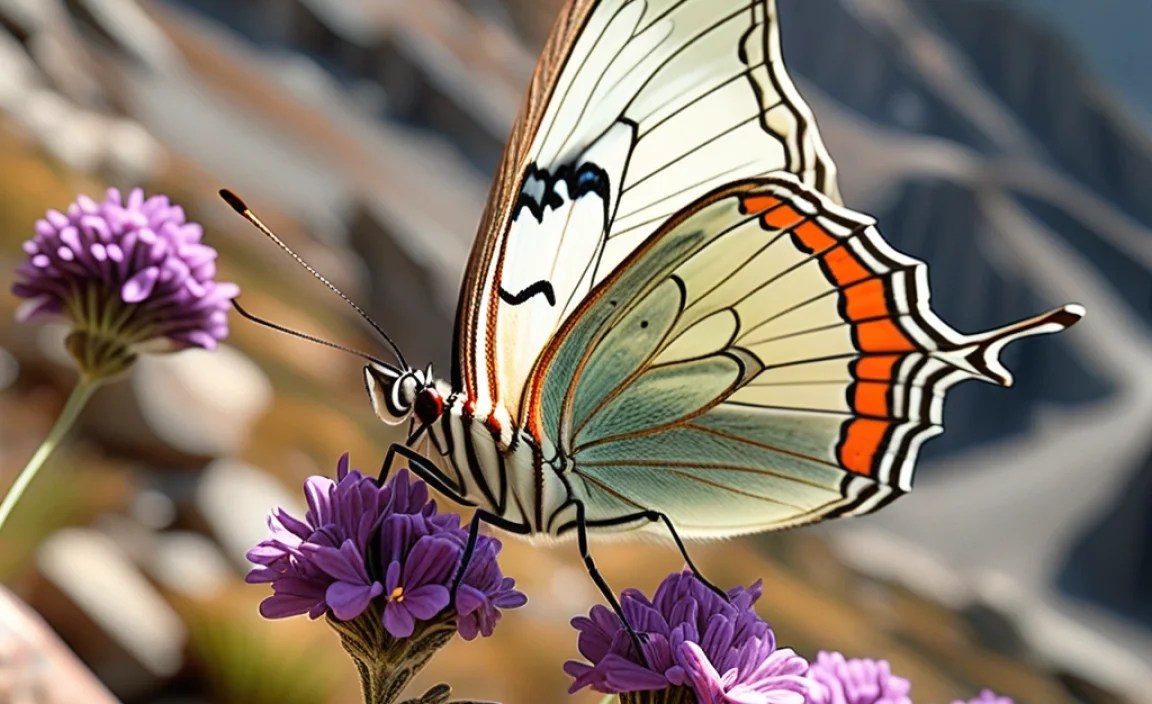
Mountain butterfly species are a group of butterflies that have adapted to live in high-altitude environments. These butterflies face unique challenges, such as lower temperatures, thinner air, and intense sunlight. They have developed special adaptations to survive and thrive in these conditions. Let’s explore some of the key characteristics and adaptations of these amazing creatures.
Key Characteristics of Mountain Butterflies
Mountain butterflies share several characteristics that help them survive in their challenging habitats:
- Darker Coloration: Many mountain butterflies have darker wings. Dark colors absorb more sunlight, which helps them warm their bodies in the cool mountain air.
- Smaller Size: Smaller butterflies are better able to conserve energy. They require less food and can warm up more quickly.
- Slower Wingbeats: The thinner air at high altitudes requires slower, more deliberate wingbeats. This conserves energy and allows for more efficient flight.
- Sun Basking: Mountain butterflies often bask in the sun to raise their body temperature. They will position themselves to maximize sun exposure.
- Specialized Diets: These butterflies often rely on specific host plants that are found only in mountain environments.
Adaptations for Survival
The adaptations of mountain butterflies are essential for their survival. Here are some key adaptations:
- Thermoregulation: The ability to regulate body temperature is critical. Dark wings, basking behavior, and even shivering can help them stay warm.
- Efficient Flight: Slower wingbeats and larger wings relative to body size allow for efficient flight in thin air.
- Cold Tolerance: Some species can tolerate freezing temperatures. They may enter a state of dormancy to survive the coldest periods.
- UV Protection: High-altitude environments have intense UV radiation. Some butterflies have pigments in their wings that provide protection.
- Habitat Specificity: Many mountain butterflies are highly specialized to their particular habitat. They may rely on specific plants or microclimates.
Notable Mountain Butterfly Species

Let’s take a closer look at some specific examples of mountain butterfly species and their unique characteristics.
Apollo Butterfly (Parnassius apollo)
The Apollo butterfly is a striking species found in the mountains of Europe and Asia. It is known for its large size, white wings, and distinctive red spots. The Apollo butterfly is well-adapted to cold, high-altitude environments.
Key Features:
- Large Size: With a wingspan of up to 8 cm, it’s one of the larger mountain butterflies.
- White Wings: The white wings help reflect sunlight, preventing overheating.
- Red Spots: The red spots may serve as a warning to predators.
- Larval Diet: Apollo butterfly caterpillars feed on stonecrop plants, which are common in rocky mountain habitats.
The Apollo butterfly is considered a flagship species for conservation in many European countries. Its populations have declined due to habitat loss and climate change.
Clodius Parnassian (Parnassius clodius)
The Clodius Parnassian is another member of the Parnassius genus, found in North American mountains. It is similar to the Apollo butterfly but has its own unique characteristics.
Key Features:
- Translucent Wings: The wings are partially translucent, which helps to reduce overheating.
- Black Markings: Black markings on the wings provide camouflage against the rocky landscape.
- Cold Tolerance: Clodius Parnassians can tolerate very cold temperatures, allowing them to survive in high-altitude environments.
- Host Plants: Caterpillars feed on bleeding heart and corydalis plants.
The Clodius Parnassian is an important pollinator in its mountain habitats. It plays a role in maintaining the health of plant communities.
Fritillaries (Boloria and Speyeria spp.)
Fritillaries are a diverse group of butterflies found in mountain regions around the world. They are known for their orange and brown coloration and intricate wing patterns.
Key Features:
- Orange and Brown Coloration: This coloration provides camouflage against the rocks and vegetation of mountain habitats.
- Strong Flight: Fritillaries are strong fliers, able to navigate the windy conditions of mountain environments.
- Varied Host Plants: Different fritillary species feed on a variety of host plants, including violets and willows.
- Sun Basking: Fritillaries often bask in the sun to warm their bodies, which is essential for flight and other activities.
Some notable fritillary species include the Mountain Fritillary (Boloria napaea) and the Zerene Fritillary (Speyeria zerene). Each species has its own unique adaptations and habitat preferences.
Melissa Arctic (Oeneis melissa)
The Melissa Arctic is a butterfly found in the high-altitude and arctic regions of North America. It is known for its ability to survive in extremely cold conditions.
Key Features:
- Small Size: Its small size helps it to conserve energy.
- Dark Coloration: Dark wings help absorb sunlight.
- Slow Development: The Melissa Arctic has a slow development rate, taking multiple years to complete its life cycle.
- Larval Food: Caterpillars primarily feed on grasses and sedges.
This species is an example of how butterflies can adapt to some of the harshest environments on Earth. It’s a testament to the resilience of nature.
The Ecology of Mountain Butterflies

Mountain butterflies play important roles in their ecosystems. Understanding their ecology is crucial for conservation efforts. Let’s explore their interactions with the environment.
Pollination
Like other butterflies, mountain butterflies are important pollinators. They visit flowers to feed on nectar, transferring pollen from one flower to another. This process is essential for the reproduction of many mountain plants.
Some mountain butterfly species are specialized pollinators, meaning they primarily visit certain types of flowers. This specialization can make them particularly important for the survival of those plant species.
Food Web Interactions
Mountain butterflies are part of complex food webs. They serve as a food source for birds, spiders, and other predators. Their caterpillars also provide food for various insects and other animals.
Changes in butterfly populations can have cascading effects on the entire ecosystem. For example, a decline in butterfly numbers could lead to a decrease in the populations of their predators.
Habitat Requirements
Mountain butterflies have specific habitat requirements. They need access to host plants for their caterpillars, nectar sources for adults, and suitable microclimates for basking and shelter.
Habitat loss and degradation are major threats to mountain butterfly populations. Conservation efforts often focus on protecting and restoring their habitats.
Threats to Mountain Butterfly Populations

Mountain butterfly populations face a variety of threats, including climate change, habitat loss, and pollution. Understanding these threats is essential for developing effective conservation strategies.
Climate Change
Climate change is one of the most significant threats to mountain butterflies. As temperatures rise, their habitats are shifting and shrinking. Many species are unable to adapt quickly enough to these changes.
Changes in snowmelt patterns, increased frequency of extreme weather events, and altered vegetation communities can all negatively impact mountain butterfly populations.
Habitat Loss
Habitat loss is another major threat. Human activities such as logging, mining, and development can destroy or degrade butterfly habitats. In addition, overgrazing by livestock can damage vegetation and reduce the availability of host plants.
Protecting and restoring mountain habitats is crucial for the survival of these butterflies. This can involve establishing protected areas, managing grazing, and restoring degraded lands.
Pollution
Pollution can also harm mountain butterflies. Air pollution can damage their respiratory systems and reduce the availability of nectar sources. Pesticides and herbicides can directly kill butterflies and their caterpillars.
Reducing pollution is important for protecting mountain butterfly populations. This can involve reducing emissions from vehicles and industries, using pesticides and herbicides responsibly, and promoting organic farming practices.
Conservation Strategies
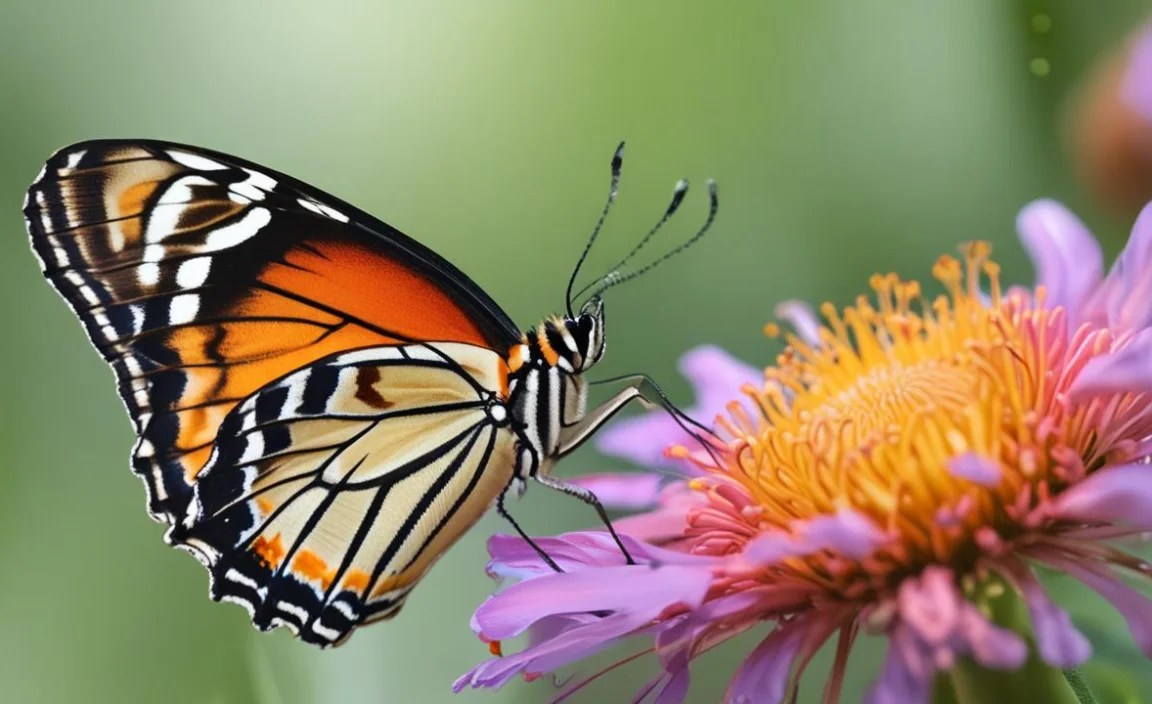
Conserving mountain butterfly populations requires a multifaceted approach. Here are some key conservation strategies:
- Habitat Protection: Protecting and restoring mountain habitats is essential. This can involve establishing protected areas, managing grazing, and restoring degraded lands.
- Climate Change Mitigation: Reducing greenhouse gas emissions is crucial for mitigating the impacts of climate change on mountain butterflies. This can involve transitioning to renewable energy sources, improving energy efficiency, and promoting sustainable transportation.
- Pollution Reduction: Reducing pollution is important for protecting mountain butterfly populations. This can involve reducing emissions from vehicles and industries, using pesticides and herbicides responsibly, and promoting organic farming practices.
- Monitoring and Research: Monitoring butterfly populations and conducting research on their ecology and threats is essential for informing conservation efforts.
- Public Education: Educating the public about the importance of mountain butterflies and the threats they face can help to build support for conservation efforts.
Individual actions can also make a difference. Gardeners can plant butterfly-friendly plants in their gardens, reduce their use of pesticides and herbicides, and support organizations that are working to protect mountain butterfly habitats.
How to Identify Mountain Butterflies
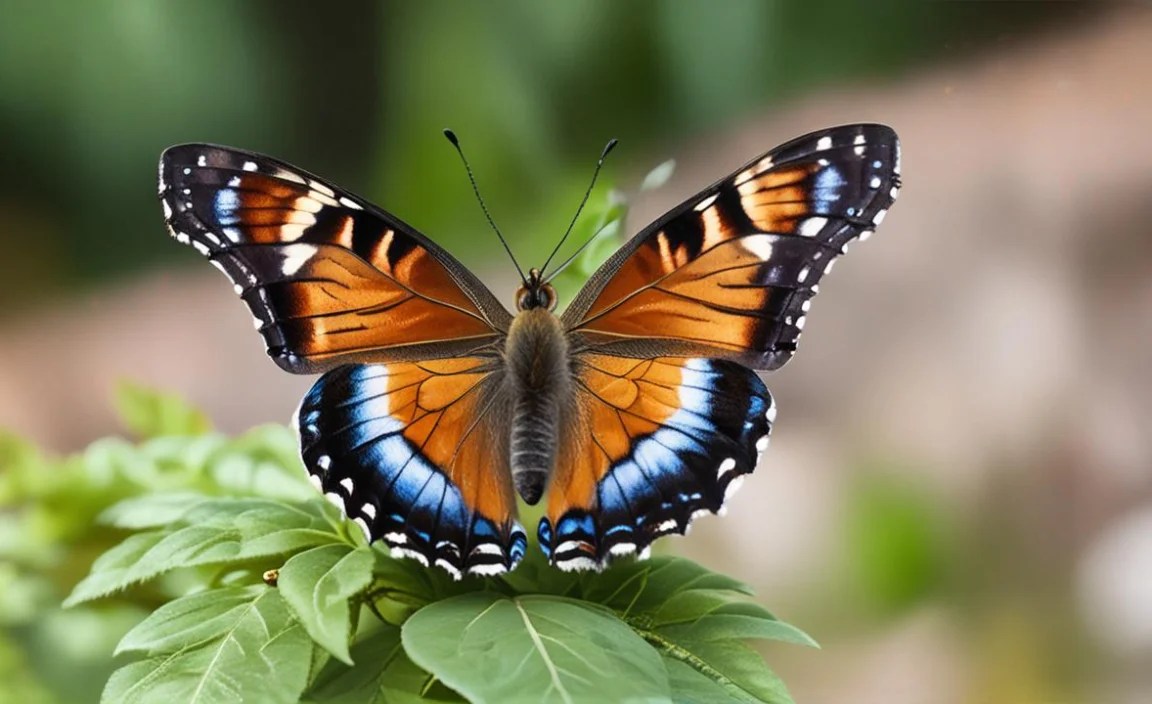
Identifying mountain butterflies can be a rewarding experience. Here are some tips to help you identify these fascinating creatures:
- Observe Wing Patterns: Pay attention to the colors, patterns, and markings on the wings. Use a field guide or online resource to compare your observations to known species.
- Note Size and Shape: Note the size and shape of the butterfly. Some species are larger than others, and some have more rounded wings.
- Consider Habitat: Consider the habitat where you found the butterfly. Some species are only found in specific types of mountain habitats.
- Observe Behavior: Observe the butterfly’s behavior. Some species have distinctive flight patterns or feeding habits.
- Use a Field Guide: A good field guide can be an invaluable tool for identifying mountain butterflies. Look for a guide that includes detailed descriptions and illustrations of different species.
- Take Photos: Taking photos of the butterfly can help you to identify it later. Be sure to capture clear images of the wings and body.
There are many resources available to help you identify mountain butterflies. Online databases, field guides, and local butterfly clubs can all provide valuable information.
Attracting Mountain Butterflies to Your Garden

Even if you don’t live in a mountain environment, you can still attract mountain butterflies to your garden. Here are some tips:
- Plant Host Plants: Plant host plants that are specific to mountain butterfly species. This will provide food for their caterpillars.
- Provide Nectar Sources: Plant a variety of nectar-rich flowers that bloom throughout the growing season. This will provide food for adult butterflies.
- Create a Basking Area: Provide a sunny, sheltered area where butterflies can bask and warm their bodies.
- Provide Water: Provide a shallow dish of water with pebbles or sand for butterflies to drink from.
- Avoid Pesticides: Avoid using pesticides and herbicides in your garden. These chemicals can harm butterflies and other beneficial insects.
By creating a butterfly-friendly garden, you can help to support mountain butterfly populations and enjoy the beauty of these amazing creatures.
Mountain Butterfly Species Table
| Species | Habitat | Key Features | Host Plants |
|---|---|---|---|
| Apollo Butterfly (Parnassius apollo) | Mountains of Europe and Asia | Large, white wings with red spots | Stonecrop plants |
| Clodius Parnassian (Parnassius clodius) | North American mountains | Translucent wings with black markings | Bleeding heart, Corydalis |
| Mountain Fritillary (Boloria napaea) | Alpine meadows | Orange and brown coloration | Violets, Willows |
| Melissa Arctic (Oeneis melissa) | High-altitude and arctic regions of North America | Small size, dark coloration | Grasses and sedges |
FAQ About Mountain Butterfly Species
Here are some frequently asked questions about mountain butterfly species:
- What makes mountain butterflies unique?
- Mountain butterflies are unique because they have adapted to survive in cold, high-altitude environments. They often have darker coloration, smaller size, and slower wingbeats.
- Why are mountain butterflies important?
- Mountain butterflies are important pollinators and play a crucial role in their ecosystems. They also serve as a food source for other animals.
- What are the main threats to mountain butterflies?
- The main threats to mountain butterflies include climate change, habitat loss, and pollution.
- How can I help protect mountain butterflies?
- You can help protect mountain butterflies by supporting conservation organizations, reducing your carbon footprint, and creating butterfly-friendly habitats in your garden.
- What kind of flowers do mountain butterflies like?
- Mountain butterflies are attracted to a variety of nectar-rich flowers, including wildflowers, alpine plants, and other flowering plants that thrive in mountain environments.
- Do mountain butterflies migrate?
- Some mountain butterflies migrate to lower elevations during the winter months to escape the cold. However, many species remain in their high-altitude habitats year-round.
- Where can I find mountain butterflies?
- Mountain butterflies can be found in mountain ranges around the world, including the Alps, the Rockies, and the Himalayas.
Conclusion
Mountain butterfly species are truly remarkable creatures. Their ability to adapt and thrive in harsh environments is a testament to the power of nature. By understanding their unique characteristics, ecology, and threats, we can work together to protect these amazing butterflies and their habitats for generations to come. So, the next time you find yourself in the mountains, take a moment to appreciate the delicate beauty of these high-altitude flyers. With a little knowledge and care, you can become a guardian of these precious creatures and contribute to their conservation. Let’s celebrate and protect the mountain butterflies!