
Backyard Habitat Butterflies: Ultimate Easy Guide

Quick Summary:
Want to turn your backyard into a butterfly haven? It’s easier than you think! You can create a beautiful and beneficial space by planting native nectar-rich flowers for adult butterflies and host plants for their caterpillars. Add a shallow water source, avoid pesticides, and provide some shelter. Soon, you’ll be enjoying the colorful flutter of butterflies in your own yard!
Imagine stepping into your backyard and being greeted by the vibrant dance of butterflies. It’s not just a beautiful sight; it’s a sign of a healthy ecosystem. But how do you transform your ordinary yard into a thriving butterfly habitat? Many people find it challenging to attract these delicate creatures, but with a few simple steps, you can create a butterfly paradise.
This guide will walk you through the process, from selecting the right plants to providing essential resources. We’ll explore how to create a space where butterflies can feed, lay eggs, and thrive. Get ready to unlock the secrets to a butterfly-filled backyard and contribute to their conservation. Let’s begin!
Why Create a Backyard Habitat for Butterflies?
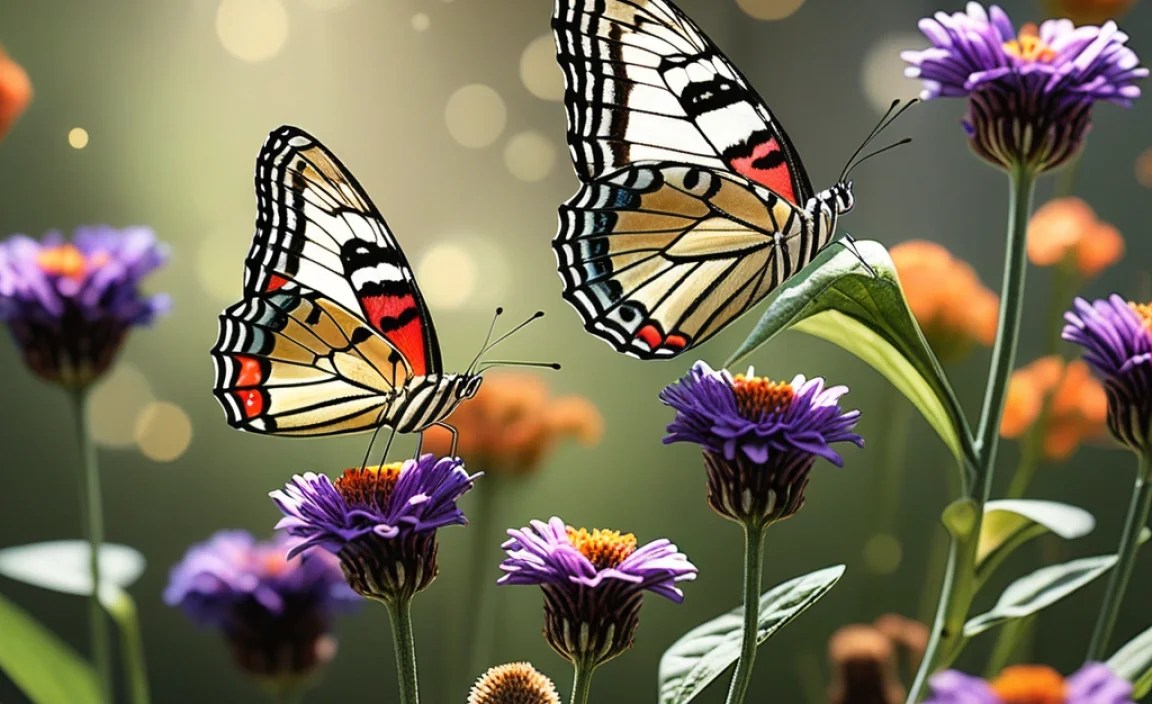
Butterflies are more than just pretty insects. They are important pollinators, contributing to the health of our gardens and ecosystems. Sadly, butterfly populations are declining due to habitat loss, pesticide use, and climate change. By creating a butterfly habitat in your backyard, you can make a real difference.
- Support Pollination: Butterflies pollinate flowers as they feed on nectar, helping plants reproduce.
- Provide Food Sources: Habitats offer nectar for adults and host plants for caterpillars.
- Offer Shelter: Plants and shrubs provide protection from predators and harsh weather.
- Contribute to Conservation: Even a small backyard habitat can help support butterfly populations.
- Enjoy the Beauty: Watching butterflies in your garden is a rewarding and educational experience.
Planning Your Butterfly Garden
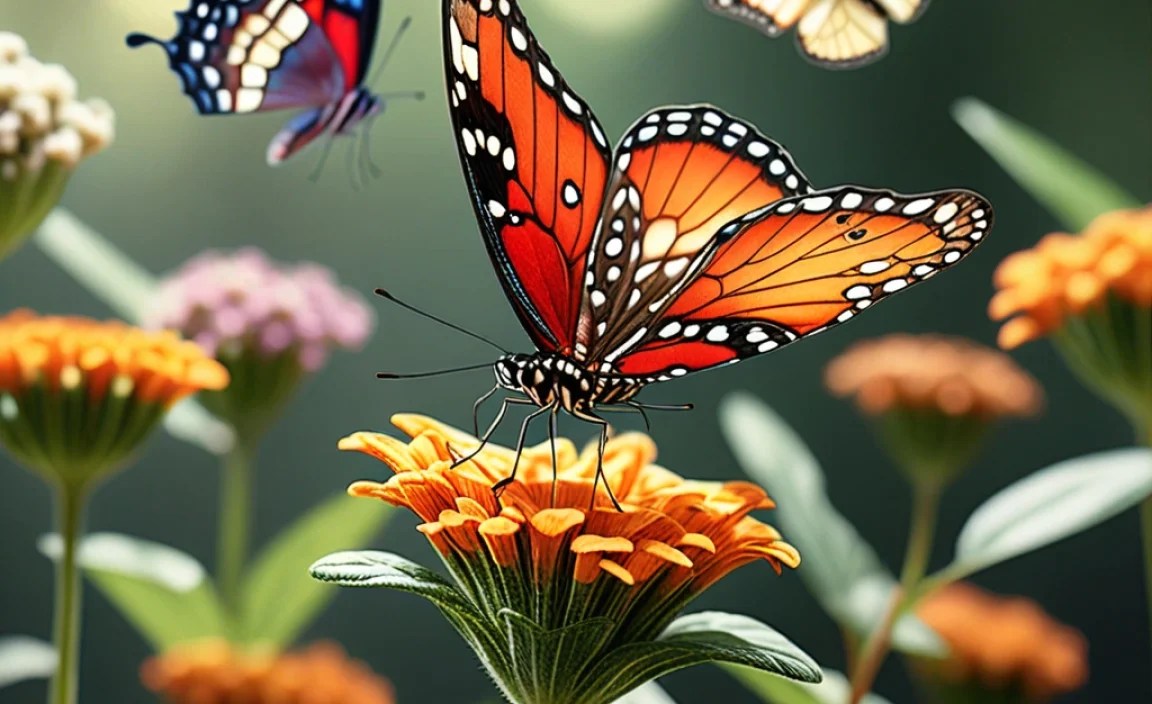
Before you start planting, take some time to plan your butterfly garden. Consider the following factors:
Assess Your Space
Evaluate the amount of sunlight your yard receives, the type of soil you have, and the available space. Most butterfly plants need at least six hours of sunlight per day. Check your soil’s pH level and amend it if necessary. Even a small balcony or patio can become a butterfly-friendly space with container gardening.
Choose Native Plants
Native plants are the best choice for attracting butterflies because they are adapted to your local climate and provide the specific food and shelter that native butterflies need. Contact your local native plant society or extension office for recommendations.
Consider Butterfly Needs
Butterflies have two main needs: nectar for adult butterflies and host plants for caterpillars. Nectar plants provide energy for adults, while host plants are where butterflies lay their eggs and caterpillars feed. Make sure to include both in your garden.
Essential Elements of a Butterfly Habitat

A successful butterfly habitat includes more than just flowers. Here are the key elements to consider:
Nectar Plants
Nectar plants provide food for adult butterflies. Choose a variety of plants that bloom at different times of the year to provide a continuous food source. Some popular nectar plants include:
- Butterfly Bush (Buddleja davidii): A classic butterfly magnet.
- Zinnia (Zinnia elegans): Easy to grow and comes in many colors.
- Purple Coneflower (Echinacea purpurea): A native favorite.
- Lantana (Lantana camara): Attracts butterflies and hummingbirds.
- Salvia (Salvia spp.): Offers a long bloom time.
Host Plants
Host plants are essential for butterfly reproduction. These are the plants that caterpillars feed on. Without host plants, butterflies cannot complete their life cycle. Some common host plants include:
- Milkweed (Asclepias spp.): The only food source for monarch caterpillars.
- Parsley (Petroselinum crispum): A host plant for black swallowtail butterflies.
- Dill (Anethum graveolens): Another host plant for black swallowtails.
- Spicebush (Lindera benzoin): A host plant for spicebush swallowtail butterflies.
- Violets (Viola spp.): Host plant for fritillary butterflies.
Water Source
Butterflies need water to drink, but they can’t drink from deep puddles. Provide a shallow water source, such as a bird bath with pebbles or a dish filled with wet sand. Make sure the water is clean and fresh.
Shelter
Butterflies need shelter from wind, rain, and predators. Provide shrubs, trees, and tall grasses where they can rest and hide. A brush pile in a corner of your yard can also provide shelter.
Sunlight
Butterflies are cold-blooded and need sunlight to warm up. Make sure your butterfly garden receives at least six hours of sunlight per day. Position plants to maximize sun exposure.
Step-by-Step Guide to Creating Your Butterfly Habitat

Ready to get started? Here’s a step-by-step guide to creating your butterfly habitat:
Step 1: Choose a Location
Select a sunny spot in your yard that is sheltered from strong winds. Ensure the area receives at least six hours of direct sunlight daily. Consider the proximity to a water source and existing vegetation.
Step 2: Prepare the Soil
Test your soil’s pH level and amend it if necessary. Most butterfly plants prefer well-drained soil. Remove any grass or weeds from the area and till the soil to a depth of 12 inches. Add compost or other organic matter to improve soil fertility.
Step 3: Select Your Plants
Choose a variety of native nectar and host plants that are appropriate for your region. Consider the bloom time of each plant to ensure a continuous food source throughout the growing season. Visit local nurseries or native plant sales to find the best options.
Native Plant Resources:
- Lady Bird Johnson Wildflower Center: https://www.wildflower.org/
- The Xerces Society for Invertebrate Conservation: https://xerces.org/
Step 4: Plant Your Garden
Follow the planting instructions for each plant. Space plants according to their mature size. Water thoroughly after planting and mulch around the plants to conserve moisture and suppress weeds.
Step 5: Add Water and Shelter
Provide a shallow water source, such as a bird bath with pebbles or a dish filled with wet sand. Place it in a sunny spot where butterflies can easily access it. Add shrubs, trees, and tall grasses to provide shelter from wind, rain, and predators.
Step 6: Avoid Pesticides
Pesticides can harm or kill butterflies and other beneficial insects. Avoid using pesticides in your butterfly garden. If you must use them, choose organic options and apply them carefully, avoiding spraying on flowers or foliage.
Step 7: Maintain Your Garden
Water your plants regularly, especially during dry periods. Weed your garden to prevent competition for resources. Deadhead spent flowers to encourage more blooms. Prune shrubs and trees as needed to maintain their shape and health.
Choosing the Right Plants for Your Region

Selecting the right plants for your region is crucial for creating a successful butterfly habitat. Native plants are the best choice because they are adapted to your local climate and provide the specific food and shelter that native butterflies need. Here’s a table with example plants for different regions:
| Region | Nectar Plants | Host Plants | Butterfly Species Attracted |
|---|---|---|---|
| Northeast | Butterfly Bush, Bee Balm, Aster | Milkweed, Spicebush, Violets | Monarch, Black Swallowtail, Spicebush Swallowtail |
| Southeast | Lantana, Salvia, Coreopsis | Milkweed, Pipevine, Passionflower | Monarch, Pipevine Swallowtail, Gulf Fritillary |
| Midwest | Purple Coneflower, Zinnia, Butterfly Weed | Milkweed, Black Cherry, Parsley | Monarch, Black Swallowtail, Tiger Swallowtail |
| Southwest | Desert Milkweed, Salvia, Penstemon | Milkweed, Hackberry, Citrus | Monarch, Queen, Giant Swallowtail |
| Pacific Northwest | California Poppy, Lavender, Yarrow | Milkweed, Red Alder, Lupine | Monarch, Western Tiger Swallowtail, Lorquin’s Admiral |
Consult with local nurseries or your county extension office for a list of native plants specific to your area.
Attracting Specific Butterfly Species
If you have a particular butterfly species in mind, you can tailor your garden to attract it. Here are some tips for attracting specific butterflies:
Monarch Butterflies
Plant milkweed, the only food source for monarch caterpillars. Choose native milkweed species that are appropriate for your region. Provide nectar plants that bloom during the monarch migration season, such as asters and goldenrod.
Black Swallowtail Butterflies
Plant parsley, dill, and fennel, which are host plants for black swallowtail caterpillars. Provide nectar plants with bright colors, such as zinnias and butterfly bush.
Spicebush Swallowtail Butterflies
Plant spicebush and sassafras, which are host plants for spicebush swallowtail caterpillars. Provide nectar plants that bloom in the spring, such as azaleas and dogwood.
Gulf Fritillary Butterflies
Plant passionflower, the host plant for gulf fritillary caterpillars. Provide nectar plants that bloom in the summer, such as lantana and salvia.
Dealing with Common Problems
Even with careful planning, you may encounter some challenges in your butterfly garden. Here are some common problems and how to address them:
Caterpillar Damage
It’s natural for caterpillars to eat the leaves of their host plants. However, if caterpillars are decimating your plants, you may need to take action. Handpick caterpillars and relocate them to other host plants. Avoid using pesticides, which can harm or kill caterpillars.
Aphids
Aphids are small, sap-sucking insects that can weaken plants. Control aphids by spraying them with a strong stream of water or using insecticidal soap. Introduce beneficial insects, such as ladybugs and lacewings, which prey on aphids.
Weeds
Weeds can compete with your butterfly plants for resources. Remove weeds regularly by hand or with a hoe. Mulch around your plants to suppress weed growth.
Deer and Rabbits
Deer and rabbits can eat your butterfly plants. Protect your plants by installing fencing or using deer and rabbit repellents. Choose plants that are less palatable to deer and rabbits.
The Benefits Beyond Butterflies
Creating a butterfly habitat offers many benefits beyond attracting butterflies. It can also:
- Attract other pollinators: Bees, hummingbirds, and other pollinators will also be drawn to your garden.
- Enhance your landscape: A butterfly garden adds beauty and interest to your yard.
- Provide educational opportunities: A butterfly garden can be a valuable learning resource for children and adults.
- Improve your well-being: Spending time in nature has been shown to reduce stress and improve mental health.
Butterfly Garden Maintenance Schedule
Here’s a simple maintenance schedule to keep your butterfly garden thriving:
| Month | Task | Description |
|---|---|---|
| Spring | Clean up garden | Remove dead leaves and debris. |
| Spring | Add compost | Enrich the soil with organic matter. |
| Spring | Plant new plants | Introduce new nectar and host plants. |
| Summer | Water regularly | Keep the soil moist, especially during dry spells. |
| Summer | Deadhead flowers | Encourage more blooms. |
| Summer | Weed regularly | Prevent weeds from competing with your plants. |
| Fall | Leave seed heads | Provide food for birds and overwintering insects. |
| Fall | Clean up debris | Remove any diseased or infested plant material. |
Frequently Asked Questions (FAQ)
Here are some frequently asked questions about creating a backyard habitat for butterflies:
What is the best time of year to start a butterfly garden?
The best time to start a butterfly garden is in the spring or fall, when the weather is mild and plants have time to establish before the heat of summer or the cold of winter.
How much space do I need for a butterfly garden?
You don’t need a lot of space! Even a small container garden on a balcony can attract butterflies. The key is to provide the right plants and resources.
What are the most important plants to include in a butterfly garden?
The most important plants are native nectar plants for adult butterflies and host plants for caterpillars. Milkweed is essential for monarch butterflies.
How can I attract more butterflies to my garden?
Provide a variety of nectar and host plants, a shallow water source, shelter from wind and predators, and avoid using pesticides.
Do I need to use fertilizer in my butterfly garden?
It’s best to avoid using synthetic fertilizers, which can harm beneficial insects. Instead, amend the soil with compost or other organic matter.
What should I do if caterpillars are eating all of my plants?
It’s natural for caterpillars to eat the leaves of their host plants. However, if they are decimating your plants, handpick them and relocate them to other host plants. Avoid using pesticides.
How can I protect my butterfly garden from deer and rabbits?
Install fencing or use deer and rabbit repellents. Choose plants that are less palatable to deer and rabbits.
Conclusion
Creating a backyard habitat for butterflies is a rewarding experience that benefits both you and the environment. By providing the right plants and resources, you can transform your yard into a haven for these beautiful creatures. Remember to choose native plants, avoid pesticides, and provide a shallow water source and shelter. Your butterfly garden will not only attract butterflies but also enhance your landscape, provide educational opportunities, and improve your well-being. So, get started today and enjoy the beauty and wonder of butterflies in your own backyard! As a lifelong enthusiast at ButterflyAsk.com, I encourage you to observe, learn, and share your knowledge with others. Together, we can protect these delicate creatures and their habitats for generations to come.


