
Easy How to Identify Butterfly Underside Wings

Have you ever seen a butterfly up close? Their wings are so pretty. Did you know butterflies have different patterns? The patterns on the top and bottom are unique. Learning how to identify butterfly underside wings helps you know what kind it is.
Butterflies use their wings to fly and show off. But the bottom part hides secrets. Can you find them?
Butterflies are insects. They fly with their beautiful wings. But the wings are not just for flying. They also help butterflies hide. Some butterflies look like leaves. Others have bright colors. These colors scare away predators. The underside wings help them survive. So, let’s discover how to identify butterfly underside wings. It’s like being a butterfly detective.
Key Takeaways
- The patterns on butterfly underside wings are different from the top side.
- You can identify a butterfly by looking at the colors and spots.
- How to identify butterfly underside wings involves checking for lines and bands.
- Some butterflies have special markings that look like eyes.
- Underside wing patterns help butterflies hide from birds and other enemies.
What Makes Butterfly Underside Wings Unique
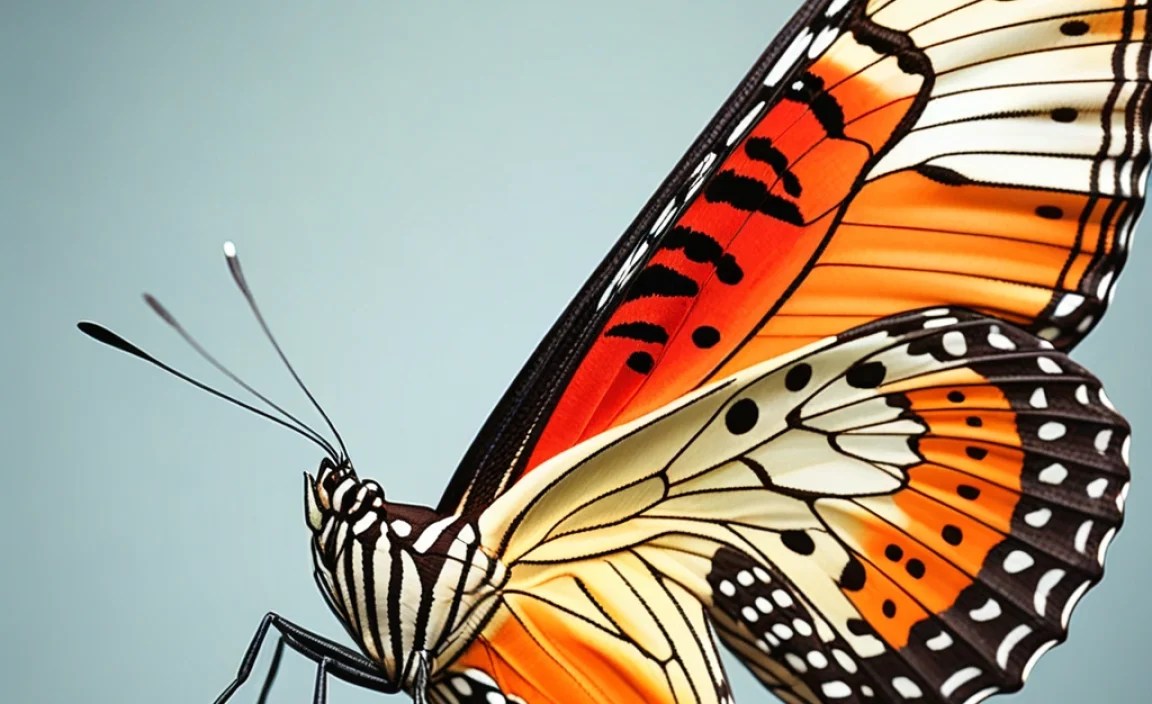
Have you ever wondered why butterflies have patterns on their wings? The patterns help them in many ways. Some patterns help them hide from predators. Other patterns help them attract mates. The underside of a butterfly’s wing is often different than the top. This is because the underside serves a different purpose. It is often used for camouflage. The colors and patterns can help the butterfly blend in. They can hide in leaves or bark. These patterns are vital for survival. How to identify butterfly underside wings can be a fun activity. It can also teach you a lot about nature. The unique patterns are like a secret code. Once you know the code, you can identify different types of butterflies. The patterns are beautiful and fascinating. Looking at butterflies helps you appreciate nature.
- Underside wings help with camouflage.
- Patterns can attract mates.
- Colors can scare away predators.
- Wing patterns aid species identification.
- Some patterns mimic leaves or bark.
The underside of a butterfly’s wing is like a fingerprint. Each species has its own unique pattern. These patterns can vary greatly. Some are simple, with just a few spots or lines. Others are complex, with many colors and intricate designs. The colors can range from bright and bold to dull and muted. Some butterflies have eyespots on their underside wings. These look like the eyes of a larger animal. Eyespots can startle predators and give the butterfly time to escape. The patterns can also help butterflies regulate their body temperature. Dark colors absorb heat, while light colors reflect heat. So, the patterns on the underside of a butterfly’s wing are not just for show. They are essential for survival.
Fun Fact or Stat: Some butterfly species have evolved to mimic poisonous butterflies using their underside wing patterns, protecting themselves from predators!
Why Are Patterns Important
Why do butterflies need patterns? Imagine you are a butterfly. You need to hide from birds. Birds want to eat you. If you look like a leaf, the bird might not see you. That’s why the patterns are important. They help you stay safe. Butterfly patterns also help them find each other. Male and female butterflies need to find each other to have babies. Some patterns are very bright. These help them stand out. Other patterns are more subtle. It depends on the type of butterfly. The patterns are like a secret language. They help butterflies communicate. So, next time you see a butterfly, look closely. The patterns tell a story.
How Camouflage Works
Have you ever played hide-and-seek? Camouflage is like hide-and-seek for butterflies. They use their wing patterns to blend in. When a butterfly sits on a leaf, it wants to disappear. If its wings look like the leaf, it’s harder to see. This helps it avoid getting eaten. Some butterflies even have patterns that look like bird droppings. This is a very clever way to hide. The patterns can be very detailed. They can mimic the veins of a leaf. They can also match the color of the bark. Camouflage is a survival skill. It helps butterflies live longer. So, the next time you see a butterfly, see if you can spot it easily. It might be using camouflage to hide.
The Role of Eyespots
Have you ever seen a butterfly with eyes on its wings? These aren’t real eyes. They are called eyespots. Eyespots are a clever trick. They make the butterfly look like a bigger animal. When a bird sees the eyespots, it might get scared. It thinks the butterfly is too big to eat. Or it might think the butterfly is looking at it. This gives the butterfly a chance to escape. Eyespots can be different sizes and colors. Some are small and subtle. Others are large and bright. The location of the eyespots also matters. They are usually on the edge of the wing. This makes them more visible. Eyespots are a great example of how butterflies use patterns to survive.
Key Features to Look for on Underside Wings
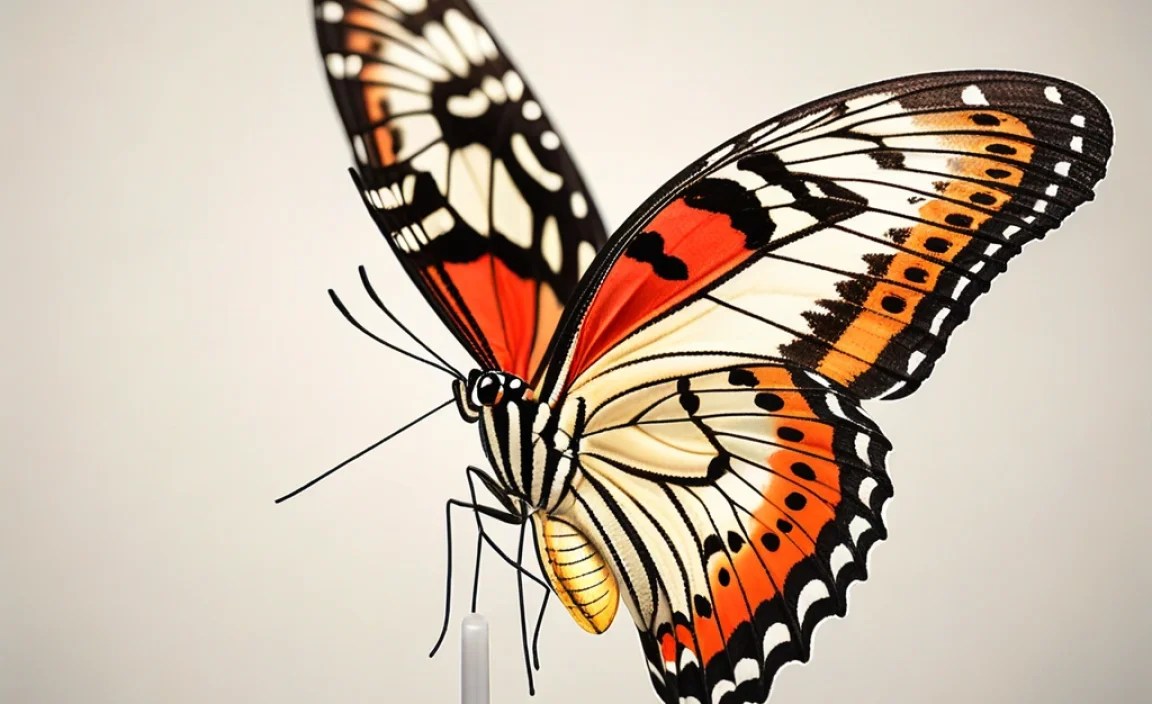
When trying to identify a butterfly, focus on key features. The underside wings are full of clues. Look for the colors first. Are they bright or dull? Are there many colors, or just a few? Next, look for spots. Are they big or small? Are they round or irregular? Also, check for lines. Some butterflies have stripes. Others have wavy lines. Don’t forget about the shape of the wing. Is it round or pointy? All these features help you figure out what kind of butterfly it is. How to identify butterfly underside wings becomes easier with practice. The more you look, the more you will notice. It’s like learning a new language. You start with the basics and then learn the details. Eventually, you will be able to identify many different types of butterflies.
- Note the dominant colors present.
- Observe any distinct spots or markings.
- Check for the presence of lines or bands.
- Examine the shape and size of the wings.
- Look for eyespots or other unique features.
- Consider the overall pattern complexity.
Identifying butterflies by their underside wings is like solving a puzzle. Each feature is a piece of the puzzle. The colors, spots, lines, and shape all fit together. To solve the puzzle, you need to pay attention to detail. Use a field guide to help you. A field guide is a book with pictures of butterflies. It also has descriptions of their features. Compare the butterfly you see to the pictures in the book. This will help you identify it. Remember, it takes time and practice to become good at identifying butterflies. Don’t get discouraged if you don’t know the answer right away. Keep looking and learning. You’ll be surprised at how much you can learn about these amazing creatures.
Fun Fact or Stat: Some butterflies have different underside wing patterns depending on the season!
Spot the Spots
Spots are a great way to identify butterflies. Some butterflies have many spots. Others have only a few. The size and shape of the spots can also vary. Some spots are round. Others are oval. Some are even irregular. The color of the spots is also important. They can be black, white, red, or yellow. Some spots have a dark center with a light border. Others have a light center with a dark border. Pay attention to where the spots are located. Are they near the edge of the wing? Are they in the center? Do they form a pattern? All these details can help you identify the butterfly. So, next time you see a butterfly, take a close look at its spots.
Line Up the Lines
Lines are another important feature to look for. Some butterflies have straight lines. Others have wavy lines. Some have thick lines. Others have thin lines. The color of the lines can also vary. They can be black, white, brown, or gray. Some lines are continuous. Others are broken. Pay attention to the direction of the lines. Do they run parallel to the edge of the wing? Do they cross the wing diagonally? Do they form a pattern? The lines can tell you a lot about the butterfly. They can help you distinguish between different species. So, next time you see a butterfly, take a close look at its lines.
Color Clues
Colors are one of the most obvious features to look for. Butterflies come in a rainbow of colors. Some are bright and bold. Others are dull and muted. The colors can be uniform. Or they can be patterned. Pay attention to the different colors on the underside wing. Are there many colors? Or just a few? Are the colors arranged in a specific pattern? Do the colors change depending on the angle of the light? The colors can provide important clues about the butterfly’s identity. So, next time you see a butterfly, take a close look at its colors.
Tools for Identifying Butterfly Wing Patterns
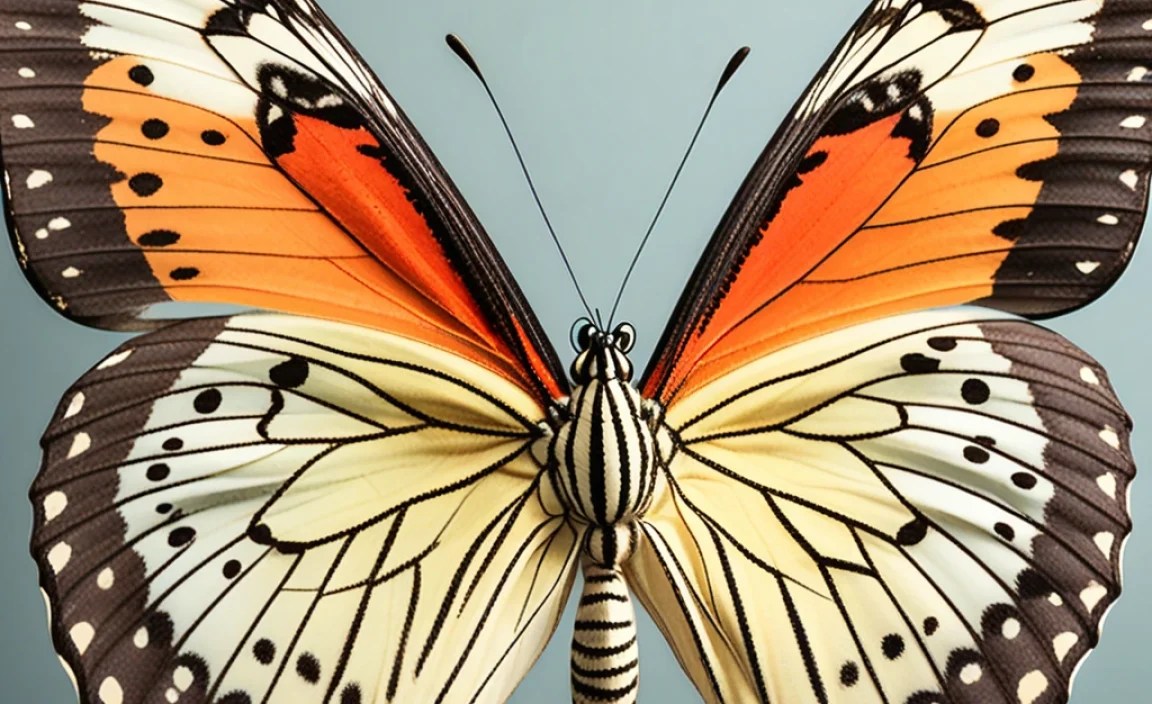
Want to become a butterfly expert? You’ll need some tools. A good field guide is essential. It has pictures and descriptions. A magnifying glass helps you see small details. A notebook lets you write down what you see. A camera helps you take pictures. The internet is also a great resource. There are many websites with butterfly information. With these tools, you can start learning. How to identify butterfly underside wings will become easier. You can join a butterfly club. You can also visit a butterfly garden. These are great ways to learn from others. The more you learn, the more you will appreciate butterflies. They are beautiful and fascinating creatures. So, get your tools ready. Start exploring the world of butterflies.
- Use a reliable butterfly field guide.
- Carry a magnifying glass for details.
- Keep a notebook to record observations.
- Utilize online resources and databases.
- Join a local butterfly watching group.
Using the right tools makes identifying butterflies easier. A field guide is like a map. It shows you what to look for. A magnifying glass is like a detective’s tool. It helps you see the clues. A notebook is like a diary. It helps you remember what you saw. A camera is like a memory keeper. It captures the moment. The internet is like a library. It has all the information you need. Joining a butterfly club is like joining a team. You can learn from others and share your knowledge. Visiting a butterfly garden is like going to a museum. You can see many different types of butterflies in one place. With these tools and resources, you can become a butterfly expert.
Fun Fact or Stat: There are apps available that can identify butterflies from a photo!
Using Field Guides Effectively
A field guide is your best friend. It helps you identify butterflies. But how do you use it? First, find a picture that looks like your butterfly. Then, read the description. Pay attention to the key features. Look at the size, color, and pattern. Compare the butterfly to the pictures. Don’t be afraid to use a magnifying glass. Small details can make a big difference. If you’re not sure, ask someone for help. Experienced butterfly watchers can offer valuable advice. A field guide is a powerful tool. But it’s only effective if you use it correctly. So, take your time. Be patient. And enjoy the process of learning.
Magnifying Details
A magnifying glass is a must-have tool. It helps you see the tiny details. These details can be crucial for identification. Look at the edges of the wings. Are they smooth or jagged? Look at the veins. Are they prominent or faint? Look at the scales. What color are they? A magnifying glass can reveal hidden patterns. It can also help you spot subtle differences. These differences can distinguish one species from another. So, don’t underestimate the power of a magnifying glass. It’s a small tool. But it can make a big difference in your butterfly identification skills.
Online Butterfly Databases
The internet is a treasure trove of information. There are many websites with butterfly databases. These databases have pictures and descriptions of butterflies. You can search by color, size, or location. Some databases even have distribution maps. These maps show where the butterfly lives. You can also find information about the butterfly’s life cycle. The internet is a great way to learn more about butterflies. But be careful. Not all websites are accurate. Make sure you use reliable sources. Look for websites that are run by experts. Or websites that are associated with museums or universities. With the internet, you can access a world of butterfly knowledge.
Common Butterfly Wing Patterns and Markings
Butterflies have many different wing patterns. Some common patterns include spots, stripes, and bands. Spots can be round, oval, or irregular. Stripes can be straight or wavy. Bands can be thick or thin. Some butterflies have eyespots. These look like the eyes of a larger animal. Other butterflies have tails. These are extensions of the wing. The patterns and markings help butterflies hide, attract mates, and scare away predators. How to identify butterfly underside wings often depends on recognizing these common patterns. Learning these patterns takes time and practice. But it’s a rewarding experience. You’ll start to see butterflies in a new light. You’ll appreciate their beauty and complexity. So, keep exploring and learning. The world of butterflies is waiting for you.
- Spots: Round, oval, or irregular marks.
- Stripes: Straight or wavy lines.
- Bands: Thick or thin stripes across the wing.
- Eyespots: Markings that resemble eyes.
- Tails: Extensions on the hindwings.
- Halos: Rings of color around a spot.
Understanding common wing patterns is like learning a new language. Each pattern has its own meaning. Spots can indicate toxicity. Stripes can help with camouflage. Bands can attract mates. Eyespots can scare away predators. Tails can confuse predators. Halos can enhance the appearance of eyespots. By learning these patterns, you can understand the butterfly’s behavior. You can also predict its survival strategies. For example, a butterfly with bright colors and spots is likely poisonous. A butterfly with dull colors and stripes is likely trying to hide. A butterfly with eyespots is likely trying to scare away predators. So, the next time you see a butterfly, take a close look at its wing patterns. They can tell you a lot about the butterfly’s life.
Fun Fact or Stat: Some butterflies have wing patterns that change depending on their diet as caterpillars!
The Significance of Spots
Spots are more than just decorations. They can serve many purposes. Some spots are warning signals. They tell predators that the butterfly is poisonous. Other spots are camouflage. They help the butterfly blend in with its surroundings. Some spots are eyespots. They startle predators and give the butterfly time to escape. The size, shape, and color of the spots can also vary. These variations can indicate different species. So, spots are a valuable tool for identifying butterflies. They can tell you about the butterfly’s diet, its behavior, and its survival strategies. Next time you see a butterfly, pay attention to its spots. They have a story to tell.
Decoding Stripes and Bands
Stripes and bands are like road maps on a butterfly’s wings. They can guide predators away from vital organs. They can also help the butterfly blend in with its surroundings. Stripes and bands can be straight, wavy, thick, or thin. They can be black, white, brown, or gray. The arrangement of stripes and bands can also vary. Some butterflies have stripes that run parallel to the edge of the wing. Others have stripes that cross the wing diagonally. By studying stripes and bands, you can learn about the butterfly’s camouflage strategies. You can also identify different species. So, next time you see a butterfly, take a close look at its stripes and bands.
Eyespots: Nature’s Deception
Eyespots are a clever trick. They make the butterfly look like a bigger animal. When a predator sees the eyespots, it might get scared. It thinks the butterfly is too big to eat. Or it might think the butterfly is looking at it. This gives the butterfly a chance to escape. Eyespots are usually located on the edge of the wing. This makes them more visible. They can be different sizes and colors. Some are small and subtle. Others are large and bright. Eyespots are a great example of how butterflies use patterns to survive. They show how nature can be deceptive. So, next time you see a butterfly with eyespots, appreciate its clever disguise.
Butterfly Anatomy and Wing Structure Basics
Butterflies are insects. They have a head, thorax, and abdomen. They also have six legs and two antennae. Their wings are covered in tiny scales. These scales give the wings their color and pattern. The wings are attached to the thorax. The wing structure is made of veins. These veins provide support and carry blood. Understanding butterfly anatomy helps you how to identify butterfly underside wings. The shape and size of the wings can vary. Some butterflies have long, narrow wings. Others have short, broad wings. The veins also vary. Some butterflies have many veins. Others have few veins. By studying the butterfly’s anatomy, you can learn about its flight patterns. You can also identify different species. So, next time you see a butterfly, take a closer look at its body.
- Butterflies have three body sections.
- They have six legs and two antennae.
- Wings are covered in tiny scales.
- Wing veins provide support.
- Wing shape varies by species.
- Scales give wings their color.
The wings of a butterfly are like a work of art. Each scale is a tiny brushstroke. The veins are like the frame that holds it all together. The body is like the engine that powers it. All these parts work together to create a beautiful and functional creature. By studying the butterfly’s anatomy, you can appreciate its complexity. You can also learn about its evolution. Butterflies have been around for millions of years. They have adapted to many different environments. Their anatomy reflects these adaptations. So, next time you see a butterfly, take a moment to admire its amazing body.
Fun Fact or Stat: Butterfly wings are transparent; the scales give them color!
Understanding Wing Veins
Wing veins are like the skeleton of a butterfly’s wing. They provide support and structure. They also carry blood and nutrients. The veins are arranged in a specific pattern. This pattern is unique to each species. By studying the veins, you can identify different types of butterflies. The veins can be thick or thin. They can be straight or curved. They can also be connected or disconnected. The arrangement of veins is called venation. Venation is a key characteristic for identifying butterflies. So, next time you see a butterfly, take a close look at its veins. They can tell you a lot about the butterfly’s identity.
The Role of Wing Scales
Wing scales are tiny, overlapping plates that cover the butterfly’s wings. They give the wings their color and pattern. The scales are made of chitin. Chitin is the same material that makes up insect exoskeletons. The scales are arranged in rows. They overlap like shingles on a roof. This arrangement provides protection and insulation. The scales can be different colors. Some scales are iridescent. They change color depending on the angle of the light. The scales are also fragile. They can easily fall off. This is why butterflies sometimes look faded or worn. So, next time you see a butterfly, be careful not to touch its wings. You could damage the scales.
Body Sections and Their Functions
Butterflies have three main body sections: the head, thorax, and abdomen. The head contains the brain, eyes, and antennae. The thorax contains the wings and legs. The abdomen contains the digestive system and reproductive organs. Each body section has a specific function. The head controls the butterfly’s senses. The thorax controls its movement. The abdomen controls its digestion and reproduction. All these body sections work together to keep the butterfly alive. By understanding the function of each body section, you can appreciate the butterfly’s complexity. So, next time you see a butterfly, think about all the different parts that make it work.
##
| Pattern | Description | Function | Example |
|---|---|---|---|
| Spots | Round or oval marks on the wings | Camouflage, warning, or eyespots | Monarch Butterfly |
| Stripes | Straight or wavy lines across the wings | Camouflage or mimicry | Zebra Longwing Butterfly |
| Bands | Broad stripes that go across the wings | Attracting mates or camouflage | Red Admiral Butterfly |
| Eyespots | Markings that look like eyes | Scaring predators | Buckeye Butterfly |
| Tails | Extensions of the hindwings | Confusing predators | Swallowtail Butterfly |
How Environmental Factors Affect Wing Patterns
Did you know that the environment can affect butterfly wing patterns? Temperature, humidity, and sunlight can all play a role. For example, butterflies that grow up in warm environments may have brighter colors. Butterflies that grow up in cold environments may have darker colors. The amount of sunlight can also affect the patterns. Butterflies that get a lot of sunlight may have more intricate patterns. These environmental factors can change how to identify butterfly underside wings. Climate change can also affect butterfly wing patterns. As the climate changes, butterflies may need to adapt. This could lead to changes in their wing patterns. Scientists are studying these changes to understand how butterflies are responding to climate change.
- Temperature affects wing color intensity.
- Humidity can influence wing size.
- Sunlight impacts pattern complexity.
- Pollution can alter wing coloration.
- Climate change causes pattern shifts.
The environment is a powerful force. It can shape the way butterflies look and behave. By studying the effects of environmental factors on butterfly wing patterns, we can learn more about how butterflies adapt to their surroundings. We can also learn about the impact of climate change on these delicate creatures. So, next time you see a butterfly, think about the environment it lives in. It may have played a role in shaping its wing patterns.
Fun Fact or Stat: Some butterflies change their wing patterns slightly each generation to adapt to local conditions!
Temperature’s Impact
Temperature is a major factor. It affects the development of butterfly wings. In warmer temperatures, butterflies tend to develop brighter colors. This is because warmer temperatures speed up the production of pigments. Pigments are the chemicals that give the wings their color. In colder temperatures, butterflies tend to develop darker colors. This is because darker colors absorb more heat. This helps the butterfly stay warm. Temperature can also affect the size of the wings. In warmer temperatures, butterflies tend to have smaller wings. This is because smaller wings are more efficient in hot weather. In colder temperatures, butterflies tend to have larger wings. This is because larger wings provide more insulation.
Humidity’s Role
Humidity is another important factor. It affects the moisture content of the wings. In humid environments, butterflies tend to have larger wings. This is because larger wings can absorb more moisture. This helps the butterfly stay hydrated. In dry environments, butterflies tend to have smaller wings. This is because smaller wings lose less moisture. Humidity can also affect the texture of the wings. In humid environments, butterfly wings tend to be smoother. This is because the moisture helps to keep the scales in place. In dry environments, butterfly wings tend to be rougher. This is because the scales are more likely to fall off.
Sunlight and Coloration
Sunlight is essential for butterfly coloration. Butterflies need sunlight to produce pigments. The more sunlight a butterfly gets, the brighter its colors will be. Sunlight can also affect the pattern of the wings. Butterflies that get a lot of sunlight tend to have more intricate patterns. This is because sunlight stimulates the growth of wing scales. The scales are arranged in specific patterns. These patterns create the intricate designs on the wings. Sunlight can also affect the lifespan of the wings. Butterflies that get a lot of sunlight tend to have longer-lasting wings. This is because sunlight helps to strengthen the scales.
Summary
Identifying butterflies by their underside wings involves looking at colors, spots, lines, and patterns. These features help butterflies hide, attract mates, and regulate temperature. Tools like field guides, magnifying glasses, and online databases can assist in identification. Environmental factors such as temperature, humidity, and sunlight also impact wing patterns. By understanding these elements, you can learn how to identify butterfly underside wings and appreciate their diversity. Recognizing common patterns and understanding butterfly anatomy can enhance your knowledge. With practice, you can become a skilled butterfly identifier.
Conclusion
Butterflies are amazing creatures. They have beautiful and unique wing patterns. Learning how to identify butterfly underside wings can be fun. It can also teach you about nature. Look for colors, spots, and lines. Use a field guide to help you. The patterns help them survive. Keep exploring and learning about butterflies. You will be amazed by what you discover. Enjoy the beauty of these delicate insects.
Frequently Asked Questions
Question No 1: Why do butterflies have different patterns on their underside wings?
Answer: Butterfly underside wings have different patterns to help them survive. The patterns often provide camouflage. This helps them blend in with leaves or bark. Some patterns scare away predators. Others help attract mates. How to identify butterfly underside wings often relies on these unique patterns. The patterns are essential for their survival and reproduction. They are like a secret code that helps them navigate the world. These patterns are fascinating to observe.
Question No 2: How can I start learning to identify butterflies by their underside wings?
Answer: Start with a good field guide. Look at the pictures and read the descriptions. Pay attention to the colors, spots, and lines. Use a magnifying glass to see the details. Practice in your backyard or a local park. Join a butterfly watching group. They can offer valuable advice. Online resources can also help. The more you practice, the better you will become. Learning how to identify butterfly underside wings is a fun and rewarding hobby. It connects you with nature.
Question No 3: What are some common mistakes people make when trying to identify butterflies?
Answer: One common mistake is not paying attention to the details. Colors can vary slightly. Spots and lines may be faint. Another mistake is relying too much on one feature. Look at the overall pattern. Consider the size and shape of the wings. Also, be aware that some butterflies can mimic others. This can make identification tricky. It is important to use multiple resources. Double-check your findings. Learning how to identify butterfly underside wings takes time and patience. Do not be discouraged by mistakes.
Question No 4: Do all butterflies have different patterns on their top and bottom wings?
Answer: Most butterflies have different patterns. The top wings are often brighter. They are used for attracting mates. The underside wings are often duller. They are used for camouflage. However, some butterflies have similar patterns on both sides. These butterflies often rely on other defenses. They might be poisonous. Or they might have a strong odor. Observing how to identify butterfly underside wings compared to their topside is key. While most differ, exceptions exist based on defense mechanisms.
Question No 5: Can environmental factors change the wing patterns of butterflies?
Answer: Yes, environmental factors can play a role. Temperature, humidity, and sunlight can all affect wing patterns. For example, butterflies that grow up in warm environments may have brighter colors. Butterflies that grow up in cold environments may have darker colors. The amount of sunlight can also affect the patterns. These changes can affect how to identify butterfly underside wings. Climate change is also impacting butterfly wing patterns. This makes identification even more challenging.
Question No 6: Are there any butterflies that are impossible to identify from their underside wings alone?
Answer: Yes, some butterflies are very difficult to identify. This is because their underside wings are very similar. In these cases, you may need to look at other features. Consider the size and shape of the body. Look at the antennae. Observe the butterfly’s behavior. Where does it fly? What does it eat? Sometimes, you may need to capture the butterfly and examine it closely. However, be careful not to harm it. If you are unsure, consult with an expert. Even experts can struggle sometimes. That’s why how to identify butterfly underside wings can be a tough task.


