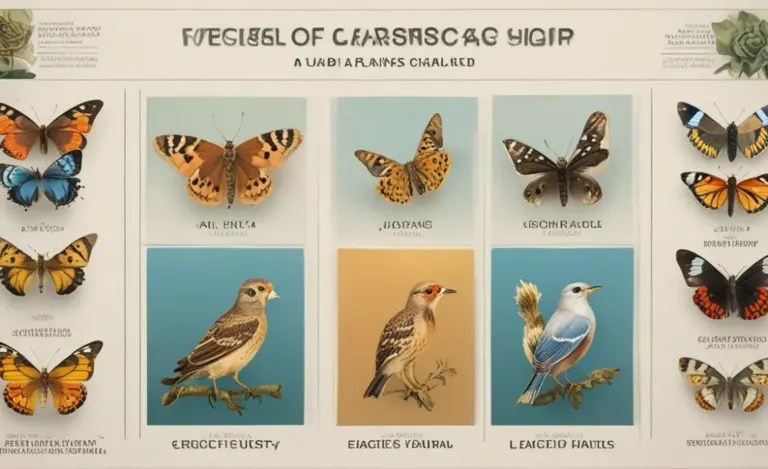
Banded Swallowtail Species: See Amazing Types!

The Banded Swallowtail butterflies are striking, large butterflies known for their distinctive black and white stripes. They are found across Africa and parts of Asia. These butterflies are not only beautiful but also play an important role in their ecosystems as pollinators. Attracting them to your garden can be a rewarding experience.
Have you ever been captivated by a butterfly’s graceful flight, only to wonder what kind it was? Identifying butterflies can sometimes feel like a puzzle, especially with so many species fluttering around. The Banded Swallowtail butterflies, with their bold patterns and elegant shapes, are a group that many enthusiasts want to learn more about. But where do you start?
Don’t worry! This guide will walk you through everything you need to know about Banded Swallowtail species. We’ll cover their key characteristics, habitats, life cycle, and how to attract them to your garden. Get ready to deepen your understanding and appreciation for these beautiful creatures!
All About Banded Swallowtail Butterflies

Banded Swallowtail butterflies belong to the family Papilionidae, which includes some of the largest and most striking butterflies in the world. These butterflies are primarily found in Africa, with some species extending into parts of Asia. They are characterized by their bold black and white stripes, which serve as both camouflage and a warning to predators. Let’s dive deeper into what makes these butterflies so special.
Key Characteristics
Identifying Banded Swallowtails involves looking at several distinct features. Here’s what to keep an eye out for:
- Size: They are relatively large butterflies, with wingspans ranging from 3 to 5 inches.
- Coloration: The wings typically feature alternating black and white bands, though some species may have yellow or orange markings.
- Tail: Most species have a distinctive “tail” on their hindwings, which is a characteristic of swallowtail butterflies.
- Flight Pattern: Their flight is often strong and graceful, making them a joy to watch as they move from flower to flower.
Habitat and Distribution
Banded Swallowtails are primarily found in Africa, but their exact distribution varies by species. Here are some common habitats:
- Forests: Many species prefer forested areas, where they can find the host plants their caterpillars need.
- Savannas: Some species are adapted to savanna environments, where they feed on nectar from wildflowers.
- Gardens: With the right plants, you can attract these butterflies to your own garden, providing them with a valuable food source.
The distribution of Banded Swallowtails is influenced by factors such as climate, availability of host plants, and habitat destruction. Conservation efforts are crucial to protect their natural habitats and ensure their survival.
Life Cycle
Understanding the life cycle of Banded Swallowtails can give you a greater appreciation for these insects. Here’s a quick overview:
- Egg: The female butterfly lays her eggs on the leaves of specific host plants.
- Larva (Caterpillar): Once the egg hatches, the caterpillar feeds on the host plant, growing rapidly and molting several times.
- Pupa (Chrysalis): After reaching full size, the caterpillar transforms into a pupa, or chrysalis, where it undergoes metamorphosis.
- Adult Butterfly: Finally, the adult butterfly emerges from the pupa, ready to reproduce and continue the cycle.
Each stage of the life cycle is critical for the butterfly’s survival. Providing the right host plants and a safe environment can help support their populations.
Popular Banded Swallowtail Species

There are several species of Banded Swallowtail butterflies, each with its unique characteristics. Here are a few of the most well-known:
1. Papilio nireus (Green-banded Swallowtail)
The Green-banded Swallowtail is one of the most striking members of the group. Here’s what sets it apart:
- Appearance: It features iridescent green bands on its black wings, making it easily recognizable.
- Habitat: This species is commonly found in forests and woodlands across Africa.
- Host Plants: Caterpillars feed on plants in the citrus family, such as orange and lemon trees.
Attracting Green-banded Swallowtails to your garden can be as simple as planting citrus trees and providing a water source.
2. Papilio bromius (Bromius Swallowtail)
The Bromius Swallowtail is another beautiful species worth knowing about:
- Appearance: It has black wings with cream-colored or white bands, giving it a classic Banded Swallowtail look.
- Habitat: This butterfly prefers forested areas in West and Central Africa.
- Host Plants: The caterpillars feed on various plants in the Rutaceae family.
To attract Bromius Swallowtails, focus on planting their preferred host plants and creating a sheltered, shady environment.
3. Papilio demodocus (Citrus Swallowtail)
The Citrus Swallowtail is a widespread species that is often found in gardens and agricultural areas:
- Appearance: It has black and yellow markings, with a prominent tail on its hindwings.
- Habitat: This butterfly is adaptable and can be found in a variety of habitats, including gardens, citrus orchards, and forests.
- Host Plants: As the name suggests, the caterpillars primarily feed on citrus plants.
While Citrus Swallowtails can be pests in citrus farms, they are also beautiful butterflies that contribute to pollination. Planting extra citrus trees can help balance the needs of both the butterflies and the farmers.
4. Papilio zalmoxis (Zalmoxis Swallowtail)
The Zalmoxis Swallowtail is a less common but equally fascinating species:
- Appearance: It features broad white bands on its black wings, creating a high-contrast pattern.
- Habitat: This butterfly is found in the forests of West Africa.
- Host Plants: The caterpillars feed on specific plants in the Annonaceae family.
Conserving the Zalmoxis Swallowtail requires protecting its forest habitat and ensuring the availability of its host plants.
How to Attract Banded Swallowtails to Your Garden

Attracting Banded Swallowtail butterflies to your garden can be a rewarding experience. Here are some practical steps you can take:
1. Plant Host Plants
Host plants are essential for Banded Swallowtails because they provide food for the caterpillars. Here are some popular choices:
- Citrus Trees: Orange, lemon, and lime trees are favorites for species like the Citrus Swallowtail and Green-banded Swallowtail.
- Rutaceae Family: Various plants in this family serve as host plants for the Bromius Swallowtail.
- Annonaceae Family: Specific plants in this family are crucial for the Zalmoxis Swallowtail.
By planting these host plants, you’ll provide a food source for the caterpillars and increase the chances of attracting Banded Swallowtails to your garden.
2. Provide Nectar Sources
Adult butterflies need nectar for energy. Planting nectar-rich flowers can attract them to your garden. Here are some good options:
- Lantana: These colorful flowers are a favorite among butterflies.
- Pentas: Pentas flowers produce abundant nectar and come in a variety of colors.
- Zinnias: Zinnias are easy to grow and provide a long-lasting source of nectar.
Choose a variety of flowers that bloom at different times of the year to provide a continuous source of nectar for the butterflies.
3. Create a Butterfly-Friendly Environment
In addition to host plants and nectar sources, you can create a butterfly-friendly environment by:
- Providing a Water Source: Butterflies need water to stay hydrated. A shallow dish of water with pebbles or marbles can serve as a butterfly watering hole.
- Offering Shelter: Plant shrubs and trees to provide shelter from wind and predators.
- Avoiding Pesticides: Pesticides can harm or kill butterflies and other beneficial insects. Opt for organic gardening practices instead.
Creating a safe and welcoming environment will encourage Banded Swallowtails to visit and stay in your garden.
4. Protect from Predators
Protecting Banded Swallowtails from predators is crucial for their survival. Here are some strategies you can use:
- Provide Cover: Plant dense shrubs and trees to provide hiding places for caterpillars and butterflies.
- Use Netting: Cover host plants with netting to protect caterpillars from birds and other predators.
- Encourage Natural Predators: Attract beneficial insects like ladybugs and lacewings, which can help control populations of caterpillars.
By taking these steps, you can help Banded Swallowtails thrive in your garden.
Conservation Status and Threats
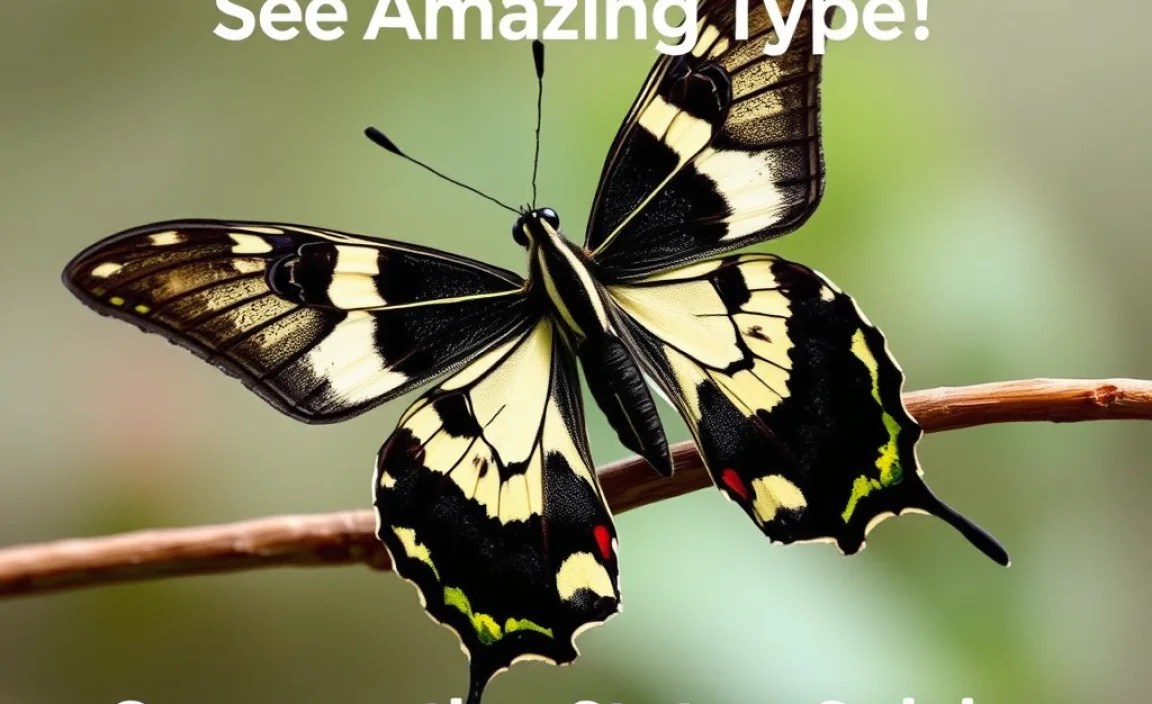
Understanding the conservation status and threats facing Banded Swallowtail butterflies is essential for protecting these beautiful creatures. Here’s what you need to know:
Current Conservation Status
The conservation status of Banded Swallowtail butterflies varies by species. Some species are relatively common and widespread, while others are rare and threatened. Factors that influence their conservation status include:
- Habitat Loss: Deforestation and habitat destruction are major threats to many Banded Swallowtail species.
- Pesticide Use: Pesticides can harm or kill butterflies and their caterpillars, reducing their populations.
- Climate Change: Changes in temperature and rainfall patterns can affect the distribution and abundance of Banded Swallowtails.
Monitoring populations and protecting their habitats are crucial for ensuring the long-term survival of these butterflies.
Threats to Banded Swallowtails
Banded Swallowtails face a variety of threats that can impact their populations. These include:
| Threat | Description | Impact |
|---|---|---|
| Habitat Loss | Deforestation and conversion of natural habitats to agricultural land. | Reduces the availability of host plants and nectar sources. |
| Pesticide Use | Application of pesticides in agriculture and gardens. | Kills butterflies and caterpillars, disrupting their life cycle. |
| Climate Change | Changes in temperature and rainfall patterns. | Alters the distribution and abundance of butterflies, affecting their ability to survive and reproduce. |
| Collection | Over-collection of butterflies for trade or personal collections. | Reduces local populations and disrupts ecosystems. |
Conservation Efforts
Fortunately, there are many conservation efforts underway to protect Banded Swallowtail butterflies and their habitats. These include:
- Habitat Restoration: Restoring degraded habitats and planting native vegetation.
- Sustainable Agriculture: Promoting farming practices that minimize pesticide use and protect butterfly habitats.
- Education and Awareness: Educating the public about the importance of butterflies and their conservation needs.
- Protected Areas: Establishing and managing protected areas to conserve butterfly habitats.
By supporting these conservation efforts, you can help ensure that Banded Swallowtail butterflies continue to thrive for generations to come.
Banded Swallowtails in Culture and Symbolism
Butterflies, including Banded Swallowtails, have long held cultural and symbolic significance in many societies. Here are some common themes:
Symbolism
Butterflies are often seen as symbols of:
- Transformation: The butterfly’s life cycle, from caterpillar to pupa to adult, represents transformation and rebirth.
- Beauty: Their delicate wings and vibrant colors symbolize beauty and grace.
- Freedom: Their ability to fly freely represents freedom and independence.
- Hope: Butterflies can also symbolize hope and new beginnings.
Cultural Significance
In many cultures, butterflies are associated with:
- Souls: Some cultures believe that butterflies represent the souls of the departed.
- Good Luck: Seeing a butterfly is often considered a sign of good luck.
- Celebrations: Butterflies are often used in celebrations and ceremonies to symbolize joy and happiness.
The Banded Swallowtail, with its striking appearance, can evoke a sense of wonder and awe, reminding us of the beauty and fragility of nature.
Frequently Asked Questions (FAQ)
1. What do Banded Swallowtail caterpillars eat?
Banded Swallowtail caterpillars primarily eat the leaves of specific host plants. Common host plants include citrus trees (like orange and lemon), plants in the Rutaceae family, and plants in the Annonaceae family.
2. How can I tell the difference between different Banded Swallowtail species?
You can distinguish between different Banded Swallowtail species by looking at their wing patterns, colors, and sizes. Some species have green bands, while others have white or yellow bands. Also, consider their habitat and geographic location.
3. Are Banded Swallowtail butterflies endangered?
The conservation status varies by species. Some are relatively common, while others face threats like habitat loss and pesticide use. It’s essential to support conservation efforts to protect vulnerable species.
4. What is the lifespan of a Banded Swallowtail butterfly?
The lifespan of a Banded Swallowtail butterfly is typically a few weeks to several months, depending on the species and environmental conditions. The entire life cycle, from egg to adult, can take several months.
5. How do I protect Banded Swallowtails in my garden from predators?
You can protect Banded Swallowtails by providing cover (dense shrubs and trees), using netting over host plants to protect caterpillars, and encouraging natural predators like ladybugs that control caterpillar populations.
6. What kind of climate do Banded Swallowtail butterflies prefer?
Banded Swallowtail butterflies generally prefer warm, tropical, and subtropical climates. They thrive in environments with abundant host plants and nectar sources, typically found in Africa and parts of Asia.
7. Why are butterflies important to the environment?
Butterflies are important pollinators, helping to spread pollen from flower to flower as they feed on nectar. This pollination is crucial for the reproduction of many plants, contributing to healthy ecosystems and biodiversity. They also serve as a food source for other animals.
Conclusion
Exploring the world of Banded Swallowtail butterflies is a journey filled with beauty and wonder. From their striking patterns and diverse habitats to their important role in the ecosystem, these butterflies offer a glimpse into the intricacies of nature. By understanding their life cycle, conservation status, and how to attract them to your garden, you can play a part in protecting these magnificent creatures.
Whether you’re a seasoned naturalist or just starting to appreciate the beauty of butterflies, there’s always something new to discover. So, step outside, observe, and let the Banded Swallowtails inspire you to learn more about the natural world. Your curiosity and actions can make a real difference in preserving these delicate creatures for future generations. Happy butterfly watching!