Monarch Butterfly & Climate Change: A Powerful Secret

Quick Summary: Climate change significantly threatens monarch butterflies. Rising temperatures, altered rainfall patterns, and increased extreme weather events disrupt their migration, reduce milkweed availability, and increase disease susceptibility. Protecting monarchs requires addressing climate change through reduced emissions and habitat conservation efforts, such as planting milkweed and creating butterfly-friendly gardens.
Have you noticed fewer monarch butterflies fluttering around your garden lately? It’s not just your imagination. These beautiful creatures are facing serious challenges, and one of the biggest is climate change. The changing climate is making it harder for monarchs to find food, migrate safely, and reproduce successfully. But don’t worry, there are things we can all do to help! This article will explain how climate change affects monarch butterflies and what steps you can take to protect them. We’ll explore the science behind the threats and offer practical tips for making a real difference.
Understanding the Monarch Butterfly’s Life Cycle

To understand how climate change impacts monarchs, it’s helpful to know a bit about their life cycle. Monarchs are famous for their incredible multi-generational migration. Here’s a quick overview:
- Egg: Monarchs lay their eggs exclusively on milkweed plants.
- Larva (Caterpillar): The caterpillar hatches and feeds on milkweed, growing rapidly.
- Pupa (Chrysalis): The caterpillar forms a chrysalis, a protective green shell.
- Adult Butterfly: The butterfly emerges from the chrysalis and continues the cycle, feeding on nectar from flowers.
Eastern monarch butterflies migrate thousands of miles from Canada and the United States to overwinter in the oyamel fir forests of central Mexico. Western monarchs migrate to overwintering sites along the California coast. This migration is a complex and delicate process, making them vulnerable to environmental changes.
How Climate Change Directly Impacts Monarch Butterflies

Climate change affects monarch butterflies in several direct and indirect ways. Let’s break down the key impacts:
Rising Temperatures
Increased temperatures can disrupt the monarch’s life cycle and migration patterns. Here’s how:
- Altered Migration Timing: Warmer temperatures can cause monarchs to begin their migration earlier or later than usual, potentially missing crucial resources along the way.
- Increased Metabolism: Higher temperatures increase a monarch’s metabolic rate, requiring them to consume more energy. This can be problematic if nectar sources are scarce.
- Habitat Shifts: As temperatures rise, suitable habitats for milkweed and nectar plants may shift northward, leaving monarchs with fewer places to breed and feed.
Changes in Rainfall Patterns
Climate change is causing more extreme weather events, including droughts and floods, which can significantly impact monarch habitats:
- Droughts: Droughts can reduce milkweed growth and nectar availability, depriving monarchs of essential food sources.
- Floods: Floods can destroy milkweed patches and overwintering habitats, washing away eggs, larvae, and even adult butterflies.
- Altered Humidity: Changes in humidity can affect the survival rates of monarch eggs and larvae, making them more susceptible to disease and dehydration.
Extreme Weather Events
More frequent and intense storms, heatwaves, and cold snaps can be devastating to monarch populations:
- Storms: Severe storms can damage overwintering habitats in Mexico and California, killing large numbers of monarchs.
- Heatwaves: Extreme heat can stress monarchs, making them more vulnerable to disease and reducing their reproductive success.
- Cold Snaps: Unseasonable cold snaps can kill monarchs that have emerged too early from their overwintering sites.
Indirect Impacts of Climate Change on Monarchs

Besides the direct effects, climate change also has several indirect impacts on monarch butterflies, mainly through its effects on their food sources and habitats.
Milkweed Availability
Milkweed is the sole food source for monarch caterpillars. Climate change affects milkweed in several ways:
- Habitat Loss: Changes in temperature and rainfall can alter the distribution and abundance of milkweed species.
- Competition: Invasive plant species, which often thrive in disturbed habitats, can outcompete milkweed for resources.
- Herbicide Use: Increased herbicide use, often associated with changing agricultural practices, can eliminate milkweed from fields and roadsides.
Nectar Source Decline
Adult monarchs rely on nectar from flowers for energy. Climate change can reduce nectar availability by:
- Altered Blooming Times: Changes in temperature and rainfall can shift the blooming times of nectar plants, potentially creating mismatches between monarch migration and nectar availability.
- Habitat Loss: Climate change can lead to the loss of flowering meadows and other habitats that provide nectar for monarchs.
- Pollinator Decline: Climate change can also negatively impact other pollinators, such as bees, which can further reduce nectar availability.
Increased Disease Susceptibility
Climate change can weaken monarch butterflies, making them more susceptible to diseases like OE (Ophryocystis elektroscirrha), a protozoan parasite:
- Weakened Immune Systems: Stress from extreme temperatures and food shortages can weaken a monarch’s immune system, making it more vulnerable to infection.
- Increased Transmission: Warmer temperatures can promote the spread of OE spores, increasing the risk of infection.
- Crowded Conditions: As monarch habitats shrink, butterflies may become more crowded, increasing the likelihood of disease transmission.
The Role of Habitat Loss and Fragmentation

Habitat loss and fragmentation, often exacerbated by climate change, are major threats to monarch butterflies. When habitats are destroyed or broken up into smaller patches, monarchs have less access to food, shelter, and breeding sites.
Deforestation
Deforestation in the overwintering sites in Mexico and California is particularly devastating. When forests are cleared, monarchs are exposed to harsh weather conditions and lose their protective cover.
Agricultural Expansion
The conversion of natural habitats into agricultural land reduces the amount of milkweed and nectar plants available to monarchs. Increased use of pesticides and herbicides in agriculture can also harm monarchs directly.
Urban Development
Urban sprawl leads to the loss of green spaces and natural habitats, reducing the amount of suitable habitat for monarchs. Light pollution in urban areas can also disrupt monarch migration patterns.
What Can Be Done to Help Monarch Butterflies?

Despite the challenges, there are many things we can do to help monarch butterflies. Here are some practical steps you can take:
Plant Milkweed
Planting milkweed is one of the most effective ways to support monarch butterflies. Choose native milkweed species that are appropriate for your region. Here’s a simple guide:
- Research: Find out which milkweed species are native to your area. Local nurseries or native plant societies can provide guidance.
- Purchase: Buy milkweed seeds or plants from a reputable source. Make sure the plants have not been treated with pesticides.
- Plant: Plant milkweed in a sunny location with well-drained soil. Water regularly until the plants are established.
Here’s a table of some common milkweed species and their regions:
| Milkweed Species | Region | Notes |
|---|---|---|
| Common Milkweed (Asclepias syriaca) | Eastern and Midwestern US | Aggressive spreader, good for large areas |
| Butterfly Weed (Asclepias tuberosa) | Eastern and Midwestern US | Bright orange flowers, drought-tolerant |
| Swamp Milkweed (Asclepias incarnata) | Eastern and Midwestern US | Prefers moist soil, pink flowers |
| Showy Milkweed (Asclepias speciosa) | Western US | Large, fragrant flowers |
| Narrowleaf Milkweed (Asclepias fascicularis) | Western US | Drought-tolerant, good for dry areas |
Create a Butterfly Garden
In addition to milkweed, provide nectar sources for adult monarchs by planting a variety of flowering plants. Choose plants that bloom at different times of the year to provide a continuous supply of nectar. Consider these tips:
- Plant Native Flowers: Native flowers are best adapted to your local climate and provide the most nutritious nectar for monarchs.
- Choose a Variety of Colors: Monarchs are attracted to brightly colored flowers, especially red, orange, yellow, and purple.
- Provide a Water Source: Place a shallow dish of water with pebbles or marbles in your garden for monarchs to drink from.
Reduce Pesticide Use
Pesticides can be harmful to monarch butterflies and other beneficial insects. Reduce pesticide use in your garden and advocate for pesticide-free practices in your community.
- Use Natural Pest Control Methods: Encourage beneficial insects like ladybugs and lacewings to control pests in your garden.
- Avoid Broad-Spectrum Pesticides: These pesticides kill both pests and beneficial insects.
- Read Labels Carefully: If you must use pesticides, choose products that are specifically designed for the pest you are targeting and follow the instructions carefully.
Support Conservation Organizations
Many organizations are working to protect monarch butterflies and their habitats. Support their efforts by donating, volunteering, or spreading awareness.
Here are a few reputable organizations:
Advocate for Climate Action
Addressing climate change is essential for protecting monarch butterflies and other wildlife. Advocate for policies that reduce greenhouse gas emissions and promote sustainable land use.
- Contact Your Elected Officials: Let your representatives know that you support climate action.
- Support Renewable Energy: Invest in renewable energy sources like solar and wind power.
- Reduce Your Carbon Footprint: Make small changes in your daily life to reduce your impact on the environment.
Participate in Citizen Science Projects
Citizen science projects allow you to contribute to monarch research by collecting data and sharing your observations. This information helps scientists track monarch populations and understand their needs.
Here are a few citizen science projects you can participate in:
- Monarch Watch: Tag monarchs and track their migration.
- Journey North: Report monarch sightings and milkweed emergence.
- iNaturalist: Document monarch butterflies and their habitats in your area.
The Importance of Overwintering Habitat Protection

Protecting the overwintering habitats of monarch butterflies in Mexico and California is crucial for their survival. These habitats provide shelter and warmth during the winter months, allowing monarchs to conserve energy and survive until spring.
Mexico’s Oyamel Fir Forests
The oyamel fir forests in central Mexico are the primary overwintering sites for eastern monarch butterflies. These forests provide a unique microclimate that protects monarchs from freezing temperatures and strong winds.
Threats to these forests include:
- Illegal Logging: Deforestation due to illegal logging reduces the amount of suitable habitat for monarchs.
- Climate Change: Rising temperatures and changes in rainfall patterns can alter the composition and structure of the oyamel fir forests.
- Tourism: Unregulated tourism can damage the forests and disturb monarch colonies.
California’s Coastal Groves
Western monarch butterflies overwinter in coastal groves along the California coast. These groves provide shelter from wind and rain and offer a mild climate.
Threats to these groves include:
- Habitat Loss: Urban development and agricultural expansion reduce the amount of suitable habitat for monarchs.
- Climate Change: Rising sea levels and increased storm intensity can damage coastal groves.
- Disease: OE (Ophryocystis elektroscirrha) can weaken monarchs and make them more susceptible to cold weather.
Long-Term Strategies for Monarch Conservation
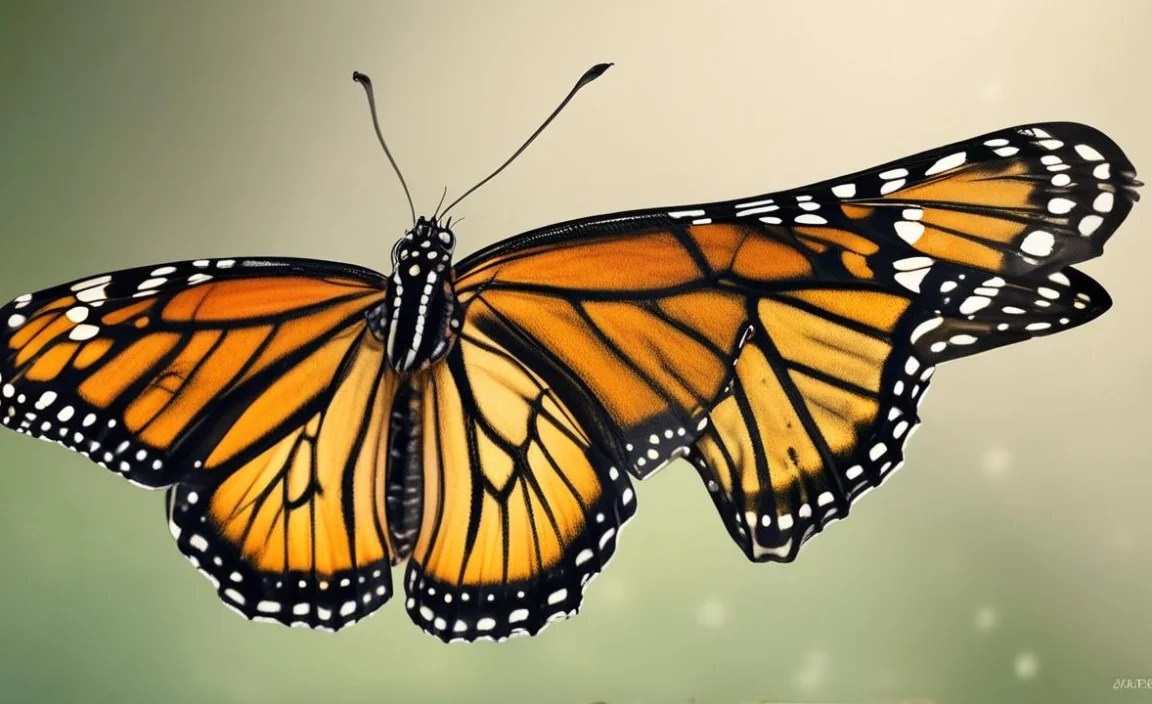
Protecting monarch butterflies requires a long-term, multi-faceted approach that addresses both the immediate threats and the underlying causes of their decline. Here are some key strategies:
Habitat Restoration
Restoring degraded habitats and creating new habitats can provide monarchs with the resources they need to thrive. This includes planting milkweed and nectar plants, removing invasive species, and restoring forest ecosystems.
Sustainable Agriculture
Promoting sustainable agricultural practices can reduce the negative impacts of agriculture on monarch butterflies. This includes reducing pesticide use, planting milkweed in field margins, and conserving water.
Climate Change Mitigation
Reducing greenhouse gas emissions is essential for protecting monarch butterflies and other wildlife from the impacts of climate change. This requires a global effort to transition to a low-carbon economy.
Education and Outreach
Raising awareness about the importance of monarch butterflies and the threats they face can inspire people to take action. This includes educating the public about monarch biology, conservation, and the role they can play in protecting these iconic creatures.
FAQ: Monarch Butterflies and Climate Change
1. How does climate change affect monarch butterfly migration?
Climate change can alter the timing of monarch migrations. Warmer temperatures may cause them to start migrating earlier or later, potentially missing crucial resources like milkweed and nectar along their journey.
2. What is milkweed, and why is it important for monarchs?
Milkweed is the only plant that monarch caterpillars eat. Without milkweed, monarchs cannot complete their life cycle. Climate change affects milkweed availability through habitat loss and altered growing conditions.
3. Can planting flowers help monarch butterflies?
Yes! Adult monarch butterflies feed on nectar from flowers. Planting a variety of native flowering plants provides them with the energy they need to migrate and reproduce.
4. What is OE, and how does it impact monarchs?
OE (Ophryocystis elektroscirrha) is a parasite that infects monarch butterflies. Climate change can weaken monarchs, making them more susceptible to OE and increasing its spread.
5. How can I help monarch butterflies in my backyard?
You can help by planting milkweed and nectar-rich flowers, reducing pesticide use, providing a water source, and supporting conservation organizations.
6. Are monarch butterflies endangered?
Monarch butterflies are not currently listed as endangered in the United States, but they are considered a candidate species under the Endangered Species Act. Their populations have declined significantly in recent decades, raising concerns about their long-term survival.
7. What role does deforestation play in monarch decline?
Deforestation in the overwintering sites in Mexico and California removes the protective forest cover that monarchs need to survive the winter. This exposes them to harsh weather conditions and reduces their chances of survival.
Conclusion
The future of monarch butterflies is intertwined with the health of our planet. Climate change, habitat loss, and pesticide use are all contributing to their decline. But by understanding the challenges and taking action, we can help ensure that these beautiful creatures continue to grace our gardens and meadows for generations to come. Plant milkweed, create butterfly-friendly habitats, reduce your carbon footprint, and support conservation efforts. Every small action makes a difference. Let’s work together to protect the monarch butterfly and the natural world we all share.