
Butterfly Temperature Regulation: The Cool Secret

Quick Summary: Butterflies are cold-blooded, meaning they can’t regulate their own body temperature. Instead, they rely on external sources like sunshine to warm up and become active. When it gets too hot, they use behaviors like seeking shade or fluttering their wings to cool down. This delicate balance is vital for their survival, influencing everything from flight to finding food.
Have you ever noticed butterflies basking in the sun on a cool morning? Or perhaps you’ve seen them fluttering their wings even when there’s no breeze? Butterflies are fascinating creatures, but unlike mammals, they can’t control their own body temperature. This can make their lives challenging, as they’re highly dependent on the environment around them. Don’t worry, understanding how butterflies manage temperature is easier than you think! We’ll explore the simple ways they stay warm, cool down, and survive in different climates. By the end of this article, you’ll have a clear picture of how these beautiful insects thrive.
Understanding Butterfly Temperature Regulation
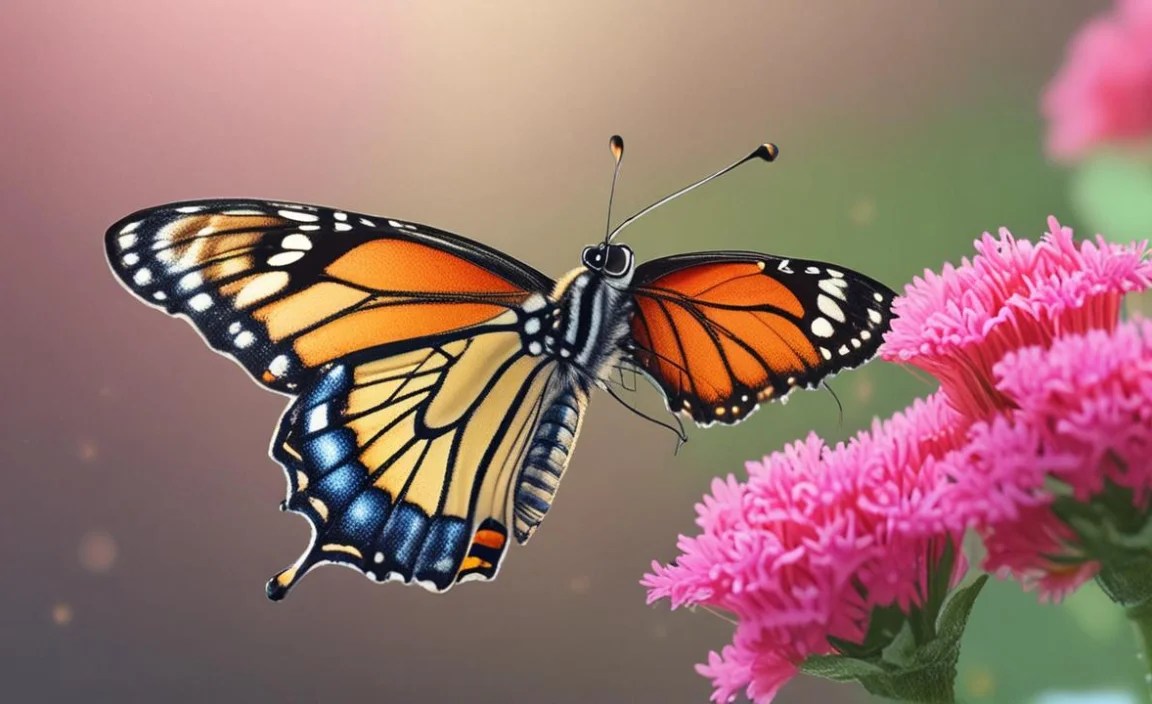
Butterflies, being cold-blooded (ectothermic), depend on external heat sources to function. Their body temperature directly impacts their activity levels, from flying to feeding. If they’re too cold, they can’t fly or even move properly. If they’re too hot, they risk overheating and dehydration. Therefore, butterflies have developed various behavioral and even some physical adaptations to regulate their temperature.
Why is Temperature Regulation Important for Butterflies?
Maintaining a suitable body temperature is crucial for several reasons:
- Flight: Butterflies need a certain body temperature (usually around 82-100°F or 28-38°C) to power their flight muscles. Without this, they can’t escape predators, find food, or reproduce.
- Metabolism: Temperature affects their metabolic rate, influencing how efficiently they process energy from food.
- Digestion: Enzymes responsible for digestion work best within a specific temperature range.
- Reproduction: Temperature plays a role in mating behavior and egg development.
How Butterflies Warm Up
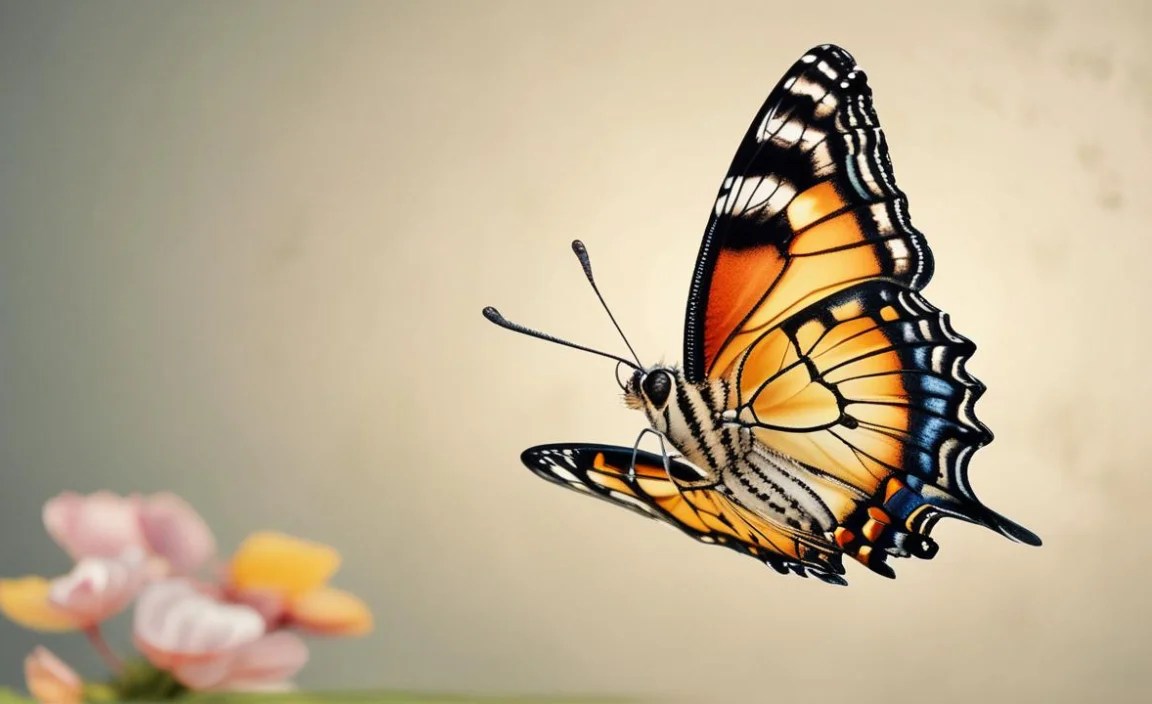
Butterflies use several strategies to raise their body temperature when they’re feeling chilly:
- Basking: This is the most common method. Butterflies will often spread their wings wide open to expose as much surface area as possible to the sun’s rays. They may orient themselves to maximize sun exposure.
- Shivering: Some butterflies can vibrate their flight muscles rapidly to generate heat, similar to how mammals shiver. This is particularly useful on cloudy days.
- Choosing Dark Colors: Darker-colored wings absorb more heat than lighter ones. You’ll often see butterflies with dark wings basking in the sun on cooler days.
- Seeking Shelter: Finding sheltered spots like dense vegetation can protect them from wind and help retain heat.
Basking Strategies in Detail
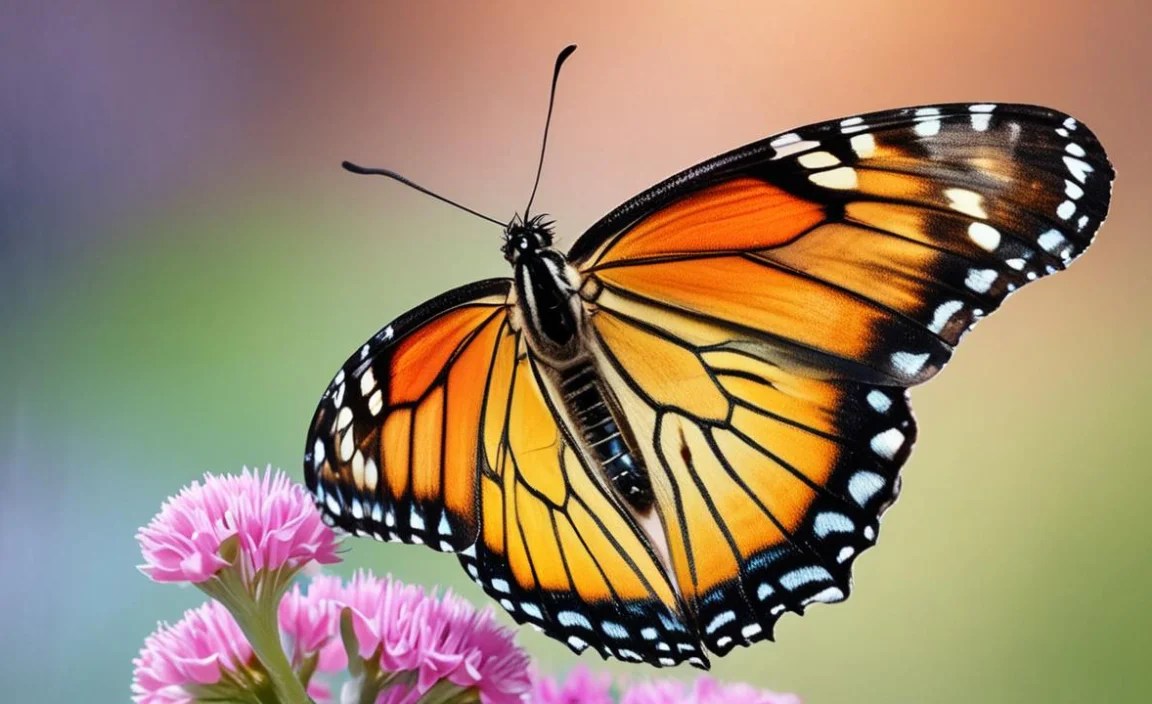
Basking isn’t just about sitting in the sun; butterflies employ different techniques:
- Lateral Basking: Spreading wings flat to the sun.
- Dorsal Basking: Tilting the body to expose the back (dorsal) surface to the sun.
- Wing Angle Adjustment: Adjusting the angle of their wings to optimize heat absorption.
How Butterflies Cool Down
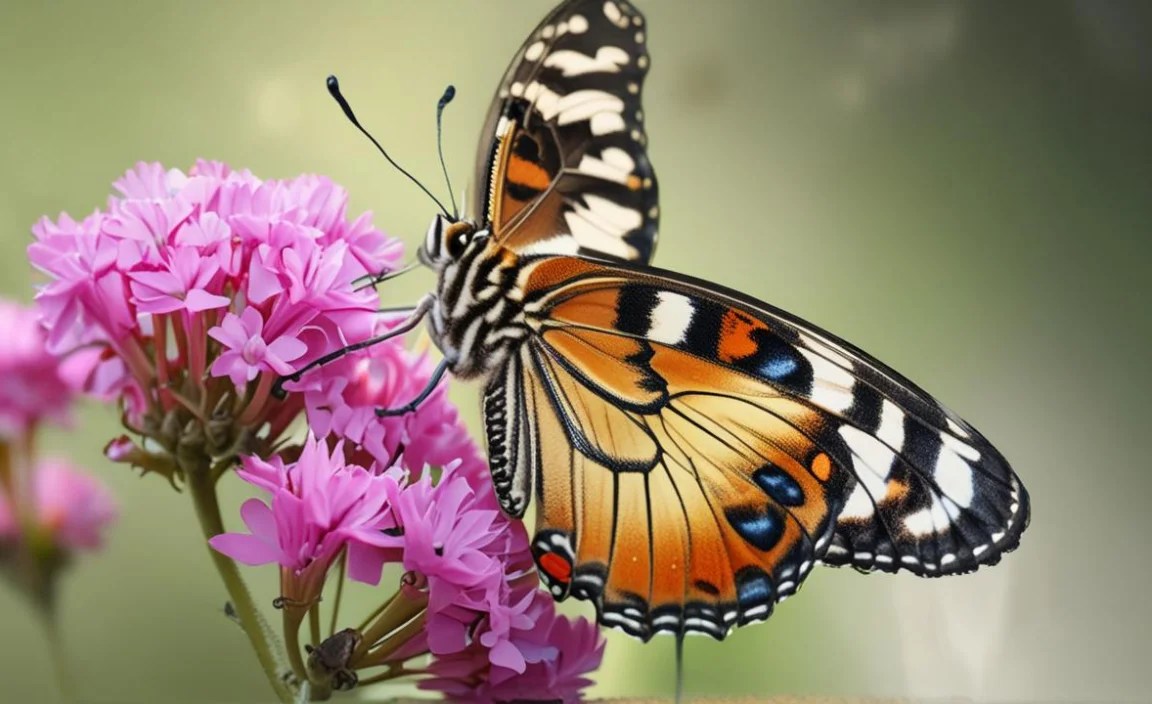
When the sun is blazing, butterflies need to avoid overheating. Here’s how they do it:
- Seeking Shade: This is the simplest and most effective method. Butterflies will move to shaded areas under leaves or in dense vegetation to escape direct sunlight.
- Panting: Similar to dogs, butterflies can release excess heat through rapid breathing.
- Fluttering Wings: By fluttering their wings, butterflies can create a cooling breeze and dissipate heat.
- Orientation: Butterflies can change their orientation to minimize the amount of sunlight hitting their body.
- Evaporation: Though less common, some butterflies may release small amounts of fluid to cool down through evaporation.
The Role of Wing Color and Structure

Wing color and structure play a significant role in temperature regulation. As mentioned earlier, darker wings absorb more heat. However, wing structure also matters.
- Scales: Butterfly wings are covered in tiny scales, which act as insulation. These scales can also reflect sunlight, helping to prevent overheating.
- Wing Shape: Wing shape can influence airflow and heat dissipation.
Butterfly Behavior and Habitat Choice
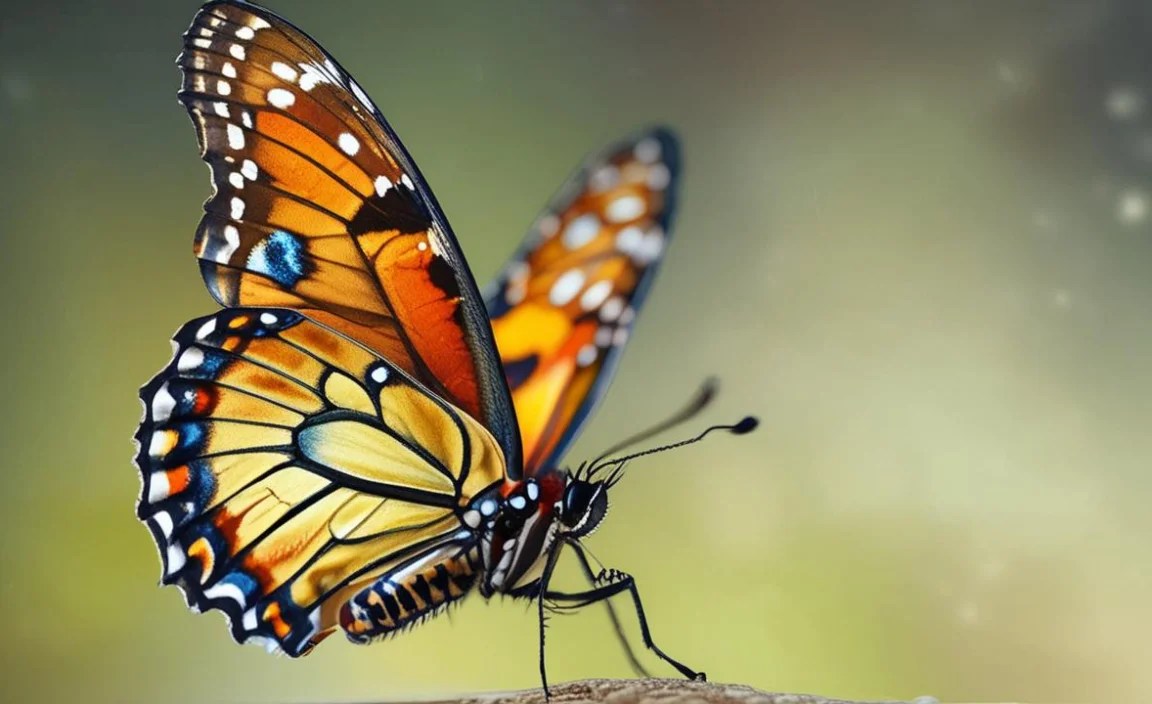
A butterfly’s behavior and habitat choice are closely linked to temperature regulation. Butterflies will actively seek out habitats that offer the right balance of sunlight and shade. They might prefer sunny meadows in the morning and move to wooded areas in the afternoon. Some species even migrate to escape extreme temperatures.
Examples of Butterfly Temperature Regulation in Different Species

Different butterfly species have adapted to various climates, and their temperature regulation strategies reflect this.
- Monarch Butterflies: Famous for their long-distance migrations, Monarchs overwinter in warmer climates to avoid freezing temperatures. They also bask in the sun to warm up after cool nights. The Xerces Society offers great resources on Monarch conservation.
- Swallowtail Butterflies: These large butterflies often bask with their wings spread wide, especially in the early morning. They are also known to flutter their wings to cool down on hot days.
- Alpine Butterflies: Found in high-altitude environments, these butterflies have darker wings to absorb more heat and are often smaller in size to reduce heat loss.
The Impact of Climate Change

Climate change poses a significant threat to butterflies because it disrupts their temperature regulation abilities. Rising temperatures, altered rainfall patterns, and more frequent extreme weather events can make it difficult for butterflies to find suitable habitats and maintain their body temperature.
- Habitat Loss: Changes in temperature and rainfall can lead to the loss of host plants and nectar sources.
- Range Shifts: Some butterfly species may be forced to move to cooler areas, but they may not be able to adapt quickly enough.
- Phenological Mismatches: Changes in temperature can disrupt the timing of butterfly life cycles, leading to mismatches with their food sources.
How You Can Help Butterflies
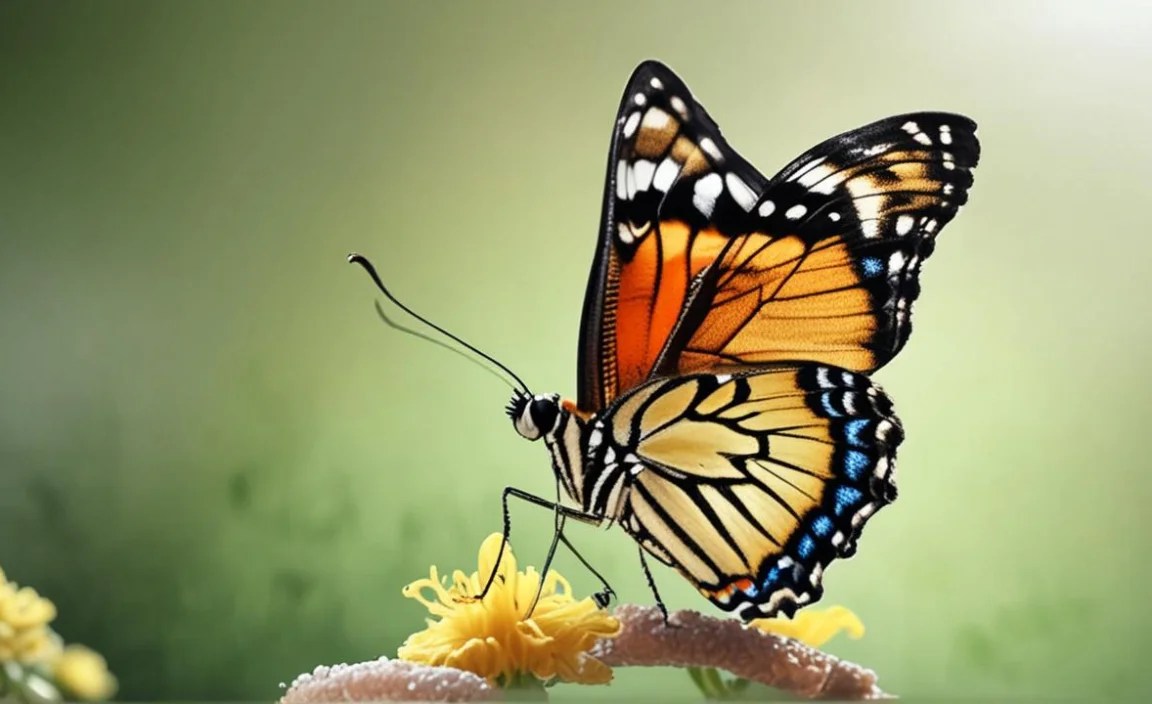
Even small actions can make a big difference in helping butterflies cope with climate change:
- Plant Native Host Plants and Nectar Sources: This provides butterflies with the food and habitat they need to thrive.
- Create a Butterfly Garden: Include a variety of plants that bloom at different times of the year.
- Provide a Water Source: A shallow dish of water with pebbles can help butterflies stay hydrated.
- Reduce Pesticide Use: Pesticides can harm butterflies and other beneficial insects.
- Support Conservation Organizations: Donate to or volunteer with organizations that are working to protect butterfly habitats.
Butterfly Thermoregulation Strategies: A Summary Table
| Strategy | How it Works | When it’s Used | Example |
|---|---|---|---|
| Basking | Spreading wings to absorb sunlight | Cool mornings, cloudy days | Monarch butterfly basking on a flower |
| Shivering | Vibrating flight muscles to generate heat | Cloudy days, cool temperatures | Some skipper butterflies |
| Seeking Shade | Moving to shaded areas to avoid direct sunlight | Hot afternoons, sunny days | Butterfly hiding under a leaf |
| Fluttering Wings | Creating a breeze to dissipate heat | Hot days, during activity | Swallowtail butterfly fluttering wings |
| Orientation | Adjusting body position relative to the sun | Varying sun angles | Butterfly tilting its body |
Comparing Butterfly Thermoregulation to Other Insects

While many insects are ectothermic, butterflies have some unique adaptations compared to others.
| Feature | Butterflies | Other Insects (e.g., Bees, Grasshoppers) |
|---|---|---|
| Wing Color | Often brightly colored, can be used for heat absorption or reflection | More varied, may be cryptic for camouflage |
| Basking Behavior | Highly developed, with specific postures | Present, but often less pronounced |
| Shivering Thermogenesis | Some species can shiver to generate heat | Common in bees for maintaining hive temperature |
| Habitat Selection | Actively seek out microclimates with suitable temperatures | Also important, but may be driven more by food availability |
| Scales on Wings | Provide insulation and can reflect sunlight | Wings are typically membranous without scales |
Further Research and Resources
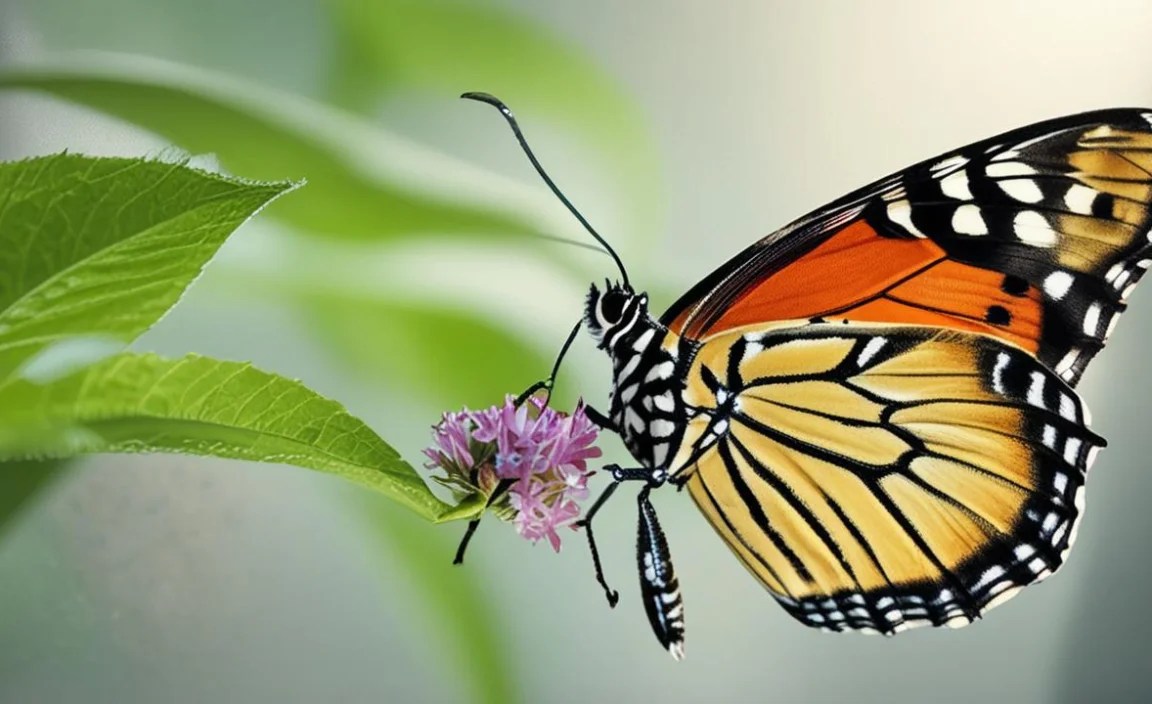
If you’re interested in learning more about butterfly temperature regulation, here are some resources:
- University Extensions: Many university extension programs offer resources on butterfly gardening and conservation (search “[Your State] Extension Butterfly”).
- Butterfly Field Guides: These guides often include information on butterfly behavior and habitat.
- Online Forums and Communities: Connect with other butterfly enthusiasts and share your observations.
- Scientific Journals: For more in-depth information, consult scientific journals that publish research on butterfly biology. You can often find summaries or abstracts online.
Frequently Asked Questions
Here are some common questions about butterfly temperature regulation:
- Why do butterflies need to bask in the sun?
- Butterflies are cold-blooded and rely on external heat to raise their body temperature to a level where they can fly and be active.
- What happens if a butterfly gets too cold?
- If a butterfly gets too cold, it becomes sluggish and unable to fly, making it vulnerable to predators.
- How do butterflies cool down when it’s hot?
- Butterflies cool down by seeking shade, fluttering their wings, and sometimes releasing small amounts of fluid to evaporate.
- Do all butterflies use the same temperature regulation strategies?
- No, different butterfly species have adapted to different climates and use a variety of strategies to regulate their temperature.
- Can butterflies survive in very cold climates?
- Some butterflies can survive in cold climates by overwintering as eggs, larvae, or pupae, or by migrating to warmer areas.
- How does climate change affect butterfly temperature regulation?
- Climate change can disrupt butterfly temperature regulation by altering habitats, food sources, and the timing of their life cycles.
- What can I do to help butterflies cope with temperature changes?
- You can help by planting native host plants and nectar sources, providing a water source, reducing pesticide use, and supporting conservation organizations.
Conclusion
Butterfly temperature regulation is a fascinating example of how these delicate creatures have adapted to survive in a variety of environments. By understanding the strategies they use to stay warm and cool, we can better appreciate the challenges they face, especially in the face of climate change. By creating butterfly-friendly habitats and supporting conservation efforts, we can help ensure that these beautiful insects continue to thrive for generations to come. So next time you see a butterfly basking in the sun, take a moment to admire its ingenious adaptation and consider what you can do to help protect it.


