
Butterfly Migration Patterns: The Ultimate Guide

Butterfly migration patterns involve long-distance journeys, often spanning generations, as butterflies seek favorable climates and breeding grounds. Monarch butterflies are famous for their multi-generational migration across North America, but other species like Painted Ladies and Swallowtails also undertake impressive migrations. These journeys are triggered by seasonal changes, resource availability, and instinct.
Have you ever wondered where butterflies go when the seasons change? Or how these delicate creatures travel such long distances? Understanding butterfly migration patterns can seem complex, but it’s a fascinating part of their lives. Many species embark on incredible journeys to find better climates and food sources. It’s not just Monarchs that migrate; other butterflies like Painted Ladies and Swallowtails also participate in these epic travels.
In this guide, we’ll explore the different types of butterfly migrations, the routes they take, and the reasons behind these journeys. You’ll also learn how you can help support these amazing insects. Get ready to discover the wonders of butterfly migration!
Understanding Butterfly Migration
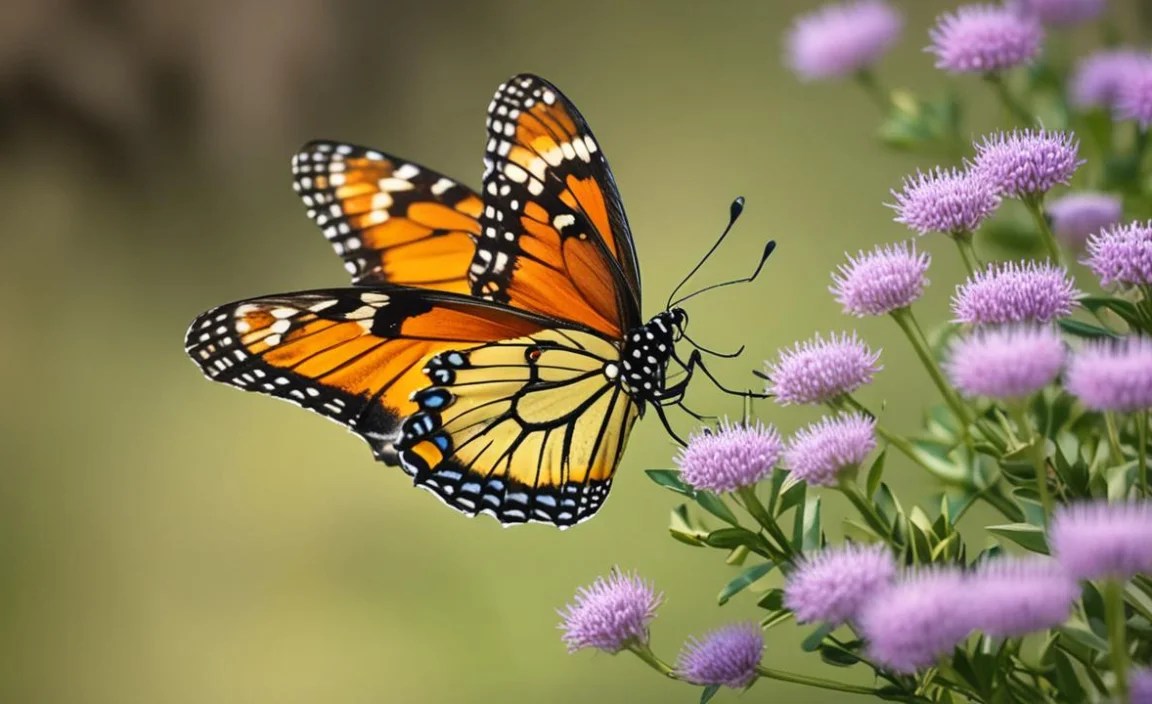
Butterfly migration is the large-scale movement of butterfly populations from one region to another, usually in response to seasonal changes. Unlike bird migrations where individual animals complete the entire journey, butterfly migrations often span multiple generations. Let’s dive deeper into what makes this phenomenon so captivating.
Why Do Butterflies Migrate?
Butterflies migrate for several key reasons:
- Climate: To escape harsh winter conditions or extreme summer heat.
- Food Availability: To find new sources of nectar and host plants for their larvae.
- Breeding: To reach suitable breeding grounds where they can lay their eggs.
- Overpopulation: To relieve pressure on local resources by dispersing to new areas.
These factors drive butterflies to undertake journeys that can cover hundreds or even thousands of miles.
Types of Butterfly Migration
Butterfly migrations can be categorized into two main types:
- Obligate Migration: This is a regular, predictable migration that occurs every year, like the Monarch’s migration.
- Facultative Migration: This type of migration is less predictable and depends on environmental conditions, such as weather patterns and food availability.
Understanding these categories helps us appreciate the diversity and adaptability of butterfly migration strategies.
The Monarch Butterfly: A Migration Icon

The Monarch butterfly (Danaus plexippus) is perhaps the most famous migratory butterfly. Its multi-generational journey across North America is a remarkable feat of nature. Let’s explore the details of this iconic migration.
The Monarch’s Multi-Generational Journey
Monarchs undertake a multi-generational migration, meaning that it takes several generations to complete the entire round trip. Here’s how it works:
- Generation 1: Monarchs leave their overwintering sites in Mexico and California in the spring. They fly north, laying eggs on milkweed plants along the way.
- Generation 2, 3, and 4: These generations continue the northward migration, each living for only a few weeks. They lay eggs on milkweed, and their offspring continue the journey.
- The Migratory Generation: The final generation, born in late summer, is different. These Monarchs live much longer (up to eight months) and fly all the way back to the overwintering sites in Mexico and California.
This incredible cycle repeats every year, showcasing the resilience and adaptability of these butterflies.
Overwintering Sites
Monarchs overwinter in specific locations that provide the right conditions for survival. These sites include:
- Mexico: High-altitude oyamel fir forests in the mountains of central Mexico.
- California: Coastal groves of eucalyptus, Monterey pine, and cypress trees.
These overwintering sites are crucial for the survival of the Monarch population. The Xerces Society works to protect these critical habitats.
Threats to Monarch Migration
Monarchs face numerous threats that endanger their migration, including:
- Habitat Loss: Deforestation of overwintering sites and loss of milkweed habitat.
- Climate Change: Extreme weather events and changes in temperature and rainfall patterns.
- Pesticide Use: Herbicides that kill milkweed and insecticides that harm Monarchs.
These threats have led to a significant decline in Monarch populations in recent decades. Conservation efforts are essential to protect these iconic butterflies.
Other Migratory Butterfly Species

While Monarchs are the most famous, several other butterfly species also undertake impressive migrations. Let’s look at some notable examples.
Painted Lady (Vanessa cardui)
Painted Ladies are one of the most widespread butterfly species in the world. They are known for their long-distance migrations, which can cover thousands of miles.
- Migration Patterns: Painted Ladies migrate from North Africa and the Middle East to Europe in the spring. They also migrate within North America, following favorable weather patterns and food availability.
- Triggers: Their migrations are triggered by population density and resource availability. When populations become too large in one area, they disperse to find new resources.
- Distance: Painted Ladies can travel over 100 miles per day, making them one of the fastest migratory butterflies.
These butterflies are incredibly adaptable, allowing them to thrive in a wide range of habitats.
Swallowtail Butterflies (Papilio spp.)
Several species of Swallowtail butterflies are known to migrate, including the Eastern Black Swallowtail (Papilio polyxenes) and the Pipevine Swallowtail (Battus philenor).
- Migration Patterns: Swallowtails migrate in response to seasonal changes and food availability. They often move from colder regions to warmer areas where they can find suitable host plants for their larvae.
- Triggers: Temperature and the availability of host plants are key factors that trigger Swallowtail migrations.
- Distance: Swallowtail migrations are generally shorter than those of Monarchs or Painted Ladies, but they can still cover significant distances.
Swallowtails are beautiful and important pollinators, making their migrations a vital part of ecosystem health.
Cloudless Sulphur (Phoebis sennae)
Cloudless Sulphurs are bright yellow butterflies found throughout the Americas. They are known for their southward migrations in the fall.
- Migration Patterns: Cloudless Sulphurs migrate from the northern United States and Canada to the southern United States and Mexico in the fall. They return north in the spring.
- Triggers: Shorter days and cooler temperatures trigger their southward migration.
- Distance: Cloudless Sulphurs can travel hundreds of miles during their migrations.
These butterflies play an important role in pollinating various flowering plants in their migratory range.
How to Observe Butterfly Migration
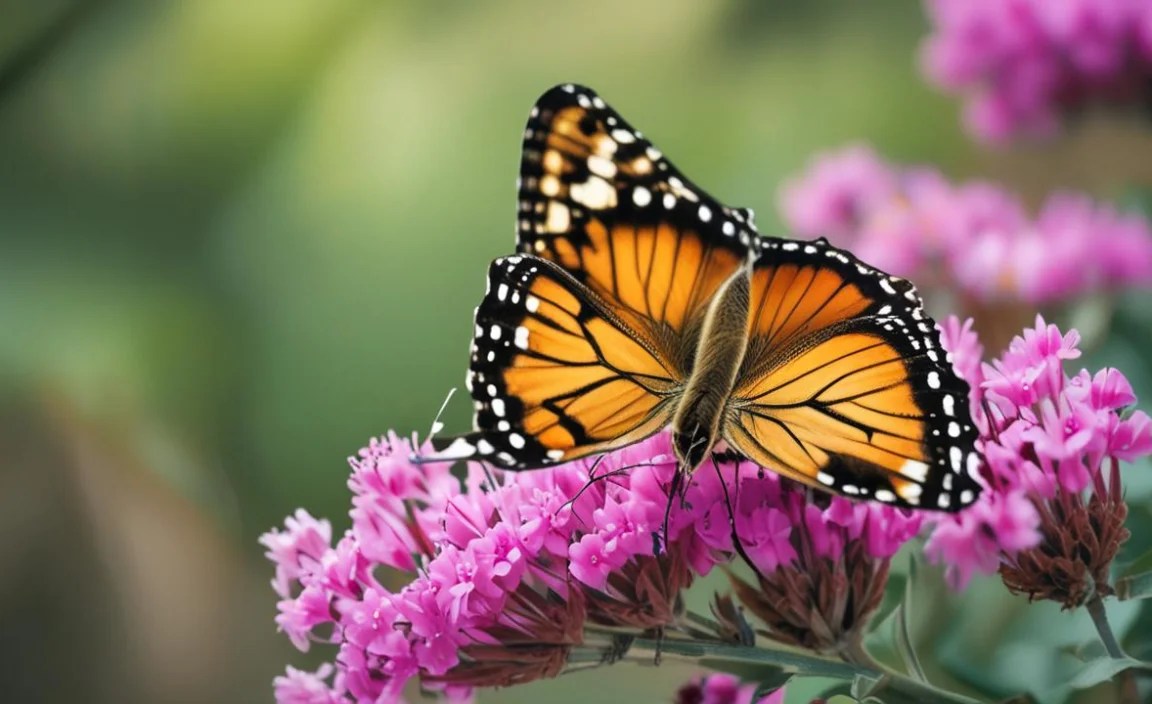
Observing butterfly migration can be a rewarding experience. Here are some tips on how to spot and track these amazing journeys.
Best Times to Observe
The best times to observe butterfly migration are during the spring and fall, when butterflies are on the move. Specific times depend on the species and location.
- Monarchs: Look for Monarchs migrating south in September and October, and north in March and April.
- Painted Ladies: Observe Painted Ladies migrating north in the spring and south in the fall.
- Swallowtails: Watch for Swallowtails migrating in the spring and fall, depending on your region.
Check local butterfly migration maps and reports to find the best times and locations for observation.
Where to Look
Butterflies often follow specific routes during their migrations. Look for them in:
- Open Fields: Butterflies often fly through open fields where they can find nectar sources.
- Along Coastlines: Coastlines can serve as natural corridors for migrating butterflies.
- Mountain Passes: Butterflies may use mountain passes to navigate through mountainous terrain.
- Gardens with Nectar Plants: Gardens with butterfly-friendly plants can attract migrating butterflies.
Bring a pair of binoculars and a butterfly field guide to help you identify the species you see.
Tracking Butterfly Migration
You can participate in citizen science projects to help track butterfly migration. Here are some popular programs:
- Journey North: A citizen science project that tracks Monarch and other butterfly migrations.
- eButterfly: An online platform where you can submit your butterfly sightings and contribute to research.
- Monarch Watch: A program that provides resources for tagging and tracking Monarch butterflies.
By participating in these projects, you can help scientists learn more about butterfly migration and conservation.
The Impact of Climate Change on Butterfly Migration

Climate change is having a significant impact on butterfly migration patterns. Rising temperatures, changes in rainfall, and extreme weather events are disrupting butterfly habitats and migration routes. Let’s explore these impacts in more detail.
Changes in Migration Timing
Climate change is causing butterflies to migrate earlier or later than usual. Warmer temperatures can trigger early migrations, while changes in rainfall can delay them. These shifts can disrupt the synchrony between butterflies and their host plants, affecting their survival.
Habitat Loss and Alteration
Climate change is also leading to habitat loss and alteration. Rising sea levels, droughts, and wildfires are destroying butterfly habitats and reducing the availability of food and shelter. This can make it harder for butterflies to find suitable breeding grounds and overwintering sites.
Extreme Weather Events
Extreme weather events, such as hurricanes and floods, can have devastating impacts on butterfly populations. These events can destroy habitats, kill butterflies, and disrupt migration routes. The increased frequency and intensity of extreme weather events due to climate change pose a serious threat to butterfly migration.
Range Shifts
As the climate changes, some butterfly species are shifting their ranges to find suitable habitats. This can lead to changes in butterfly migration patterns, as butterflies move to new areas to survive. However, these range shifts can also disrupt ecosystems and affect other species.
How to Help Protect Migratory Butterflies
There are many ways you can help protect migratory butterflies and support their conservation. Here are some practical steps you can take.
Plant Native Host Plants
Planting native host plants is one of the best ways to help migratory butterflies. Host plants provide food and shelter for butterfly larvae, ensuring their survival. Some popular host plants include:
- Milkweed: The host plant for Monarch butterflies.
- Spicebush and Sassafras: Host plants for Spicebush Swallowtails.
- Pipevine: The host plant for Pipevine Swallowtails.
Choose native plants that are well-suited to your local climate and soil conditions.
Create a Butterfly Garden
Creating a butterfly garden can provide a haven for migratory butterflies. Include a variety of nectar-rich flowers that bloom throughout the growing season. Some good choices include:
- Butterfly Bush (Buddleja davidii): A popular nectar source for many butterfly species.
- Zinnia (Zinnia elegans): Easy-to-grow flowers that attract butterflies.
- Lantana (Lantana camara): A colorful flower that provides nectar for butterflies.
- Purple Coneflower (Echinacea purpurea): A native wildflower that attracts butterflies and other pollinators.
Also, provide a water source, such as a shallow dish of water with pebbles for butterflies to land on.
Avoid Pesticides
Pesticides can harm or kill butterflies and other beneficial insects. Avoid using pesticides in your garden and choose organic gardening methods instead. If you must use pesticides, choose targeted options that are less harmful to butterflies.
Support Conservation Organizations
Support conservation organizations that work to protect butterfly habitats and promote butterfly conservation. Some reputable organizations include:
- The Xerces Society: A leading organization dedicated to invertebrate conservation.
- The North American Butterfly Association (NABA): An organization that promotes butterfly conservation and education.
- Monarch Watch: A program that focuses on Monarch butterfly conservation and research.
By supporting these organizations, you can help protect butterfly migration and ensure the survival of these amazing insects.
Advocate for Policy Changes
Advocate for policy changes that protect butterfly habitats and promote sustainable land management practices. Support legislation that protects overwintering sites and regulates pesticide use. Educate others about the importance of butterfly conservation and encourage them to take action.
Butterfly Migration Patterns: Detailed Table
| Butterfly Species | Migration Pattern | Triggers | Key Habitats |
|---|---|---|---|
| Monarch (Danaus plexippus) | Multi-generational migration between Mexico/California and North America | Seasonal changes, temperature, day length | Oyamel fir forests (Mexico), coastal groves (California), milkweed fields |
| Painted Lady (Vanessa cardui) | Irregular migrations across continents | Population density, resource availability | Open fields, gardens, deserts |
| Swallowtail (Papilio spp.) | Seasonal migrations within regions | Temperature, host plant availability | Woodlands, gardens, fields |
| Cloudless Sulphur (Phoebis sennae) | Southward migration in fall, northward in spring | Shorter days, cooler temperatures | Open fields, gardens, coastal areas |
Frequently Asked Questions (FAQ)
What is butterfly migration?
Butterfly migration is the large-scale movement of butterfly populations from one region to another, usually in response to seasonal changes or resource availability.
Why do butterflies migrate?
Butterflies migrate to find better climates, food sources, breeding grounds, or to relieve overpopulation in their current habitat.
How far do butterflies migrate?
Some butterflies, like Monarchs, can migrate thousands of miles, while others migrate shorter distances depending on the species and environmental conditions.
Do all butterflies migrate?
No, not all butterflies migrate. Migration is more common in certain species that need to escape harsh conditions or find specific resources.
How can I help migratory butterflies?
You can help by planting native host plants and nectar-rich flowers, avoiding pesticides, supporting conservation organizations, and advocating for policy changes.
What are the threats to butterfly migration?
Threats include habitat loss, climate change, pesticide use, and extreme weather events.
What is the role of milkweed in Monarch migration?
Milkweed is the primary host plant for Monarch butterfly larvae. Monarchs lay their eggs exclusively on milkweed, and the caterpillars feed on its leaves. Without milkweed, Monarchs cannot complete their life cycle.
Conclusion
Butterfly migration is a truly remarkable phenomenon, showcasing the resilience and adaptability of these delicate creatures. From the iconic journey of the Monarch to the impressive travels of Painted Ladies and Swallowtails, each migration story is a testament to the wonders of nature. By understanding the reasons behind these migrations, the routes they take, and the threats they face, we can better appreciate and protect these amazing insects.
As climate change and habitat loss continue to impact butterfly populations, it’s more important than ever to take action. Whether it’s planting native host plants, creating a butterfly garden, or supporting conservation organizations, every effort counts. Together, we can ensure that future generations will have the opportunity to witness the beauty and magic of butterfly migration. Let’s work together to create a world where butterflies can thrive and continue their incredible journeys for years to come.


