
Lulworth Skipper Butterfly: Ultimate ID Guide

The Lulworth Skipper butterfly is a small, brown butterfly found mainly in southern coastal areas of England. Look for its distinctive orange-brown wings and rapid, skipping flight pattern. You can identify it by the small white spots on its forewings and its preference for grassland habitats near the coast.
Have you ever been walking along the beautiful coast of southern England and spotted a tiny, fast-flying butterfly, wondering what it was? Identifying butterflies can sometimes feel like a puzzle, especially with so many similar-looking species flitting about. It’s easy to get them mixed up! But don’t worry, figuring out the Lulworth Skipper is simpler than you might think.
In this guide, we’ll take a closer look at this charming little butterfly. We will cover everything from what makes it unique to where you can find it and what plants it loves. By the end, you’ll be able to confidently identify the Lulworth Skipper and appreciate its role in our coastal ecosystems.
Frequently Asked Questions About the Lulworth Skipper Butterfly
What does a Lulworth Skipper butterfly look like?
The Lulworth Skipper is a small butterfly with orange-brown wings. It has small white spots on its forewings, which help to distinguish it from other similar skippers. Its flight is rapid and skipping, giving it its name.
Where can I find Lulworth Skipper butterflies?
These butterflies are primarily found in the southern coastal areas of England, especially in Dorset. They prefer grassland habitats, particularly those near the coast.
What do Lulworth Skipper caterpillars eat?
The caterpillars mainly feed on stiff grasses, such as Tor-grass (Brachypodium pinnatum). These grasses provide the nutrients the caterpillars need to grow and develop.
When is the best time to see Lulworth Skipper butterflies?
The adult butterflies are usually on the wing from June to August. This is their breeding season, and you’ll often see them flying around their preferred grassland habitats during this time.
Why are Lulworth Skipper butterflies important?
Like all butterflies, they play a role in pollination. More importantly, they are an indicator species, which means their presence and health reflect the overall health of their habitat. Conserving them helps preserve the entire ecosystem.
How can I help protect Lulworth Skipper butterflies?
You can help by supporting conservation organizations, preserving grassland habitats, and planting native grasses in your garden. Creating a butterfly-friendly environment in your local area can make a big difference.
Are Lulworth Skipper butterflies endangered?
While not currently classified as endangered, their populations are localized and vulnerable to habitat loss. Ongoing conservation efforts are essential to ensure their survival.
Identifying the Lulworth Skipper Butterfly: A Step-by-Step Guide

Let’s dive into how to accurately identify the Lulworth Skipper. We’ll break it down into key characteristics, habitat preferences, and behaviors.
Step 1: Size and Appearance
The Lulworth Skipper is one of the UK’s smallest butterflies.
- Size: Wingspan is approximately 22-28 mm.
- Color: Predominantly orange-brown. The upperside of the wings is a warm, tawny brown, while the underside is a paler, more muted brown.
- Spots: Look for small, distinct white spots on the forewings. These spots are a key identifier.
- Shape: The wings are relatively rounded compared to other skippers.
Step 2: Distinguishing Features
Pay close attention to the specific markings and physical attributes that set the Lulworth Skipper apart.
- White Spots: The most reliable identifier. These small, well-defined white spots are usually visible even when the butterfly is in flight.
- Antennae: Like other skippers, the Lulworth Skipper has hooked antennae.
- Body: The body is stout and furry, typical of skippers, and matches the overall brown coloration of the wings.
Step 3: Habitat and Location
Knowing where to look is half the battle. The Lulworth Skipper has specific habitat preferences.
- Geographic Range: Primarily found in southern coastal areas of England, particularly in Dorset.
- Habitat: Prefers grassland habitats, especially those with plenty of Tor-grass (Brachypodium pinnatum), which is the primary food source for its caterpillars.
- Specific Locations: Look for them in sheltered spots, such as coastal cliffs and undercliffs, where Tor-grass is abundant.
Step 4: Flight Pattern and Behavior
The way a butterfly flies and behaves can also provide clues to its identity.
- Flight: The Lulworth Skipper has a rapid, skipping flight pattern, which is how it got its name.
- Sun Basking: Often seen basking in the sun on grass stems or leaves.
- Nectar Sources: Adults feed on nectar from various flowers, but they are not as frequently seen nectaring as some other butterflies.
Step 5: Time of Year
Knowing when the Lulworth Skipper is active can help narrow down your search.
- Flight Period: The adult butterflies are typically on the wing from June to August.
- Peak Season: July is usually the best month to see them.
Step 6: Compare with Similar Species
It’s essential to differentiate the Lulworth Skipper from other similar-looking butterflies.
| Species | Key Differences | Habitat |
|---|---|---|
| Essex Skipper (Thymelicus lineola) | Black tips on antennae undersides. | Wider range of grasslands. |
| Small Skipper (Thymelicus sylvestris) | Orange tips on antennae undersides. | Wider range of grasslands. |
| Silver-spotted Skipper (Hesperia comma) | Larger, more prominent silver spots on the underside of wings. | Chalk grasslands. |
Life Cycle of the Lulworth Skipper

Understanding the life cycle of the Lulworth Skipper can deepen your appreciation for this butterfly and aid in conservation efforts.
Egg Stage
- Appearance: The eggs are small and creamy-white.
- Location: Females lay their eggs singly on or near the foodplant, which is usually Tor-grass.
- Timing: Eggs are laid in late summer.
Larva (Caterpillar) Stage
- Appearance: The caterpillars are pale green with a dark dorsal stripe.
- Feeding: They feed exclusively on Tor-grass, creating shelters by spinning leaves together.
- Overwintering: The caterpillars overwinter in a rolled-up leaf, resuming feeding in the spring.
Pupa (Chrysalis) Stage
- Appearance: The pupa is a pale green color, blending in with the surrounding foliage.
- Location: Pupation occurs within a silken shelter on the foodplant.
- Duration: The pupal stage lasts for a few weeks.
Adult Stage
- Emergence: Adult butterflies emerge from the pupae in June and July.
- Lifespan: The adult butterflies live for only a few weeks, during which they mate and lay eggs.
- Behavior: They are active during the day, feeding on nectar and searching for mates.
The Lulworth Skipper’s Habitat: What Makes it Special?

The Lulworth Skipper has specific habitat requirements. Understanding these needs is crucial for conservation.
Key Habitat Features
- Tor-grass: The presence of Tor-grass (Brachypodium pinnatum) is essential. This is the primary food source for the caterpillars.
- Sheltered Locations: They prefer sheltered spots, such as coastal cliffs and undercliffs, which provide protection from strong winds.
- Grassland Structure: A varied grassland structure, with both short and long grass, is ideal. This provides basking spots and shelter for the butterflies and caterpillars.
- Sun Exposure: Sunny, south-facing slopes are favored, as they provide warmth for the butterflies and caterpillars.
Threats to the Habitat
- Habitat Loss: Coastal development, agriculture, and changes in land management practices can lead to habitat loss.
- Overgrazing: Excessive grazing can reduce the availability of Tor-grass and damage the grassland structure.
- Lack of Management: Without proper management, grasslands can become overgrown, shading out the Tor-grass and reducing its suitability for the Lulworth Skipper.
- Climate Change: Changes in temperature and rainfall patterns can affect the distribution and abundance of the Lulworth Skipper and its foodplant.
Conservation Efforts: Helping the Lulworth Skipper Thrive
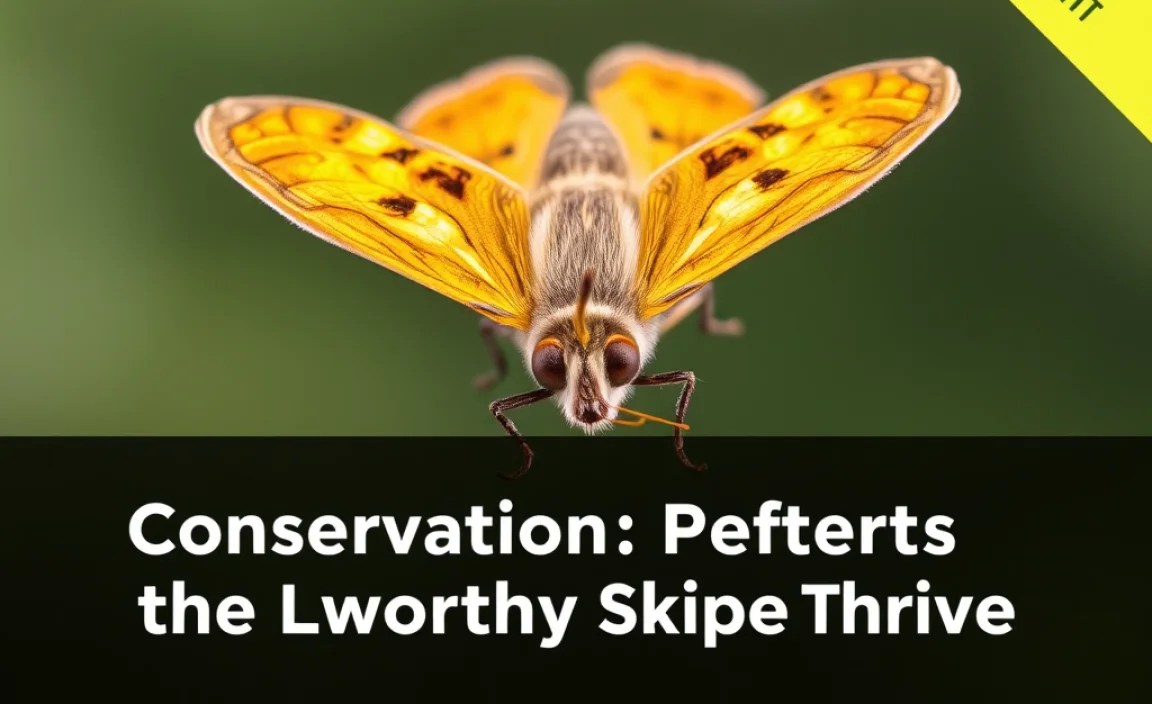
Conserving the Lulworth Skipper requires a multifaceted approach, involving habitat management, monitoring, and public awareness.
Habitat Management
- Grazing Management: Implementing appropriate grazing regimes to maintain a varied grassland structure and prevent overgrowth.
- Scrub Control: Removing scrub and invasive species that can shade out Tor-grass.
- Habitat Restoration: Restoring degraded grasslands by planting Tor-grass and other native species.
- Creating Buffer Zones: Establishing buffer zones around existing habitats to protect them from external threats.
Monitoring and Research
- Population Monitoring: Regularly monitoring Lulworth Skipper populations to track their numbers and distribution.
- Habitat Surveys: Conducting habitat surveys to assess the quality and extent of suitable habitats.
- Research: Conducting research to better understand the ecology of the Lulworth Skipper and the factors that affect its populations.
Public Awareness and Education
- Education Programs: Developing education programs to raise awareness about the Lulworth Skipper and its conservation needs.
- Citizen Science: Encouraging citizen scientists to participate in monitoring and data collection efforts.
- Promoting Butterfly-Friendly Gardening: Encouraging gardeners to plant native grasses and flowers that benefit butterflies.
Supporting Organizations
Several organizations are involved in the conservation of the Lulworth Skipper. Here are a few:
- Butterfly Conservation: A leading UK charity dedicated to saving butterflies, moths, and their habitats.
- National Trust: Manages many coastal habitats where the Lulworth Skipper is found.
- Natural England: Works to protect England’s nature and landscapes.
Attracting Lulworth Skippers to Your Garden

While the Lulworth Skipper is primarily found in coastal grasslands, there are still ways to make your garden more appealing to these butterflies and other wildlife.
Plant Native Grasses
While Tor-grass might not be suitable for every garden, planting other native grasses can provide habitat and food for various butterfly species.
- Grasses to Consider:
- Red Fescue (Festuca rubra)
- Crested Dog’s-tail (Cynosurus cristatus)
- Sweet Vernal-grass (Anthoxanthum odoratum)
Provide Nectar Sources
Plant a variety of nectar-rich flowers that bloom throughout the butterfly season.
- Flowers to Plant:
- Wild Thyme (Thymus serpyllum)
- Kidney Vetch (Anthyllis vulneraria)
- Common Bird’s-foot Trefoil (Lotus corniculatus)
Create a Sheltered Environment
Butterflies prefer sheltered spots where they can bask in the sun and escape strong winds.
- Tips for Creating Shelter:
- Plant shrubs and hedges to create windbreaks.
- Build a rock garden with sunny basking spots.
- Leave some areas of long grass for shelter.
Avoid Pesticides
Pesticides can harm butterflies and other beneficial insects. Opt for natural pest control methods instead.
- Natural Pest Control Methods:
- Encourage natural predators like ladybugs and lacewings.
- Use organic gardening practices.
- Handpick pests off plants.
Provide a Water Source
Butterflies need water to stay hydrated. Provide a shallow dish of water with pebbles or sand for them to land on.
The Lulworth Skipper in Culture and Symbolism
While the Lulworth Skipper may not be as widely recognized in culture and symbolism as some other butterfly species, butterflies, in general, hold significant meanings across various cultures.
General Butterfly Symbolism
- Transformation: Butterflies are often seen as symbols of transformation and metamorphosis, representing the journey from caterpillar to beautiful winged creature.
- Hope and Rebirth: They can also symbolize hope, rebirth, and new beginnings, as they emerge from their chrysalis to start a new phase of life.
- Soul and Spirit: In some cultures, butterflies are believed to represent the human soul or spirit, either as messengers or as embodiments of departed loved ones.
- Beauty and Joy: Their delicate beauty and vibrant colors make them symbols of joy, happiness, and the ephemeral nature of life.
Specific Meanings
While the Lulworth Skipper doesn’t have specific cultural associations, its unique characteristics can inspire personal interpretations.
- Resilience: Its ability to thrive in specific coastal habitats can symbolize resilience and adaptability.
- Hidden Beauty: Its small size and understated appearance can remind us to appreciate the hidden beauty in the natural world.
- Connection to Nature: Its dependence on specific plants and habitats highlights the importance of preserving our natural environment.
Conclusion
The Lulworth Skipper butterfly, with its distinctive white spots and rapid flight, is a delightful sight along the southern coast of England. By understanding its key characteristics, habitat needs, and life cycle, you can confidently identify this charming little butterfly and appreciate its role in our coastal ecosystems.
Remember, conservation efforts are crucial for protecting the Lulworth Skipper and its habitat. By supporting conservation organizations, managing grasslands sustainably, and creating butterfly-friendly gardens, we can help ensure that future generations can enjoy the beauty of this unique species. So, next time you’re exploring the grasslands of Dorset, keep an eye out for the Lulworth Skipper – a small butterfly with a big story to tell.


