
Butterfly Evolution History: Uncover the Secrets

Quick Summary:
Butterfly evolution history spans over 56 million years, starting from moth-like ancestors. Key milestones include the development of colorful wings for display and camouflage, specialized mouthparts for nectar feeding, and complex life cycles with metamorphosis. Fossil records, genetic studies, and comparative anatomy help us understand how butterflies adapted and diversified into the beautiful creatures we see today.
Have you ever wondered how butterflies, with their stunning colors and delicate wings, came to be? It’s a question that has fascinated scientists and nature lovers alike for centuries. Tracing the butterfly’s family tree reveals a story of incredible adaptation and survival.
In this guide, we’ll explore the fascinating journey of butterfly evolution, from their earliest ancestors to the diverse species fluttering around us today. Get ready to uncover the secrets behind their wings, feeding habits, and life cycles!
Unveiling Butterfly Evolution History
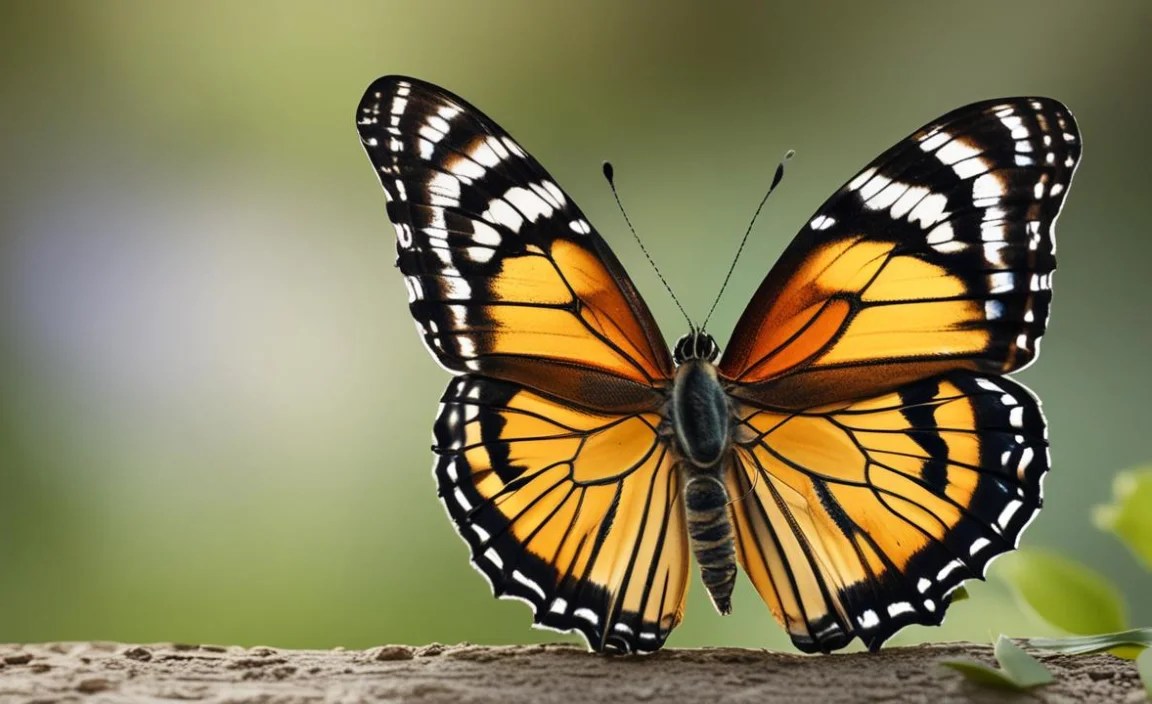
The evolutionary history of butterflies is a captivating tale that spans millions of years. By studying fossil records, genetic data, and anatomical features, scientists have pieced together the story of how these beautiful insects evolved from their moth-like ancestors.
The Ancestral Roots: Moths
Butterflies belong to the order Lepidoptera, which also includes moths. Moths are considered the more ancient group, with the earliest moth fossils dating back over 190 million years. Butterflies evolved from moths much later, around 56 million years ago.
- Early Moths: These were small, winged insects that likely fed on plant material.
- Key Differences: Unlike butterflies, moths typically have thicker bodies, feathery antennae, and are active at night.
The Emergence of Butterflies
The exact timing and location of butterfly evolution are still subjects of scientific debate, but evidence suggests they originated during the Eocene epoch, around 56 million years ago.
- Fossil Evidence: The oldest known butterfly fossil is Prodryas persephone, discovered in Colorado, dating back to the late Eocene period (approximately 34 million years ago).
- Geographic Origins: It’s believed that butterflies first appeared in what is now North America, later spreading to other parts of the world.
Key Evolutionary Adaptations
Several key adaptations mark the evolutionary journey of butterflies, setting them apart from their moth ancestors.
Wing Coloration and Patterns
One of the most striking features of butterflies is their colorful wings. These colors serve various purposes, including:
- Camouflage: Some butterflies blend in with their surroundings to avoid predators.
- Mate Attraction: Bright colors and patterns help butterflies attract mates.
- Warning Signals: Certain species use vibrant colors to warn predators of their toxicity. The Monarch butterfly, for example, uses its bright orange color to warn predators that it is poisonous due to the milkweed it consumes as a larva.
Specialized Mouthparts
Butterflies have a long, straw-like proboscis that they use to sip nectar from flowers. This adaptation is crucial for their survival, as nectar provides them with the energy they need to fly and reproduce.
- Proboscis Evolution: The evolution of the proboscis allowed butterflies to exploit a new food source, leading to their diversification.
- Nectar Feeding: By feeding on nectar, butterflies also play a vital role in pollination, benefiting the plants they visit.
Metamorphosis
Butterflies undergo complete metamorphosis, a complex life cycle that involves four distinct stages: egg, larva (caterpillar), pupa (chrysalis), and adult.
- Larval Stage: Caterpillars are specialized for feeding and growth, consuming large quantities of plant material.
- Pupal Stage: During the pupal stage, the caterpillar transforms into a butterfly inside a protective chrysalis.
- Adult Stage: The adult butterfly emerges from the chrysalis, ready to reproduce and continue the cycle.
Here’s a table summarizing the key stages:
| Stage | Description | Key Features |
|---|---|---|
| Egg | The first stage of the butterfly life cycle. | Small, often laid on specific host plants. |
| Larva (Caterpillar) | The feeding and growing stage. | Voracious eaters, molting several times as they grow. |
| Pupa (Chrysalis) | The transformation stage. | A protective casing where the caterpillar transforms into a butterfly. |
| Adult | The reproductive stage. | Focuses on mating and laying eggs, continuing the life cycle. |
The Role of Host Plants
Butterflies have a close relationship with specific host plants, which their caterpillars feed on. This relationship has played a significant role in butterfly evolution.
- Coevolution: Butterflies and their host plants have coevolved over millions of years, with each influencing the other’s evolution.
- Specialization: Some butterfly species are highly specialized, feeding on only one or a few types of host plants.
Butterfly Classification and Diversity
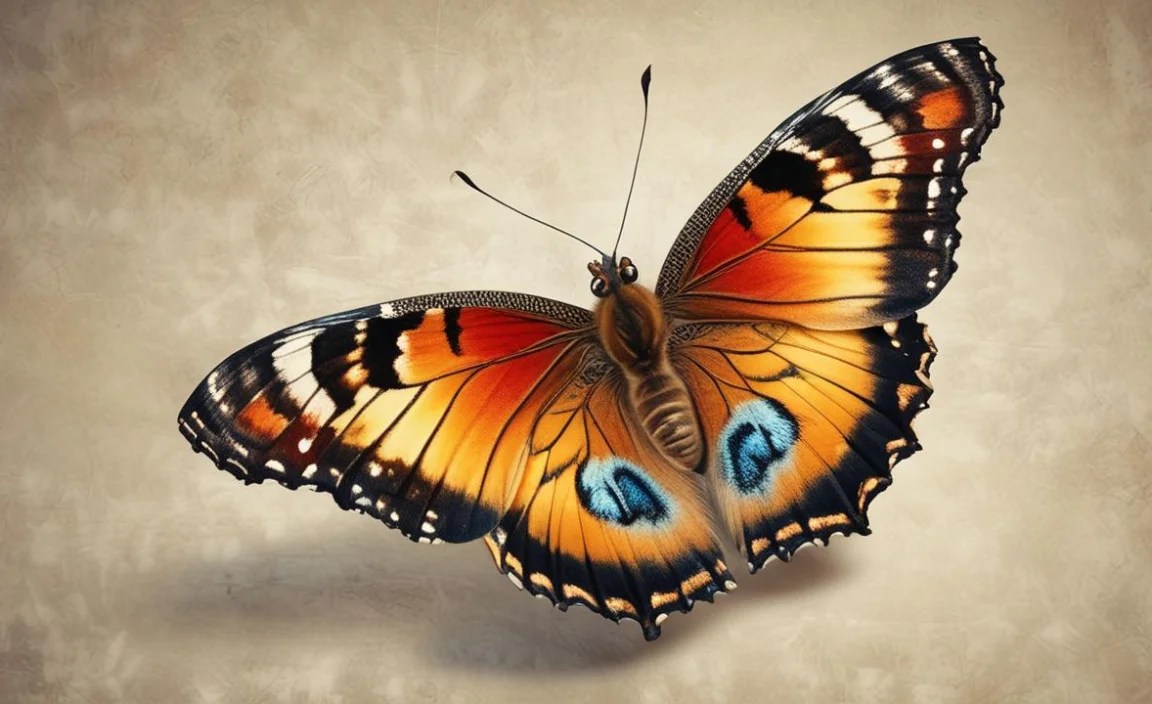
Butterflies are classified into several families, each with its unique characteristics and evolutionary history.
Major Butterfly Families
Here are some of the major butterfly families:
- Nymphalidae (Brush-footed Butterflies): This is one of the largest butterfly families, including species like monarchs, admirals, and fritillaries. They are known for their reduced front legs and diverse wing patterns.
- Papilionidae (Swallowtail Butterflies): Swallowtails are large, colorful butterflies with distinctive tails on their hindwings.
- Pieridae (Whites and Yellows): These butterflies are typically white or yellow, with some species exhibiting bright orange or red markings.
- Lycaenidae (Gossamer-winged Butterflies): This family includes small, often brightly colored butterflies such as blues, coppers, and hairstreaks.
- Hesperiidae (Skippers): Skippers are small, stout-bodied butterflies with hooked antennae and rapid, erratic flight patterns.
Factors Influencing Butterfly Diversity
Several factors have contributed to the incredible diversity of butterflies we see today.
- Geographic Isolation: Isolation of populations can lead to the development of new species.
- Climate Change: Changes in climate can alter habitats and affect the distribution and evolution of butterflies.
- Host Plant Availability: The availability of suitable host plants is crucial for butterfly survival and diversification.
Tools and Techniques for Studying Butterfly Evolution
Scientists use a variety of tools and techniques to study butterfly evolution.
Fossil Analysis
Fossil analysis involves studying fossilized butterfly remains to understand their morphology and evolutionary relationships.
- Dating Techniques: Radiometric dating methods are used to determine the age of fossils.
- Morphological Analysis: Comparing the physical features of fossils with those of modern butterflies can provide insights into their evolutionary history.
Genetic Analysis
Genetic analysis involves studying the DNA of butterflies to understand their evolutionary relationships and genetic diversity.
- DNA Sequencing: This technique is used to determine the order of nucleotides in a DNA molecule, providing information about genetic relationships.
- Phylogenetic Analysis: This involves constructing evolutionary trees based on genetic data, showing the relationships between different butterfly species.
Comparative Anatomy
Comparative anatomy involves comparing the anatomical features of different butterfly species to understand their evolutionary relationships.
- Wing Morphology: Studying the structure and patterns of butterfly wings can provide insights into their evolution.
- Mouthpart Structure: Comparing the structure of the proboscis in different species can reveal adaptations related to feeding habits.
The Impact of Environmental Changes on Butterfly Evolution

Environmental changes, such as climate change and habitat loss, can have a significant impact on butterfly evolution.
Climate Change
Climate change can alter the distribution and abundance of butterfly species, as well as their host plants.
- Range Shifts: As temperatures rise, some butterfly species may shift their ranges to cooler areas.
- Phenological Mismatches: Changes in the timing of seasonal events, such as flowering, can lead to mismatches between butterflies and their host plants, affecting their survival.
Habitat Loss
Habitat loss due to deforestation, urbanization, and agriculture can reduce butterfly populations and threaten their survival.
- Fragmentation: Habitat fragmentation can isolate butterfly populations, reducing genetic diversity and increasing the risk of extinction.
- Conservation Efforts: Protecting and restoring butterfly habitats is crucial for their conservation.
Conservation Strategies for Butterflies

Conserving butterflies requires a multi-faceted approach that addresses the threats they face.
Habitat Preservation and Restoration
Protecting and restoring butterfly habitats is essential for their survival.
- Creating Butterfly Gardens: Planting butterfly-friendly gardens with native host plants can provide food and shelter for butterflies.
- Protecting Natural Habitats: Conserving natural habitats, such as forests and meadows, is crucial for maintaining butterfly populations.
Sustainable Land Management Practices
Adopting sustainable land management practices can help reduce the negative impacts of agriculture and forestry on butterflies.
- Reducing Pesticide Use: Pesticides can harm butterflies and other beneficial insects. Reducing their use can help protect butterfly populations.
- Promoting Biodiversity: Encouraging biodiversity in agricultural landscapes can provide habitat and food sources for butterflies.
Raising Awareness and Education
Educating the public about the importance of butterflies and the threats they face can help promote conservation efforts.
- Citizen Science Projects: Participating in citizen science projects can help monitor butterfly populations and track their distribution.
- Educational Programs: Supporting educational programs that teach children and adults about butterflies can raise awareness and inspire conservation action.
Examples of Butterfly Evolution
Let’s delve into specific examples of butterfly evolution to illustrate the concepts discussed.
Monarch Butterfly (Danaus plexippus)
The Monarch butterfly is famous for its long-distance migration and its dependence on milkweed plants.
- Evolution of Milkweed Tolerance: Monarch caterpillars have evolved to tolerate the toxic compounds in milkweed, which provides them with a defense against predators.
- Migration Patterns: The Monarch’s migration patterns have evolved over thousands of years, allowing them to exploit seasonal resources and avoid harsh weather conditions. You can learn more about Monarch butterfly migration from organizations like the U.S. Fish and Wildlife Service.
Peppered Moth (Biston betularia)
While technically a moth, the Peppered Moth provides a classic example of natural selection in response to environmental change.
- Industrial Melanism: During the Industrial Revolution, the Peppered Moth evolved from a light-colored form to a dark-colored form in response to air pollution, which darkened the tree bark where they rested.
- Reversal of Melanism: As air pollution decreased, the light-colored form became more common again, demonstrating the reversibility of evolutionary change.
Swallowtail Butterflies (Papilionidae)
Swallowtail butterflies exhibit a wide range of wing patterns and mimicry strategies.
- Batesian Mimicry: Some Swallowtail species mimic toxic butterflies to avoid predation. For example, the female Tiger Swallowtail (Papilio glaucus) can have a dark morph that mimics the poisonous Pipevine Swallowtail (Battus philenor).
- Evolution of Tail Length: The tails on Swallowtail wings may have evolved to distract predators or to enhance flight maneuverability.
Here’s a table summarizing the key evolutionary adaptations in these butterfly examples:
| Butterfly Species | Adaptation | Evolutionary Driver |
|---|---|---|
| Monarch Butterfly (Danaus plexippus) | Milkweed Tolerance | Defense against predators |
| Monarch Butterfly (Danaus plexippus) | Migration Patterns | Seasonal resource availability and climate |
| Peppered Moth (Biston betularia) | Industrial Melanism | Air pollution and camouflage |
| Tiger Swallowtail (Papilio glaucus) | Batesian Mimicry | Avoidance of predation |
FAQ: Butterfly Evolution History
-
What is the oldest butterfly fossil?
The oldest known butterfly fossil is Prodryas persephone, dating back to the late Eocene period (approximately 34 million years ago) and found in Colorado.
-
Did butterflies evolve from moths?
Yes, butterflies evolved from moth-like ancestors. Moths are an older group within the order Lepidoptera, and butterflies emerged later in evolutionary history.
-
Why are butterfly wings so colorful?
Butterfly wings are colorful for several reasons, including camouflage, mate attraction, and warning signals to predators about their toxicity.
-
What is metamorphosis in butterflies?
Metamorphosis is the complex life cycle of butterflies, involving four stages: egg, larva (caterpillar), pupa (chrysalis), and adult. Each stage has a distinct form and function.
-
How do butterflies feed?
Butterflies feed using a long, straw-like proboscis, which they use to sip nectar from flowers. This specialized mouthpart allows them to access nectar, a crucial energy source.
-
What are host plants?
Host plants are specific plants that butterfly caterpillars feed on. The relationship between butterflies and their host plants is often highly specialized and co-evolutionary.
-
How does climate change affect butterflies?
Climate change can alter butterfly distribution, abundance, and the timing of seasonal events, leading to mismatches with their host plants and affecting their survival.
Conclusion
The evolutionary history of butterflies is a testament to the power of adaptation and natural selection. From their humble beginnings as moth-like ancestors to the diverse and beautiful creatures we see today, butterflies have evolved remarkable strategies for survival and reproduction. By understanding their evolutionary journey, we can better appreciate the delicate balance of nature and the importance of conservation efforts to protect these magnificent insects for generations to come.
So, the next time you see a butterfly fluttering by, take a moment to reflect on the millions of years of evolution that have shaped its wings and its life cycle. It’s a story worth cherishing and protecting!


