
Butterflies in Sri Lankan Forests: A Secret Paradise

Quick Summary:
Sri Lankan forests teem with vibrant butterflies! These beautiful insects play vital roles in the ecosystem as pollinators and indicators of environmental health. To explore them, visit protected areas like Sinharaja Forest Reserve, learn about their habitats and life cycles, and support conservation efforts. Remember, responsible tourism helps preserve these delicate creatures and their forest homes.
Sri Lanka, the “Pearl of the Indian Ocean,” is a biodiversity hotspot, and its forests are home to a dazzling array of butterflies. Perhaps you’re planning a trip and want to know where to spot these winged jewels, or maybe you’re simply curious about the incredible variety of butterfly species found there. It can be overwhelming to know where to start!
Don’t worry! This guide will take you on a journey through the enchanting world of Sri Lankan forest butterflies. We’ll explore where to find them, how to identify some common species, and what you can do to help protect them. Get ready to be amazed by the beauty and importance of these delicate creatures.
Discovering Butterflies in Sri Lankan Forests: A Naturalist’s Guide
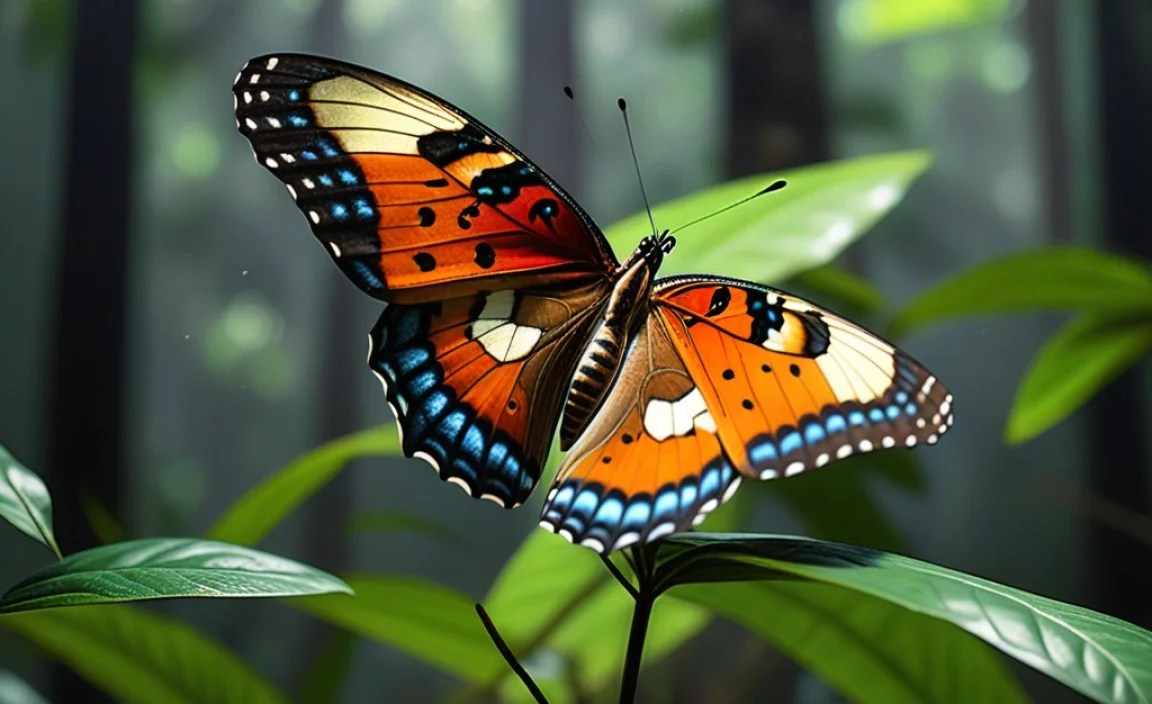
Sri Lanka’s diverse ecosystems, from lush rainforests to cloud-kissed mountains, provide a haven for a remarkable variety of butterfly species. These delicate creatures are not only beautiful to observe but also play a crucial role in the health of the forest ecosystem.
Why are Butterflies Important?
Butterflies are more than just pretty faces! They serve as:
- Pollinators: Like bees, butterflies help to pollinate plants, ensuring the reproduction of many tree and flower species in the forest.
- Indicators of Environmental Health: Butterfly populations are sensitive to changes in their environment. A decline in butterfly numbers can signal problems like habitat loss or pesticide use.
- Food Source: Butterflies and their caterpillars are a food source for birds, reptiles, and other animals in the food chain.
Where to Find Butterflies in Sri Lankan Forests
Several locations in Sri Lanka offer excellent opportunities for butterfly watching. Here are some of the most popular:
- Sinharaja Forest Reserve: A UNESCO World Heritage Site, Sinharaja is a primary rainforest with incredible biodiversity, including a wide variety of butterfly species.
- Knuckles Mountain Range: This range offers diverse habitats, from cloud forests to grasslands, supporting a rich butterfly fauna.
- Horton Plains National Park: While known for its stunning landscapes, Horton Plains also hosts several butterfly species adapted to higher altitudes.
- Yala National Park: Although famous for its leopards, Yala also boasts a diverse butterfly population, particularly in its forested areas.
- Riverston Gap: Part of the Knuckles Mountain Range, this area is renowned for its scenic beauty and butterfly diversity.
Identifying Common Butterfly Species
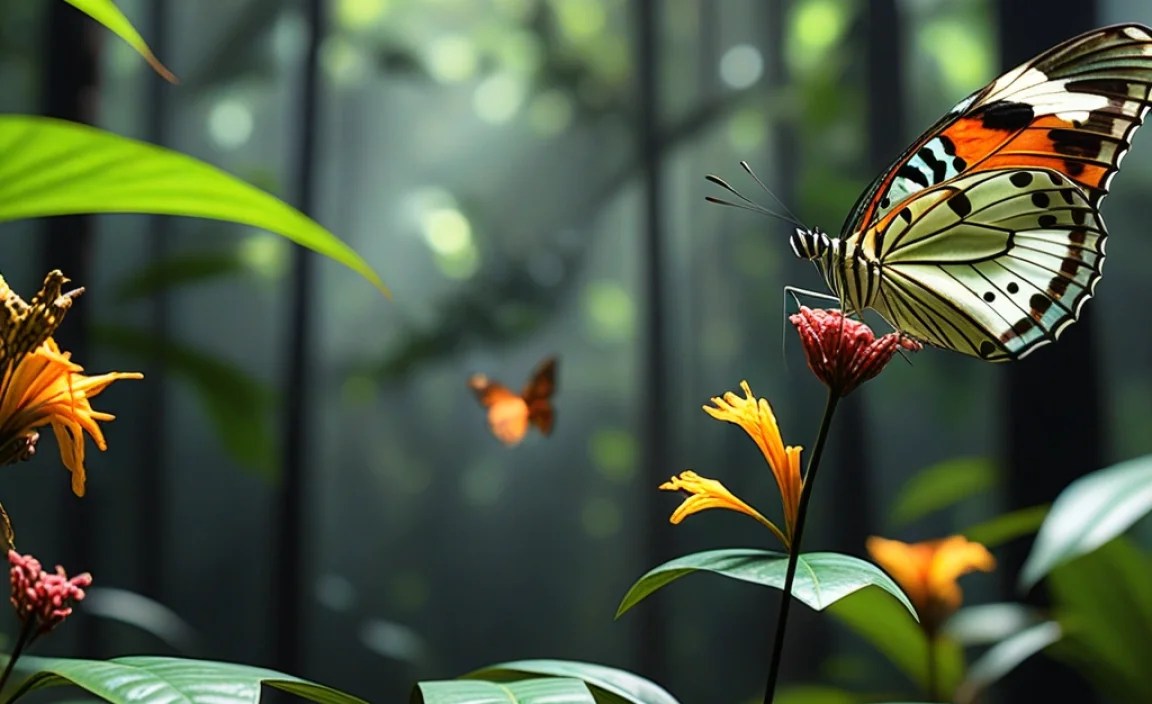
Sri Lanka is home to over 240 butterfly species, many of which are endemic, meaning they are found nowhere else in the world. Here are a few of the most commonly seen and fascinating species:
Common Birdwing (Troides darsius)
The Common Birdwing is Sri Lanka’s largest butterfly and one of the most spectacular. Here’s what makes it special:
- Size: Wingspan can reach up to 19 cm (7.5 inches).
- Appearance: Males have velvety black wings with bright yellow hindwings. Females have a similar pattern but are generally larger and less vibrant.
- Habitat: Found in forests and gardens throughout Sri Lanka.
- Fun Fact: The Common Birdwing is protected by law in Sri Lanka.
Ceylon Rose (Pachliopta jophon)
The Ceylon Rose is a striking butterfly with a distinctive red body. Here’s what to look for:
- Appearance: Black wings with prominent red markings on the body and hindwings.
- Habitat: Found in wet zone forests of Sri Lanka.
- Host Plant: Larvae feed on plants of the Aristolochia family, which contain toxins that make the butterfly unpalatable to predators.
- Conservation Status: Considered vulnerable due to habitat loss.
Blue Mormon (Papilio polymnestor)
The Blue Mormon is a large, beautiful butterfly with iridescent blue markings. Key features include:
- Appearance: Predominantly black wings with striking blue scales, especially on the hindwings.
- Habitat: Found in forests and gardens throughout Sri Lanka.
- Flight: Strong and graceful flight pattern.
- Significance: It is the state butterfly of Maharashtra, India, highlighting its regional importance.
Common Jezebel (Delias eucharis)
The Common Jezebel is a brightly colored butterfly that is easy to spot. Look for these characteristics:
- Appearance: White or yellow wings with a distinctive red and black pattern on the underside.
- Habitat: Found in forests, gardens, and open areas throughout Sri Lanka.
- Warning Coloration: The bright colors warn predators that the butterfly is distasteful.
Lemon Emigrant (Catopsilia pomona)
This butterfly is known for its migratory behavior and vibrant colors:
- Appearance: Typically lemon-yellow but can also be white or orange.
- Habitat: Commonly found in gardens, open woodland, and cultivated areas.
- Migration: Known to migrate in large numbers.
Sri Lankan Tree Nymph (Idea iasonia)
This species is endemic to Sri Lanka and stands out with its large size and distinctive markings:
- Appearance: Large, white butterfly with black veins and spots.
- Habitat: Found in rainforests and dense woodlands.
- Flight: Floats gracefully, resembling a leaf falling from a tree.
To help you remember these butterflies, here’s a table summarizing their key features:
| Butterfly Species | Appearance | Habitat | Interesting Fact |
|---|---|---|---|
| Common Birdwing (Troides darsius) | Black wings with yellow hindwings | Forests and gardens | Largest butterfly in Sri Lanka |
| Ceylon Rose (Pachliopta jophon) | Black wings with red markings | Wet zone forests | Larvae feed on toxic plants |
| Blue Mormon (Papilio polymnestor) | Black wings with iridescent blue scales | Forests and gardens | State butterfly of Maharashtra, India |
| Common Jezebel (Delias eucharis) | White/yellow wings with red and black underside | Forests and open areas | Bright colors warn predators |
| Lemon Emigrant (Catopsilia pomona) | Lemon-yellow, white, or orange | Gardens, open woodland | Known for migrating in large numbers |
| Sri Lankan Tree Nymph (Idea iasonia) | Large, white with black veins and spots | Rainforests, dense woodlands | Floats gracefully |
Essential Tips for Butterfly Watching

To make the most of your butterfly-watching experience in Sri Lankan forests, keep these tips in mind:
- Timing: The best time to see butterflies is during the dry season (December to March) when the weather is sunny and warm.
- Location: Focus on areas with abundant flowering plants, as these attract butterflies.
- Gear: Bring binoculars for close-up viewing, a camera to capture your sightings, and a field guide to help with identification.
- Clothing: Wear lightweight, neutral-colored clothing to blend in with the environment.
- Patience: Butterfly watching requires patience. Sit quietly and observe, and you’ll be rewarded with amazing sightings.
Understanding Butterfly Behavior
Observing butterfly behavior can be just as fascinating as identifying different species. Here are a few things to look for:
- Nectaring: Butterflies feed on nectar from flowers using their long, straw-like proboscis.
- Basking: Butterflies often bask in the sun to warm their bodies, especially in the early morning.
- Puddling: Male butterflies gather at puddles or damp soil to extract minerals and salts, which they use for reproduction.
- Courtship: Watch for elaborate courtship displays, where males attract females with aerial dances and pheromones.
The Butterfly Life Cycle
Understanding the butterfly life cycle can enhance your appreciation for these insects. The life cycle consists of four stages:
- Egg: Butterflies lay their eggs on specific host plants, which will serve as food for the larvae.
- Larva (Caterpillar): The caterpillar feeds voraciously, growing rapidly and molting its skin several times.
- Pupa (Chrysalis): The caterpillar transforms into a pupa, inside which the butterfly develops.
- Adult: The adult butterfly emerges from the pupa, ready to reproduce and continue the cycle.
Here’s a simple table to illustrate the butterfly life cycle:
| Stage | Description | Duration |
|---|---|---|
| Egg | Laid on host plant | 3-7 days |
| Larva (Caterpillar) | Feeding and growing | 2-4 weeks |
| Pupa (Chrysalis) | Transformation inside pupa | 1-2 weeks |
| Adult | Reproduction and dispersal | 2-6 weeks |
Threats to Butterflies and Conservation Efforts
Unfortunately, many butterfly species in Sri Lanka are facing threats due to habitat loss, pesticide use, and climate change. Forests are being cleared for agriculture and development, reducing the available habitat for butterflies and their host plants. Pesticides can directly kill butterflies and their larvae, while climate change can disrupt their life cycles and alter their habitats.
Several organizations and individuals are working to protect butterflies and their habitats in Sri Lanka. These efforts include:
- Habitat Conservation: Protecting and restoring forests and other natural habitats.
- Sustainable Agriculture: Promoting farming practices that reduce pesticide use and protect biodiversity.
- Butterfly Gardening: Encouraging people to plant butterfly-friendly gardens with native host plants and nectar sources.
- Research and Monitoring: Studying butterfly populations and their habitats to better understand their needs and threats.
- Education and Awareness: Raising awareness about the importance of butterflies and the need to protect them.
How You Can Help Butterflies in Sri Lankan Forests
You can play a role in protecting butterflies and their habitats, even from afar! Here are a few things you can do:
- Support Conservation Organizations: Donate to organizations working to protect butterflies and their habitats in Sri Lanka.
- Practice Sustainable Tourism: When visiting Sri Lanka, choose eco-friendly accommodations and tour operators that support conservation efforts.
- Reduce Your Carbon Footprint: Climate change is a major threat to butterflies. Reduce your carbon footprint by using public transportation, conserving energy, and making sustainable choices.
- Educate Others: Share your knowledge and passion for butterflies with friends, family, and colleagues.
- Create a Butterfly Garden: If you have a garden, plant native host plants and nectar sources to attract butterflies.
The Cultural Significance of Butterflies
Butterflies have long held cultural significance in many societies, including Sri Lanka. They often symbolize:
- Transformation: The butterfly’s life cycle, from caterpillar to pupa to winged adult, represents transformation and rebirth.
- Beauty: Butterflies are admired for their delicate beauty and vibrant colors.
- Freedom: Their ability to fly freely symbolizes freedom and independence.
- Soul or Spirit: In some cultures, butterflies are believed to represent the soul or spirit of a person.
In Sri Lankan art and folklore, butterflies are often depicted as symbols of good luck and prosperity. They are also associated with deities and spiritual beings.
Ethical Considerations for Butterfly Photography
When photographing butterflies, it’s important to do so ethically and responsibly. Avoid disturbing or harming butterflies or their habitats. Here are a few guidelines to follow:
- Do not handle butterflies: Handling butterflies can damage their delicate wings and stress them.
- Stay on designated trails: Avoid trampling vegetation or disturbing butterfly habitats.
- Do not use flash photography: Flash can disorient butterflies and disrupt their behavior.
- Respect private property: Obtain permission before photographing butterflies on private land.
Resources for Further Exploration
Want to learn more about butterflies in Sri Lanka? Here are some useful resources:
- Field Guides: Look for field guides specifically focused on Sri Lankan butterflies.
- Websites: Explore websites like the iNaturalist to view butterfly sightings and contribute your own observations.
- Local Experts: Connect with local naturalists and butterfly experts for guided tours and information.
Frequently Asked Questions (FAQ)
Q: What is the best time of year to see butterflies in Sri Lankan forests?
A: The dry season, from December to March, is generally the best time to see butterflies. The weather is sunny and warm, and many plants are in bloom, attracting butterflies.
Q: Where are the best places to go butterfly watching in Sri Lanka?
A: Sinharaja Forest Reserve, Knuckles Mountain Range, Horton Plains National Park, Yala National Park, and Riverston Gap are all excellent locations for butterfly watching.
Q: What should I bring with me when butterfly watching?
A: Bring binoculars, a camera, a field guide, lightweight neutral-colored clothing, water, and sunscreen.
Q: Are there any endangered butterfly species in Sri Lanka?
A: Yes, several butterfly species in Sri Lanka are considered endangered or vulnerable due to habitat loss and other threats. The Ceylon Rose is one example.
Q: How can I attract butterflies to my garden?
A: Plant native host plants and nectar sources in your garden. Avoid using pesticides, and provide a shallow dish of water for butterflies to drink from.
Q: What is a host plant?
A: A host plant is a specific plant species that a butterfly larva (caterpillar) feeds on. Different butterfly species have different host plant preferences.
Q: What is puddling behavior in butterflies?
A: Puddling is when male butterflies gather at puddles or damp soil to extract minerals and salts, which they use for reproduction. It is a fascinating behavior to observe.
Conclusion: A World of Winged Wonders
Exploring the world of butterflies in Sri Lankan forests is an enriching experience that connects you with nature’s beauty and complexity. By learning about these delicate creatures, their habitats, and the threats they face, you can become a part of the effort to protect them. Whether you’re a seasoned naturalist or a curious beginner, there’s always something new to discover in the enchanting realm of butterflies.
Remember to tread lightly, observe with respect, and share your passion for butterflies with others. Together, we can ensure that these winged wonders continue to grace the forests of Sri Lanka for generations to come.


