
Documentary About Glasswing Butterfly: See-Through Secret

The glasswing butterfly, with its incredible transparent wings, is a subject of fascination. While there isn’t one single, definitive “documentary about glasswing butterfly,” many nature documentaries and online videos feature this amazing creature. These films explore their unique camouflage, habitats in Central and South American rainforests, and their vital role in the ecosystem.
Have you ever wondered how a butterfly can seemingly disappear right before your eyes? The glasswing butterfly holds the secret! These enchanting insects possess wings so transparent, they blend seamlessly into their rainforest surroundings. Understanding their biology and ecological significance can feel overwhelming, but don’t worry! This guide will walk you through everything you need to know about glasswing butterflies and where to find them in nature documentaries. Get ready to uncover the secrets of this living jewel and appreciate its delicate beauty.
Unveiling the Secrets of the Glasswing Butterfly

The glasswing butterfly (Greta oto) is a marvel of nature, primarily found in the rainforests of Central and South America. Its most striking feature, of course, is its transparent wings. Unlike most butterflies, the tissue between the veins of its wings lacks the colorful scales that give other species their vibrant patterns. This transparency is an evolutionary adaptation that helps the butterfly camouflage itself, making it harder for predators to spot.
Why Study Glasswing Butterflies?
Studying glasswing butterflies is important for several reasons:
- Understanding Camouflage: Their transparency provides insights into advanced camouflage techniques in nature.
- Ecological Role: They play a role in their ecosystems as pollinators and as a food source for other animals.
- Conservation: Like many rainforest species, they are threatened by habitat loss, making their study crucial for conservation efforts.
Where to Find Glasswing Butterflies in Documentaries
While a documentary dedicated solely to the glasswing butterfly might be rare, they are often featured in broader nature documentaries about rainforests and insects. Here are some places to look:
- BBC Nature Documentaries: Series like “Planet Earth” and “Life” often showcase unique insects and their adaptations.
- National Geographic Documentaries: Known for their stunning visuals and in-depth exploration of the natural world.
- PBS Nature: This series frequently features episodes on rainforest ecosystems.
- Online Video Platforms: YouTube and Vimeo host numerous shorter documentaries and clips about butterflies and rainforest wildlife.
Step-by-Step Guide to Finding Glasswing Butterfly Footage

Finding footage of glasswing butterflies in documentaries requires a bit of searching. Here’s a step-by-step guide to help you:
Step 1: Identify Relevant Documentaries
Start by identifying documentaries that focus on rainforests, insects, or camouflage. Documentaries about Costa Rica, Panama, or the Amazon rainforest are good starting points.
Step 2: Search Online Databases
Use online databases like IMDb or the websites of major documentary producers (BBC, National Geographic, PBS) to search for documentaries with keywords like “butterfly,” “insect,” “rainforest,” “camouflage,” or “Costa Rica.”
Step 3: Watch Trailers and Clips
Once you’ve identified potential documentaries, watch their trailers and clips. Many trailers highlight the most visually stunning or interesting aspects of the documentary, so you might spot a glasswing butterfly.
Step 4: Read Reviews and Descriptions
Read reviews and descriptions of the documentaries. Sometimes, reviewers will mention specific species or scenes that feature prominently in the film.
Step 5: Stream or Rent the Documentary
If you find a promising documentary, stream it on platforms like Netflix, Amazon Prime Video, or Disney+. Alternatively, you can rent it from online services or purchase a physical copy.
Step 6: Use Specific Search Terms
When searching within a documentary (if available), use specific search terms like “glasswing,” “transparent wing,” or “Greta oto” to quickly locate relevant segments.
Key Features to Look For in Glasswing Butterfly Documentaries

When watching documentaries, keep an eye out for these features that are commonly highlighted when glasswing butterflies are featured:
- Transparency of Wings: Close-up shots showcasing the unique transparent structure of their wings.
- Camouflage Behavior: Footage of glasswing butterflies blending into their surroundings, demonstrating their camouflage.
- Habitat: Scenes of their natural habitat in Central and South American rainforests.
- Life Cycle: Segments on their life cycle, including their caterpillar stage and metamorphosis.
- Ecological Role: Explanations of their role as pollinators and their interactions with other species.
Understanding the Glasswing Butterfly’s Biology
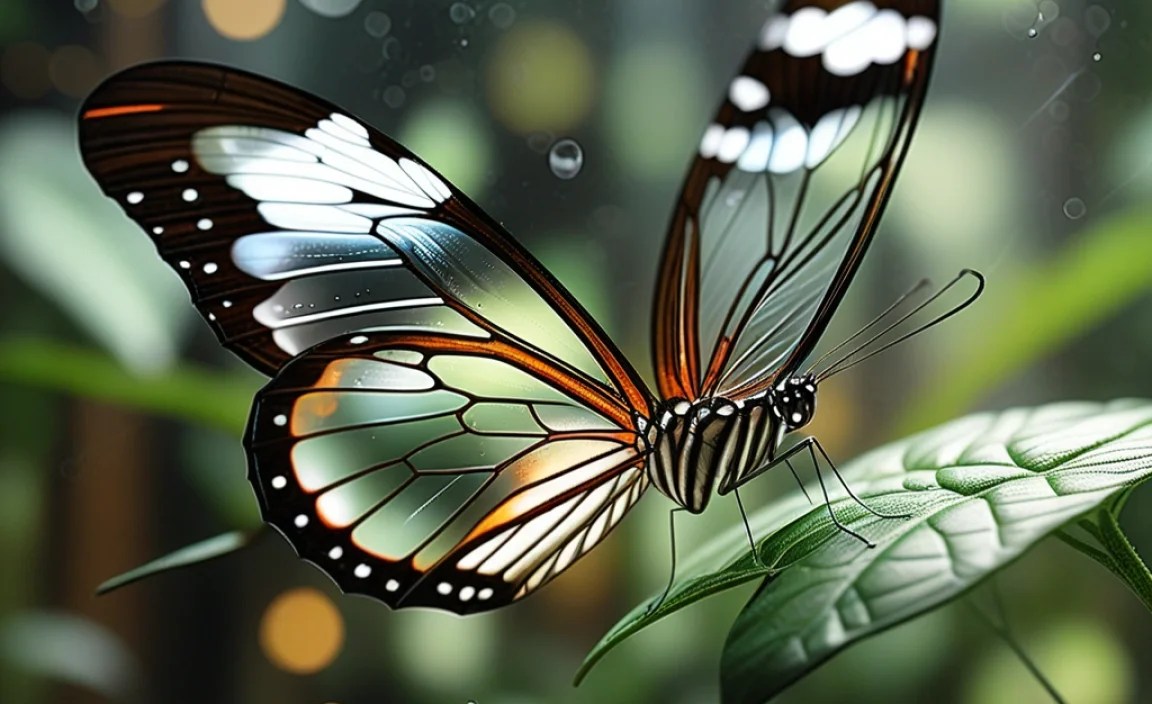
The glasswing butterfly’s unique characteristics make it a fascinating subject of study. Let’s delve into some key aspects of its biology.
Wing Structure
The transparency of the glasswing butterfly’s wings is due to several factors:
- Lack of Scales: Unlike most butterflies, the glasswing has very few scales on its wings. Scales are the tiny, colorful structures that give butterfly wings their color and pattern.
- Nanostructures: The scales that are present have nanostructures that reduce light reflection, further enhancing transparency.
- Arrangement of Veins: The arrangement and structure of the veins in the wings also contribute to their transparency.
Camouflage
The transparent wings serve as an effective camouflage strategy. By allowing light to pass through, the butterfly blends into its background, making it difficult for predators to detect. This is particularly useful in the dappled light of the rainforest understory.
Diet and Habitat
Glasswing butterflies primarily feed on nectar from various rainforest plants. Their habitat is limited to the tropical rainforests of Central and South America, from Mexico to Panama and south to Colombia and Venezuela.
Life Cycle
The life cycle of the glasswing butterfly is similar to that of other butterflies, consisting of four stages:
- Egg: The female lays small, translucent eggs on host plants.
- Larva (Caterpillar): The caterpillar feeds on specific host plants, accumulating toxins that make it unpalatable to predators.
- Pupa (Chrysalis): The caterpillar forms a chrysalis, inside which it undergoes metamorphosis.
- Adult: The adult butterfly emerges from the chrysalis, ready to reproduce.
Glasswing Butterfly Conservation Status
Like many rainforest species, glasswing butterflies face threats from habitat loss due to deforestation. Conservation efforts are crucial to protect their populations. These efforts include:
- Habitat Preservation: Protecting rainforest habitats from deforestation and degradation.
- Sustainable Agriculture: Promoting agricultural practices that minimize impact on rainforest ecosystems.
- Ecotourism: Encouraging responsible tourism that supports local communities and conservation efforts.
- Education: Raising awareness about the importance of rainforest conservation and the role of species like the glasswing butterfly.
Table: Glasswing Butterfly Facts
| Fact | Description |
|---|---|
| Scientific Name | Greta oto |
| Common Name | Glasswing Butterfly |
| Habitat | Rainforests of Central and South America |
| Wingspan | 5.6 to 6.1 cm (2.2 to 2.4 inches) |
| Diet | Nectar from rainforest plants |
| Conservation Status | Not currently endangered, but threatened by habitat loss |
| Unique Feature | Transparent wings due to lack of scales and nanostructures |
Glasswing Butterfly Symbolism and Cultural Significance
Beyond their scientific interest, glasswing butterflies also hold symbolic and cultural significance in some communities.
Symbolism
The glasswing butterfly’s transparency can symbolize:
- Clarity: The ability to see through illusions and perceive the truth.
- Adaptability: The capacity to blend into different environments and situations.
- Transformation: The butterfly’s life cycle represents change and renewal.
- Delicacy: Their fragile appearance underscores the importance of protecting delicate ecosystems.
Cultural Significance
In some cultures, butterflies are seen as symbols of the soul or spirits of the deceased. The glasswing butterfly’s unique appearance may add another layer to this symbolism, representing a connection to the unseen world.
Attracting Butterflies to Your Garden
While you may not be able to attract glasswing butterflies outside of their native range, you can create a butterfly-friendly garden that supports local butterfly populations. Here are some tips:
Plant Nectar-Rich Flowers
Choose a variety of flowers that provide nectar throughout the butterfly season. Some good options include:
- Butterfly Bush (Buddleja davidii): A popular choice for attracting butterflies.
- Zinnia (Zinnia elegans): Available in a variety of colors and easy to grow.
- Lantana (Lantana camara): Provides a long-lasting source of nectar.
- Purple Coneflower (Echinacea purpurea): A native plant that attracts many pollinators.
Provide Host Plants
Butterflies need specific host plants for their caterpillars to feed on. Research which butterfly species are native to your area and plant their host plants. For example, milkweed (Asclepias) is the host plant for monarch butterflies.
Offer a Water Source
Butterflies need water, but they can’t drink from open water sources like ponds or bird baths. Instead, provide a shallow dish with wet sand or pebbles where they can safely drink.
Avoid Pesticides
Pesticides can harm or kill butterflies and other beneficial insects. Avoid using pesticides in your garden, or choose organic options that are less harmful.
Provide Shelter
Butterflies need shelter from wind and rain. Plant trees and shrubs to provide them with protected areas.
Table: Butterfly Garden Plants
| Plant Name | Type | Attracts | Notes |
|---|---|---|---|
| Butterfly Bush (Buddleja davidii) | Shrub | Many butterfly species | Choose non-invasive varieties |
| Zinnia (Zinnia elegans) | Annual Flower | Monarchs, Swallowtails | Easy to grow from seed |
| Milkweed (Asclepias) | Perennial Flower | Monarchs (host plant) | Essential for monarch conservation |
| Lantana (Lantana camara) | Perennial Flower | Various butterflies | Prefers warm climates |
| Purple Coneflower (Echinacea purpurea) | Perennial Flower | Bees and Butterflies | Native to North America |
Resources for Further Learning
To deepen your understanding of glasswing butterflies and butterfly conservation, consider these resources:
- The Xerces Society: A non-profit organization dedicated to invertebrate conservation. Xerces Society
- National Wildlife Federation: Provides information on creating butterfly gardens and supporting pollinators. National Wildlife Federation
- Smithsonian Institution: Offers educational resources on butterflies and other insects. Smithsonian Institution
FAQ About Glasswing Butterflies
Here are some frequently asked questions about glasswing butterflies:
What makes glasswing butterflies’ wings transparent?
Their wings are transparent because they lack the dense scales that give other butterflies their color. The scales they do have possess nanostructures that minimize light reflection.
Where do glasswing butterflies live?
They live in the rainforests of Central and South America, from Mexico to Panama and south to Colombia and Venezuela.
What do glasswing butterfly caterpillars eat?
Glasswing butterfly caterpillars feed on specific host plants, often those in the Solanaceae family (nightshades). These plants contain toxins that the caterpillars sequester, making them unpalatable to predators.
Are glasswing butterflies endangered?
While not currently classified as endangered, glasswing butterflies are threatened by habitat loss due to deforestation.
How can I help protect glasswing butterflies?
You can support conservation efforts by donating to organizations that protect rainforests, promoting sustainable agriculture, and raising awareness about the importance of biodiversity.
Do glasswing butterflies migrate?
Glasswing butterflies are not known to undertake long migrations like monarch butterflies. They typically stay within their rainforest habitats.
Can I raise glasswing butterflies at home?
Raising glasswing butterflies at home is challenging due to their specific habitat and dietary requirements. It’s best to support conservation efforts that protect their natural environment.
Conclusion
The glasswing butterfly is a testament to the incredible diversity and ingenuity of nature. Its transparent wings are not only a marvel of evolution but also a reminder of the delicate balance of rainforest ecosystems. While finding a dedicated “documentary about glasswing butterfly” might require some searching, the effort is well worth it. By exploring nature documentaries, supporting conservation efforts, and learning about their unique biology, we can all play a part in ensuring that these enchanting creatures continue to grace our planet for generations to come. So, go forth, explore, and let the glasswing butterfly inspire you to appreciate the hidden wonders of the natural world!


