Butterfly Identification App: The Easiest Way!

Quick Summary: Need help identifying a butterfly? A butterfly identification app can turn your smartphone into a powerful tool! These apps use image recognition and expert databases to identify butterflies from photos you take. Simply snap a picture, upload it to the app, and get instant results. Many apps also offer detailed information about butterfly habitats, life cycles, and conservation status, making learning fun and easy!
Have you ever been strolling through a garden, spotted a stunning butterfly, and wondered what kind it was? It’s a common experience for nature lovers! Identifying butterflies can seem tricky, especially with so many different species. But don’t worry, there’s a simple solution right at your fingertips. Butterfly identification apps are here to help! They make it easy to learn about the butterflies around you, right from your smartphone. Ready to become a butterfly expert? Let’s explore the world of butterfly identification apps!
What is a Butterfly Identification App?

A butterfly identification app is a mobile application designed to help you identify butterfly species using your smartphone or tablet. These apps typically use a combination of image recognition technology, expert databases, and user-friendly interfaces to provide accurate and detailed information about butterflies. Think of it as having a pocket-sized butterfly expert with you wherever you go!
How Do Butterfly Identification Apps Work?
Most butterfly identification apps work in a similar way:
- Take a Photo: You use your smartphone’s camera to take a picture of the butterfly you want to identify.
- Upload the Photo: You upload the photo to the app.
- Image Recognition: The app uses image recognition technology to analyze the photo and compare it to its database of butterfly images.
- Identification: The app identifies the most likely butterfly species and provides you with information about it.
Top Butterfly Identification Apps

Here are some of the most popular and highly-rated butterfly identification apps available:
- Picture Insect: Known for its accurate identification and extensive database.
- iNaturalist: A community-based app that combines image recognition with expert verification.
- Seek by iNaturalist: A kid-friendly version of iNaturalist that gamifies the identification process.
- Butterfly Identification: A simple and straightforward app focused solely on butterfly identification.
- Leps by Fieldguide: A comprehensive app covering butterflies and moths of North America.
Picture Insect
Picture Insect stands out with its user-friendly interface and impressive accuracy. It uses advanced image recognition technology to quickly identify butterflies from photos. The app also provides detailed information about each species, including its habitat, behavior, and life cycle.
Pros:
- Highly accurate identification
- Extensive database of butterfly species
- User-friendly interface
- Detailed information about each species
Cons:
- Requires a subscription for full access
- Can be slow to identify butterflies in poor lighting conditions
iNaturalist
iNaturalist is a community-based app developed by the California Academy of Sciences and the National Geographic Society. It combines image recognition with expert verification, making it a reliable tool for identifying butterflies and other wildlife. When you upload a photo, the app suggests possible identifications, and other users can confirm or correct these suggestions.
Pros:
- Free to use
- Community-based verification for accuracy
- Large database of butterfly species
- Contributes to scientific research
Cons:
- Identification may take longer due to community verification
- Accuracy depends on the quality of the photo and the expertise of the community
Seek by iNaturalist
Seek by iNaturalist is a kid-friendly version of the iNaturalist app. It uses image recognition to identify butterflies and other wildlife, and it gamifies the identification process by awarding badges and challenges. This makes it a fun and educational tool for children and families.
Pros:
- Fun and engaging for kids
- Gamified identification process
- Safe to use (no personal information required)
- Free to use
Cons:
- Less detailed information than iNaturalist
- Accuracy depends on the quality of the photo
Butterfly Identification
Butterfly Identification is a simple and straightforward app that focuses solely on butterfly identification. It has a clean interface and is easy to use. Simply upload a photo, and the app will identify the most likely butterfly species.
Pros:
- Simple and easy to use
- Fast identification
- Free to use (with ads)
Cons:
- Less detailed information than other apps
- Accuracy may vary
- Contains ads
Leps by Fieldguide
Leps by Fieldguide is a comprehensive app covering butterflies and moths of North America. It includes detailed descriptions, photos, and range maps for each species. It’s designed for serious butterfly enthusiasts and researchers.
Pros:
- Extremely detailed information
- Covers both butterflies and moths
- Includes range maps
Cons:
- More expensive than other apps
- Steeper learning curve
How to Choose the Right Butterfly Identification App

With so many butterfly identification apps available, it can be tough to choose the right one. Here are some factors to consider:
- Accuracy: Look for apps with high accuracy rates.
- Database Size: Choose an app with a large database of butterfly species.
- User Interface: Opt for an app with a user-friendly interface that is easy to navigate.
- Features: Consider what features are important to you, such as detailed information, community verification, or gamified learning.
- Price: Determine your budget and choose an app that fits your needs.
Tips for Using Butterfly Identification Apps Effectively
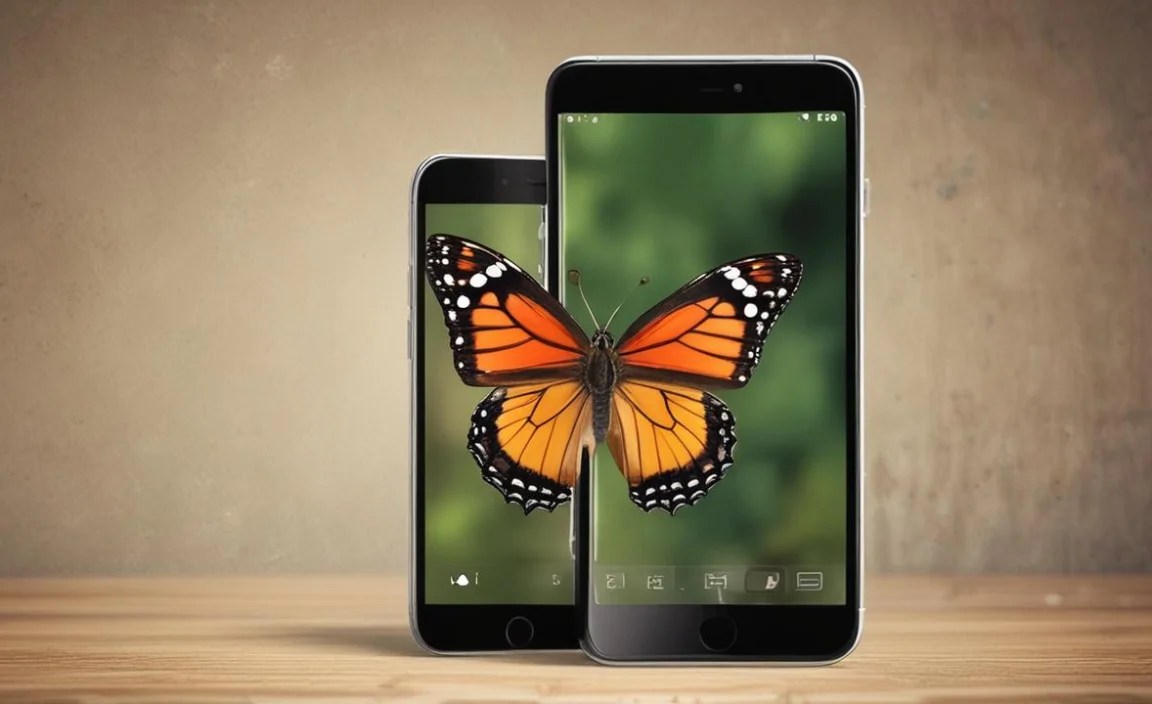
To get the most accurate results from your butterfly identification app, follow these tips:
- Take Clear Photos: Ensure your photos are in focus and well-lit.
- Capture Multiple Angles: Take photos from different angles to provide the app with more information.
- Include Identifying Features: Try to capture key identifying features, such as wing patterns and colors.
- Crop the Photo: Crop the photo to focus on the butterfly.
- Check the Habitat: Note the location and habitat where you found the butterfly, as this can help narrow down the possibilities.
Beyond Identification: What Else Can You Learn?

Butterfly identification apps can do more than just tell you the name of a butterfly. They can also provide a wealth of information about butterfly biology, ecology, and conservation.
Butterfly Biology
Learn about the life cycle of butterflies, from egg to caterpillar to pupa to adult. Discover how butterflies feed, reproduce, and migrate. Understand the unique adaptations that allow them to thrive in different environments.
Butterfly Ecology
Explore the relationships between butterflies and their environment. Learn about the plants that butterflies rely on for food and shelter. Discover how butterflies contribute to pollination and ecosystem health. Understand the threats that butterflies face, such as habitat loss and climate change.
Butterfly Conservation
Find out how you can help protect butterflies and their habitats. Learn about the importance of planting native plants, avoiding pesticides, and supporting conservation organizations. Discover ways to create butterfly-friendly gardens and promote butterfly conservation in your community.
The Ecological Importance of Butterflies
Butterflies are more than just beautiful insects. They play a vital role in the ecosystem. As pollinators, they help to fertilize plants and ensure the production of fruits, vegetables, and seeds. They also serve as an important food source for birds, bats, and other animals. Butterflies are indicators of environmental health. Their presence or absence can tell us a lot about the quality of our ecosystems.
Butterflies as Pollinators
Butterflies are important pollinators. As they feed on nectar, they transfer pollen from flower to flower, helping plants to reproduce. Many plants rely on butterflies for pollination, including some of the crops we depend on for food. According to the US Forest Service, butterflies are essential for maintaining biodiversity and healthy ecosystems.
Butterflies as Indicators of Environmental Health
Butterflies are sensitive to changes in their environment. Their populations can decline rapidly in response to habitat loss, pesticide use, and climate change. By monitoring butterfly populations, scientists can gain valuable insights into the health of our ecosystems. The Xerces Society is a leading organization dedicated to protecting butterflies and other invertebrates, and they use butterfly monitoring data to inform conservation efforts.
Creating a Butterfly-Friendly Garden
One of the best ways to help butterflies is to create a butterfly-friendly garden. By providing food, water, and shelter, you can attract butterflies to your yard and support their populations.
Plant Native Plants
Native plants are the best source of food for butterflies. Choose plants that are native to your region and that provide nectar for adult butterflies and food for caterpillars. Some popular butterfly plants include milkweed, butterfly bush, and coneflowers.
Provide Water
Butterflies need water to survive. Provide a shallow dish of water with pebbles or stones for them to land on. You can also create a butterfly puddling station by filling a shallow dish with sand and water.
Avoid Pesticides
Pesticides can be harmful to butterflies and other beneficial insects. Avoid using pesticides in your garden, or choose organic options that are less harmful.
Provide Shelter
Butterflies need shelter from the elements and predators. Plant trees, shrubs, and tall grasses to provide them with places to rest and hide.
Table: Comparing Butterfly Identification Apps
| App Name | Accuracy | Database Size | User Interface | Price |
|---|---|---|---|---|
| Picture Insect | High | Extensive | User-friendly | Subscription |
| iNaturalist | High (with verification) | Large | Moderate | Free |
| Seek by iNaturalist | Moderate | Moderate | Kid-friendly | Free |
| Butterfly Identification | Moderate | Moderate | Simple | Free (with ads) |
| Leps by Fieldguide | Very High | Comprehensive (North America) | Advanced | Paid |
Understanding Butterfly Migration
Butterfly migration is one of nature’s most spectacular events. Some butterfly species, like the monarch butterfly, undertake long-distance migrations to find suitable breeding grounds or overwintering sites. These migrations can span thousands of miles and involve multiple generations of butterflies.
Monarch Butterfly Migration
The monarch butterfly is famous for its incredible migration from Canada and the United States to Mexico. These butterflies travel up to 3,000 miles to reach their overwintering sites in the oyamel fir forests of central Mexico. The World Wildlife Fund works to protect monarch butterfly habitats and support their conservation.
Other Migratory Butterflies
While the monarch butterfly is the most well-known migratory butterfly, other species also undertake migrations. These include the painted lady, the cloudless sulphur, and the common buckeye. These migrations may be shorter than the monarch’s, but they are still impressive feats of navigation and endurance.
The Symbolism of Butterflies
Butterflies have long been symbols of transformation, hope, and new beginnings. Their metamorphosis from caterpillar to butterfly is a powerful metaphor for personal growth and change. In many cultures, butterflies are also associated with the soul and the afterlife.
Butterflies in Art and Literature
Butterflies have been featured in art and literature for centuries. They are often depicted as symbols of beauty, grace, and freedom. In some cultures, butterflies are believed to carry messages from the spirit world.
Butterflies in Different Cultures
The symbolism of butterflies varies across different cultures. In some cultures, they are seen as symbols of good luck, while in others they are associated with death and mourning. Understanding the cultural significance of butterflies can deepen our appreciation for these fascinating creatures.
FAQ About Butterfly Identification Apps
1. Are butterfly identification apps accurate?
Yes, many butterfly identification apps are quite accurate, especially those that use advanced image recognition technology and community verification. However, accuracy can depend on the quality of the photo and the app’s database.
2. Do I need to pay for a butterfly identification app?
Some butterfly identification apps are free, while others require a subscription or a one-time purchase. Free apps may have limited features or contain ads. Paid apps often offer more accurate identification and detailed information.
3. Can I use a butterfly identification app offline?
Some butterfly identification apps can be used offline, but many require an internet connection to access their databases and image recognition technology. Check the app’s features before downloading if offline use is important to you.
4. How do I take a good photo for butterfly identification?
To take a good photo for butterfly identification, make sure the photo is in focus and well-lit. Try to capture multiple angles and include key identifying features, such as wing patterns and colors. Crop the photo to focus on the butterfly.
5. Are butterfly identification apps suitable for kids?
Yes, there are several butterfly identification apps that are suitable for kids, such as Seek by iNaturalist. These apps often gamify the identification process and provide a safe and engaging learning experience.
6. What if the app identifies the wrong butterfly?
If you think the app has identified the wrong butterfly, you can try taking another photo or consulting a field guide. You can also submit the photo to a community-based app like iNaturalist for expert verification.
7. Can these apps identify caterpillars too?
Some butterfly identification apps can identify caterpillars, but not all. Apps like iNaturalist, which rely on community input, may be more helpful for caterpillar identification. Consider using a dedicated caterpillar identification guide if needed.
Conclusion
Butterfly identification apps are a fantastic tool for anyone interested in learning more about these beautiful creatures. They make it easy to identify butterflies, discover their biology and ecology, and contribute to their conservation. Whether you’re a seasoned naturalist or a curious beginner, a butterfly identification app can enhance your appreciation for the natural world. So, download an app today and start exploring the wonderful world of butterflies! You might just find yourself captivated by their beauty and inspired to protect them for future generations.