Butterfly Pupa Guide: The Ultimate Growing Secret

Butterfly Pupa Guide
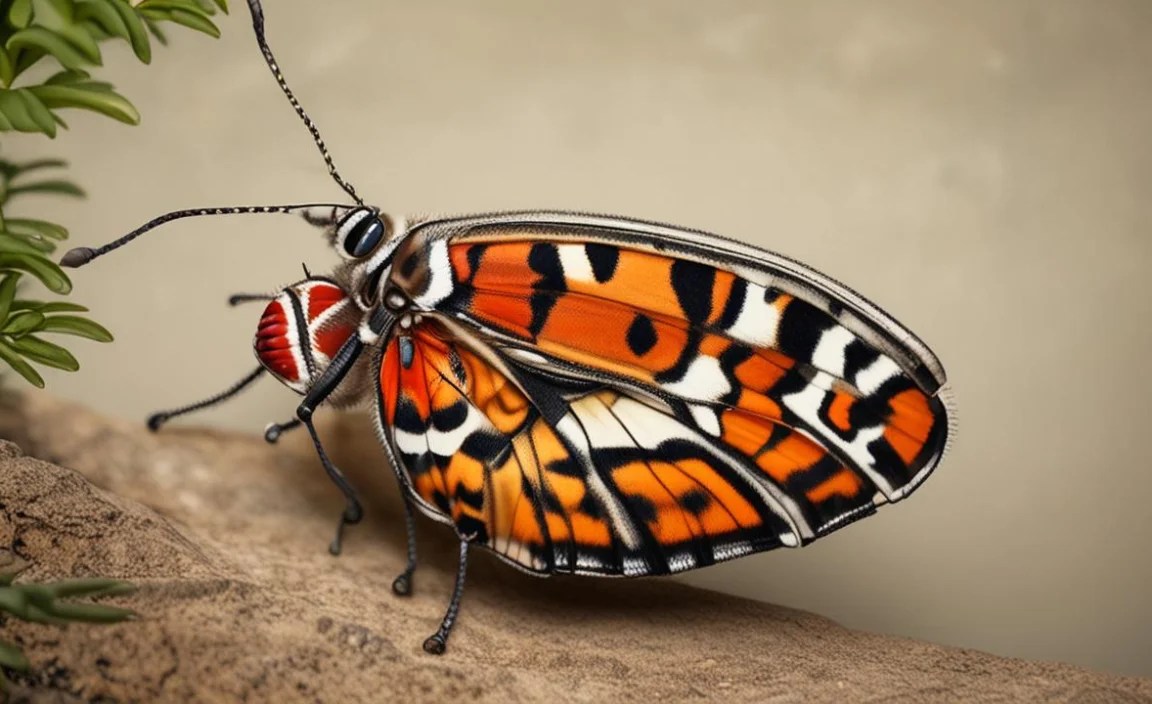
The butterfly pupa, often called a chrysalis, is the transformative stage where a caterpillar turns into a butterfly. Successfully caring for a butterfly pupa involves maintaining proper humidity, temperature, and a safe environment, free from predators or disturbances. Observe without touching, and soon you’ll witness the magic of metamorphosis!
Have you ever watched a caterpillar munching on leaves and wondered how it becomes a beautiful butterfly? The secret lies in the pupa stage, also known as the chrysalis. This is where the real magic happens! Sometimes, though, it can be a little nerve-wracking to know exactly how to care for a pupa. Are you keeping it too wet or too dry? Is it safe from harm?
Don’t worry! This guide will walk you through each step to ensure your butterfly pupa thrives. We’ll cover everything from creating the ideal environment to recognizing potential problems. Get ready to witness one of nature’s most amazing transformations!
Understanding the Butterfly Pupa Stage
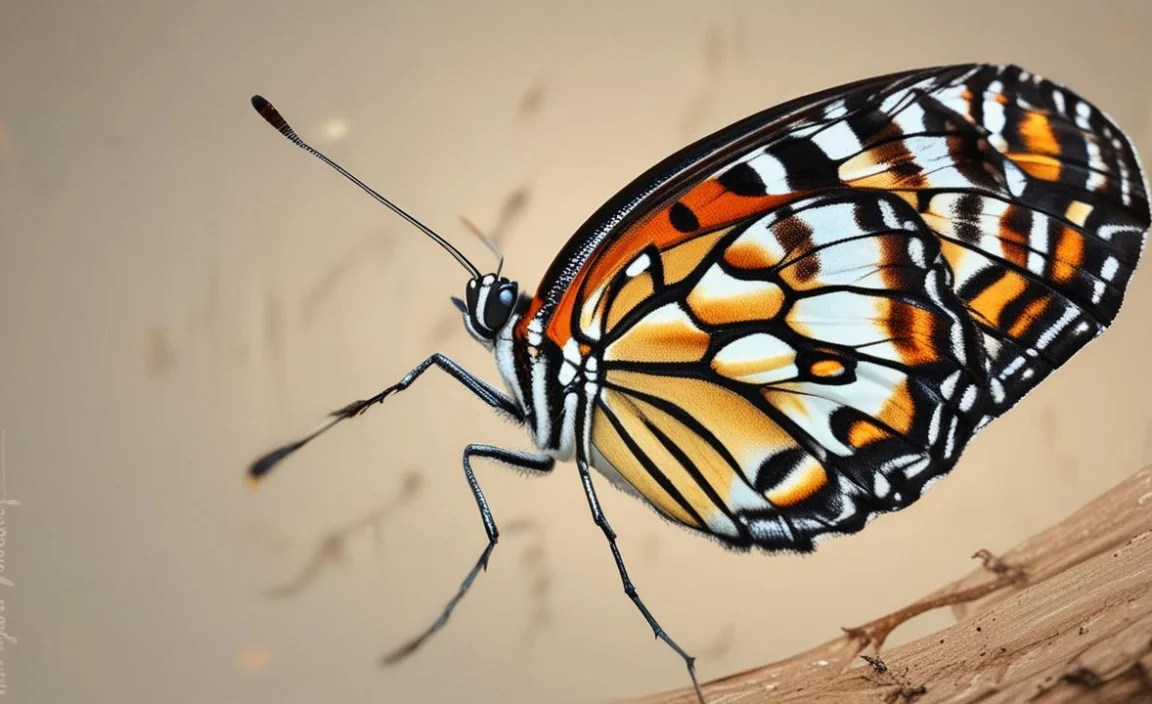
The pupa stage is a crucial part of a butterfly’s life cycle. It’s a period of intense transformation where the caterpillar’s body breaks down and reorganizes into the form of a butterfly. Let’s dive deeper into what makes this stage so fascinating.
What is a Pupa?
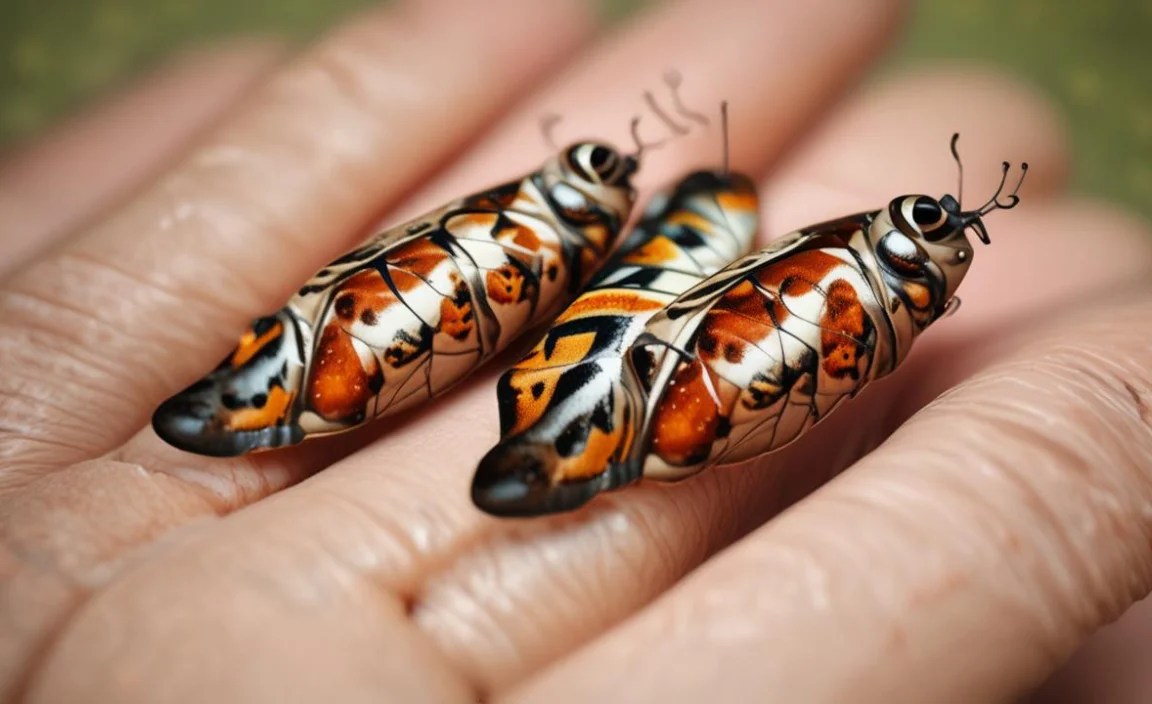
The pupa is the third stage in the butterfly’s life cycle, following the larva (caterpillar) stage. It’s often referred to as a chrysalis, which is the hard, protective outer layer that forms around the pupa. Inside this shell, the caterpillar undergoes metamorphosis.
The Metamorphosis Process
Metamorphosis is the biological process where a caterpillar transforms into a butterfly. During this process, special cells called imaginal discs begin to form the different parts of the butterfly, such as wings, legs, and antennae. The caterpillar’s tissues break down, and these imaginal discs use the building blocks to create the new structures. This complex process usually takes anywhere from a few weeks to a couple of months, depending on the butterfly species.
According to a study by the Smithsonian Institution, the metamorphosis process is one of the most remarkable transformations in the natural world, involving complex genetic and hormonal changes.
Types of Pupae
Butterfly pupae come in various shapes, sizes, and colors, depending on the species. Some are camouflaged to blend in with their surroundings, while others have bright colors or patterns to ward off predators. Here are a few examples:
- Swallowtail pupae: Often green or brown, resembling leaves or twigs.
- Monarch pupae: Bright green with gold dots, creating a striking appearance.
- Painted Lady pupae: Mottled brown and gray, blending in with bark or other surfaces.
Creating the Ideal Environment for a Butterfly Pupa

To ensure a successful metamorphosis, it’s essential to create the right environment for your butterfly pupa. This involves controlling temperature, humidity, and providing a safe, clean space.
Temperature
Most butterfly pupae thrive in temperatures between 68°F and 77°F (20°C and 25°C). Avoid exposing the pupa to extreme temperatures, as this can disrupt the metamorphosis process. If you’re keeping the pupa indoors, a room with stable temperature is ideal.
Humidity
Humidity is crucial for preventing the pupa from drying out. Aim for a humidity level between 50% and 70%. You can maintain this by gently misting the pupa with water once or twice a day. Be careful not to over-mist, as excessive moisture can lead to mold growth. A small humidifier can also help maintain consistent humidity levels.
Ventilation
Good ventilation is important to prevent the buildup of mold and bacteria. Make sure the pupa is in an area with gentle airflow. Avoid placing it in a sealed container, as this can trap moisture and create a stagnant environment.
Protection from Predators
Butterfly pupae are vulnerable to predators such as birds, insects, and spiders. If you’re keeping the pupa outdoors, protect it by placing it in a mesh cage or enclosure. Indoors, ensure the pupa is away from pets or other potential threats.
Step-by-Step Guide to Caring for a Butterfly Pupa

Now that you understand the basics of pupa care, let’s go through a detailed step-by-step guide to help you successfully raise a butterfly.
Step 1: Obtaining a Butterfly Pupa
There are several ways to obtain a butterfly pupa:
- Raise caterpillars: Collect caterpillars from your garden or purchase them from a reputable supplier. Provide them with their host plant and care for them until they pupate.
- Purchase pupae: You can buy butterfly pupae from butterfly farms or online retailers. Ensure the pupae are healthy and from a reliable source.
- Find them in nature: If you’re lucky, you may find a butterfly pupa in your garden or local park. Be careful when handling it, and try to identify the species before moving it.
Step 2: Setting Up the Pupa’s Environment
Once you have your pupa, it’s time to set up its environment. Here’s what you’ll need:
- A container: A clear plastic container or mesh cage works well. Make sure it’s large enough to accommodate the pupa and the emerging butterfly.
- Paper towels: Line the bottom of the container with paper towels to absorb excess moisture.
- A perch: Provide a small branch or twig for the butterfly to climb on after it emerges.
- Water sprayer: Use a water sprayer to mist the pupa and maintain humidity.
Follow these steps to set up the environment:
- Clean the container thoroughly with soap and water to remove any contaminants.
- Line the bottom of the container with paper towels.
- Place the perch in the container, ensuring it’s stable and easy for the butterfly to access.
- If the pupa is hanging, you can attach it to the top of the container using a small piece of tape or glue. Be very gentle and avoid damaging the pupa.
Step 3: Monitoring Temperature and Humidity
Regularly monitor the temperature and humidity levels in the pupa’s environment. Use a thermometer and hygrometer to track these conditions. Adjust as needed to maintain the ideal range of 68°F to 77°F and 50% to 70% humidity.
Step 4: Misting the Pupa
Mist the pupa with water once or twice a day to maintain humidity. Use a fine mist sprayer and avoid over-saturating the pupa. The goal is to keep the pupa hydrated without creating a breeding ground for mold.
Step 5: Observing the Pupa
Observe the pupa daily for any signs of change or distress. Look for changes in color, shape, or movement. These can indicate the pupa is nearing emergence or experiencing problems.
Step 6: Preparing for Emergence
As the pupa nears emergence, it may become more transparent, allowing you to see the butterfly’s wings inside. This is a sign that the butterfly will emerge soon. Make sure the perch is in place and the environment is ready for the new butterfly.
Step 7: Caring for the Newly Emerged Butterfly
Once the butterfly emerges, it will need time to dry its wings and gain strength. Do not touch the butterfly during this process. Provide it with a source of food, such as a sugar-water solution (one part sugar to four parts water) in a shallow dish with a sponge or cotton ball for the butterfly to feed on.
After a few hours, the butterfly should be ready to fly. If you plan to release it, do so in a safe, sheltered area with plenty of nectar sources. If you plan to keep it, provide it with a suitable enclosure and continue to care for it.
Troubleshooting Common Issues
Even with the best care, problems can arise during the pupa stage. Here are some common issues and how to address them:
Pupa Turning Black
A pupa turning black can indicate several issues, such as:
- Disease: Bacterial or fungal infections can cause the pupa to turn black.
- Injury: Physical damage to the pupa can lead to discoloration.
- Death: If the pupa dies, it will often turn black and shrivel up.
If you notice the pupa turning black, isolate it from other pupae to prevent the spread of disease. Unfortunately, there is often little you can do to save a pupa that has turned black. Monitor it closely and dispose of it if it becomes clear it is dead.
Pupa Drying Out
If the pupa appears dry and shriveled, it may not be getting enough humidity. Increase the frequency of misting and ensure the environment is properly humidified. You can also place a damp sponge near the pupa to increase humidity.
Mold Growth
Excessive moisture can lead to mold growth on the pupa. If you notice mold, gently wipe it away with a soft, dry cloth. Improve ventilation and reduce the frequency of misting to prevent further growth.
Pupa Falling
If the pupa falls from its attachment point, you can reattach it using a small amount of non-toxic glue or tape. Be very gentle and avoid damaging the pupa. Ensure the pupa is securely attached to prevent further falls.
Essential Tools and Supplies
Having the right tools and supplies can make caring for a butterfly pupa much easier. Here’s a list of essentials:
- Clear plastic container or mesh cage: To house the pupa and emerging butterfly.
- Paper towels: To line the bottom of the container and absorb excess moisture.
- Small branch or twig: To provide a perch for the butterfly.
- Water sprayer: To mist the pupa and maintain humidity.
- Thermometer and hygrometer: To monitor temperature and humidity levels.
- Non-toxic glue or tape: To reattach a fallen pupa.
- Magnifying glass: To observe the pupa closely for any signs of change or distress.
Butterfly Conservation
Caring for butterfly pupae is not only a rewarding experience but also contributes to butterfly conservation. Butterfly populations are declining due to habitat loss, pesticide use, and climate change. By raising butterflies, you can help increase their numbers and support local ecosystems.
The Xerces Society is a non-profit organization dedicated to protecting invertebrates and their habitats. They offer resources and guidance on butterfly conservation, including creating butterfly-friendly gardens and advocating for pollinator protection policies.
Frequently Asked Questions
What does a healthy butterfly pupa look like?
A healthy butterfly pupa should have a vibrant color (often green, brown, or a combination), a smooth surface, and a firm texture. It should not be shriveled, discolored, or have any signs of mold growth.
How long does the pupa stage last?
The pupa stage can last anywhere from a few weeks to a couple of months, depending on the butterfly species and environmental conditions. Warmer temperatures can speed up the process, while cooler temperatures can slow it down.
Can I touch the butterfly pupa?
It’s best to avoid touching the butterfly pupa as much as possible. Handling the pupa can damage its delicate outer layer and increase the risk of infection. If you need to move the pupa, do so very gently and with clean hands.
How do I know when the butterfly is about to emerge?
As the butterfly nears emergence, the pupa may become more transparent, allowing you to see the butterfly’s wings inside. The pupa may also darken or change color. These are signs that the butterfly will emerge soon.
What do I do if the butterfly emerges deformed?
Sometimes, butterflies can emerge with deformed wings or other physical problems. This can be due to genetic factors, environmental conditions, or injury during the pupa stage. If the butterfly is unable to fly or feed, it may not survive. In some cases, you can assist the butterfly by gently straightening its wings or providing it with a source of food. However, it’s important to accept that not all butterflies will survive, despite your best efforts.
What should I feed the butterfly after it emerges?
After the butterfly emerges, you can feed it a sugar-water solution (one part sugar to four parts water). Place the solution in a shallow dish with a sponge or cotton ball for the butterfly to feed on. You can also provide the butterfly with nectar-rich flowers, such as butterfly bush, zinnias, or lantana.
Can I keep the butterfly as a pet?
While it’s possible to keep a butterfly as a pet, it’s important to provide it with a suitable enclosure and care. Butterflies need plenty of space to fly, as well as access to nectar sources and sunlight. It’s also important to consider the ethical implications of keeping a wild animal in captivity. Many people choose to release their butterflies after a few days, allowing them to return to their natural habitat.
Conclusion
Caring for a butterfly pupa is a magical journey, offering a front-row seat to one of nature’s most incredible transformations. By understanding the needs of the pupa and providing the right environment, you can ensure a successful metamorphosis and contribute to butterfly conservation. From setting up the ideal habitat to troubleshooting common issues, this guide has equipped you with the knowledge and tools to nurture these delicate creatures. So, embrace the experience, observe with wonder, and enjoy the beauty of a butterfly emerging into the world. Happy butterflying!