Butterfly Reserves UK: Discover Secret Havens

Butterfly Reserves UK: Your Guide to the Best Butterfly Habitats

Discover the best butterfly reserves in the UK! These protected areas offer safe havens for butterflies, allowing you to see these beautiful insects in their natural habitats. From woodlands to meadows, each reserve offers a unique experience to observe and learn about different butterfly species. Plan your visit today and support butterfly conservation efforts!
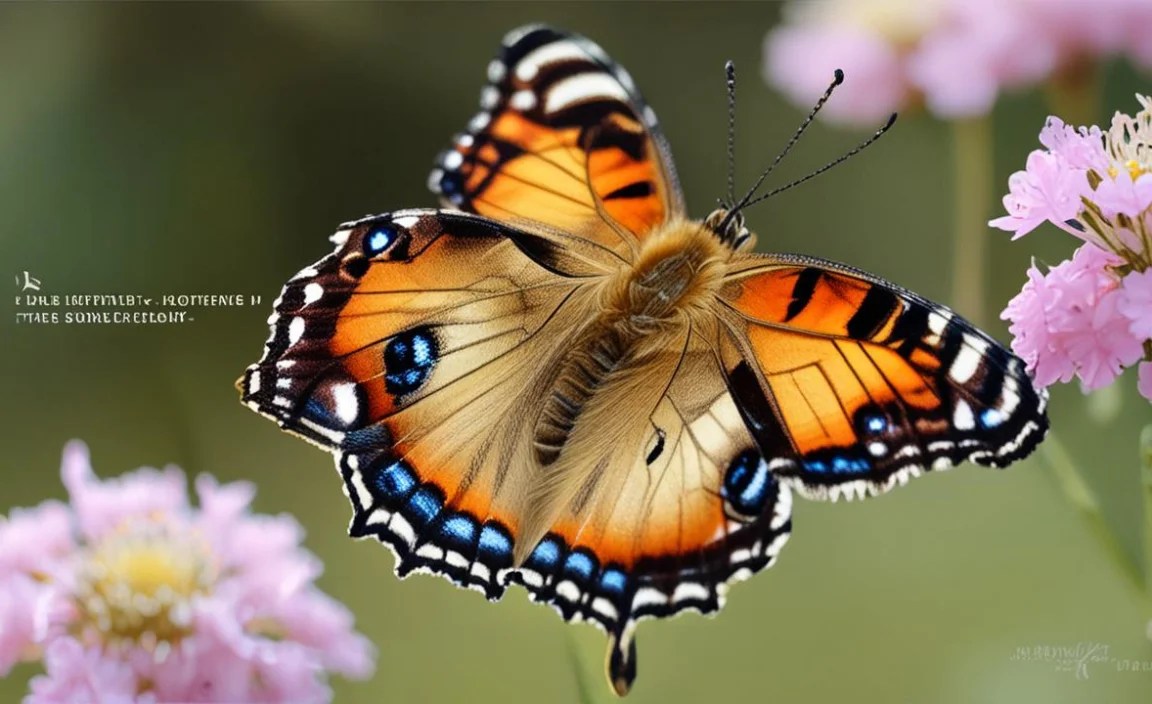
Butterflies are some of the most beautiful and delicate creatures in the UK, and seeing them flutter around is a joy. But with habitat loss and climate change, their numbers are declining. Fortunately, butterfly reserves are helping to protect these amazing insects. They offer a safe place for butterflies to live, breed, and thrive. If you want to see butterflies up close and support conservation, visiting a butterfly reserve is the perfect way to do it. Let’s explore some of the best butterfly reserves the UK has to offer!
What are Butterfly Reserves?
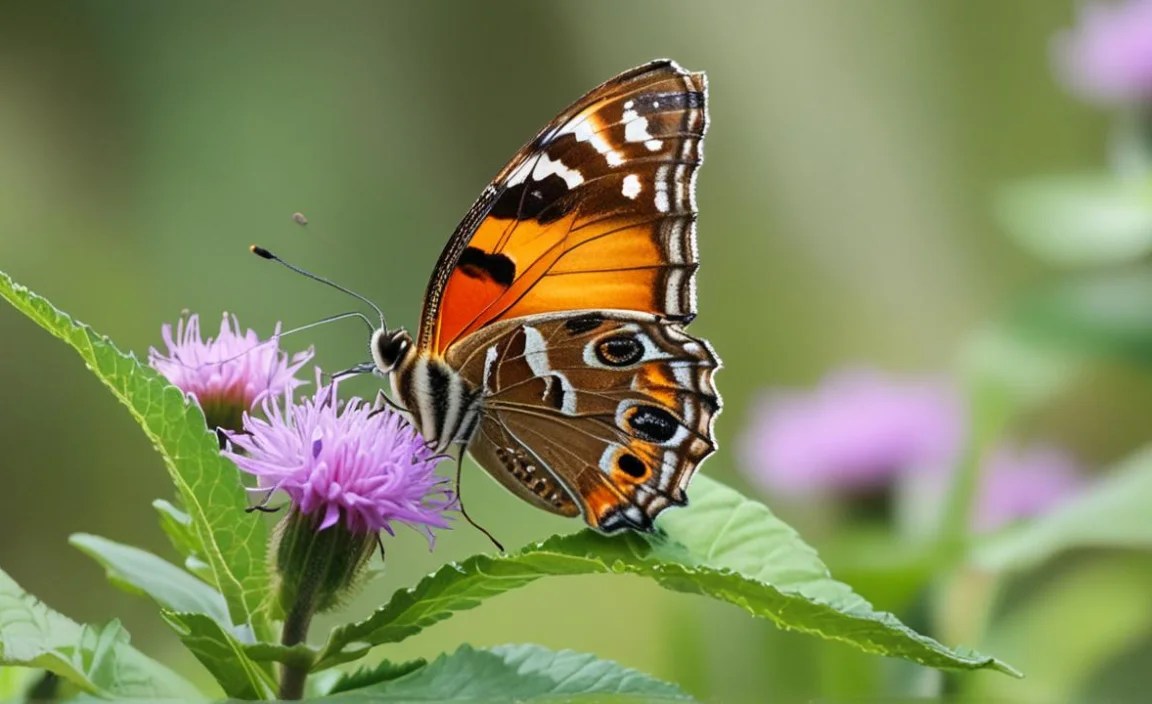
Butterfly reserves are protected areas specifically managed to conserve butterfly populations and their habitats. These reserves provide essential resources such as nectar sources for adult butterflies and host plants for caterpillars. They also offer safe environments where butterflies can breed without the threat of habitat destruction or excessive pesticide use. Often managed by conservation organizations or local authorities, these reserves play a crucial role in butterfly conservation.
Why Visit Butterfly Reserves?
Visiting butterfly reserves offers numerous benefits:
- See Rare Species: Reserves often host rare and endangered butterfly species that you might not see elsewhere.
- Learn About Conservation: Many reserves offer educational programs and guided tours to teach visitors about butterfly conservation.
- Enjoy Nature: Butterfly reserves are often located in beautiful natural settings, providing a great opportunity to enjoy the outdoors.
- Support Conservation: Your visit helps support the conservation efforts of the reserve, contributing to butterfly protection.
- Photography Opportunities: Capture the stunning beauty of butterflies up close in their natural environment.
Top Butterfly Reserves in the UK

Here are some of the best butterfly reserves in the UK, each offering a unique experience for butterfly enthusiasts:
1. RSPB Arne, Dorset
RSPB Arne is a fantastic place to see a variety of butterfly species in their natural habitat. This reserve in Dorset offers a diverse landscape of heathland, woodland, and coastline, making it ideal for many different butterfly types. Keep an eye out for the silver-studded blue, which thrives in the heathland areas.
- Key Species: Silver-studded Blue, Dartford Warbler (also a bird species)
- Habitat: Heathland, woodland, coastline
- Best Time to Visit: Late spring and summer
2. Butterfly Conservation’s Magdalen Hill Down, Winchester
Magdalen Hill Down is managed by Butterfly Conservation and is one of the best chalk grassland reserves in the UK. The reserve is home to a stunning array of butterflies, including the Adonis blue and chalkhill blue. The chalk grassland habitat is carefully managed to provide the perfect conditions for these beautiful insects.
- Key Species: Adonis Blue, Chalkhill Blue
- Habitat: Chalk grassland
- Best Time to Visit: Summer
3. Bookham Common, Surrey
Bookham Common is a National Trust site and a great place to see a variety of butterfly species. The common features a mix of woodland and open grassland, providing habitat for species like the purple emperor and white admiral. Explore the ancient woodlands and enjoy the peaceful atmosphere while searching for butterflies.
- Key Species: Purple Emperor, White Admiral
- Habitat: Woodland, grassland
- Best Time to Visit: Summer
4. Blean Woods National Nature Reserve, Kent
Blean Woods is one of the largest ancient woodlands in southern England and a haven for butterflies. The diverse woodland habitat supports a range of species, including the heath fritillary. Enjoy a walk through the woods and keep an eye out for these beautiful butterflies fluttering among the trees.
- Key Species: Heath Fritillary
- Habitat: Ancient woodland
- Best Time to Visit: Late spring and early summer
5. Gait Barrows National Nature Reserve, Lancashire
Gait Barrows is a unique limestone pavement habitat that supports a variety of rare butterfly species. The reserve is home to the high brown fritillary, one of the UK’s most endangered butterflies. Explore the distinctive landscape and discover the special butterflies that call this place home.
- Key Species: High Brown Fritillary
- Habitat: Limestone pavement
- Best Time to Visit: Summer
6. Smardale Gill National Nature Reserve, Cumbria
Smardale Gill is a beautiful reserve with a mix of woodland and grassland habitats. The reserve is known for its population of Scotch argus butterflies. Take a stroll along the gill and enjoy the stunning scenery while searching for these elusive butterflies.
- Key Species: Scotch Argus
- Habitat: Woodland, grassland
- Best Time to Visit: Late summer
7. Murlough National Nature Reserve, County Down, Northern Ireland
Murlough National Nature Reserve is one of Ireland’s premier nature reserves, famed for its stunning scenery, and is also known to be home to a range of butterfly species. The reserve is particularly known for its varied habitats, including sand dunes, heathland, and woodland, each supporting different butterfly species.
- Key Species: Dark Green Fritillary, Common Blue
- Habitat: Sand dunes, heathland, woodland
- Best Time to Visit: Summer
Planning Your Visit
Before you visit a butterfly reserve, consider these tips to make the most of your experience:
- Check the Weather: Butterflies are most active on warm, sunny days.
- Wear Appropriate Clothing: Dress in layers and wear comfortable shoes for walking.
- Bring Binoculars: Binoculars can help you get a closer look at butterflies.
- Bring a Butterfly Guide: A field guide can help you identify different species.
- Respect the Environment: Stay on marked trails and avoid disturbing the butterflies or their habitat.
Butterfly Identification Tips
Identifying butterflies can be a fun and rewarding experience. Here are some tips to help you get started:
- Observe Size and Shape: Note the butterfly’s size and the shape of its wings.
- Look at Color and Pattern: Pay attention to the colors and patterns on the wings.
- Check the Underside: The underside of the wings often has different patterns than the top.
- Note the Habitat: Where you see the butterfly can provide clues to its identity.
- Use a Field Guide: A good field guide will have detailed descriptions and illustrations to help you identify butterflies.
Butterfly Conservation Efforts
Butterfly conservation is essential for protecting these beautiful insects and their habitats. Here are some ways you can support butterfly conservation:
- Visit Butterfly Reserves: Your visit helps support the conservation efforts of the reserve.
- Create a Butterfly Garden: Plant nectar-rich flowers and host plants in your garden to attract butterflies.
- Avoid Pesticides: Pesticides can harm butterflies and other beneficial insects.
- Support Conservation Organizations: Donate to or volunteer with organizations that work to protect butterflies.
- Raise Awareness: Educate others about the importance of butterfly conservation.
Creating a Butterfly-Friendly Garden
Attracting butterflies to your garden is easier than you might think! By planting the right flowers and providing a few key resources, you can create a haven for these beautiful creatures. Here’s how:
1. Choose the Right Flowers
Butterflies need nectar-rich flowers for food. Some of the best flowers for attracting butterflies include:
- Buddlejas (Butterfly Bushes)
- Lavender
- Sedum
- Verbena
- Echinacea (Coneflowers)
2. Provide Host Plants
Butterflies also need host plants for their caterpillars to feed on. Some popular host plants include:
- Milkweed (for Monarch butterflies)
- Nettles (for Red Admiral and Peacock butterflies)
- Cabbage and Broccoli (for White butterflies)
- Violets (for Fritillary butterflies)
3. Offer a Water Source
Butterflies need water, but they can’t drink from deep puddles. Provide a shallow dish of water with pebbles or marbles for them to land on.
4. Provide Shelter
Butterflies need shelter from wind and predators. Plant shrubs and trees to provide cover.
5. Avoid Pesticides
Pesticides can harm butterflies and other beneficial insects. Avoid using pesticides in your garden.
Butterfly Symbolism and Cultural Significance
Butterflies have captivated humans for centuries, and they hold significant symbolism in many cultures around the world. Here are some common meanings associated with butterflies:
- Transformation: Butterflies are often seen as symbols of transformation and change, representing the journey from caterpillar to beautiful butterfly.
- Hope: In many cultures, butterflies symbolize hope and new beginnings.
- Resurrection: Because of their transformation, butterflies are sometimes associated with resurrection and rebirth.
- Soul: In some cultures, butterflies are believed to represent the human soul.
- Beauty: Butterflies are admired for their beauty and grace.
Here’s a table summarizing butterfly symbolism in different cultures:
| Culture | Symbolism |
|---|---|
| Greek | Soul, psyche |
| Chinese | Immortality, joy |
| Japanese | Transformation, souls of the dead |
| Native American | Transformation, hope, guidance |
Butterfly Migration in the UK
While the UK is not known for large-scale butterfly migrations like those seen in North America with Monarch butterflies, several butterfly species in the UK do migrate, either regularly or occasionally. These migrations can be influenced by weather patterns, food availability, and climate change. Here are some key points about butterfly migration in the UK:
Migratory Species
Some of the most notable migratory butterflies in the UK include:
- Painted Lady (Vanessa cardui): This is one of the most widespread butterflies in the world and a regular migrant to the UK. They arrive from North Africa and continental Europe.
- Red Admiral (Vanessa atalanta): Another common migrant, Red Admirals also come from mainland Europe. Some Red Admirals now overwinter in the UK due to milder winters.
- Clouded Yellow (Colias croceus): These butterflies migrate from southern Europe and North Africa. Their numbers vary from year to year depending on weather conditions.
- Monarch (Danaus plexippus): Although rare, Monarch butterflies occasionally reach the UK from North America, carried by strong winds across the Atlantic.
Migration Patterns
Butterfly migration in the UK typically occurs during the spring and summer months. Butterflies travel from southern Europe and North Africa to the UK, seeking suitable breeding grounds. The success of their migration depends on factors such as:
- Weather Conditions: Favorable winds and warm temperatures help butterflies travel long distances.
- Food Availability: Migrating butterflies need nectar sources along their journey.
- Habitat Quality: Suitable breeding habitats in the UK are essential for successful reproduction.
Impact of Climate Change
Climate change is affecting butterfly migration patterns in the UK. Milder winters allow some species, like the Red Admiral, to overwinter successfully, changing their migratory behavior. Warmer temperatures may also lead to changes in the timing and distribution of migratory butterflies.
Threats to Butterflies in the UK
Butterflies in the UK face a number of threats that contribute to their decline. Understanding these threats is essential for effective conservation efforts:
Habitat Loss
One of the biggest threats to butterflies is the loss of their natural habitats. This can be due to:
- Agricultural Intensification: The conversion of grasslands and woodlands into farmland reduces the availability of suitable habitats.
- Urban Development: The expansion of cities and towns destroys butterfly habitats.
- Forestry Practices: Unsustainable forestry practices can damage woodland habitats.
Climate Change
Climate change is having a significant impact on butterfly populations. Changes in temperature and rainfall patterns can affect:
- Butterfly Distribution: Some species are shifting their ranges northward in response to warming temperatures.
- Breeding Cycles: Changes in weather patterns can disrupt butterfly breeding cycles.
- Food Availability: Climate change can affect the availability of nectar sources and host plants.
Pesticide Use
Pesticides can harm butterflies and other beneficial insects. The use of insecticides and herbicides in agriculture and gardens can reduce butterfly populations.
Lack of Management
Many butterfly habitats require active management to maintain their suitability. Lack of management can lead to:
- Overgrowth of Vegetation: Without grazing or cutting, grasslands can become overgrown, reducing the availability of nectar sources and host plants.
- Loss of Biodiversity: Neglecting habitats can lead to a decline in biodiversity, affecting butterfly populations.
Table: Conservation Status of UK Butterflies
| Species | Conservation Status | Notes |
|---|---|---|
| High Brown Fritillary | Endangered | Suffered significant decline due to habitat loss |
| Heath Fritillary | Vulnerable | Restricted to a few woodland sites |
| Duke of Burgundy | Vulnerable | Declining due to habitat loss and climate change |
| Marsh Fritillary | Vulnerable | Dependent on specific habitat conditions |
| Adonis Blue | Near Threatened | Chalk grassland specialist |
Frequently Asked Questions (FAQ)
1. What is a butterfly reserve?
A butterfly reserve is a protected area dedicated to conserving butterfly populations and their habitats. These reserves provide food sources, host plants, and safe breeding environments.
2. Why are butterfly reserves important?
Butterfly reserves are crucial for protecting butterfly species, especially those that are rare or endangered. They also offer educational opportunities and support conservation efforts.
3. What should I bring when visiting a butterfly reserve?
Bring binoculars, a butterfly field guide, comfortable shoes, and weather-appropriate clothing. Also, consider bringing water and snacks.
4. What is the best time of year to visit a butterfly reserve?
The best time to visit is during the late spring and summer months when butterflies are most active. Check the reserve’s website for specific recommendations.
5. How can I help butterflies in my own garden?
Plant nectar-rich flowers and host plants, provide a water source, avoid pesticides, and offer shelter. These steps will create a butterfly-friendly habitat.
6. Are there any butterfly reserves in Scotland?
Yes, there are several butterfly reserves in Scotland, including those managed by Butterfly Conservation Scotland. These reserves protect important butterfly habitats in the region.
7. What is the difference between a butterfly garden and a butterfly reserve?
A butterfly garden is a smaller, often privately owned space designed to attract butterflies, while a butterfly reserve is a larger, protected area managed for butterfly conservation and habitat preservation.
Conclusion
Exploring butterfly reserves in the UK offers a fantastic opportunity to connect with nature and support butterfly conservation. Each reserve provides a unique glimpse into the lives of these delicate creatures. By visiting these reserves, creating butterfly-friendly gardens, and supporting conservation efforts, you can help protect butterflies for future generations. So, pack your binoculars, grab your field guide, and embark on a butterfly adventure today! You’ll not only enjoy the beauty of these insects but also contribute to their survival and the health of our planet.