
Host Plants for Rare Butterflies: A Beautiful Secret

Have you ever seen a butterfly flutter by? These colorful insects are more than just pretty. They play a big part in nature. Did you know some butterflies are rare? Host plants for rare butterflies help them survive.
Butterflies need special plants to lay their eggs. These plants feed the caterpillars when they hatch. Without these plants, the butterflies might disappear. It is important to protect these plants. We can help these butterflies thrive.
Key Takeaways
- Protecting host plants for rare butterflies is key for their survival.
- Caterpillars eat only specific plants, called host plants.
- Loss of habitat is a major threat to rare butterflies.
- You can help by planting native host plants in your garden.
- Learning about butterflies helps us protect our world.
Why Host Plants Matter for Butterflies
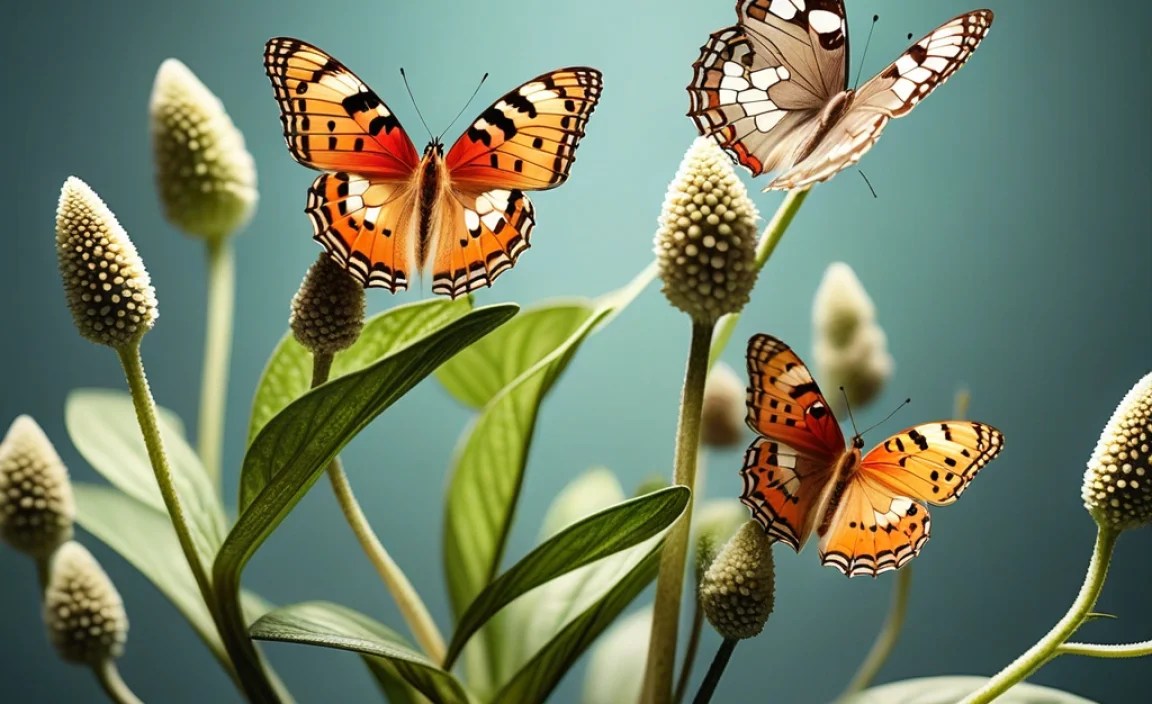
Butterflies are beautiful and important. They help pollinate flowers. This means they help plants make seeds. But butterflies need our help. Many rare butterflies are in danger. They need special plants to survive. These plants are called host plants. A host plant is like a buffet for a caterpillar. The caterpillar eats the leaves and grows big and strong. When the caterpillar becomes a butterfly, it can fly and lay eggs. These eggs need their own host plant. If the host plant is missing, the butterfly cannot survive. Imagine if your favorite food disappeared! It would be hard to live. That is why host plants are so important. They are the key to a butterfly’s life.
- Butterflies help pollinate flowers.
- Caterpillars eat host plants.
- Host plants are needed for survival.
- Loss of habitat is a big problem.
- We can help plant host plants.
Protecting host plants is a great way to help butterflies. We can plant these plants in our gardens. We can also protect wild areas where these plants grow. By helping the plants, we help the butterflies. It is like giving them a safe home and plenty of food. When butterflies thrive, our world is more beautiful. We also help other animals that depend on butterflies. Birds eat caterpillars, and flowers need pollination. By protecting host plants for rare butterflies, we help the whole ecosystem. It is a small thing that makes a big difference. Together, we can make a butterfly-friendly world.
Fun Fact or Stat: Some butterflies only lay their eggs on one specific type of plant!
Why Are Host Plants Specific?
Have you ever wondered why caterpillars are picky eaters? They don’t just eat any plant. Each type of butterfly caterpillar eats only certain plants. This is because they have adapted to these plants over time. Their bodies can handle the chemicals in these plants. Other plants might be poisonous to them. Imagine if you could only eat pizza! That’s kind of how it is for a caterpillar. The host plant provides everything the caterpillar needs. It gives them the right nutrients to grow. It also gives them a safe place to hide from predators. The host plant and the caterpillar have a special relationship. They depend on each other to survive.
What Happens Without Host Plants?
What happens if a butterfly can’t find its host plant? It’s like being lost in the desert without water. The butterfly might lay its eggs on the wrong plant. When the caterpillars hatch, they won’t have the right food. They will get sick and die. This is why habitat loss is so dangerous for butterflies. When we destroy wild areas, we destroy host plants. This leaves butterflies with no place to lay their eggs. It’s like taking away their home and their food. Without host plants, butterfly populations can shrink. Some rare butterflies could even disappear forever. We need to protect their habitats and plant more host plants.
How Can We Help?
We can all help butterflies by planting host plants. It’s easier than you might think. First, find out what butterflies live in your area. Then, learn what their host plants are. You can find this information online or at a local nature center. Next, plant those host plants in your garden or yard. Even a small patch of host plants can make a big difference. You can also encourage your friends and family to plant host plants. Together, we can create a network of butterfly-friendly habitats. It’s a fun and easy way to help the environment. Plus, you’ll get to enjoy watching beautiful butterflies in your garden!
Fun Fact or Stat: Butterflies taste with their feet to find the right host plant!
Identifying Key Host Plants for Rare Species

To help rare butterflies, we need to know their favorite foods. Identifying key host plants is like solving a puzzle. It takes research and observation. Butterfly experts study butterfly behavior. They watch where butterflies lay their eggs. They also examine what caterpillars eat. This helps them figure out which plants are host plants. Some butterflies are very picky. They only eat one type of plant. Others are less picky. They might eat a few different plants. Knowing the host plants helps us protect them. We can make sure these plants are available for butterflies. This is important for the survival of rare butterfly species. Without the right plants, they cannot thrive.
- Research butterfly behavior.
- Observe where butterflies lay eggs.
- Examine what caterpillars eat.
- Identify specific host plants.
- Protect key host plant habitats.
Once we know the host plants, we can protect them. This might mean protecting wild areas. It could also mean planting these plants in gardens. Sometimes, host plants are rare themselves. They might be threatened by habitat loss or pollution. We need to protect these plants too. By protecting the plants, we protect the butterflies. It’s like taking care of a garden. We need to make sure the plants have everything they need. This includes sunlight, water, and healthy soil. When the plants are healthy, the butterflies will be too. It’s a simple way to make a big difference for rare butterflies.
Fun Fact or Stat: Some host plants have special chemicals that protect caterpillars from predators!
How Do Scientists Find Host Plants?
Have you ever wondered how scientists find host plants? It’s like being a detective! They start by watching butterflies closely. They see where the butterflies lay their eggs. Then, they check what the caterpillars are eating. They might collect caterpillars and raise them. This helps them see what plants the caterpillars need to grow. Scientists also study the plants themselves. They look for chemicals that might attract butterflies. It takes a lot of time and effort. But it’s important work. Knowing the host plants helps us protect butterflies. These scientists help keep rare butterflies alive.
Why Is It Important to Monitor Host Plants?
Monitoring host plants is like checking up on your garden. We need to make sure the plants are healthy and thriving. This helps us know if the butterflies have enough food. We can also see if there are any problems. Are the plants being eaten by other insects? Are they getting enough water? By monitoring the plants, we can catch problems early. This helps us protect the butterflies. If we see that a host plant is disappearing, we can take action. We can plant more of that plant or protect its habitat. Monitoring host plants is an ongoing job. But it’s worth it to help rare butterflies.
What Tools Do Scientists Use?
Scientists use many tools to study host plants. They use magnifying glasses to look at small details. They use cameras to take pictures of butterflies and plants. They also use GPS devices to track where plants are growing. Sometimes, they use chemical analysis to study plant compounds. All these tools help them learn more about host plants. They can then share this knowledge with others. This helps people plant host plants in their own yards. It also helps protect rare butterflies in the wild.
Fun Fact or Stat: Some scientists use dogs to sniff out rare host plants!
Creating Butterfly Gardens with Native Plants
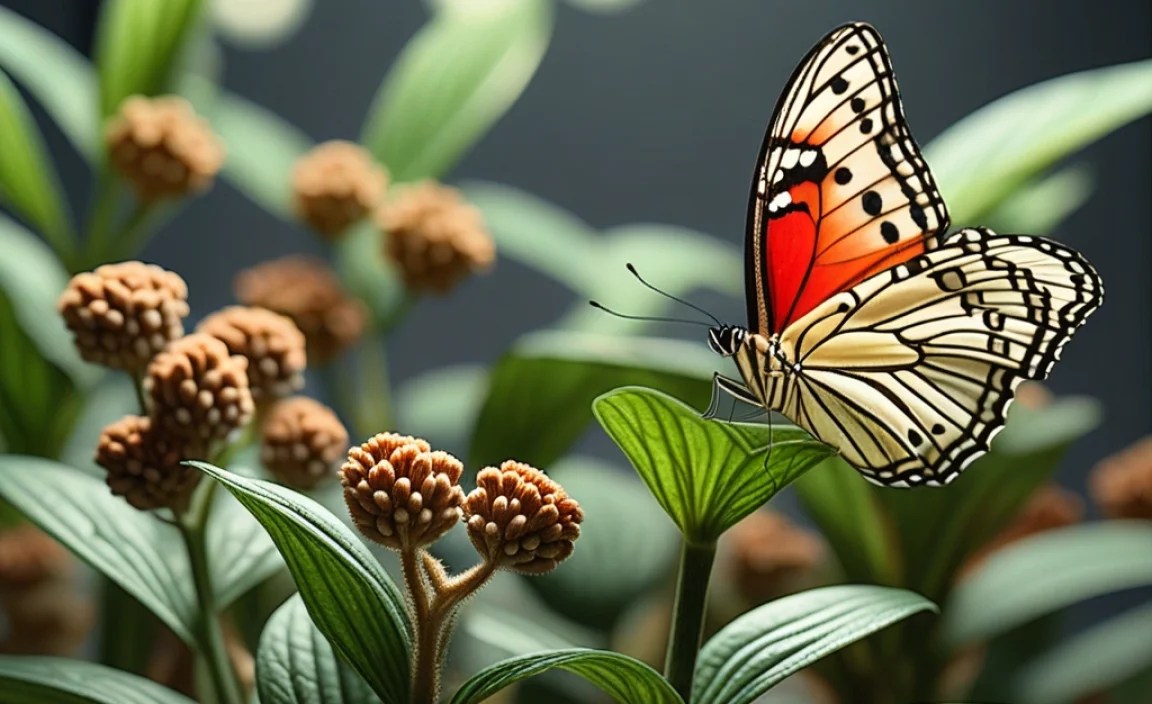
Do you want to help butterflies in your backyard? You can create a butterfly garden. It’s a fun and easy way to make a difference. The best way to attract butterflies is to plant native plants. Native plants are plants that naturally grow in your area. Butterflies have adapted to these plants over time. They know how to find them and eat them. Planting native host plants is like setting up a buffet for butterflies. They will come to your garden to lay their eggs. The caterpillars will have plenty of food to eat. A butterfly garden with native plants is a happy place for butterflies. It’s also a beautiful place for you to enjoy. You can watch the butterflies flutter and feed. It’s a great way to connect with nature.
- Plant native plants.
- Choose host plants for local butterflies.
- Provide nectar sources for adults.
- Offer a water source.
- Avoid pesticides and herbicides.
When you create a butterfly garden, you’re not just helping butterflies. You’re also helping other insects and animals. Birds eat caterpillars, and bees pollinate flowers. A healthy butterfly garden supports a whole ecosystem. It’s like building a tiny nature reserve in your backyard. You can also learn a lot about nature by creating a butterfly garden. You’ll see how different plants and animals interact. You’ll also learn about the life cycle of butterflies. It’s a fun and educational activity for the whole family. So, get outside and start planting! You’ll be amazed at the butterflies you attract.
Fun Fact or Stat: Butterfly gardens can also attract hummingbirds and other pollinators!
What are Native Plants?
Have you heard of native plants? Native plants are plants that have grown in an area for a long time. They are part of the local ecosystem. Native plants are important for local wildlife. They provide food and shelter for animals. They also help keep the soil healthy. When we plant native plants, we are helping the environment. We are creating habitats for animals. We are also making our yards more beautiful. Native plants are adapted to the local climate. This means they don’t need as much water or fertilizer. They are a great choice for butterfly gardens. They help rare butterflies survive.
How to Choose the Right Plants?
Choosing the right plants for your butterfly garden is important. First, find out what butterflies live in your area. Then, learn what their host plants are. You can find this information online or at a local nature center. Look for plants that are native to your area. These plants will be the easiest to grow. They will also be the most attractive to butterflies. Choose a variety of plants that bloom at different times. This will provide food for butterflies all season long. Don’t forget to include nectar plants for adult butterflies. These plants provide the energy they need to fly and lay eggs. Select the right host plants so the rare butterflies can survive.
How to Maintain Your Butterfly Garden?
Once you’ve planted your butterfly garden, you need to take care of it. Water the plants regularly, especially during dry spells. Remove weeds that might compete with your plants. Avoid using pesticides or herbicides. These chemicals can harm butterflies and other insects. Add mulch to help keep the soil moist. You can also add compost to improve the soil. Watch for signs of pests or diseases. If you see any problems, take action quickly. A healthy butterfly garden is a happy place for butterflies. It’s also a beautiful place for you to enjoy. Make sure the host plants are healthy for the rare butterflies.
Fun Fact or Stat: Some native plants can attract specific types of butterflies!
The Role of Milkweed in Monarch Butterfly Conservation

Monarch butterflies are famous for their long migrations. They fly thousands of miles to find warm places for the winter. But monarch butterflies are in trouble. Their populations have been declining for many years. One of the biggest reasons is the loss of milkweed. Milkweed is the only plant that monarch caterpillars eat. Without milkweed, monarch butterflies cannot survive. Protecting milkweed is essential for monarch conservation. We need to plant more milkweed in our gardens and parks. We also need to protect wild areas where milkweed grows. By helping milkweed, we help monarch butterflies. It’s a simple way to make a big difference for a rare butterfly. Monarchs depend on host plants to survive.
- Milkweed is the only food for monarch caterpillars.
- Monarch populations are declining.
- Habitat loss is a major threat.
- Plant milkweed in your garden.
- Support monarch conservation efforts.
Monarch butterflies are not just beautiful. They are also important pollinators. They help pollinate flowers as they fly from plant to plant. This helps plants make seeds and reproduce. When monarch populations decline, it can affect the whole ecosystem. We need to protect monarch butterflies for the sake of our planet. Planting milkweed is a great way to help. You can also support organizations that are working to protect monarch habitats. Every little bit helps. Together, we can bring back the monarch butterflies. Host plants are important to these rare butterflies.
Fun Fact or Stat: Monarch butterflies migrate up to 3,000 miles each year!
Why is Milkweed So Important?
Have you ever tasted milkweed? It might not taste very good to us. But monarch caterpillars love it! Milkweed is their only food source. Monarch caterpillars eat milkweed leaves. The leaves contain special chemicals. These chemicals make the caterpillars poisonous to predators. When the caterpillars become butterflies, they are still poisonous. This helps protect them from birds and other animals. Milkweed is also important for monarch butterfly reproduction. Female butterflies lay their eggs on milkweed plants. The caterpillars hatch and start eating right away. Without milkweed, monarch butterflies cannot complete their life cycle. It is a critical host plant for this rare butterfly.
What Kinds of Milkweed Should I Plant?
There are many different kinds of milkweed. It’s important to choose the right kind for your area. Look for milkweed that is native to your region. Native milkweed will be the easiest to grow. It will also be the most attractive to monarch butterflies. Some popular milkweed species include common milkweed, swamp milkweed, and butterfly weed. You can find milkweed seeds or plants at your local garden center. Plant milkweed in a sunny spot with well-drained soil. Water it regularly, especially during dry spells. Be patient, it may take some time for the milkweed to grow. Soon, you’ll have monarch caterpillars munching away! These host plants will help rare butterflies.
How Can I Protect Milkweed in the Wild?
Protecting milkweed in the wild is just as important as planting it in your garden. Avoid using herbicides or pesticides in areas where milkweed grows. These chemicals can harm milkweed and monarch butterflies. Support organizations that are working to protect monarch habitats. You can also educate others about the importance of milkweed. Tell your friends and family why it’s important to plant milkweed. Encourage them to create their own butterfly gardens. Together, we can make a difference for monarch butterflies. Protecting these host plants will help these rare butterflies.
Fun Fact or Stat: Monarch caterpillars can eat an entire milkweed leaf in just a few minutes!
Habitat Loss and Its Impact on Butterfly Populations
Habitat loss is a big problem for butterflies. When we destroy wild areas, we destroy butterfly habitats. This includes forests, meadows, and wetlands. These habitats provide food, shelter, and breeding grounds for butterflies. When these habitats disappear, butterflies have nowhere to live. They cannot find the host plants they need to survive. This leads to a decline in butterfly populations. Some rare butterflies are especially vulnerable to habitat loss. They might only live in a small area. If that area is destroyed, the butterfly could disappear forever. We need to protect butterfly habitats. This means protecting wild areas and planting native plants. It’s the best way to help butterflies thrive.
- Habitat loss destroys butterfly homes.
- Butterflies need specific habitats.
- Rare butterflies are most at risk.
- Protect wild areas.
- Plant native plants.
Habitat loss is often caused by human activities. We build houses, roads, and shopping centers. We also clear land for farming and logging. These activities destroy butterfly habitats. We need to find ways to balance human needs with the needs of butterflies. This means planning carefully and protecting wild areas. It also means restoring damaged habitats. We can plant native plants in areas that have been disturbed. This can help create new habitats for butterflies. Every little bit helps. By protecting and restoring habitats, we can help butterflies survive. Host plants are part of the habitat needed by rare butterflies.
Fun Fact or Stat: Some butterfly species have already gone extinct due to habitat loss!
What Causes Habitat Loss?
Have you ever wondered why habitats disappear? There are many reasons. One of the biggest reasons is development. When we build houses and roads, we destroy wild areas. Another reason is agriculture. Farmers often clear land to grow crops. Logging also destroys habitats. When trees are cut down, it can harm butterflies. Pollution can also damage habitats. Chemicals from factories and farms can poison the soil and water. All these things can make it hard for butterflies to survive. Understanding the causes of habitat loss is important. It helps us find ways to protect butterflies. Conserving the host plants for rare butterflies is key.
How Does Habitat Loss Affect Butterflies?
Habitat loss has a big impact on butterflies. When habitats disappear, butterflies lose their homes. They cannot find the food and shelter they need to survive. This can lead to a decline in butterfly populations. Some butterflies are more sensitive to habitat loss than others. Rare butterflies that only live in a small area are most at risk. If their habitat is destroyed, they could disappear forever. Habitat loss can also make it harder for butterflies to find mates. They might have to travel farther to find a partner. This can make it harder for them to reproduce. Protecting habitats is essential for butterfly survival. Without host plants, rare butterflies won’t survive.
What Can We Do to Prevent Habitat Loss?
We can all do our part to prevent habitat loss. One of the best things we can do is protect wild areas. Support organizations that are working to conserve land. You can also plant native plants in your garden. This will create a small habitat for butterflies. Avoid using pesticides and herbicides. These chemicals can harm butterflies and other insects. Educate others about the importance of habitat conservation. Tell your friends and family why it’s important to protect wild areas. Together, we can make a difference for butterflies. Saving host plants is crucial for rare butterflies.
Fun Fact or Stat: Protecting even small patches of habitat can make a big difference for butterflies!
The Importance of Citizen Science in Butterfly Conservation
You can be a butterfly scientist! Citizen science is when everyday people help scientists with their research. You can observe butterflies in your backyard. You can also record what you see. This information can help scientists learn more about butterflies. They can track butterfly populations. They can also study butterfly behavior. Citizen science is a great way to get involved in butterfly conservation. It’s also a fun way to learn about nature. You can help protect rare butterflies by participating in citizen science projects. You can identify host plants and report your findings.
Here is a table showing how citizen scientists can help:
| Activity | Description | How it Helps |
|---|---|---|
| Butterfly Counts | Counting butterflies in a specific area. | Tracks population changes over time. |
| Host Plant Monitoring | Observing and recording host plant health. | Identifies threats to butterfly food sources. |
| Habitat Mapping | Mapping butterfly habitats and resources. | Helps prioritize conservation efforts. |
| Reporting Sightings | Reporting rare butterfly sightings. | Documents butterfly distribution and range. |
There are many citizen science projects you can join. Some projects focus on specific butterfly species. Others focus on broader butterfly surveys. You can find citizen science projects online or at your local nature center. All you need is a pair of binoculars and a notebook. You can also use a smartphone app to record your observations. Citizen science is a great way to make a difference. You can help protect butterflies and their habitats. The data collected helps protect host plants for rare butterflies.
Fun Fact or Stat: Citizen scientists have helped discover new butterfly habitats!
What is Citizen Science?
Have you ever helped a scientist with their research? If so, you’ve participated in citizen science! Citizen science is when regular people help scientists collect data. This data can be used to study all sorts of things. From butterflies to birds to plants, citizen science helps us learn about the world around us. Citizen scientists don’t need to be experts. They just need to be willing to observe and record what they see. Their observations help protect host plants and rare butterflies.
How Can I Get Involved?
Getting involved in citizen science is easy! There are many projects you can join. You can find projects online or at your local nature center. Some projects focus on specific species. Others focus on broader surveys. Choose a project that interests you. Then, follow the instructions for collecting data. Be sure to record your observations carefully. Your data will help scientists learn more about the world around us. You can help monitor host plants for rare butterflies.
What Kind of Data Do Citizen Scientists Collect?
Citizen scientists collect all sorts of data. They might count butterflies in a specific area. They might record the types of plants that butterflies are visiting. They might also track butterfly migration patterns. The data that citizen scientists collect is very valuable. It helps scientists understand how butterfly populations are changing. It also helps them identify threats to butterflies and their habitats. This data is critical for protecting host plants and rare butterflies.
Fun Fact or Stat: Citizen science data has been used to help protect endangered species!
Summary
Host plants for rare butterflies are essential for their survival. These plants provide food for caterpillars. Without these plants, butterflies cannot complete their life cycle. Protecting host plants is crucial for butterfly conservation. We can all help by planting native plants in our gardens. We can also support organizations that are working to protect butterfly habitats. Habitat loss is a major threat to butterflies. We need to protect wild areas and restore damaged habitats. Citizen science is a great way to get involved in butterfly conservation. By working together, we can help butterflies thrive. The future of rare butterflies depends on preserving their host plants.
Conclusion
Butterflies are beautiful and important creatures. They play a vital role in our ecosystem. Protecting host plants for rare butterflies is essential. We can all take simple steps to help. Plant native plants in your garden. Support conservation organizations. Educate others about the importance of butterflies. Together, we can make a difference. Let’s create a world where butterflies can thrive. Help protect the host plants these rare butterflies need.
Frequently Asked Questions
Question No 1: Why are host plants important for butterflies?
Answer: Host plants are super important for butterflies because they are the only food that caterpillars eat! Imagine if you could only eat one thing your whole life as a kid. That’s how it is for caterpillars. Each type of butterfly caterpillar eats only certain plants. These plants give them the nutrients they need to grow big and strong. Without the right host plants, the caterpillars will not survive. Therefore, protecting host plants is an important part of protecting rare butterflies.
Question No 2: What can I do to help butterflies in my backyard?
Answer: You can do lots of things to help butterflies in your backyard! One of the best things is to plant native plants. These are plants that naturally grow in your area. They are the plants that local butterflies are used to eating. You can also provide a water source for butterflies. A shallow dish of water with some pebbles works great. Avoid using pesticides and herbicides in your yard. These chemicals can harm butterflies and other insects. By planting host plants, you are giving rare butterflies a chance to survive and thrive.
Question No 3: What is citizen science and how can I participate?
Answer: Citizen science is when regular people like you help scientists with their research. There are many ways to participate in citizen science projects related to butterflies. You can count butterflies in your backyard. You can also report butterfly sightings to online databases. This helps scientists track butterfly populations and learn more about their behavior. To get involved, search online for butterfly citizen science projects in your area. You could even help monitor host plants for rare butterflies!
Question No 4: How does habitat loss affect butterfly populations?
Answer: Habitat loss is a huge problem for butterflies. When we destroy wild areas to build houses and roads, we destroy butterfly homes. Butterflies need specific habitats to find food, shelter, and mates. When these habitats disappear, butterfly populations decline. Some butterflies are more sensitive to habitat loss than others. Rare butterflies that only live in a small area are most at risk. If their habitat is destroyed, they could disappear forever. Habitat loss can mean the loss of critical host plants for rare butterflies.
Question No 5: What are some common host plants for butterflies?
Answer: Some common host plants for butterflies include milkweed for monarch butterflies, dill and parsley for swallowtail butterflies, and violets for fritillary butterflies. Different butterflies need different host plants. So it’s important to research what butterflies live in your area and what their host plants are. You can find this information online or at your local nature center. Select the right host plants and you might save a rare butterfly!
Question No 6: Why are some butterflies rare?
Answer: Some butterflies are rare because they face many challenges. Habitat loss is a big problem. When their homes are destroyed, they cannot find food and shelter. Pollution can also harm butterflies. Pesticides and herbicides can poison them. Climate change is also a threat. As the climate changes, butterflies may not be able to survive in their current habitats. Some rare butterflies have very specific needs. They might only eat one type of host plant. If that plant disappears, the butterfly could disappear too.


