
Glasswing Butterflies in Ecuador: A Powerful Guide

The glasswing butterfly (Greta oto) is famous for its transparent wings, making it look like a living windowpane! You can find these amazing creatures in Ecuador, especially in rainforests and humid areas. Seeing them flutter through the forest is an unforgettable experience. This article will guide you on where and when to spot them, and what makes them so special.
Have you ever dreamed of seeing a butterfly with wings so clear, they seem to disappear? The glasswing butterfly, or Greta oto, is just that! These incredible insects live in the rainforests of Ecuador, and people travel from all over to catch a glimpse of their see-through wings. Figuring out where to find them and understanding their unique traits can be tricky. But don’t worry, this guide will walk you through everything you need to know to find and appreciate these natural wonders.
What Makes Glasswing Butterflies So Special?

Glasswing butterflies are more than just pretty insects; they’re fascinating examples of evolution and adaptation. Their transparent wings, delicate appearance, and unique behaviors make them stand out in the butterfly world.
Transparent Wings: A Masterpiece of Camouflage
The most striking feature of the glasswing butterfly is, of course, its transparent wings. Unlike most butterflies, the glasswing lacks the colorful scales that give wings their vibrant hues. Instead, their wings are mostly see-through, allowing them to blend seamlessly into their surroundings.
This transparency is achieved through a combination of factors:
- Nanostructures: The wing surface is covered with tiny nanostructures that reduce light reflection.
- Scale Arrangement: The scales are sparsely distributed and arranged in a way that minimizes light scattering.
- Wing Membrane Composition: The membrane itself has properties that enhance transparency.
This camouflage helps protect them from predators, as they become almost invisible against the backdrop of leaves and foliage in their natural habitat. According to research from the National Geographic, this adaptation is a key survival strategy for the species.
Delicate Appearance, Hardy Insects
Despite their fragile appearance, glasswing butterflies are surprisingly resilient. They can withstand considerable wind and rain in their native habitats. Their wings, though transparent, are sturdy enough to allow them to fly long distances.
Unique Behaviors
Glasswing butterflies exhibit several unique behaviors that contribute to their survival and charm:
- Migration: While not as extensive as the monarch butterfly migration, some populations of glasswing butterflies undertake local migrations in response to seasonal changes.
- Aggregation: They often gather in groups, especially during mating season, forming beautiful clusters in the forest understory.
- Diet: As caterpillars, they feed on toxic plants, which makes them unpalatable to many predators.
Where to Find Glasswing Butterflies in Ecuador

Ecuador is a prime location for spotting glasswing butterflies. Knowing where to look increases your chances of seeing these elusive creatures.
Prime Locations
Here are some of the best places in Ecuador to find glasswing butterflies:
- Mindo: This cloud forest region is renowned for its biodiversity and is a hotspot for butterfly enthusiasts. Several butterfly farms and reserves in Mindo offer guided tours where you can observe glasswing butterflies up close.
- Napo Province: Located in the Amazon rainforest, Napo Province provides a lush, tropical environment perfect for glasswing butterflies. Areas around lodges and eco-resorts often attract these butterflies.
- Yasuni National Park: As one of the most biodiverse places on Earth, Yasuni National Park is home to a wide variety of butterfly species, including the glasswing. Guided tours are available to help you explore the park and spot these elusive insects.
- Mashpi Cloud Forest: This area is another excellent location in the Ecuadorian Andes, offering stunning cloud forest scenery and a high chance of seeing glasswing butterflies.
Best Time to Visit
The best time to visit Ecuador to see glasswing butterflies is during the rainy season (December to May). The humidity and abundance of flowering plants provide ideal conditions for these butterflies.
Tips for Spotting Glasswing Butterflies
Finding glasswing butterflies can be challenging, but here are some tips to increase your chances:
- Look in Shady Areas: Glasswing butterflies prefer shaded areas in the understory of the forest.
- Check Flowering Plants: They are often found near flowering plants, where they feed on nectar.
- Be Patient: Take your time and observe your surroundings carefully. Glasswing butterflies can be difficult to spot due to their transparency.
- Hire a Local Guide: Local guides are knowledgeable about the best spots and can help you identify glasswing butterflies and other wildlife.
Understanding the Habitat of Glasswing Butterflies

Glasswing butterflies thrive in specific habitats. Understanding their needs can help you appreciate their role in the ecosystem and support conservation efforts.
Ideal Climate Conditions
Glasswing butterflies prefer warm, humid climates. They are typically found in tropical rainforests and cloud forests at elevations ranging from sea level to around 6,500 feet (2,000 meters). The constant humidity and moderate temperatures provide the ideal conditions for their survival.
Key Elements of Their Habitat
Here are the key elements of the glasswing butterfly’s habitat:
- Host Plants: The caterpillars of glasswing butterflies feed on specific host plants, primarily in the genus Cestrum. These plants contain toxins that make the caterpillars and butterflies unpalatable to predators.
- Nectar Sources: Adult glasswing butterflies feed on nectar from a variety of flowering plants. A diverse range of nectar sources is essential for their survival.
- Shelter: The understory of the forest provides shelter from strong winds and heavy rain. Dense vegetation also offers protection from predators.
- Water Sources: Like all living things, glasswing butterflies need access to water. They often obtain moisture from dew or damp leaves.
Protecting Their Habitat
Protecting the habitat of glasswing butterflies is crucial for their survival. Here are some ways you can help:
- Support Conservation Organizations: Donate to or volunteer with organizations that work to protect rainforests and cloud forests in Ecuador.
- Promote Sustainable Tourism: Choose eco-friendly tour operators that prioritize conservation and community involvement.
- Reduce Your Carbon Footprint: Climate change can have a significant impact on butterfly habitats. Reduce your carbon footprint by making sustainable choices in your daily life.
- Educate Others: Share your knowledge about glasswing butterflies and the importance of protecting their habitat with friends, family, and colleagues.
Life Cycle of the Glasswing Butterfly

Understanding the life cycle of the glasswing butterfly offers insight into their survival strategies and adaptations.
Egg Stage
The life cycle begins with the egg. Female glasswing butterflies lay their eggs on the leaves of their host plants, typically in the genus Cestrum. The eggs are small and often pale green or yellow in color.
Larval Stage (Caterpillar)
Once the eggs hatch, the larvae, or caterpillars, emerge. These caterpillars have a voracious appetite and feed exclusively on the leaves of their host plants. This diet incorporates toxins from the plants, which makes them distasteful to predators.
The larval stage involves several molts as the caterpillar grows. Each molt allows the caterpillar to shed its skin and grow larger. The appearance of the caterpillar can vary depending on its stage of development.
Pupal Stage (Chrysalis)
After several weeks of feeding and growing, the caterpillar enters the pupal stage. It forms a chrysalis, which is typically a metallic silver or gold color. The chrysalis hangs from a leaf or stem, and inside, the caterpillar undergoes a remarkable transformation.
Adult Stage (Butterfly)
After about two weeks, the adult butterfly emerges from the chrysalis. The newly emerged butterfly’s wings are crumpled and wet. It takes several hours for the wings to expand and dry fully. Once the wings are ready, the butterfly takes flight and begins its adult life.
Adult glasswing butterflies feed on nectar from flowering plants. They play an important role in pollination. They also reproduce, laying eggs and continuing the life cycle.
Glasswing Butterfly Conservation Efforts
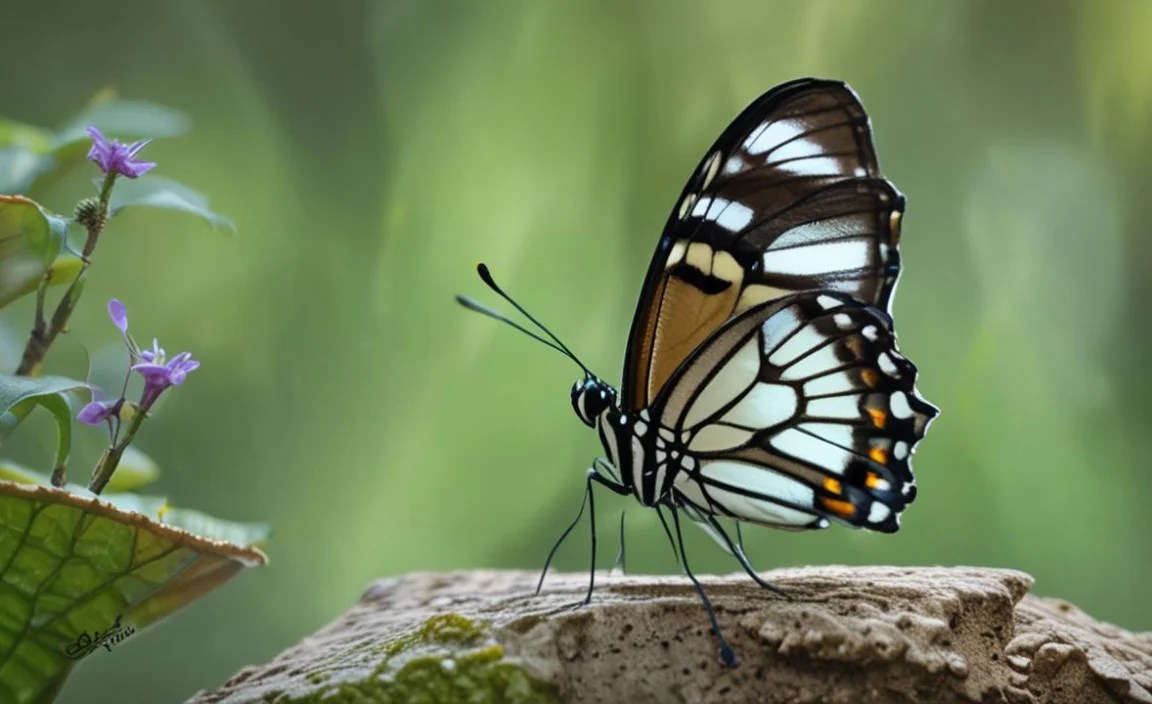
Several organizations and initiatives are dedicated to conserving glasswing butterflies and their habitats in Ecuador.
Key Organizations Involved
Here are some of the key organizations involved in glasswing butterfly conservation:
- The Butterfly Conservatory: This organization focuses on butterfly conservation through education, research, and habitat preservation.
- Rainforest Trust: This organization works to protect rainforests and other critical habitats around the world, including those in Ecuador.
- World Wildlife Fund (WWF): WWF has several projects in Ecuador aimed at protecting biodiversity and promoting sustainable development.
- Local Conservation Groups: Numerous local organizations in Ecuador are dedicated to protecting specific areas and species, including glasswing butterflies.
Conservation Strategies
Conservation efforts for glasswing butterflies typically involve a combination of strategies:
- Habitat Protection: Protecting and restoring rainforests and cloud forests is essential for the survival of glasswing butterflies.
- Sustainable Tourism: Promoting eco-friendly tourism practices that minimize impact on the environment and benefit local communities.
- Education and Awareness: Raising awareness about the importance of glasswing butterflies and their habitats through educational programs and outreach activities.
- Research: Conducting research to better understand the biology, ecology, and conservation needs of glasswing butterflies.
How You Can Help
There are many ways you can contribute to glasswing butterfly conservation:
- Support Conservation Organizations: Donate to or volunteer with organizations that work to protect rainforests and cloud forests in Ecuador.
- Choose Sustainable Products: Buy products that are produced in an environmentally responsible manner, such as shade-grown coffee and sustainably harvested timber.
- Reduce Your Carbon Footprint: Climate change can have a significant impact on butterfly habitats. Reduce your carbon footprint by making sustainable choices in your daily life.
- Educate Others: Share your knowledge about glasswing butterflies and the importance of protecting their habitat with friends, family, and colleagues.
The Role of Glasswing Butterflies in Ecuadorian Culture

Glasswing butterflies, with their ethereal appearance, have captured the imagination of people around the world. In Ecuador, they hold a special place in local culture and folklore.
Symbolism and Cultural Significance
In many cultures, butterflies are symbols of transformation, beauty, and freedom. The glasswing butterfly, with its transparent wings, often symbolizes clarity, adaptability, and the ability to see through illusions.
In some indigenous communities in Ecuador, glasswing butterflies are believed to be messengers from the spirit world. They are seen as symbols of good luck and are often associated with healing and protection.
Art and Craft
The unique beauty of glasswing butterflies has inspired artists and craftspeople in Ecuador. Their image can be found in paintings, sculptures, jewelry, and textiles. These artistic representations often highlight the butterfly’s delicate wings and ethereal quality.
Tourism and Ecotourism
Glasswing butterflies are a major draw for tourists visiting Ecuador. Ecotourism initiatives often feature butterfly farms and guided tours that allow visitors to observe these fascinating creatures in their natural habitat. This provides economic benefits for local communities and promotes conservation efforts.
Frequently Asked Questions (FAQ)
What do glasswing butterflies eat?
Adult glasswing butterflies primarily feed on nectar from flowers. Caterpillars eat specific host plants from the genus Cestrum.
Where can I see glasswing butterflies in Ecuador?
Prime locations include Mindo, Napo Province, Yasuni National Park, and Mashpi Cloud Forest.
When is the best time to see glasswing butterflies in Ecuador?
The rainy season (December to May) is ideal due to increased humidity and flowering plants.
Are glasswing butterflies endangered?
While not currently listed as endangered, habitat loss poses a significant threat to their populations.
How do glasswing butterflies get their transparent wings?
Their wings have nanostructures and a unique scale arrangement that minimizes light reflection and scattering.
What is the lifespan of a glasswing butterfly?
The complete life cycle, from egg to adult, lasts a few months, with the adult stage lasting several weeks.
Can I attract glasswing butterflies to my garden?
Planting host plants like Cestrum and nectar-rich flowers can help attract them if you live in a suitable climate.
Conclusion
The glasswing butterflies in Ecuador are true marvels of nature, showcasing the beauty and complexity of the rainforest ecosystem. Their transparent wings, unique behaviors, and cultural significance make them a source of wonder and inspiration. By understanding their habitat, life cycle, and conservation needs, we can all play a role in protecting these delicate creatures and their environment. Whether you’re planning a trip to Ecuador or simply want to learn more about these incredible insects, I hope this guide has provided you with valuable insights and a newfound appreciation for the glasswing butterfly.


