
Butterfly ID Community Forums: Get Instant Expert Help

Quick Summary: Need help identifying a butterfly? Butterfly ID community forums are online spaces where you can share photos and descriptions of butterflies you’ve spotted. Experienced enthusiasts and experts will help you identify the species, learn about its life cycle, and connect with other butterfly lovers. It’s a fantastic way to expand your knowledge and contribute to citizen science!
Have you ever seen a stunning butterfly flitting through your garden and wondered what kind it was? Identifying butterflies can be tricky, with so many similar-looking species. Luckily, you don’t have to be an expert to learn more. Butterfly ID community forums offer a welcoming and informative place to get help from fellow enthusiasts. These online communities are full of people eager to share their knowledge and passion for these beautiful creatures.
In this article, I’ll guide you through the best butterfly ID forums and how to use them effectively. Get ready to unlock the secrets of butterfly identification and connect with a vibrant community of nature lovers!
Finding the Right Butterfly ID Community Forum

Many online forums cater to butterfly enthusiasts. Finding the right one for you depends on your needs and preferences. Here are some popular and helpful options:
- Butterflies and Moths of North America (BAMONA): This website, associated with the Butterfly Identification Center, offers a wealth of information and a forum for identification requests. It’s a great resource for North American species.
- iNaturalist: While not solely a butterfly forum, iNaturalist is a fantastic platform for identifying all kinds of plants and animals, including butterflies. Its large community and image recognition tools make it a powerful resource.
- Reddit (r/butterflies and r/whatisthisbug): Reddit hosts several subreddits dedicated to insects, including butterflies. These communities are generally active and responsive.
- Facebook Groups: Many Facebook groups are dedicated to butterfly identification in specific regions or countries. Search for groups related to your location to find local experts.
- BugGuide.net: Another excellent resource for insect identification, BugGuide.net has a large collection of photos and a helpful community forum.
Preparing Your Butterfly Photos for Identification
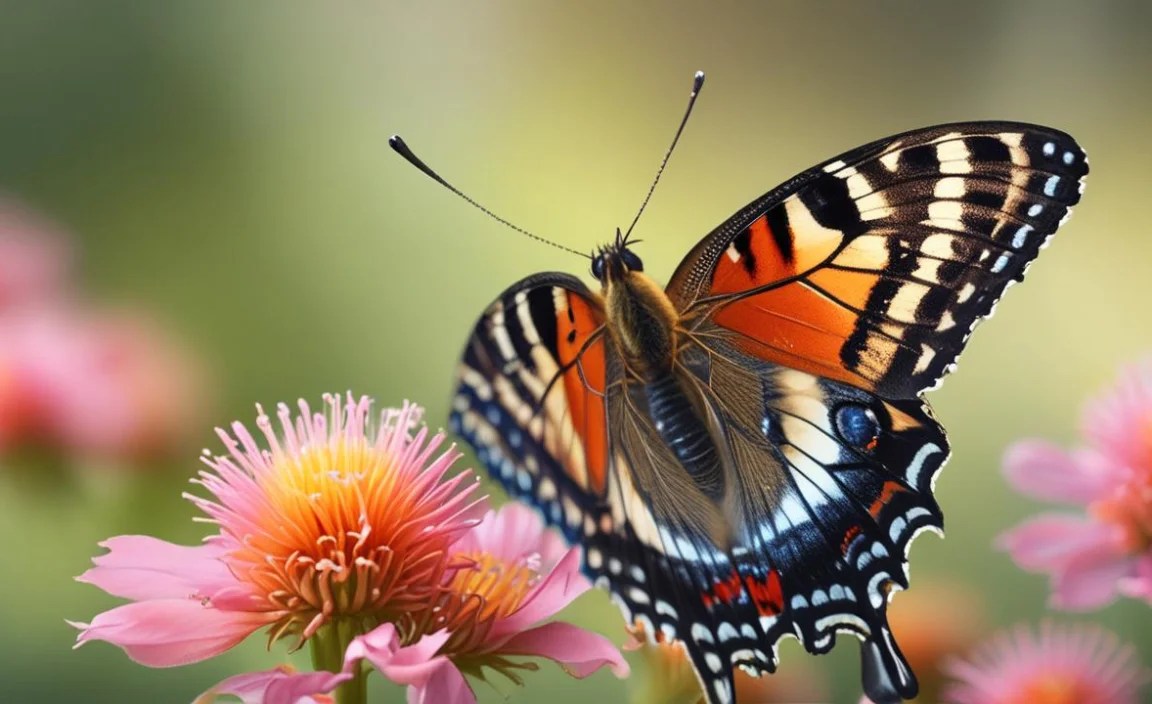
Clear, well-lit photos are crucial for getting accurate butterfly identifications. Follow these tips to capture the best possible images:
- Use a good camera or smartphone: Modern smartphones often have excellent cameras capable of capturing detailed images.
- Get close to the butterfly: Try to fill the frame with the butterfly, but be careful not to disturb it.
- Focus carefully: Ensure the butterfly is in sharp focus. Tap the screen on your smartphone to focus on the butterfly.
- Take multiple shots: Capture photos from different angles, including the top and underside of the wings, if possible.
- Photograph key features: Focus on details like wing patterns, colors, and body shape.
- Natural light is best: Avoid using flash, as it can distort colors and create harsh shadows.
- Crop and edit your photos: Crop your photos to focus on the butterfly and adjust the brightness and contrast if needed.
Crafting Your Identification Request
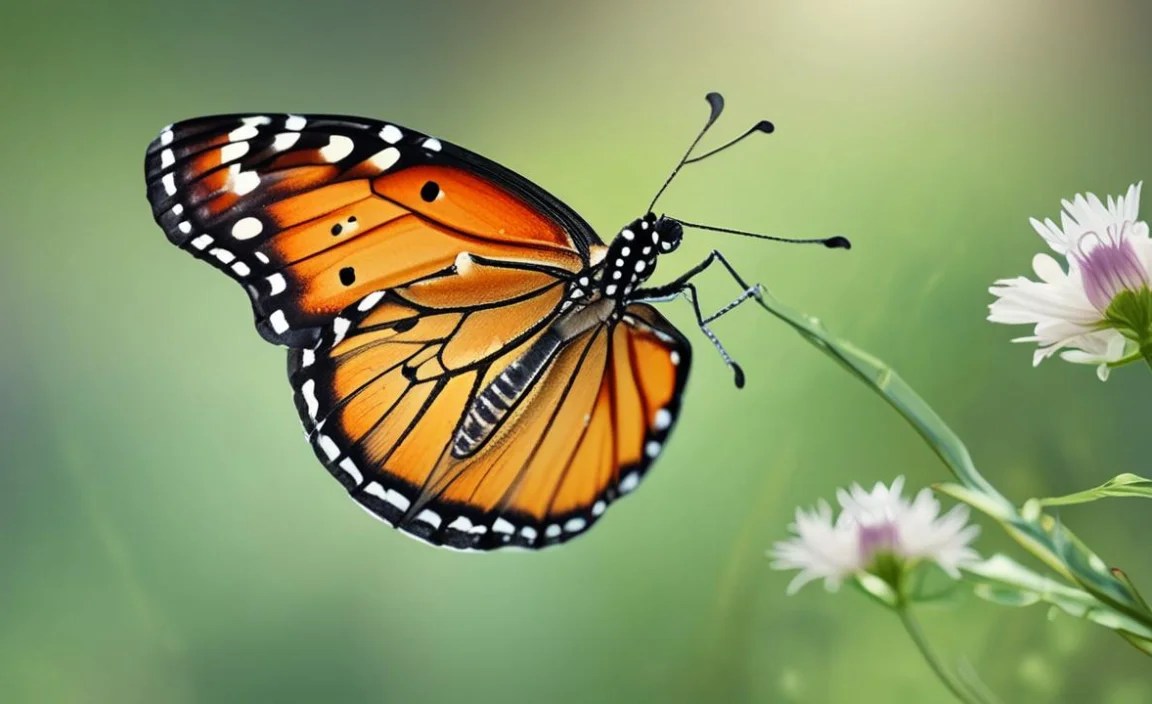
When posting your butterfly photos on a forum, provide as much information as possible to help others identify the species. Here’s what to include:
- Location: Specify the exact location where you saw the butterfly, including the city, state/province, and country. This is crucial, as butterfly species vary geographically.
- Date and time: The date and time of the sighting can sometimes help narrow down the possibilities, especially for migratory species.
- Habitat: Describe the habitat where you found the butterfly. Was it in a garden, forest, meadow, or near water?
- Butterfly behavior: Note what the butterfly was doing when you saw it. Was it feeding on nectar, basking in the sun, or flying around?
- Size: Estimate the butterfly’s wingspan. This can help differentiate between similar-looking species.
- Description: Provide a detailed description of the butterfly’s appearance, including wing colors, patterns, and any unique features.
- Clear photos: Attach high-quality photos of the butterfly from different angles.
Here’s an example of a well-crafted identification request:
“Hi everyone, I saw this beautiful butterfly in my garden in Austin, Texas, on July 15th at around 10 am. It was feeding on a lantana flower. The wingspan was about 2 inches. The upper wings were orange with black markings, and the undersides were a mottled brown. Any ideas what it might be?”
Understanding Butterfly Anatomy: A Quick Guide
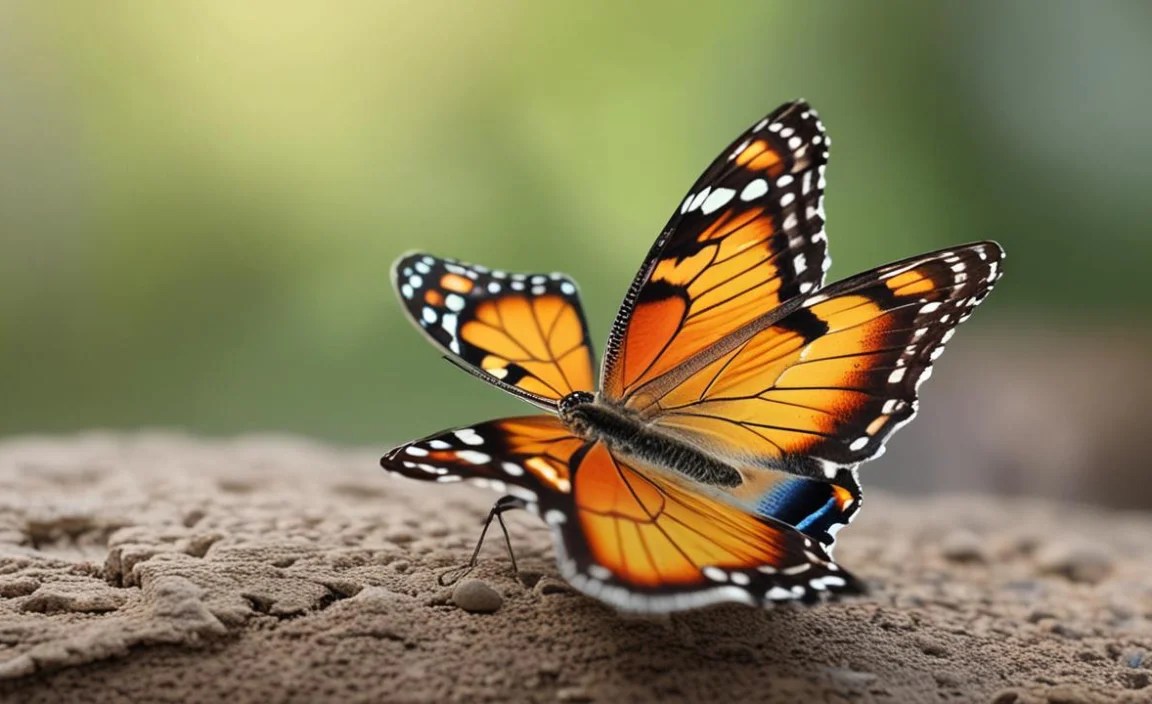
Knowing basic butterfly anatomy can help you describe key features in your identification requests. Here’s a simple overview:
- Wings: Butterflies have two pairs of wings, the forewings and hindwings. The patterns and colors on the wings are crucial for identification.
- Body: The body is divided into three sections: the head, thorax, and abdomen.
- Antennae: Butterflies have long, clubbed antennae used for sensing their environment.
- Proboscis: This is a long, straw-like tongue that butterflies use to drink nectar. When not in use, it’s coiled up under the head.
- Legs: Butterflies have six legs, but some species may appear to have only four functional legs.
The following table summarizes the key parts of a butterfly and their function:
| Part | Description | Function |
|---|---|---|
| Wings | Two pairs of wings (forewings and hindwings) with intricate patterns and colors. | Flight, camouflage, attracting mates, thermoregulation. |
| Body | Divided into head, thorax, and abdomen. | Provides structure and support for internal organs. |
| Antennae | Long, clubbed sensory organs on the head. | Detecting scents, air currents, and orientation. |
| Proboscis | A long, flexible, straw-like tongue. | Drinking nectar and other liquids. |
| Legs | Six legs attached to the thorax. | Walking, clinging to plants, and tasting with their feet. |
Using Butterfly Field Guides and Online Resources

While community forums are great, combining them with field guides and online resources will make you a butterfly ID pro. Here are some helpful tools:
- Field Guides: Purchase a butterfly field guide specific to your region. These guides typically include detailed descriptions and illustrations of common species. The Peterson Field Guide to Eastern Butterflies and the Kaufman Field Guide to Butterflies of North America are both excellent choices.
- Online Databases: Websites like Butterflies and Moths of North America (BAMONA) and BugGuide.net offer extensive databases of butterfly species with photos and information.
- Butterfly Identification Apps: Several smartphone apps can help you identify butterflies using image recognition technology. iNaturalist and Picture Insect are two popular options.
- Museum Collections: Many natural history museums have butterfly collections that you can visit to see specimens up close.
Understanding Butterfly Wing Patterns
Butterfly wing patterns are incredibly diverse and provide essential clues for identification. Here are some common wing pattern elements to look for:
- Color: Note the dominant colors of the wings, such as orange, yellow, blue, or brown.
- Spots: Look for spots of different colors and sizes. Some butterflies have rows of spots along the wing margins.
- Bands: Observe any bands or stripes that run across the wings.
- Eyespots: Eyespots are circular markings that resemble eyes. They can deter predators.
- Tails: Some butterflies have long, slender tails on their hindwings.
- Wing Shape: Wing shape can also be helpful. Some butterflies have rounded wings, while others have pointed or angular wings.
Here’s a table illustrating different wing pattern features and examples:
| Feature | Description | Example |
|---|---|---|
| Color | Dominant color of the wings. | Monarch (orange), Blue Morpho (blue), Sulphur (yellow) |
| Spots | Small, distinct markings. | Checkered White, Buckeye |
| Bands | Stripes running across the wings. | Viceroy, Red Admiral |
| Eyespots | Circular markings resembling eyes. | Io Moth, Peacock |
| Tails | Elongated extensions on hindwings. | Swallowtails |
Respecting Butterflies and Their Habitats
When observing and photographing butterflies, it’s important to do so responsibly and respectfully. Here are some guidelines:
- Avoid disturbing butterflies: Do not touch or handle butterflies unless necessary for research purposes.
- Stay on trails: When hiking in butterfly habitats, stay on designated trails to avoid trampling plants and disturbing butterfly larvae.
- Do not collect butterflies: Collecting butterflies can harm populations, especially of rare or endangered species. Consider photographing instead.
- Protect butterfly habitats: Support conservation efforts to protect butterfly habitats from development and pollution.
- Plant butterfly-friendly gardens: Create a butterfly garden with native plants that provide nectar for adults and food for caterpillars.
Contributing to Citizen Science
Identifying butterflies isn’t just a fun hobby; it can also contribute to scientific research. Many organizations rely on citizen scientists to collect data on butterfly populations and distribution. Here are some ways to get involved:
- Submit sightings to online databases: Platforms like iNaturalist and BAMONA allow you to submit your butterfly sightings, which can help track population trends and range expansions.
- Participate in butterfly counts: Join a local butterfly count, such as the North American Butterfly Association (NABA) Butterfly Count, to survey butterfly populations in your area.
- Monitor butterfly gardens: If you have a butterfly garden, you can monitor the butterflies that visit and submit your data to citizen science projects.
- Report rare or unusual sightings: If you see a butterfly that is rare or unusual for your area, report it to a local expert or conservation organization.
Understanding Butterfly Conservation
Many butterfly species are facing threats from habitat loss, climate change, and pesticide use. By learning about butterfly conservation, you can help protect these beautiful creatures for future generations. Here are some key issues and actions you can take:
- Habitat Loss: Support efforts to conserve and restore butterfly habitats, such as meadows, forests, and wetlands.
- Climate Change: Reduce your carbon footprint by conserving energy, using public transportation, and supporting policies that address climate change.
- Pesticide Use: Avoid using pesticides in your garden, as they can harm butterflies and other beneficial insects.
- Plant Native Plants: Plant native plants in your garden to provide food and shelter for butterflies and their caterpillars.
- Support Conservation Organizations: Donate to or volunteer with organizations that work to protect butterflies and their habitats, such as the Xerces Society.
The Joy of Butterfly Watching
Beyond identification and conservation, simply observing butterflies can be a rewarding experience. Take time to appreciate their beauty, grace, and fascinating behaviors. Here are some tips for enjoying butterfly watching:
- Find a good spot: Look for areas with plenty of flowers and sunshine, such as gardens, meadows, and woodland edges.
- Be patient: Butterflies can be elusive, so be patient and wait for them to come to you.
- Use binoculars: Binoculars can help you get a closer look at butterflies without disturbing them.
- Bring a field guide: A field guide will help you identify the butterflies you see.
- Keep a journal: Record your observations in a journal, including the date, time, location, and species you observed.
- Share your experiences: Share your butterfly sightings and photos with others online or in person.
FAQ About Butterfly Identification
Here are some frequently asked questions about butterfly identification:
- Q: What is the best way to photograph a butterfly for identification?
- A: Get as close as possible, focus carefully, and take multiple shots from different angles. Natural light is best, and try to capture key features like wing patterns and colors.
- Q: What information should I include when asking for help identifying a butterfly?
- A: Include the location, date, time, habitat, size, and a detailed description of the butterfly’s appearance, along with clear photos.
- Q: Are butterfly identification apps reliable?
- A: Butterfly identification apps can be helpful, but they are not always accurate. It’s best to use them as a starting point and confirm the identification with a field guide or expert.
- Q: How can I attract more butterflies to my garden?
- A: Plant a variety of native flowers that provide nectar for adult butterflies and host plants for caterpillars. Avoid using pesticides.
- Q: What are some good resources for learning about butterflies?
- A: Field guides, online databases like BAMONA and BugGuide.net, and local nature centers and museums are all great resources.
- Q: Why is it important to identify butterflies?
- A: Identifying butterflies helps us understand their distribution, behavior, and conservation needs. It also allows us to appreciate the diversity and beauty of the natural world.
- Q: How can I contribute to butterfly conservation?
- A: You can contribute by protecting butterfly habitats, planting native plants, avoiding pesticides, and supporting conservation organizations.
Conclusion
Butterfly ID community forums are invaluable resources for anyone interested in learning more about these fascinating insects. By joining a forum, preparing your photos carefully, and providing detailed information, you can tap into the collective knowledge of experienced enthusiasts and experts. Remember to combine forum assistance with field guides and online resources to enhance your identification skills. And most importantly, observe butterflies responsibly and contribute to their conservation. Happy butterfly watching!


