
Costa Rica Butterfly Farm: An Ultimate Guide

Quick Summary:
Discovering the magic of a Costa Rica butterfly farm is an unforgettable experience! These farms aren’t just beautiful; they’re vital conservation hubs. You’ll witness hundreds of vibrant butterflies fluttering freely, learn about their life cycles, and support efforts to protect these amazing creatures. From guided tours to educational exhibits, prepare to be amazed by the delicate beauty of Costa Rica’s butterflies!
Have you ever dreamed of being surrounded by hundreds of colorful butterflies? In Costa Rica, that dream can come true! But finding the right butterfly farm and knowing what to expect can feel overwhelming. Don’t worry! This guide will walk you through everything you need to know to plan your perfect butterfly farm visit, from choosing the best location to understanding the important conservation work they do. Get ready to be enchanted!
What to Expect at a Costa Rica Butterfly Farm

Costa Rica’s butterfly farms are more than just tourist attractions; they are essential centers for conservation, research, and education. Visiting one offers a unique opportunity to witness the complete life cycle of these fascinating insects and understand their critical role in the ecosystem.
The Butterfly Life Cycle: A Living Lesson
One of the most captivating aspects of visiting a butterfly farm is the chance to observe the butterfly life cycle up close. From tiny eggs to hungry caterpillars, then to shimmering chrysalises, and finally, the emergence of a beautiful butterfly, you’ll witness every stage of this incredible transformation.
- Eggs: Butterfly eggs are often laid on specific host plants that will provide food for the caterpillars.
- Larva (Caterpillar): Caterpillars are eating machines! They consume vast amounts of foliage to fuel their growth.
- Pupa (Chrysalis): The caterpillar transforms into a chrysalis, a protective shell where the magic of metamorphosis happens.
- Adult (Butterfly): Finally, the adult butterfly emerges, ready to reproduce and continue the cycle.
Conservation Efforts: More Than Just Pretty Wings
Butterfly farms play a crucial role in conservation. By breeding butterflies in captivity, they help to maintain populations and reduce the pressure on wild butterflies. Many farms also work to protect butterfly habitats and educate the public about the importance of conservation.
Many butterfly farms in Costa Rica actively participate in reforestation projects, planting native trees and plants that serve as vital food sources for caterpillars and nectar sources for adult butterflies. These efforts help restore degraded habitats and create corridors for wildlife movement.
Educational Opportunities: Learning in a Living Classroom
Butterfly farms are fantastic educational resources for visitors of all ages. Knowledgeable guides can explain the intricacies of butterfly biology, behavior, and ecology. You’ll learn about the different species of butterflies found in Costa Rica, their unique adaptations, and the threats they face.
Interactive exhibits and displays further enhance the learning experience, providing information about butterfly conservation and the importance of protecting their habitats. Many farms also offer workshops and programs for schools and community groups.
Choosing the Right Butterfly Farm

Costa Rica boasts a variety of butterfly farms, each offering a unique experience. Here’s what to consider when choosing the best one for you.
Location, Location, Location
Butterfly farms are scattered throughout Costa Rica, from the lush rainforests of the Caribbean coast to the cloud forests of the central highlands. Consider the location of the farm in relation to your other travel plans and the types of butterflies you’re hoping to see.
- La Paz Waterfall Gardens: Features a large butterfly observatory with a wide variety of species.
- Monteverde Butterfly Gardens: Known for its focus on education and conservation in a cloud forest environment.
- The Butterfly Conservatory (El Castillo): Located near Arenal Volcano, showcasing butterflies in a beautiful setting.
Species Diversity: A Rainbow of Wings
Some butterfly farms specialize in certain species, while others showcase a wide variety of butterflies. Research the types of butterflies found at each farm to see if they align with your interests. Keep an eye out for iconic species like the Blue Morpho, known for its iridescent wings, and the Owl Butterfly, with its distinctive eye-like markings.
Here’s a table highlighting some butterfly farms and their featured species:
| Butterfly Farm | Featured Species |
|---|---|
| La Paz Waterfall Gardens | Blue Morpho, Monarch, Swallowtails |
| Monteverde Butterfly Gardens | Glasswing, Julia, various Morpho species |
| The Butterfly Conservatory | Heliconians, Longwings, Skippers |
Facilities and Amenities: Comfort and Convenience
Consider the facilities and amenities offered at each farm, such as guided tours, restrooms, gift shops, and accessibility for visitors with disabilities. Some farms also have cafes or restaurants where you can enjoy a meal or snack.
Preparing for Your Visit
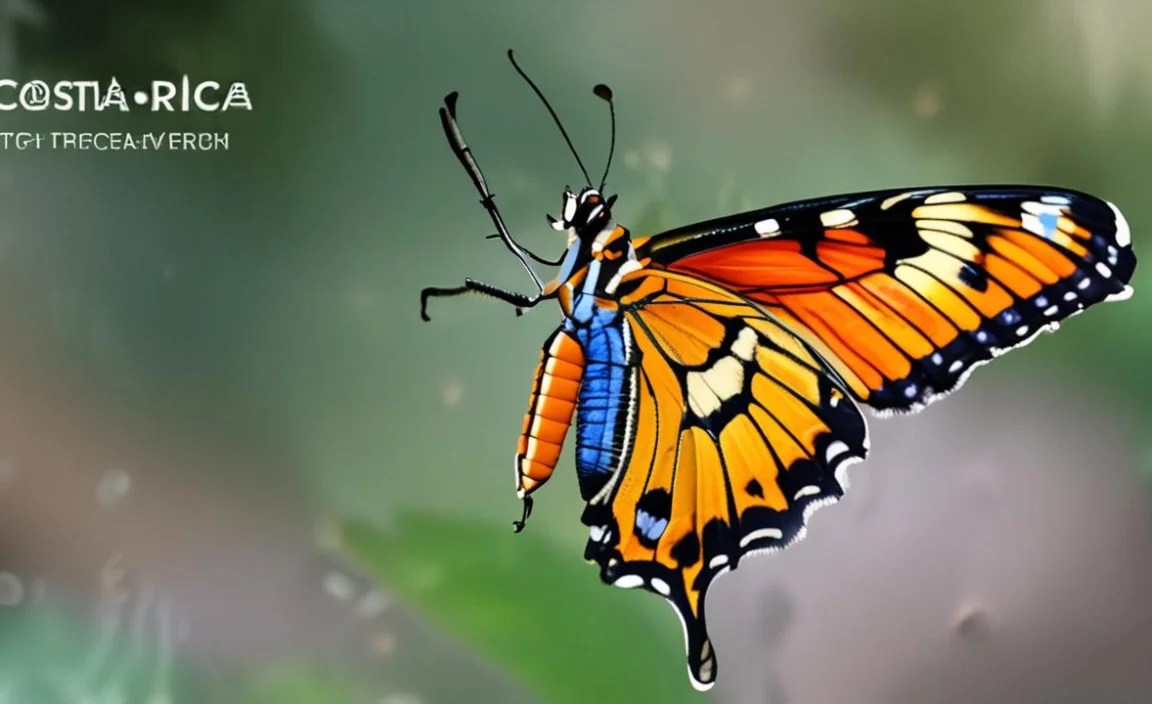
To make the most of your butterfly farm experience, it’s essential to prepare in advance. Here’s what you need to know.
What to Wear and Bring
Dress comfortably and wear light-colored clothing, as butterflies are attracted to bright colors. Bring sunscreen, a hat, and insect repellent to protect yourself from the sun and bugs. Don’t forget your camera to capture the beauty of the butterflies!
- Light-colored clothing: Attracts butterflies.
- Comfortable shoes: You’ll be doing a lot of walking.
- Sunscreen and hat: Protection from the sun.
- Insect repellent: To keep bugs away (though mosquito populations are often low inside the enclosures).
- Camera: To capture the beauty!
Best Time to Visit
The best time to visit a butterfly farm is during the dry season (December to April), when the weather is sunny and the butterflies are most active. However, butterfly farms are open year-round, and you can still enjoy a visit during the rainy season.
Mornings are generally the best time to see butterflies, as they are most active when the sun is shining and the temperature is warm. Arrive early to avoid crowds and have the best chance of seeing the butterflies in their full glory.
Respecting the Butterflies: A Gentle Approach
Remember that butterflies are delicate creatures, so it’s essential to treat them with respect. Avoid touching their wings, as this can damage them. Speak softly and move slowly to avoid startling them. Follow any guidelines provided by the farm staff.
Many butterfly farms have specific rules to protect the butterflies, such as restrictions on flash photography or the use of certain types of insect repellent. Be sure to read and follow these rules to ensure the safety and well-being of the butterflies.
Top Butterfly Farms in Costa Rica

Let’s explore some of the most popular and highly-rated butterfly farms in Costa Rica, giving you a head start on your planning.
La Paz Waterfall Gardens: A Multi-Attraction Experience
La Paz Waterfall Gardens is more than just a butterfly farm; it’s a complete nature experience. In addition to the butterfly observatory, you’ll find stunning waterfalls, lush rainforest trails, and animal exhibits featuring monkeys, sloths, and big cats.
The butterfly observatory is one of the largest in Costa Rica, housing over 40 species of butterflies. The knowledgeable staff can answer your questions and help you identify the different species. The gardens are located about an hour from San José, making it an easy day trip.
Monteverde Butterfly Gardens: Conservation and Education
Located in the cloud forests of Monteverde, these gardens are dedicated to conservation and education. You’ll find a variety of butterfly species adapted to the unique climate of the cloud forest, as well as educational exhibits and programs.
The Monteverde Butterfly Gardens consist of several different climate-controlled habitats, allowing you to see butterflies from various regions of Costa Rica. The guides are passionate about butterflies and conservation, and they’ll share their knowledge with you.
The Butterfly Conservatory (El Castillo): Arenal’s Hidden Gem
Nestled near the base of the Arenal Volcano, The Butterfly Conservatory offers a tranquil escape where you can observe butterflies in a stunning natural setting. The conservatory focuses on educating visitors about the importance of butterfly conservation and the interconnectedness of ecosystems.
In addition to the butterfly gardens, the conservatory features other exhibits showcasing insects, frogs, and other wildlife. The location near Arenal makes it a convenient stop on your itinerary if you’re visiting the volcano and hot springs.
The Ecological Importance of Butterflies

Butterflies are more than just beautiful creatures; they play a vital role in the ecosystem. Understanding their ecological importance can deepen your appreciation for these delicate insects.
Pollination: Nature’s Tiny Helpers
Like bees, butterflies are important pollinators. As they flit from flower to flower, they transfer pollen, which is essential for the reproduction of many plants. Without pollinators like butterflies, many of the fruits, vegetables, and flowers we enjoy would not exist. According to the USDA Forest Service, pollinators are vital to the health of our ecosystems and economy.
Food Source: A Link in the Food Chain
Butterflies and caterpillars are an important food source for many animals, including birds, reptiles, amphibians, and other insects. They are a vital link in the food chain, helping to maintain the balance of the ecosystem. Protecting butterfly populations helps to ensure the survival of other species that depend on them for food.
Indicators of Environmental Health: A Sensitive Species
Butterflies are sensitive to changes in their environment, making them valuable indicators of environmental health. Declining butterfly populations can signal problems such as habitat loss, pollution, and climate change. By monitoring butterfly populations, scientists can gain insights into the overall health of the ecosystem.
Attracting Butterflies to Your Own Garden
Inspired by your visit to a Costa Rica butterfly farm? You can create your own butterfly-friendly habitat at home! By planting the right flowers and providing the right conditions, you can attract these beautiful creatures to your garden.
Planting Host Plants: A Caterpillar Buffet
Butterflies lay their eggs on specific host plants that will provide food for their caterpillars. Research the host plants for the butterfly species you want to attract and plant them in your garden. Milkweed is a popular choice for attracting Monarch butterflies, while passionflower vines are favored by many Heliconian species.
Providing Nectar Sources: A Butterfly Cafe
Adult butterflies need nectar for energy, so plant a variety of nectar-rich flowers in your garden. Choose flowers with bright colors and flat petals that are easy for butterflies to land on. Some popular nectar sources include zinnias, butterfly bushes, and lantana.
Creating a Butterfly-Friendly Environment: Shelter and Water
Butterflies need shelter from the wind and rain, so provide them with trees, shrubs, and other plants to hide in. They also need access to water, so place a shallow dish of water with pebbles or marbles in your garden. The pebbles will give the butterflies a place to land and drink without drowning.
Frequently Asked Questions (FAQ)
Here are some frequently asked questions to help you better understand Costa Rica butterfly farms:
- What is a butterfly farm?
- A butterfly farm is a facility dedicated to breeding and showcasing various butterfly species, often emphasizing conservation and education.
- Why are butterfly farms important?
- They play a vital role in conservation, research, and education. They help maintain butterfly populations, protect habitats, and educate the public.
- What should I wear to a butterfly farm?
- Wear light-colored clothing to attract butterflies, comfortable shoes, and bring sunscreen, a hat, and insect repellent.
- What is the best time to visit a butterfly farm?
- The dry season (December to April) offers sunny weather, making butterflies more active, especially in the morning.
- Can I touch the butterflies?
- It’s best to avoid touching butterflies as it can damage their delicate wings. Observe and appreciate them from a respectful distance.
- Are butterfly farms suitable for children?
- Yes! Butterfly farms are excellent educational and engaging experiences for children of all ages.
- Do butterfly farms offer guided tours?
- Many farms offer guided tours, providing valuable insights into butterfly biology, behavior, and conservation efforts.
Conclusion
A visit to a Costa Rica butterfly farm is an enchanting and educational experience that will leave you with a newfound appreciation for these delicate creatures. From witnessing the butterfly life cycle to learning about conservation efforts, you’ll gain a deeper understanding of the importance of butterflies in the ecosystem.
Whether you’re a nature enthusiast, a student, or simply looking for a unique and memorable experience, a butterfly farm is a must-see destination in Costa Rica. So, pack your bags, grab your camera, and prepare to be amazed by the beauty and wonder of Costa Rica’s butterflies. By supporting these farms, you’re contributing to the conservation of these incredible insects and their habitats for generations to come.


