
Lyropteryx Apollonia Habitat: Find It Here!

Did you know some butterflies are super picky about where they live? Imagine only liking one kind of house! The *Lyropteryx apollonia* is a butterfly like that. Its *habitat* is very special. Where do these beautiful butterflies call home? Let’s find out about the *Lyropteryx apollonia habitat*.
These butterflies need specific places to live. They need the right plants and weather. Without these, they cannot survive. It’s important to protect their homes. This helps them and other creatures too.
Key Takeaways
- Protecting the *Lyropteryx apollonia habitat* helps maintain biodiversity.
- The butterflies need specific plants for food and laying eggs.
- Cloud forests in Ecuador and Peru are their primary homes.
- Deforestation seriously threatens the *Lyropteryx apollonia*.
- Conservation efforts are key to the butterfly’s survival.
Understanding Lyropteryx Apollonia Habitat

The *Lyropteryx apollonia* is a small, beautiful butterfly. It belongs to the Riodinidae family. These butterflies are known for their bright colors. They also have unique wing patterns. The *Lyropteryx apollonia habitat* is very specific. These butterflies live in cloud forests. Cloud forests are special rainforests. They are high in the mountains. They are often covered in clouds. This makes them cool and wet. The *Lyropteryx apollonia* needs this environment to survive. The right temperature is important. They also need certain plants. These plants are food for the caterpillars. Without these plants, the caterpillars cannot grow. Protecting these habitats is very important. It helps the butterflies and other animals too. These cloud forests are home to many creatures. These creatures include birds, frogs, and insects.
- Cloud forests are high in the mountains.
- These forests are cool and wet.
- Specific plants are needed for caterpillars.
- The butterflies are brightly colored.
- Protecting habitats is very important.
The *Lyropteryx apollonia* is found in specific regions. These regions are in South America. They include parts of Ecuador and Peru. These areas have the right cloud forests. The cloud forests are at the right altitude. They also have the right plants. The butterflies depend on these plants for food. The caterpillars eat the leaves of these plants. The adult butterflies drink nectar from the flowers. The *Lyropteryx apollonia habitat* faces many threats. Deforestation is a big problem. People are cutting down the forests. This destroys the butterflies’ homes. Climate change is also a threat. It can change the temperature and rainfall. This can affect the plants that the butterflies need. We need to protect these cloud forests. This will help the *Lyropteryx apollonia* survive.
Fun Fact or Stat: Cloud forests make up less than 1% of global woodlands, yet they house some of the planet’s rarest species!
Why Are Cloud Forests Important?
Have you ever wondered why some places are so special? Cloud forests are one of these places. They are like magical gardens in the sky. These forests grow high up in the mountains. Clouds often cover them. This makes them cool and misty. Cloud forests are home to many unique plants and animals. The *Lyropteryx apollonia* butterfly lives there. These forests help us too. They provide fresh water. They also help clean the air. When we protect cloud forests, we protect the *Lyropteryx apollonia habitat*. We also protect our planet. These forests are very important for everyone.
What Role Does Altitude Play?
Imagine climbing a tall mountain. As you go higher, the air gets cooler. The same thing happens in cloud forests. The *Lyropteryx apollonia* lives at a specific altitude. This altitude is just right for them. It’s not too hot, and not too cold. The plants they need also grow at this altitude. If the altitude changes, the butterflies might not survive. Climate change can affect the altitude. This can make it too warm for the butterflies. Protecting their *habitat* means protecting the right altitude.
What Plants Does the Butterfly Need?
Butterflies are picky eaters. The *Lyropteryx apollonia* is no different. The caterpillars only eat certain plants. These plants are their main food source. Without these plants, they cannot grow into butterflies. The adult butterflies drink nectar from specific flowers. These flowers give them energy. If these plants disappear, the butterflies will disappear too. Protecting the *Lyropteryx apollonia habitat* means protecting these plants. We need to make sure they have enough to eat.
Threats to Lyropteryx Apollonia Habitat

The *Lyropteryx apollonia habitat* faces many dangers. Deforestation is a big problem. People cut down trees for wood and land. This destroys the butterflies’ homes. Climate change is another threat. It can change the weather patterns. This can affect the plants that the butterflies need. Pollution can also harm the butterflies. Pesticides can poison them. Habitat fragmentation is also a problem. This happens when forests are broken up into smaller pieces. This makes it harder for the butterflies to find food and mates. Protecting the *Lyropteryx apollonia* means protecting their homes from these threats. We need to reduce deforestation. We also need to fight climate change. We can also reduce pollution. This will help the butterflies survive.
- Deforestation destroys their homes.
- Climate change affects their food.
- Pollution can poison the butterflies.
- Habitat fragmentation isolates them.
- These threats endanger their survival.
The *Lyropteryx apollonia* is a small butterfly. But it plays a big role in its ecosystem. It helps pollinate plants. It also serves as food for other animals. When the butterfly disappears, it can affect the whole ecosystem. Protecting its *habitat* is important for the whole environment. We need to work together to protect these forests. This will help the *Lyropteryx apollonia* and other creatures survive. We can support organizations that protect forests. We can also reduce our carbon footprint. This will help fight climate change. Every little bit helps.
Fun Fact or Stat: Butterflies are important pollinators, just like bees, helping plants reproduce and thrive!
How Does Deforestation Affect Butterflies?
Imagine your house being torn down. That’s what happens to butterflies when forests are cut down. Deforestation destroys their homes. It also removes their food source. Butterflies need specific plants to survive. When these plants are gone, the butterflies cannot live there. Deforestation also breaks up their *habitat*. This makes it harder for them to find mates. The *Lyropteryx apollonia* is especially vulnerable. They live in specific cloud forests. When these forests are destroyed, they have nowhere else to go. We need to stop deforestation to protect these butterflies.
What is Habitat Fragmentation?
Imagine a forest that’s been cut into small pieces. This is called habitat fragmentation. It’s like breaking up a big neighborhood into tiny blocks. This makes it hard for animals to move around. The *Lyropteryx apollonia* needs a large, connected *habitat*. This allows them to find food and mates. When their habitat is fragmented, they become isolated. This makes it harder for them to survive. Habitat fragmentation is a big threat to these butterflies. We need to protect large areas of forest to prevent it.
Can Climate Change Harm the Butterflies?
The weather is changing all over the world. This is called climate change. It can affect the *Lyropteryx apollonia habitat*. Climate change can change the temperature and rainfall. This can affect the plants that the butterflies need. If the plants disappear, the butterflies will disappear too. Climate change can also cause extreme weather events. These events can destroy their *habitat*. We need to fight climate change to protect these butterflies.
Conservation Efforts for Lyropteryx Apollonia

Many people are working to save the *Lyropteryx apollonia*. Conservation efforts are very important. These efforts include protecting their *habitat*. They also include planting new trees. Some organizations are working with local communities. They are teaching them about the importance of conservation. These communities can help protect the butterflies’ homes. Research is also important. Scientists are studying the butterflies. They are learning about their needs. This information can help us protect them better. We can all help too. We can support conservation organizations. We can also reduce our impact on the environment. Every little bit helps to save these beautiful butterflies.
- Protecting their cloud forest habitat.
- Planting new trees to restore forests.
- Working with local communities.
- Studying the butterflies’ needs.
- Supporting conservation organizations.
The *Lyropteryx apollonia* is a special butterfly. It is a symbol of the cloud forests. These forests are important for the whole planet. They provide clean water and air. They also help regulate the climate. Protecting the *Lyropteryx apollonia habitat* helps protect these forests. This benefits everyone. We need to work together to ensure the survival of these butterflies. We can learn from them. They teach us about the importance of biodiversity. They also teach us about the interconnectedness of nature. By protecting them, we protect ourselves.
Fun Fact or Stat: Many conservation groups rely on citizen scientists to track butterfly populations and their habitats!
What Organizations Help the Butterflies?
Many organizations are working to protect the *Lyropteryx apollonia*. These groups work hard to save their *habitat*. They plant trees and protect forests. They also educate people about the butterflies. Some of these organizations include rainforest conservation funds. They also work with local communities. These communities help protect the butterflies’ homes. You can support these organizations by donating or volunteering. Every little bit helps to save these beautiful butterflies.
How Can Local Communities Help?
Local communities play a big role in conservation. They live near the *Lyropteryx apollonia habitat*. They can help protect the forests. They can also help plant new trees. Some communities are trained as park rangers. They patrol the forests and prevent deforestation. They also educate others about the importance of conservation. By working with local communities, we can protect these butterflies. This also helps the communities themselves. They benefit from the forests too. The forests provide them with clean water and resources.
What Research Is Being Done?
Scientists are studying the *Lyropteryx apollonia*. They are learning about their needs. They are also studying their *habitat*. This research helps us protect them better. Scientists are tracking their populations. They are also studying their behavior. This information can help us understand how to conserve them. Research is essential for effective conservation. It helps us make informed decisions about how to protect these butterflies.
Importance of Cloud Forests
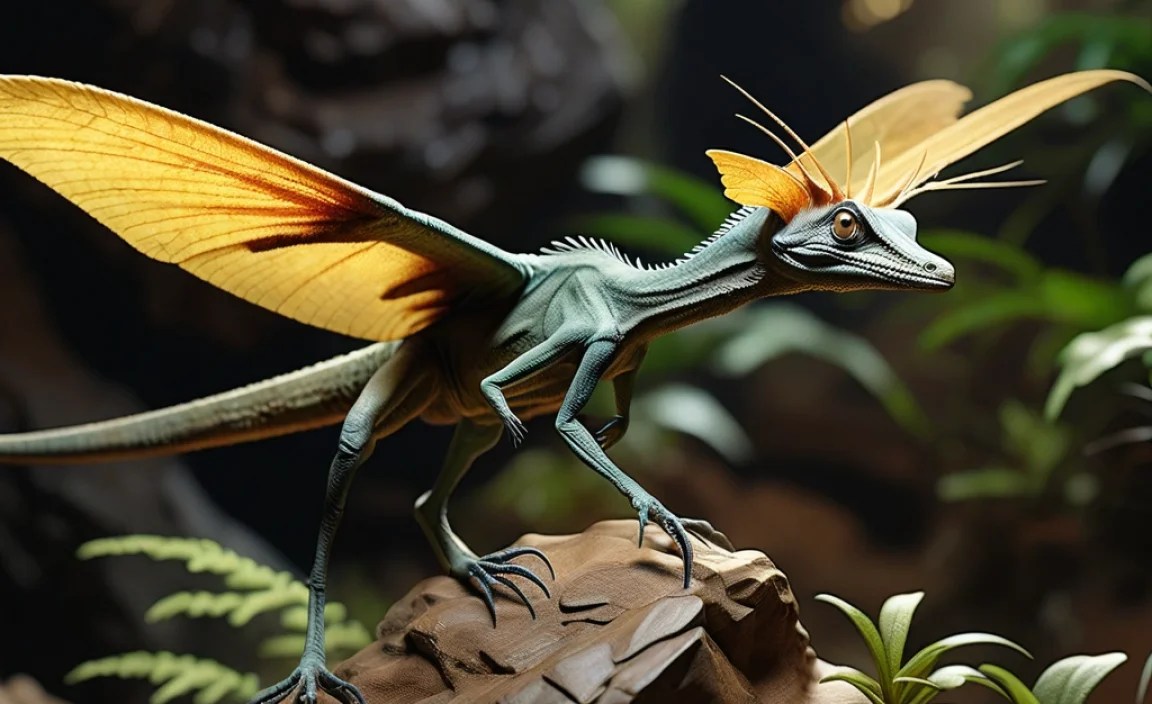
Cloud forests are very important ecosystems. They are home to many unique plants and animals. The *Lyropteryx apollonia* lives in these forests. Cloud forests also provide important services. They provide clean water. They also help regulate the climate. These forests are like sponges. They absorb water from the clouds. Then, they release it slowly over time. This helps prevent floods and droughts. Protecting cloud forests is important for everyone. It helps protect the *Lyropteryx apollonia habitat*. It also helps protect our planet. We need to work together to conserve these forests.
- They are home to unique species.
- They provide clean water sources.
- They help regulate the climate.
- They prevent floods and droughts.
- Protecting them benefits everyone.
The *Lyropteryx apollonia* is a symbol of the cloud forests. It reminds us of the importance of biodiversity. Biodiversity means the variety of life on Earth. Cloud forests have a lot of biodiversity. They are home to many different species. These species depend on each other. When one species disappears, it can affect the whole ecosystem. Protecting the *Lyropteryx apollonia habitat* helps protect this biodiversity. It ensures that these forests remain healthy and vibrant. We need to appreciate and protect these special places.
Fun Fact or Stat: Cloud forests capture and filter water more efficiently than any other type of forest!
What Makes Cloud Forests Unique?
Cloud forests are special because of their location. They grow high up in the mountains. They are often covered in clouds. This makes them cool and misty. The constant moisture creates a unique environment. Many plants and animals have adapted to this environment. These include orchids, mosses, and ferns. The *Lyropteryx apollonia* is one of these unique creatures. They depend on the specific conditions of cloud forests. These conditions are not found anywhere else.
How Do Cloud Forests Help Us?
Cloud forests provide many benefits to humans. They provide clean water for drinking and irrigation. They also help regulate the climate. They absorb carbon dioxide from the atmosphere. This helps reduce climate change. Cloud forests also protect against soil erosion. Their roots hold the soil in place. This prevents landslides. By protecting cloud forests, we protect ourselves. We ensure a sustainable future for everyone.
What Other Animals Live There?
Cloud forests are home to many different animals. These include birds, monkeys, and frogs. There are also many insects and spiders. Each animal plays a role in the ecosystem. Some animals eat plants. Others eat other animals. The *Lyropteryx apollonia* is part of this food web. It is eaten by birds and other predators. Protecting the butterflies helps protect the whole ecosystem. It ensures that all the animals can thrive.
Plants of the Lyropteryx Apollonia Habitat
The *Lyropteryx apollonia* depends on specific plants. These plants provide food for the caterpillars. They also provide nectar for the adult butterflies. The caterpillars eat the leaves of certain plants. These plants are often rare and unique. The adult butterflies drink nectar from flowers. These flowers provide them with energy. The *Lyropteryx apollonia habitat* must have these plants. Without them, the butterflies cannot survive. Protecting these plants is essential for protecting the butterflies. We need to make sure they have enough to eat.
| Plant Name | Importance to Butterfly | Habitat | Conservation Status |
|---|---|---|---|
| Specific Nectar Flower A | Nectar source for adults | Cloud forests | Vulnerable |
| Specific Nectar Flower B | Alternative nectar source | Cloud forests | Near Threatened |
| Host Plant A | Larval food source | Cloud forests | Endangered |
| Host Plant B | Larval food source | Cloud forests | Endangered |
- Specific plants feed the caterpillars.
- Flowers provide nectar for adults.
- Some plants are rare and unique.
- Protecting plants protects butterflies.
- Butterflies need specific food sources.
The *Lyropteryx apollonia habitat* is a complex ecosystem. The plants and animals depend on each other. When one part of the ecosystem is damaged, it can affect the whole system. Protecting the plants is important for the butterflies. It is also important for other animals. Many animals depend on these plants for food and shelter. By protecting the *Lyropteryx apollonia habitat*, we protect the whole ecosystem. We ensure that it remains healthy and vibrant for future generations.
Fun Fact or Stat: Some butterflies can taste with their feet, helping them find the right plants to lay their eggs on!
What Kind of Leaves Do Caterpillars Eat?
Caterpillars are picky eaters. They only eat certain types of leaves. The *Lyropteryx apollonia* caterpillars eat the leaves of specific plants. These plants are often rare and unique. The caterpillars need these leaves to grow and develop. Without these leaves, they cannot turn into butterflies. Protecting these plants is essential for the survival of the *Lyropteryx apollonia*. We need to make sure they have enough to eat.
What Flowers Provide Nectar?
Adult butterflies drink nectar from flowers. Nectar is a sweet liquid that gives them energy. The *Lyropteryx apollonia* drinks nectar from specific flowers. These flowers provide them with the energy they need to fly and reproduce. The flowers are often brightly colored. This attracts the butterflies. Protecting these flowers is important for the butterflies. We need to make sure they have enough to eat.
Why Are These Plants Important?
The plants in the *Lyropteryx apollonia habitat* are essential. They provide food and shelter for the butterflies. They also support other animals in the ecosystem. These plants help keep the soil healthy. They also help regulate the water cycle. Without these plants, the ecosystem would collapse. Protecting these plants is important for the whole planet. It helps ensure a healthy and sustainable future.
Climate and Weather in the Habitat
The *Lyropteryx apollonia habitat* has a specific climate. It is cool and wet. Cloud forests are often covered in clouds. This makes them moist. The temperature is also consistent. It does not get too hot or too cold. The butterflies are adapted to this climate. They need the cool, moist conditions to survive. Climate change can affect this climate. It can change the temperature and rainfall. This can affect the *Lyropteryx apollonia habitat*. Protecting the climate is important for protecting the butterflies.
- Cool and wet climate is needed.
- Cloud cover is often present.
- Temperature is consistent.
- Butterflies are adapted to this climate.
- Climate change is a threat.
The *Lyropteryx apollonia* is a delicate butterfly. It is sensitive to changes in its environment. Even small changes in temperature or rainfall can affect it. This makes it vulnerable to climate change. We need to reduce our carbon footprint. This will help fight climate change. It will also help protect the *Lyropteryx apollonia habitat*. We can drive less. We can also use less energy. Every little bit helps to save these butterflies.
Fun Fact or Stat: Some butterfly species migrate thousands of miles to find the right climate and breeding conditions!
How Does Rain Affect the Butterflies?
Rain is very important in the *Lyropteryx apollonia habitat*. Cloud forests are known for their frequent rainfall. This rain keeps the forests moist. It also provides water for the plants. The butterflies need this moisture to survive. The rain helps keep the temperature cool. It also helps wash away pollutants. Climate change can affect the rainfall patterns. This can harm the butterflies.
What Happens During Dry Seasons?
Even cloud forests can have dry seasons. During these times, there is less rain. The *Lyropteryx apollonia* can struggle during dry seasons. The plants may dry out. This can reduce the food supply for the caterpillars. The butterflies may also have a harder time finding water. Climate change can make dry seasons longer and more severe. This can further threaten the butterflies.
Why Is Consistent Temperature Important?
The *Lyropteryx apollonia* needs a consistent temperature. They are adapted to the cool, moist conditions of cloud forests. If the temperature gets too hot, they can overheat. If it gets too cold, they can freeze. Climate change can cause temperature fluctuations. This can stress the butterflies. It can also affect their ability to reproduce. Maintaining a consistent temperature is essential for their survival.
Summary
The *Lyropteryx apollonia* is a small butterfly. It lives in cloud forests in Ecuador and Peru. These forests are its *habitat*. The *Lyropteryx apollonia* depends on specific plants and a cool, wet climate. Deforestation and climate change threaten its survival. Conservation efforts are needed to protect this butterfly. These efforts include protecting its habitat. They also include working with local communities. We can all help by supporting conservation organizations. We can also reduce our impact on the environment. Every little bit helps to save these beautiful butterflies and their unique homes.
Conclusion
The *Lyropteryx apollonia* is more than just a butterfly. It is a symbol of the cloud forests. These forests are important for the whole planet. Protecting its *habitat* is essential. We must act now to save this species. We can support conservation efforts. We can also make changes in our own lives. Together, we can ensure the survival of the *Lyropteryx apollonia*. Let’s protect this beautiful butterfly and its precious home.
Frequently Asked Questions
Question No 1: What is the Lyropteryx apollonia?
Answer: The *Lyropteryx apollonia* is a small, brightly colored butterfly. It belongs to the Riodinidae family. These butterflies are known for their unique wing patterns. They live in specific cloud forests. These forests are in Ecuador and Peru. The butterfly is an indicator species. This means its health reflects the health of its *habitat*. If the butterflies are thriving, the cloud forest is likely healthy.
Question No 2: Where does the Lyropteryx apollonia live?
Answer: The *Lyropteryx apollonia* lives in cloud forests. These forests are high in the Andes Mountains. They are found in Ecuador and Peru. The *Lyropteryx apollonia habitat* is very specific. It needs the cool, wet climate of cloud forests. It also needs certain plants for food. These plants are essential for the caterpillars to grow. The exact location is crucial for their survival.
Question No 3: Why is the Lyropteryx apollonia endangered?
Answer: The *Lyropteryx apollonia* is endangered because of habitat loss. Deforestation is a major threat. People are cutting down the forests for wood and land. Climate change is also a threat. It can change the weather patterns. This affects the plants that the butterflies need. Pollution and habitat fragmentation also play a role. These factors all contribute to the decline of the *Lyropteryx apollonia*.
Question No 4: What can be done to protect the Lyropteryx apollonia?
Answer: Many things can be done to protect the *Lyropteryx apollonia*. Protecting their *habitat* is the most important thing. This means preventing deforestation. It also means fighting climate change. Supporting conservation organizations is also helpful. These groups work to protect the butterflies. Educating others about the importance of conservation is also key. This helps raise awareness and inspire action. Any effort can make a difference.
Question No 5: What is a cloud forest?
Answer: A cloud forest is a type of rainforest. It is found high in the mountains. Cloud forests are often covered in clouds. This makes them cool and wet. They are home to many unique plants and animals. Cloud forests play an important role in regulating the climate. They also provide clean water. The *Lyropteryx apollonia habitat* is found within these special forests. They are incredibly important ecosystems.
Question No 6: How can I help protect the Lyropteryx apollonia habitat?
Answer: You can help protect the *Lyropteryx apollonia habitat* in many ways. Reduce your carbon footprint to fight climate change. Support organizations that protect forests. Educate your friends and family about the importance of conservation. You can also volunteer your time to help with conservation efforts. Even small actions can make a big difference. Protecting the butterflies starts with awareness and action. Make sure to support sustainable practices.


