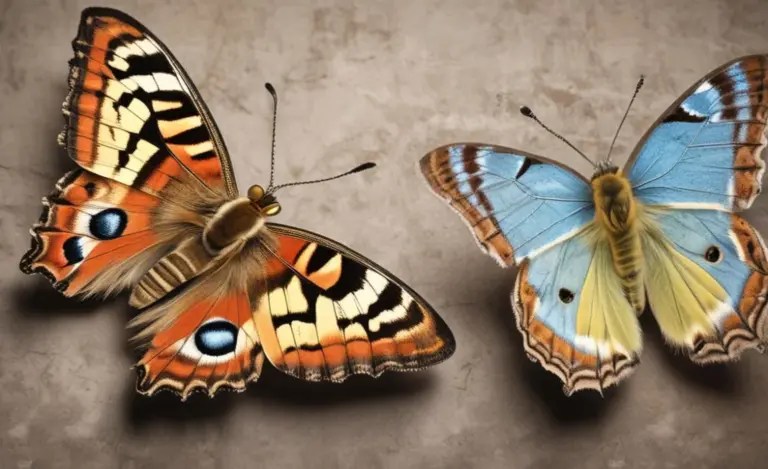
Evolutionary Adaptation of Butterflies: Secrets Revealed

Butterflies adapt to survive through changes in color, size, and behavior over many generations. This helps them hide from predators, find food, and live in different environments. These amazing changes are driven by natural selection, where the butterflies best suited to their surroundings are more likely to survive and reproduce.
Have you ever wondered how butterflies can be so different from each other? From the bright Monarch to the camouflaged Oak Leaf, each butterfly species has evolved unique traits that help it thrive. These adaptations aren’t just random; they are the result of millions of years of natural selection. It’s a fascinating story of survival, where the environment shapes these delicate creatures in incredible ways.
In this article, we’ll explore the captivating world of butterfly evolution. We’ll uncover how butterflies have adapted to protect themselves, find food, and conquer new habitats. Get ready to discover the clever strategies these winged wonders use to survive and flourish!
What is Evolutionary Adaptation in Butterflies?
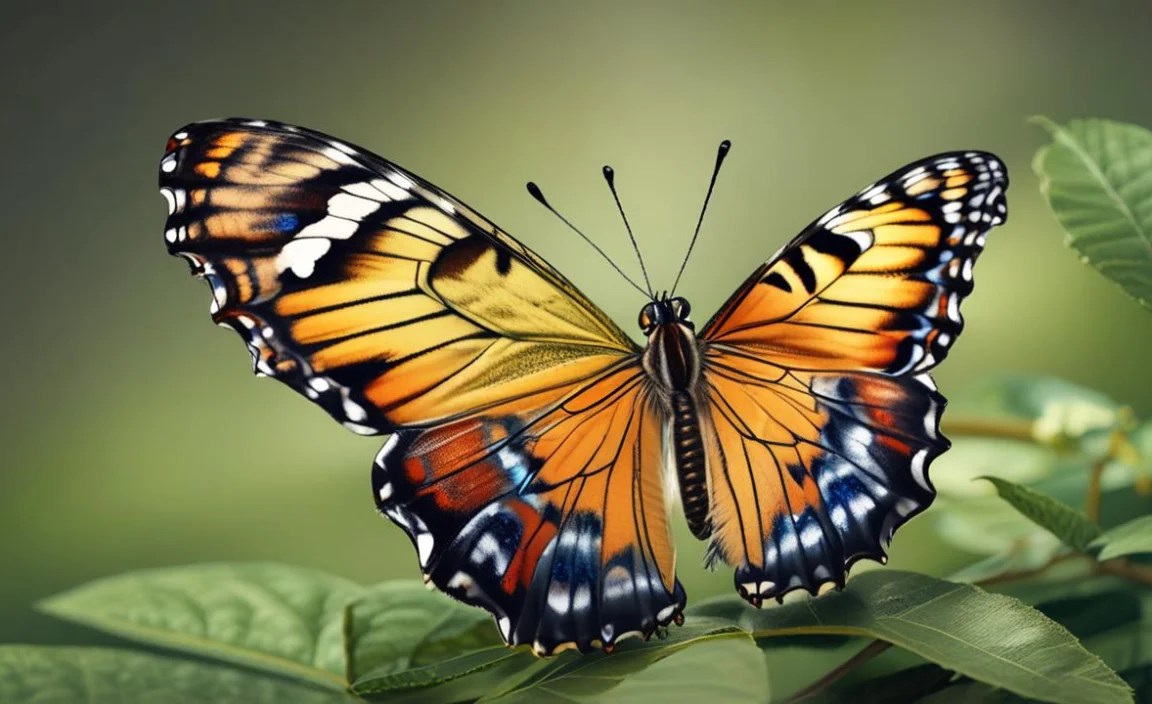
Evolutionary adaptation is how butterflies change over time to better fit their environment. These changes, which happen over many generations, help them survive and reproduce. Let’s dive into some key aspects of this fascinating process.
Natural Selection: The Driving Force
Natural selection is the main process behind adaptation. Butterflies with traits that help them survive—like better camouflage or more efficient feeding—are more likely to pass those traits on to their offspring. Over time, these helpful traits become more common in the population.
For example, imagine a group of butterflies where some have slightly darker wings. If the environment becomes darker due to pollution, the darker butterflies are harder for birds to spot. They survive longer, reproduce more, and eventually, the entire population becomes darker.
Genetic Variation: The Raw Material
Genetic variation is the differences in genes among individual butterflies. This variation comes from mutations (random changes in DNA) and genetic recombination (mixing of genes during reproduction). Without genetic variation, there would be no raw material for natural selection to act upon.
Think of it like having different ingredients in a kitchen. The more ingredients you have, the more dishes you can create. Similarly, the more genetic variation in a butterfly population, the more potential there is for adaptation to different environmental challenges. You can learn more about genetic variation from sources like the Nature Education website.
Environmental Pressures: The Challenges
Environmental pressures are the challenges that butterflies face in their habitat. These can include predators, lack of food, climate changes, and competition with other species. These pressures “select” which traits are most beneficial.
For instance, if a new predator arrives in an area, butterflies that can fly faster or have better camouflage will be more likely to survive. Over time, the butterfly population will adapt to include more individuals with these traits.
Key Evolutionary Adaptations in Butterflies
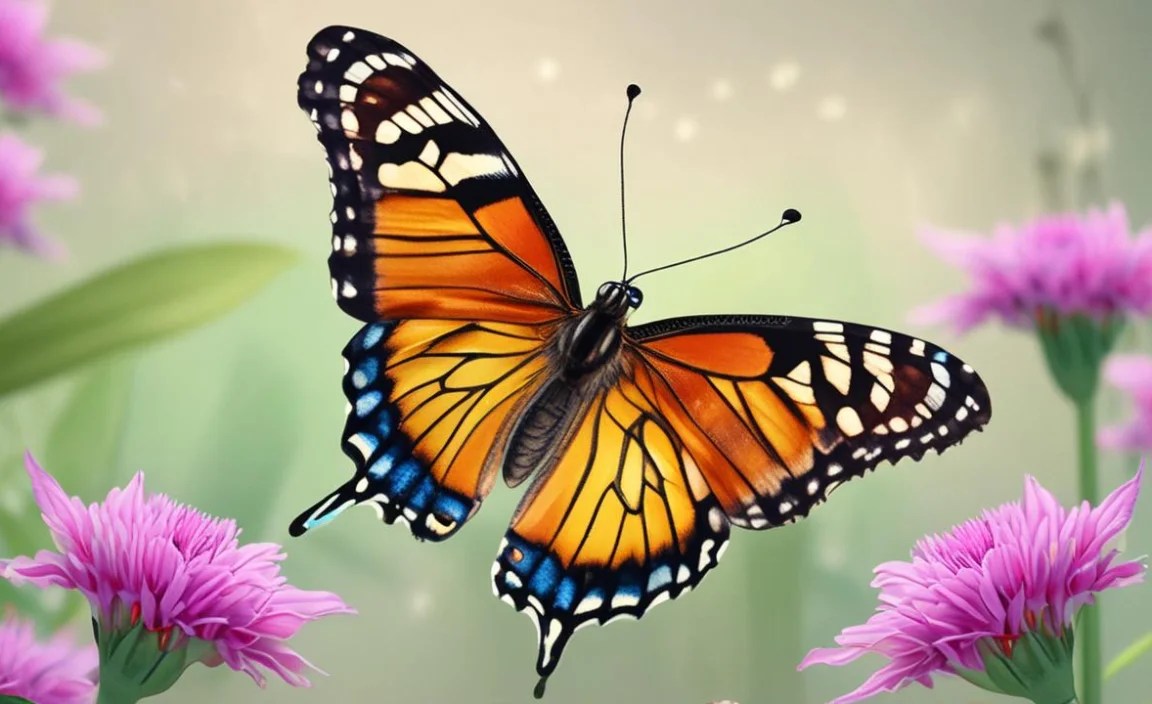
Butterflies have developed a wide range of adaptations to survive in diverse environments. These adaptations can be grouped into several key categories, each playing a crucial role in their survival.
Camouflage and Mimicry
Camouflage helps butterflies blend in with their surroundings, making it harder for predators to spot them. Mimicry involves one species evolving to resemble another species, often to gain protection.
- Camouflage: Some butterflies, like the Oak Leaf butterfly, have wings that look exactly like dead leaves. This allows them to disappear against the forest floor.
- Batesian Mimicry: This is when a harmless species mimics a harmful one. The Viceroy butterfly, for example, mimics the Monarch butterfly, which is poisonous to many predators because it feeds on milkweed. Predators that have learned to avoid Monarchs also avoid Viceroys.
- Müllerian Mimicry: This is when two or more harmful species mimic each other. This reinforces the warning signal to predators. For example, several species of brightly colored butterflies that are poisonous look similar, so predators quickly learn to avoid them all.
Coloration and Patterns
The colors and patterns on a butterfly’s wings can serve many purposes, from attracting mates to warning predators.
- Aposematism (Warning Coloration): Bright, contrasting colors warn predators that the butterfly is toxic or distasteful. The Monarch butterfly is a classic example.
- Sexual Selection: Bright colors and intricate patterns can also attract mates. Male butterflies often have more vibrant colors than females, and females choose mates based on these visual cues.
- Thermoregulation: Dark-colored wings can absorb more sunlight, helping butterflies warm up in cooler climates. Some butterflies have different wing colors on the upper and lower surfaces to optimize thermoregulation.
Feeding Adaptations
Butterflies have evolved specialized mouthparts and behaviors to efficiently extract nectar from flowers.
- Proboscis: The butterfly’s proboscis is a long, straw-like tongue that it uses to sip nectar. When not in use, it coils up neatly under the butterfly’s head. The length and shape of the proboscis can vary depending on the types of flowers the butterfly feeds on.
- Nectar Guides: Some butterflies have evolved to see ultraviolet patterns on flowers that guide them to the nectar. These patterns, invisible to humans, help butterflies find food more efficiently.
- Host Plant Specialization: Many butterfly species have larvae (caterpillars) that can only feed on specific host plants. This specialization ensures that the caterpillars have access to the right nutrients and chemicals they need to grow and develop.
Behavioral Adaptations
Butterfly behavior also plays a significant role in their survival. These behaviors can include migration, mating rituals, and predator avoidance strategies.
- Migration: The Monarch butterfly is famous for its long-distance migration, traveling thousands of miles each year to overwinter in warmer climates. This behavior allows them to avoid harsh winter conditions. You can read more about Monarch migration on the World Wildlife Fund website.
- Mating Rituals: Many butterflies have elaborate mating rituals that involve visual displays, pheromones, and courtship flights. These rituals help ensure that males and females recognize each other as the same species and that the female chooses a healthy, strong mate.
- Predator Avoidance: Butterflies use a variety of behaviors to avoid predators, such as flying erratically, dropping to the ground, or playing dead. Some butterflies also have eyespots on their wings that startle predators or redirect attacks away from their vital organs.
Examples of Butterfly Adaptation
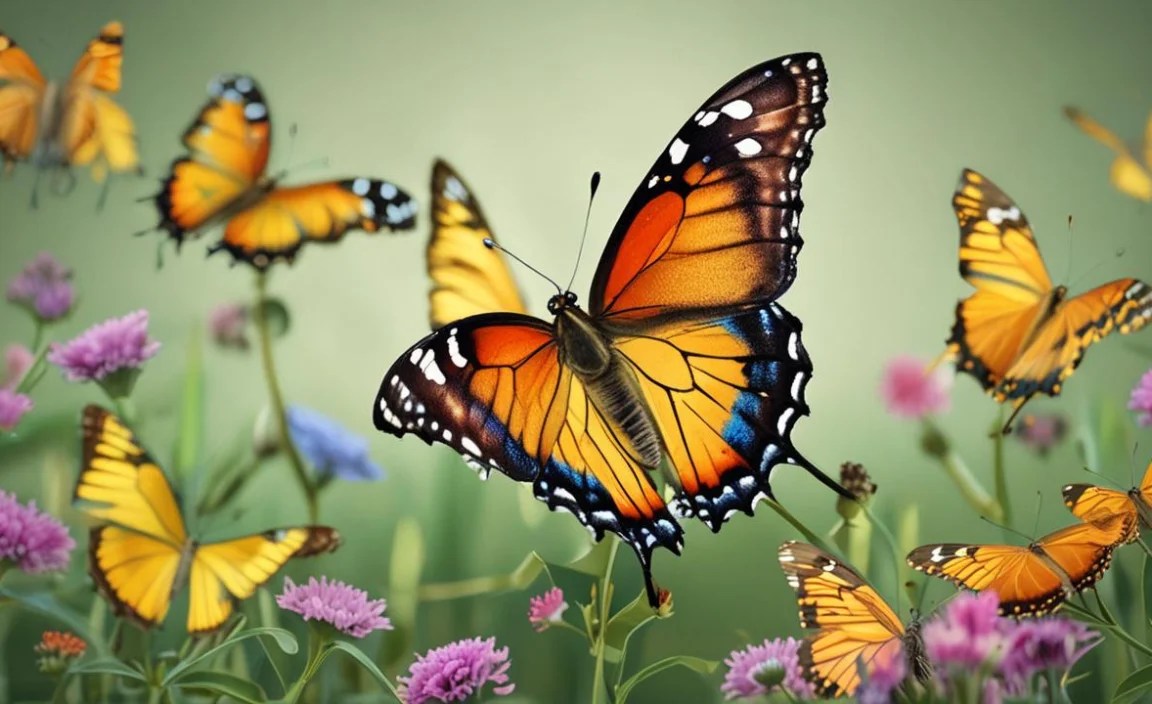
Let’s look at some specific examples of how butterflies have adapted to their environments.
The Monarch Butterfly
The Monarch butterfly (Danaus plexippus) is perhaps one of the most well-known examples of adaptation. Its bright orange and black wings serve as a warning to predators that it is toxic, thanks to the milkweed it consumes as a caterpillar. Monarchs also undertake an incredible multi-generational migration across North America to avoid freezing temperatures.
The Peppered Moth
While technically a moth, the story of the Peppered Moth (Biston betularia) is a classic example of natural selection. In pre-industrial England, the moth was typically light-colored, which helped it blend in with the lichen-covered trees. However, as industrial pollution darkened the tree bark, dark-colored moths became more common because they were better camouflaged. This shift in population is a clear example of adaptation to environmental change.
Swallowtail Butterflies
Swallowtail butterflies (Papilio spp.) exhibit a wide range of adaptations depending on their geographic location. Some species have evolved to mimic toxic butterflies, while others have developed unique color patterns to attract mates or camouflage themselves. Their caterpillars also have interesting defense mechanisms, such as osmeteria (fleshy, snake-like organs) that they can extend to scare away predators.
How Climate Change Affects Butterfly Adaptation
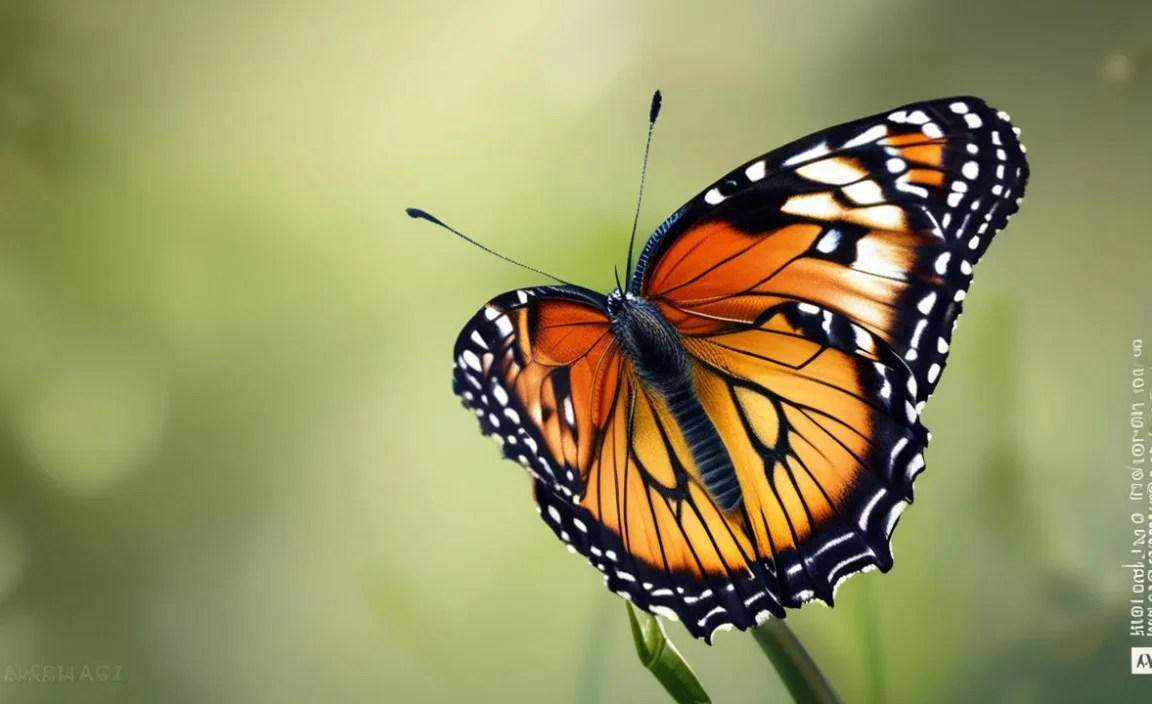
Climate change is posing new challenges for butterflies, and their ability to adapt will be crucial for their survival. Here are some ways climate change is impacting butterfly adaptation:
- Shifting Habitats: As temperatures rise, many butterfly species are shifting their ranges northward or to higher elevations in search of suitable habitats. However, not all species can move quickly enough to keep up with the changing climate, and some may become isolated or trapped in unsuitable areas.
- Changes in Host Plant Availability: Climate change can also affect the availability and quality of host plants that caterpillars rely on for food. Changes in temperature and rainfall can alter plant growth cycles, leading to mismatches between caterpillar development and host plant availability.
- Increased Frequency of Extreme Weather Events: Extreme weather events like droughts, floods, and heatwaves can devastate butterfly populations, especially during vulnerable life stages like egg and larval development. These events can also disrupt migration patterns and reduce genetic diversity.
| Climate Change Impact | Effect on Butterflies | Adaptation Strategies |
|---|---|---|
| Habitat Loss | Reduced breeding sites | Shifting ranges, habitat restoration |
| Host Plant Changes | Nutritional deficiencies | Switching host plants, altered feeding behavior |
| Extreme Weather | Increased mortality | Earlier emergence, seeking shelter |
Conserving Butterflies in a Changing World
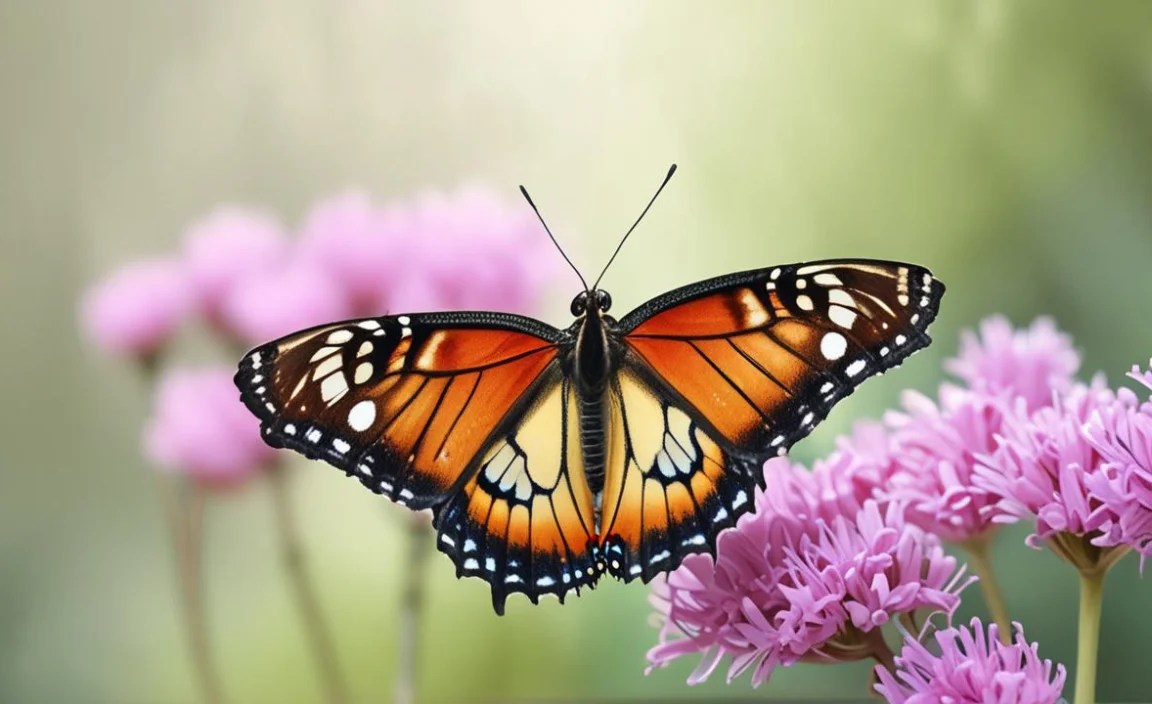
Conserving butterflies requires a multi-faceted approach that addresses the various threats they face. Here are some key strategies:
- Habitat Preservation and Restoration: Protecting and restoring butterfly habitats is crucial for providing them with the resources they need to survive. This can involve creating butterfly gardens, planting native host plants, and managing land to promote biodiversity.
- Reducing Pesticide Use: Pesticides can be harmful to butterflies and other pollinators, so it’s important to reduce their use in gardens and agricultural areas. Consider using organic gardening methods and choosing butterfly-friendly alternatives.
- Addressing Climate Change: Mitigating climate change is essential for protecting butterflies in the long term. This can involve reducing greenhouse gas emissions, promoting sustainable land use practices, and supporting policies that protect biodiversity.
- Citizen Science: Participating in citizen science projects can help scientists track butterfly populations and monitor the impacts of climate change. You can contribute valuable data by reporting butterfly sightings, monitoring butterfly gardens, and participating in butterfly counts.
FAQ About Butterfly Adaptation
1. How long does it take for butterflies to adapt?
Adaptation can take many generations, often spanning several years to even decades, depending on the environmental pressures and the genetic diversity within the butterfly population.
2. Can butterflies adapt to any environmental change?
While butterflies are adaptable, there are limits. If the environmental change is too rapid or extreme, or if the butterfly population lacks the necessary genetic variation, they may not be able to adapt quickly enough to survive.
3. What role do humans play in butterfly adaptation?
Humans have a significant impact on butterfly adaptation through habitat destruction, pesticide use, and climate change. By reducing these threats and promoting conservation, we can help butterflies adapt and thrive.
4. Do all butterflies migrate?
No, not all butterflies migrate. Migration is a specific adaptation that allows some species, like the Monarch, to avoid harsh environmental conditions. Other butterflies stay in the same area year-round.
5. What is the difference between camouflage and mimicry?
Camouflage is when a butterfly blends in with its environment to avoid detection, while mimicry is when a butterfly resembles another species for protection.
6. How can I help butterflies adapt to climate change in my backyard?
You can help by planting native host plants and nectar sources, providing a water source, avoiding pesticide use, and creating a sheltered habitat.
7. Are butterfly adaptations permanent?
Adaptations are not necessarily permanent. If the environment changes again, different traits may become more advantageous, and the butterfly population may evolve in a new direction.
Conclusion
The evolutionary adaptations of butterflies are a testament to the power of natural selection and the resilience of life. From camouflage and mimicry to specialized feeding habits and migratory behaviors, butterflies have evolved a remarkable array of strategies to survive and thrive in diverse environments. However, with climate change and habitat loss posing new challenges, it is more important than ever to protect these delicate creatures and their habitats.
By understanding the adaptations of butterflies and the threats they face, we can take action to support their conservation and ensure that future generations can enjoy the beauty and wonder of these amazing insects. Whether it’s planting a butterfly garden, reducing pesticide use, or supporting conservation organizations, every effort counts. Let’s work together to create a world where butterflies can continue to adapt and flourish for years to come.