
Field Guide to Butterflies: Your Easy ID Guide

A field guide to butterflies helps you identify these beautiful insects, understand their life cycle, and appreciate their role in nature. This guide covers identifying common species, understanding butterfly habitats, and contributing to conservation efforts, making butterfly watching accessible and enjoyable for everyone.
Butterflies fill our gardens and meadows with color and grace. But how do you tell a Monarch from a Viceroy, or a Swallowtail from a Painted Lady? It can seem daunting, but with a little guidance, you can unlock the secrets of the butterfly world. This guide will equip you with the knowledge to identify different species, understand their habitats, and even contribute to their conservation. Get ready to explore the captivating world of butterflies!
Getting Started with Butterfly Identification
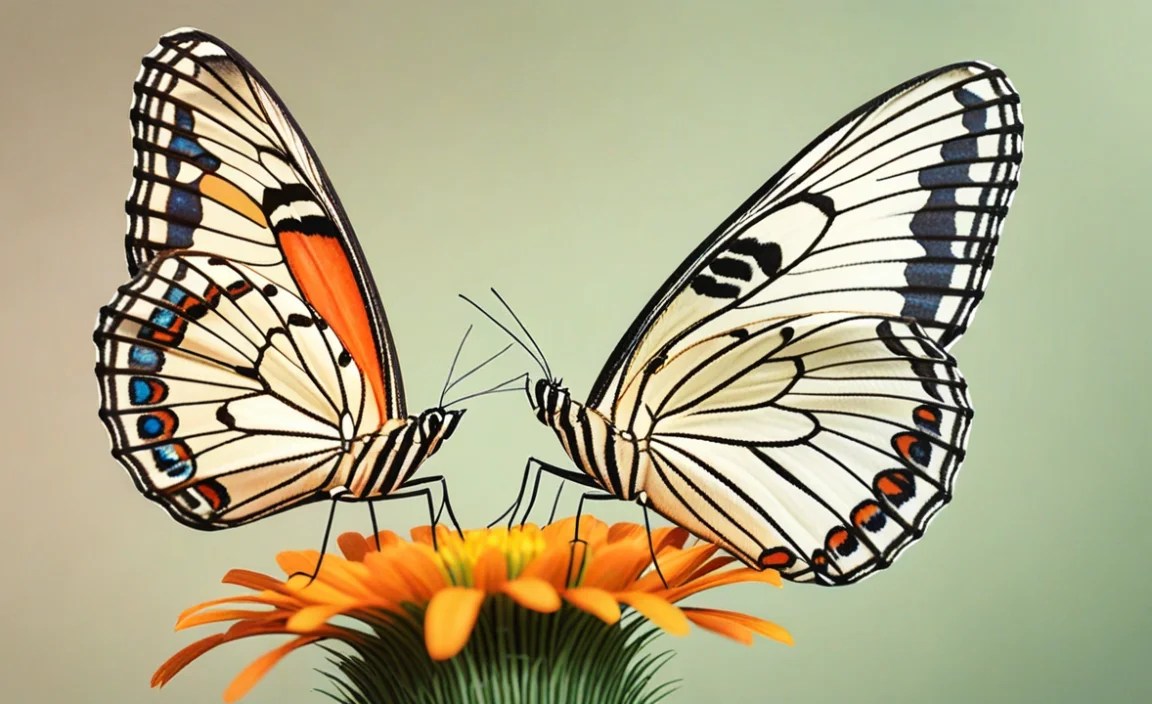
Identifying butterflies can be a rewarding experience. Here are some tips to get you started:
- Observe Carefully: Note the butterfly’s size, color, wing patterns, and behavior.
- Use Binoculars: A good pair of binoculars can help you get a closer look without disturbing the butterfly.
- Take Photos: Capture images from different angles to aid in identification later.
- Consult Field Guides: Carry a field guide or use a butterfly identification app.
Key Features for Butterfly Identification
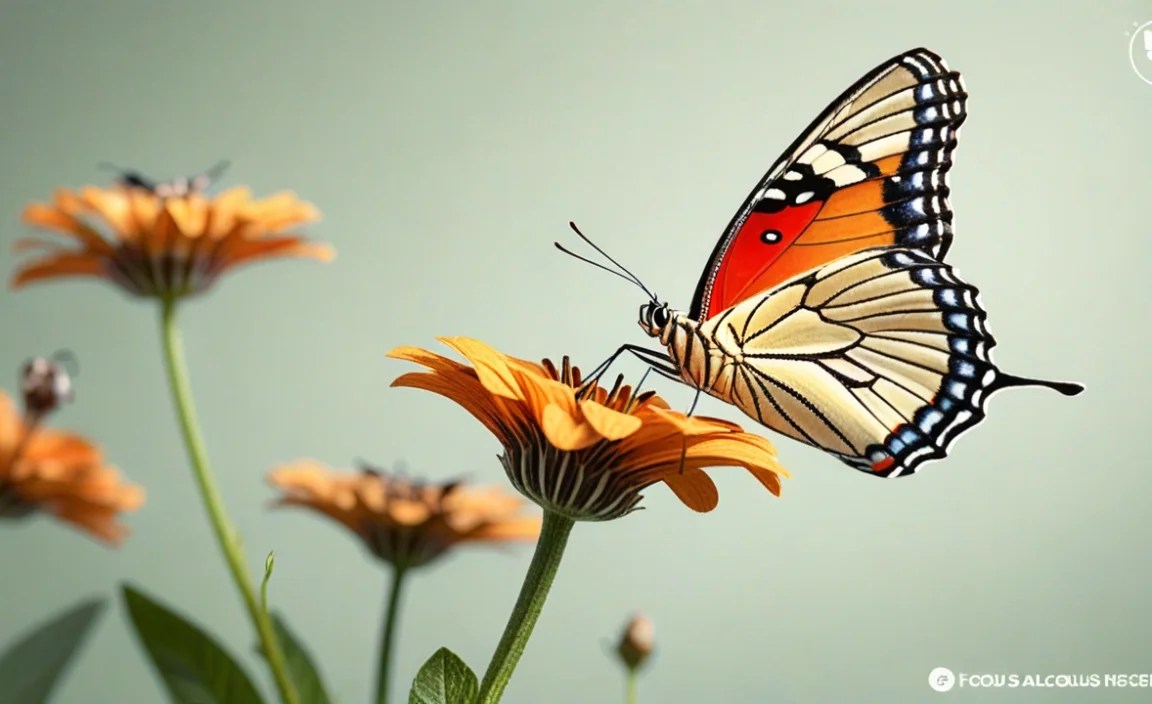
Butterflies have distinct features that help in identification. Pay attention to these:
Wing Shape and Size
Butterfly wings come in various shapes and sizes. Some are rounded, while others are elongated or have tails. The size of the butterfly can also be a clue.
Color and Markings
The color and markings on the wings are crucial for identification. Note the presence of spots, stripes, bands, and other patterns.
Habitat and Location
Butterflies are often found in specific habitats. Knowing the location can narrow down the possibilities.
Flight Pattern
Some butterflies have a distinctive flight pattern. For example, Monarchs have a slow, gliding flight, while Skippers have a rapid, erratic flight.
Common Butterfly Families and Species

Butterflies are classified into several families, each with unique characteristics. Here’s an overview of some common families and species:
Swallowtails (Papilionidae)
Swallowtails are large, colorful butterflies with distinctive tails on their hindwings. They are often found in gardens and open woodlands.
- Eastern Tiger Swallowtail (Papilio glaucus): Yellow with black stripes.
- Black Swallowtail (Papilio polyxenes): Black with yellow spots and iridescent blue on the hindwings.
- Pipevine Swallowtail (Battus philenor): Black with iridescent blue-green on the hindwings.
Whites and Sulphurs (Pieridae)
Whites and Sulphurs are typically white, yellow, or orange and are commonly seen in fields and meadows.
- Cabbage White (Pieris rapae): White with small black spots.
- Clouded Sulphur (Colias philodice): Yellow with black borders.
- Orange Sulphur (Colias eurytheme): Orange with black borders.
Brush-footed Butterflies (Nymphalidae)
Brush-footed butterflies have reduced front legs and are known for their vibrant colors and patterns. This family includes many popular species.
- Monarch (Danaus plexippus): Orange with black veins and white spots along the edges.
- Viceroy (Limenitis archippus): Mimics the Monarch but has a black line across the hindwing.
- Painted Lady (Vanessa cardui): Orange and brown with black and white markings.
- Red Admiral (Vanessa atalanta): Black with red bands and white spots.
Blues, Coppers, and Hairstreaks (Lycaenidae)
These butterflies are small and often brightly colored, with intricate patterns. They are commonly found near their host plants.
- Eastern Tailed-Blue (Cupido comyntas): Blue with a small tail on each hindwing.
- American Copper (Lycaena phlaeas): Copper-colored with dark spots.
- Gray Hairstreak (Strymon melinus): Gray with a thin orange stripe and small tails.
Skippers (Hesperiidae)
Skippers are small, stout-bodied butterflies with hooked antennae and a rapid, skipping flight. They are often brown or orange.
- Silver-spotted Skipper (Epargyreus clarus): Brown with a large silver spot on the hindwing.
- Peck’s Skipper (Polites peckius): Orange-brown with dark spots.
Butterfly Habitats and Host Plants

Understanding butterfly habitats and host plants is essential for attracting and conserving these insects.
Gardens
Many butterflies are attracted to gardens with nectar-rich flowers. Plant a variety of flowers that bloom at different times of the year to provide a continuous food source.
Meadows and Fields
Meadows and fields provide a diverse range of habitats for butterflies, including wildflowers and grasses that serve as host plants for their larvae.
Woodlands
Woodlands offer shelter and food for many butterfly species. Look for butterflies along woodland edges and in sunny clearings.
Wetlands
Wetlands provide important habitats for butterflies that rely on specific aquatic or semi-aquatic plants.
Attracting Butterflies to Your Garden

Creating a butterfly-friendly garden is a great way to support these important pollinators. Here’s how:
Plant Nectar-Rich Flowers
Choose flowers that provide nectar for adult butterflies. Some good options include:
- Butterfly Bush (Buddleja davidii)
- Bee Balm (Monarda)
- Purple Coneflower (Echinacea purpurea)
- Zinnia (Zinnia elegans)
- Lantana (Lantana camara)
Provide Host Plants
Plant host plants that caterpillars can feed on. Some examples include:
- Milkweed (Asclepias) for Monarchs
- Parsley, Dill, and Fennel for Black Swallowtails
- Violets (Viola) for Fritillaries
Offer a Water Source
Butterflies need water, but they can’t drink from open water sources. Provide a shallow dish with wet sand or pebbles.
Provide Shelter
Butterflies need shelter from wind and predators. Plant shrubs and trees to provide cover.
Avoid Pesticides
Pesticides can harm or kill butterflies and other beneficial insects. Use organic gardening methods to protect your butterfly garden.
Butterfly Life Cycle
Butterflies undergo a complete metamorphosis, which includes four distinct stages:
Egg
Butterflies lay their eggs on or near their host plants. The eggs can be various shapes and colors.
Larva (Caterpillar)
The larva, or caterpillar, hatches from the egg and spends its time eating and growing. Caterpillars molt several times as they grow larger.
Pupa (Chrysalis)
When the caterpillar is fully grown, it forms a pupa, or chrysalis. Inside the chrysalis, the caterpillar transforms into a butterfly.
Adult
The adult butterfly emerges from the chrysalis. It spends its time feeding, mating, and laying eggs.
Butterfly Migration
Some butterfly species, such as the Monarch, undertake long-distance migrations. These migrations are driven by changes in temperature and the availability of food and breeding resources. Monarchs migrate from Canada and the United States to overwintering sites in Mexico and California.
You can learn more about Monarch migration and conservation efforts from organizations like the World Wildlife Fund.
Butterfly Conservation
Many butterfly species are threatened by habitat loss, pesticide use, and climate change. Here are some ways you can help conserve butterflies:
Protect and Restore Habitats
Support efforts to protect and restore butterfly habitats, such as meadows, forests, and wetlands.
Reduce Pesticide Use
Avoid using pesticides in your garden and encourage others to do the same.
Plant Native Plants
Plant native plants that provide food and shelter for butterflies.
Support Conservation Organizations
Donate to or volunteer with organizations that work to conserve butterflies and their habitats, such as the Xerces Society.
Educate Others
Share your knowledge about butterflies with others and encourage them to take action to protect these important insects.
Butterfly Photography Tips
Capturing beautiful photos of butterflies requires patience and skill. Here are some tips to help you get started:
Use a Macro Lens
A macro lens allows you to get close to the butterfly and capture fine details.
Focus Carefully
Ensure that your focus is sharp, especially on the butterfly’s eyes or other key features.
Use Natural Light
Natural light is best for butterfly photography. Avoid using flash, which can startle the butterfly and create harsh shadows.
Be Patient
Butterflies are often active and move quickly. Be patient and wait for the right moment to take your shot.
Respect the Butterfly
Avoid disturbing or harming the butterfly while taking photos. Be mindful of its habitat and behavior.
Butterfly Symbolism and Cultural Significance
Butterflies have long been symbols of transformation, beauty, and hope. In many cultures, they are associated with the soul and the afterlife. Here are some examples of butterfly symbolism:
Transformation
The butterfly’s life cycle, from egg to caterpillar to pupa to adult, is a powerful metaphor for personal growth and transformation.
Beauty
Butterflies are admired for their vibrant colors and graceful flight.
Hope
Butterflies are often seen as symbols of hope and new beginnings.
Soul and Afterlife
In some cultures, butterflies are believed to represent the souls of the dead or to carry messages from the spirit world.
Butterfly Watching Etiquette
When observing butterflies in their natural habitat, it’s important to follow some basic etiquette guidelines:
Be Respectful
Avoid disturbing or harming butterflies or their habitats.
Stay on Trails
Stick to established trails to avoid trampling vegetation and disturbing wildlife.
Observe from a Distance
Use binoculars to get a closer look without getting too close to the butterfly.
Do Not Collect
Do not collect butterflies or other insects. Leave them for others to enjoy.
Leave No Trace
Pack out everything you pack in and leave the area as you found it.
Butterfly Identification Table
| Butterfly | Family | Characteristics | Habitat |
|---|---|---|---|
| Monarch | Nymphalidae | Orange with black veins and white spots | Fields, meadows, gardens |
| Eastern Tiger Swallowtail | Papilionidae | Yellow with black stripes | Woodlands, gardens |
| Cabbage White | Pieridae | White with small black spots | Gardens, fields |
| Painted Lady | Nymphalidae | Orange and brown with black and white markings | Various habitats |
| Silver-spotted Skipper | Hesperiidae | Brown with a large silver spot on the hindwing | Fields, meadows |
Butterfly Nectar Plant Table
| Plant | Type | Blooming Season | Attracts |
|---|---|---|---|
| Butterfly Bush (Buddleja davidii) | Shrub | Summer | Various butterflies |
| Bee Balm (Monarda) | Perennial | Summer | Swallowtails, Monarchs |
| Purple Coneflower (Echinacea purpurea) | Perennial | Summer | Various butterflies |
| Zinnia (Zinnia elegans) | Annual | Summer | Various butterflies |
| Lantana (Lantana camara) | Annual/Perennial | Summer | Various butterflies |
Resources for Further Learning
Here are some resources to deepen your knowledge of butterflies:
- Books: Field guides to butterflies of your region.
- Websites: The Xerces Society, Butterfly Conservation Initiative.
- Apps: Butterfly identification apps for your smartphone.
- Local Experts: Join a local butterfly club or nature group.
FAQ About Butterfly Field Guides
What is a butterfly field guide?
A butterfly field guide is a resource that helps you identify different species of butterflies based on their physical characteristics, habitat, and behavior. It usually includes pictures and descriptions to aid in identification.
How do I use a butterfly field guide effectively?
Start by observing the butterfly’s key features like size, color, and wing patterns. Then, compare your observations with the descriptions and images in the field guide to find a match. Don’t forget to consider the location and time of year.
What are some essential features to look for in a butterfly field guide?
A good field guide should have clear, high-quality photos or illustrations, accurate descriptions, information on habitat and range, and a user-friendly organization system. It should also cover the butterfly species found in your specific region.
Can I use a butterfly field guide app instead of a physical book?
Yes, many excellent butterfly identification apps are available for smartphones. These apps often include features like image recognition, range maps, and detailed species information, making identification easier and more convenient.
How can I contribute to butterfly conservation efforts?
You can help by planting native nectar-rich flowers and host plants in your garden, avoiding pesticide use, supporting conservation organizations, and educating others about the importance of butterflies.
What is the best time of year to go butterfly watching?
The best time for butterfly watching is usually during the warmer months, from spring to fall, when butterflies are most active. The specific timing varies depending on your location and the species of butterflies you want to see.
Why are butterflies important to the environment?
Butterflies are important pollinators, helping to transfer pollen from one flower to another, which is essential for plant reproduction. They also serve as an important food source for birds and other animals, contributing to the overall health of the ecosystem.
Conclusion
Exploring the world of butterflies is a journey filled with wonder and discovery. By learning to identify these beautiful creatures, understanding their habitats, and supporting their conservation, you can play a vital role in protecting these important pollinators. So grab your field guide, head outdoors, and immerse yourself in the enchanting world of butterflies. Happy butterfly watching!


