
Butterfly Conservation Programs: A Powerful Guide

Quick Summary:
Butterfly conservation programs are vital for protecting these delicate creatures. These programs involve habitat restoration, captive breeding, public education, and research. You can support butterflies by planting native flowers, reducing pesticide use, participating in citizen science projects, and donating to conservation organizations. Every action, big or small, helps ensure butterflies thrive for future generations.
Butterflies, with their vibrant wings and graceful flight, bring joy to our gardens and wild spaces. But these beautiful creatures are facing increasing threats from habitat loss, climate change, and pesticide use. It can feel overwhelming to think about these challenges, but the good news is that many dedicated individuals and organizations are working hard to protect butterflies through various conservation programs.
In this article, we’ll explore what butterfly conservation programs are all about and how you can get involved. We’ll look at the different types of programs, from habitat restoration to citizen science, and provide practical steps you can take to make a difference. By understanding the challenges butterflies face and the solutions being implemented, you can become a part of the effort to ensure these enchanting insects continue to thrive.
Understanding Butterfly Conservation Programs
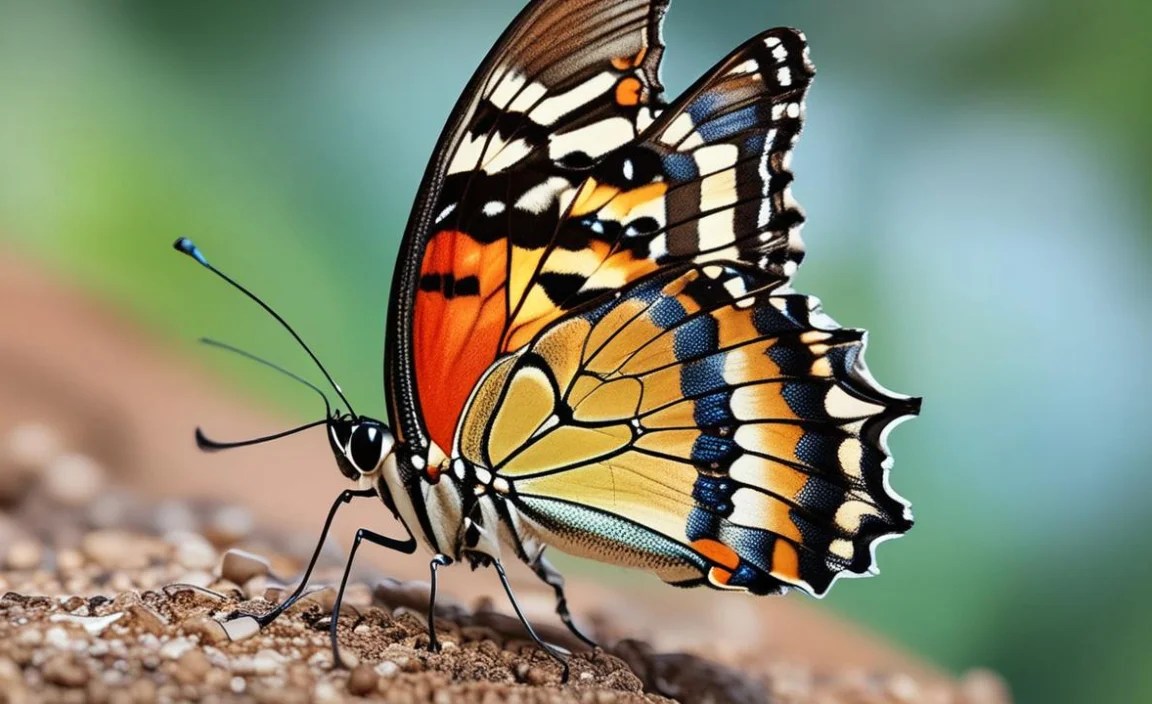
Butterfly conservation programs are organized efforts aimed at protecting butterfly populations and their habitats. These programs address the various threats that butterflies face, working to create a more sustainable environment for them to flourish. They encompass a range of activities, from scientific research to on-the-ground habitat management and public education.
Why Are Butterflies Important?
Butterflies play a crucial role in our ecosystem. They are pollinators, helping to fertilize plants and ensure the production of fruits, vegetables, and seeds. This pollination is essential for both wild plant communities and agricultural crops. Additionally, butterflies are an important part of the food chain, serving as a food source for birds, reptiles, and other insects. Their presence is an indicator of a healthy environment, and their decline can signal broader ecological problems.
Threats to Butterfly Populations
Several factors contribute to the decline of butterfly populations worldwide:
- Habitat Loss: The destruction and fragmentation of natural habitats due to urbanization, agriculture, and deforestation.
- Climate Change: Altered weather patterns and increased temperatures can disrupt butterfly life cycles and migration patterns.
- Pesticide Use: Insecticides and herbicides can directly harm butterflies and their food sources.
- Invasive Species: Non-native plants and insects can outcompete native species, reducing food availability for butterflies.
- Disease: Viral and bacterial diseases can devastate butterfly populations, especially in captive breeding programs.
Types of Butterfly Conservation Programs
Butterfly conservation programs take many forms, each addressing specific aspects of butterfly conservation. Here are some of the most common types:
Habitat Restoration and Management
Habitat restoration involves restoring degraded or destroyed habitats to their natural state. This can include planting native trees, shrubs, and wildflowers that provide food and shelter for butterflies. Habitat management focuses on maintaining existing habitats through activities like controlled burns, invasive species removal, and creating butterfly-friendly gardens.
Captive Breeding and Reintroduction
Captive breeding programs involve raising butterflies in controlled environments and then releasing them back into the wild. This is often used for endangered species to boost their populations. Reintroduction programs carefully select release sites and monitor the butterflies to ensure they are successfully establishing in their new environment.
Research and Monitoring
Research is essential for understanding butterfly biology, behavior, and the threats they face. Monitoring programs track butterfly populations over time to assess their status and the effectiveness of conservation efforts. This data helps scientists and conservationists make informed decisions about conservation strategies.
Public Education and Outreach
Public education programs aim to raise awareness about the importance of butterflies and the need for conservation. These programs can include workshops, guided tours, educational materials, and citizen science projects. By engaging the public, these programs help to create a broader base of support for butterfly conservation.
Policy and Advocacy
Policy and advocacy efforts focus on influencing government policies and regulations to protect butterflies and their habitats. This can include lobbying for stricter pesticide regulations, promoting habitat conservation on public lands, and supporting funding for butterfly conservation programs.
Key Organizations Involved in Butterfly Conservation

Many organizations are dedicated to butterfly conservation, each with its own unique focus and approach. Here are some of the leading organizations:
- The Xerces Society: A non-profit organization that protects wildlife through the conservation of invertebrates and their habitats. They offer resources on butterfly gardening, habitat restoration, and citizen science. Visit the Xerces Society
- The North American Butterfly Association (NABA): An organization dedicated to butterfly conservation, education, and research. NABA runs butterfly counts, publishes educational materials, and advocates for butterfly conservation. Visit NABA
- Butterfly Conservation (UK): A UK-based organization that works to conserve butterflies and moths. They conduct research, manage habitats, and engage the public in conservation efforts. Visit Butterfly Conservation
- U.S. Fish and Wildlife Service: A government agency that works to protect endangered species, including butterflies. They manage habitats, conduct research, and provide funding for conservation projects. Visit USFWS
Step-by-Step Guide: How to Support Butterfly Conservation Programs
You can make a real difference in butterfly conservation, even with small actions. Here’s how you can get involved:
Step 1: Create a Butterfly-Friendly Garden
One of the best ways to help butterflies is to create a butterfly-friendly garden. This provides them with food, shelter, and breeding habitat. Here’s how:
- Plant Native Flowers: Choose native flowers that provide nectar for adult butterflies and food for caterpillars. Some popular choices include milkweed, coneflowers, asters, and sunflowers.
- Provide Host Plants: Plant host plants that caterpillars can feed on. Milkweed is essential for monarch butterflies, while other butterflies have specific host plant requirements.
- Avoid Pesticides: Pesticides can harm or kill butterflies and other beneficial insects. Use natural pest control methods instead.
- Provide Water: Butterflies need water, especially during hot weather. Create a shallow dish of water with pebbles or sand for them to land on.
- Provide Shelter: Plant shrubs and trees to provide shelter from wind and predators.
Step 2: Reduce Pesticide Use
Pesticides are a major threat to butterflies. Even if you don’t have a garden, you can reduce pesticide use by:
- Buying Organic Produce: Organic produce is grown without synthetic pesticides, which helps protect butterflies and other wildlife.
- Using Natural Pest Control Methods: Try natural pest control methods in your garden, such as introducing beneficial insects or using homemade sprays.
- Advocating for Reduced Pesticide Use: Support policies that reduce pesticide use in your community and beyond.
Step 3: Participate in Citizen Science Projects
Citizen science projects allow you to contribute to butterfly research and monitoring. Here are some popular projects:
- Butterfly Counts: Participate in butterfly counts organized by NABA and other organizations. These counts help track butterfly populations over time.
- Monarch Watch: Tag monarch butterflies to help track their migration patterns.
- Journey North: Report your sightings of monarch butterflies and other migratory species.
Step 4: Support Conservation Organizations
Donate to or volunteer with organizations that are working to protect butterflies. Your support can help fund research, habitat restoration, and public education programs.
Step 5: Educate Others
Share your knowledge about butterflies and the importance of conservation with others. Talk to your friends, family, and neighbors about what they can do to help. Write letters to your elected officials advocating for butterfly conservation policies.
Step 6: Advocate for Habitat Protection
Support efforts to protect and restore butterfly habitats. This can include advocating for the creation of new parks and protected areas, as well as supporting policies that promote sustainable land use.
Step 7: Reduce Your Carbon Footprint
Climate change is a major threat to butterflies. Reduce your carbon footprint by:
- Conserving Energy: Use less energy at home and at work.
- Using Public Transportation: Walk, bike, or take public transportation whenever possible.
- Eating Locally: Buy locally grown food to reduce transportation emissions.
Case Studies: Successful Butterfly Conservation Programs
Several butterfly conservation programs have achieved significant success in protecting butterfly populations. Here are a few examples:
The Monarch Butterfly Recovery Program
The monarch butterfly population has declined dramatically in recent decades due to habitat loss and climate change. The Monarch Butterfly Recovery Program is a multi-faceted effort to restore monarch habitats, reduce pesticide use, and engage the public in conservation efforts. This program has involved planting milkweed, creating butterfly gardens, and educating people about the importance of monarch conservation.
The Mission Blue Butterfly Recovery Program
The Mission blue butterfly is an endangered species found in the San Francisco Bay Area. The Mission Blue Butterfly Recovery Program has focused on restoring grassland habitats and controlling invasive species. This program has helped to increase the population of Mission blue butterflies and improve the overall health of their habitat.
The Karner Blue Butterfly Recovery Program
The Karner blue butterfly is an endangered species found in the northeastern United States. The Karner Blue Butterfly Recovery Program has focused on restoring oak savanna habitats and managing prescribed burns to maintain open areas for the butterflies. This program has helped to increase the population of Karner blue butterflies and improve the quality of their habitat.
Tools and Resources for Butterfly Conservation
Several tools and resources can help you get involved in butterfly conservation:
| Tool/Resource | Description | Link |
|---|---|---|
| Xerces Society Butterfly Gardening Guide | A guide to creating butterfly-friendly gardens. | Xerces Society |
| NABA Butterfly Count Program | Information on participating in butterfly counts. | NABA |
| Monarch Watch | Information on tagging monarch butterflies. | Monarch Watch |
| Journey North | A citizen science project for reporting butterfly sightings. | Journey North |
| U.S. Fish and Wildlife Service Endangered Species Program | Information on endangered butterfly species. | USFWS |
Overcoming Challenges in Butterfly Conservation
Butterfly conservation faces several challenges, including:
- Funding Limitations: Conservation programs often rely on limited funding, which can restrict their scope and effectiveness.
- Habitat Fragmentation: The fragmentation of habitats makes it difficult for butterflies to move between populations and find suitable breeding sites.
- Climate Change Impacts: Climate change is altering butterfly habitats and disrupting their life cycles, making it difficult to predict and manage their populations.
- Public Awareness: Raising public awareness about the importance of butterfly conservation is essential for gaining support and funding for conservation efforts.
To overcome these challenges, it’s important to:
- Increase Funding: Advocate for increased funding for butterfly conservation programs.
- Protect and Restore Habitats: Focus on protecting and restoring butterfly habitats, creating corridors that connect fragmented populations.
- Address Climate Change: Take action to reduce greenhouse gas emissions and mitigate the impacts of climate change on butterflies.
- Raise Public Awareness: Educate the public about the importance of butterfly conservation and encourage them to get involved.
FAQ About Butterfly Conservation Programs
What is butterfly conservation?
Butterfly conservation involves protecting butterfly populations and their habitats. It includes efforts like habitat restoration, captive breeding, research, and public education to ensure butterflies thrive.
Why are butterfly conservation programs important?
Butterflies are important pollinators and indicators of a healthy ecosystem. Conservation programs help protect them from threats like habitat loss, climate change, and pesticide use, ensuring they continue to play their vital role in nature.
How can I get involved in butterfly conservation?
You can get involved by planting native flowers, reducing pesticide use, participating in citizen science projects, supporting conservation organizations, and educating others about the importance of butterflies.
What is a butterfly-friendly garden?
A butterfly-friendly garden provides food, shelter, and breeding habitat for butterflies. It includes native flowers for nectar, host plants for caterpillars, water sources, and shelter from wind and predators.
What are some common threats to butterflies?
Common threats include habitat loss, climate change, pesticide use, invasive species, and disease. These factors can disrupt butterfly life cycles, reduce their food sources, and decrease their populations.
What is citizen science, and how does it help butterflies?
Citizen science involves the public in scientific research. By participating in projects like butterfly counts and monarch tagging, you can help scientists track butterfly populations and migration patterns, providing valuable data for conservation efforts.
What are some organizations involved in butterfly conservation?
Leading organizations include the Xerces Society, the North American Butterfly Association (NABA), Butterfly Conservation (UK), and the U.S. Fish and Wildlife Service. These organizations conduct research, manage habitats, and engage the public in conservation efforts.
Conclusion
Butterfly conservation programs are essential for protecting these beautiful and important insects. By understanding the threats they face and the solutions being implemented, you can become a part of the effort to ensure butterflies continue to thrive. Whether you create a butterfly-friendly garden, reduce pesticide use, participate in citizen science, or support conservation organizations, your actions can make a real difference. Together, we can create a brighter future for butterflies and the ecosystems they support.


