
Wing Venation in Butterflies: The Powerful Secret

Quick Summary: Butterfly wing venation refers to the intricate patterns of veins on their wings. These veins provide structural support, carry vital nutrients, and aid in flight. Understanding wing venation helps in butterfly identification and provides insights into their evolution and classification. By observing these patterns, you can distinguish different butterfly families and species, enhancing your appreciation for these beautiful insects.
Have you ever looked closely at a butterfly’s wings and noticed the delicate network of lines running through them? These aren’t just random patterns; they’re called wing veins, and they play a crucial role in a butterfly’s life. Figuring out what these veins do and how they differ between species can feel like unlocking a secret code. It might seem tricky at first, but with a little guidance, you’ll be able to identify butterflies and understand their unique designs.
In this guide, we’ll explore the fascinating world of butterfly wing venation. We’ll cover the basics of what wing veins are, their functions, and how to use them for identification. Get ready to discover the hidden beauty and complexity of these incredible creatures!
Understanding Butterfly Wing Venation
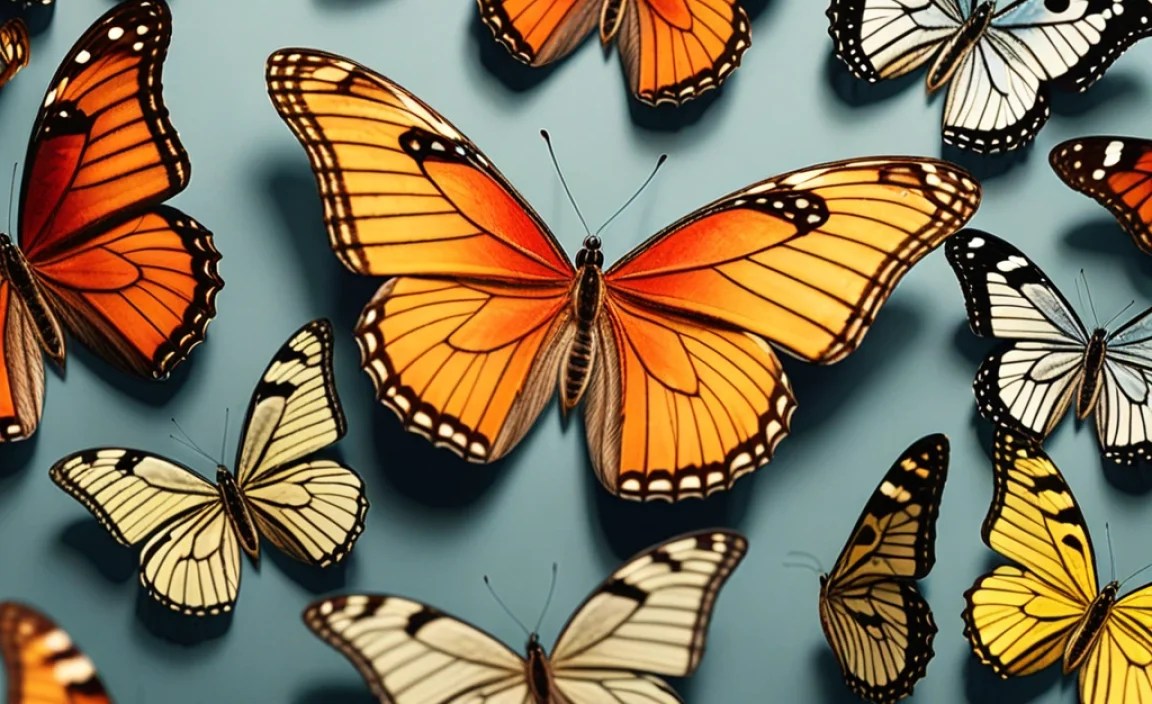
Butterfly wing venation refers to the arrangement of veins within a butterfly’s wing. These veins are not just structural supports; they are vital for the butterfly’s survival. Let’s delve deeper into what makes them so important.
What are Wing Veins?
Wing veins are tubular structures within the butterfly’s wings that serve multiple purposes:
- Support: They provide structural support, keeping the wings rigid and preventing them from tearing during flight.
- Nutrient Transport: They carry hemolymph (the insect equivalent of blood), which transports nutrients and oxygen throughout the wing.
- Sensory Function: Some veins contain sensory nerves that help the butterfly detect air currents and adjust its flight accordingly.
These veins are formed during the pupal stage, as the wing develops within the chrysalis. The pattern of these veins is generally consistent within a species, making them a useful tool for identification.
Why is Wing Venation Important?
Wing venation is crucial for several reasons:
- Flight Efficiency: The arrangement of veins optimizes the wing’s aerodynamic properties, allowing for efficient and controlled flight.
- Species Identification: The specific pattern of wing veins can help distinguish between different butterfly species, especially when other characteristics are similar.
- Evolutionary Studies: Venation patterns provide insights into the evolutionary relationships between different butterfly groups.
By studying wing venation, entomologists and butterfly enthusiasts can gain a deeper understanding of butterfly biology and evolution. The patterns can be quite intricate and beautiful, showcasing the incredible diversity of nature.
Key Veins and Cells in Butterfly Wings
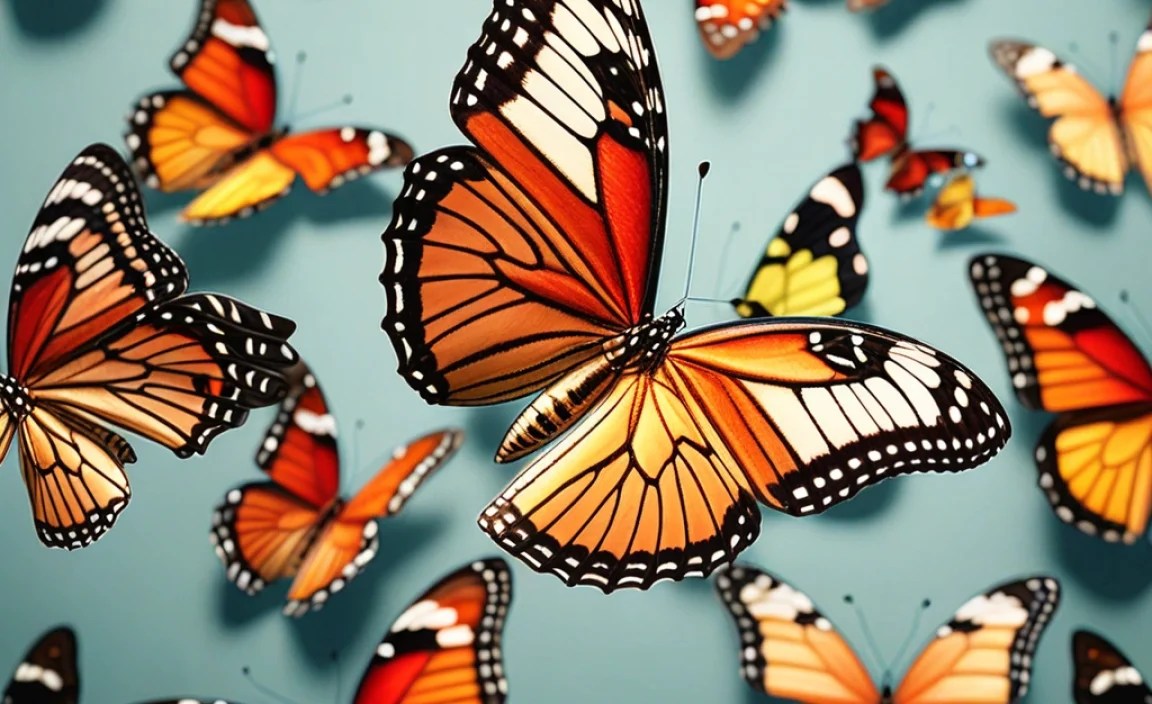
To understand wing venation, it’s essential to familiarize yourself with the names and locations of the key veins and cells. Here’s a breakdown to help you navigate this fascinating aspect of butterfly anatomy.
Naming Conventions for Wing Veins
Butterfly wing veins are named and numbered based on a standardized system. Here are the main veins you’ll encounter:
- Costa (C): The leading edge of the wing.
- Subcosta (Sc): Runs parallel to the costa.
- Radius (R): Extends from the base of the wing and branches into several radial veins (R1, R2, R3, R4, R5).
- Media (M): Also extends from the base and branches into medial veins (M1, M2, M3).
- Cubitus (Cu): Branches into cubital veins (Cu1, Cu2).
- Anal Veins (A): Located near the trailing edge of the hindwing.
Understanding these names will make it easier to follow descriptions and diagrams of wing venation patterns. Each vein plays a unique role in supporting the wing and facilitating flight.
Wing Cells Explained
The areas between the veins are called cells. These cells are also important for identification purposes. Key cells to note include:
- Discal Cell: A large cell located in the center of the wing.
- Marginal Cells: Cells located along the outer edge of the wing.
The shape and size of these cells, along with the arrangement of veins around them, can be distinctive characteristics that help differentiate between butterfly species. Recognizing these cells is a crucial step in mastering butterfly identification through wing venation.
Forewing vs. Hindwing Venation
The venation patterns differ slightly between the forewings and hindwings. Here’s what to look for:
| Feature | Forewing | Hindwing |
|---|---|---|
| Number of Veins | Generally more veins | Generally fewer veins |
| Cell Structure | More elongated cells | More rounded cells |
| Anal Veins | Fewer anal veins | More prominent anal veins |
By comparing the venation patterns on both the forewings and hindwings, you can get a comprehensive view of the butterfly’s unique characteristics. This comparative approach is especially helpful when identifying closely related species.
How to Identify Butterflies Using Wing Venation

Now that you understand the basics of wing venation, let’s explore how to use it for butterfly identification. This process involves careful observation and comparison with reference materials.
Step-by-Step Guide to Wing Venation Identification
- Obtain a Clear Image or Specimen: A high-quality photograph or a physical specimen is essential. Ensure the wings are clearly visible and undamaged.
- Identify Key Veins: Locate and identify the major veins, such as the costa, subcosta, radius, media, and cubitus. Use a diagram or reference guide to help you.
- Examine Cell Structure: Note the shape and size of the discal and marginal cells. Pay attention to any unique features or patterns.
- Compare with Reference Materials: Use field guides, online databases, or scientific publications to compare the venation pattern with known species. Websites like BugGuide.Net or the Butterflies and Moths of North America are excellent resources.
- Consider Other Characteristics: Wing venation should be used in conjunction with other identifying features, such as wing color, pattern, size, and geographic location.
By following these steps, you can systematically analyze the wing venation and narrow down the possible species. Remember, practice makes perfect, so don’t be discouraged if it takes time to become proficient.
Tools for Studying Wing Venation
Several tools can aid in the study of wing venation:
- Magnifying Glass or Microscope: Essential for examining the fine details of the veins and cells.
- Field Guides: Provide illustrations and descriptions of wing venation patterns for various butterfly species.
- Online Databases: Offer a wealth of information and images for comparison.
- Digital Calipers: Useful for measuring the length and width of veins and cells.
Having these tools at your disposal will enhance your ability to accurately identify butterflies based on their wing venation. A good magnifying glass can reveal details that are otherwise invisible to the naked eye.
Common Mistakes to Avoid
When identifying butterflies using wing venation, be aware of these common pitfalls:
- Ignoring Variation: Venation patterns can vary slightly within a species. Consider a range of possibilities.
- Relying Solely on Venation: Always consider other characteristics, such as color and pattern.
- Using Damaged Specimens: Damaged wings can distort the venation pattern, leading to misidentification.
- Neglecting Geographic Location: Ensure the species is known to occur in the region where the specimen was found.
Avoiding these mistakes will improve the accuracy of your identifications and help you become a more skilled butterfly observer. Always cross-reference your findings with multiple sources to ensure accuracy.
Examples of Wing Venation in Different Butterfly Families

Different butterfly families exhibit unique wing venation patterns. Let’s explore some examples to illustrate these differences.
Nymphalidae (Brush-footed Butterflies)
Nymphalidae butterflies, such as Monarchs and Painted Ladies, have reduced forelegs and distinctive wing venation. Key features include:
- Reduced Forelegs: They appear to have only four legs.
- Strong Veins: Well-defined veins across both wings.
- Discal Cell: Often closed in both forewings and hindwings.
The strong venation supports their migratory flights and diverse habitats. The venation patterns help in distinguishing the many subfamilies within Nymphalidae.
Papilionidae (Swallowtail Butterflies)
Swallowtail butterflies are known for their elegant tails and vibrant colors. Their wing venation is characterized by:
- Tail-like Extensions: Often present on the hindwings.
- Branched Veins: Veins that branch extensively towards the wing margins.
- Elongated Cells: Elongated discal cell in the forewing.
The branched veins provide the necessary support for their large wings, enabling them to perform agile maneuvers in flight. The tails, combined with the wing patterns, also play a role in predator avoidance.
Pieridae (Whites and Sulphurs)
Whites and Sulphurs are typically white or yellow and have distinct wing venation:
- Simple Venation: Relatively simple venation pattern compared to other families.
- Forked Veins: Forked veins near the wingtips.
- Small Size: Generally smaller in size compared to Swallowtails or Brush-footed butterflies.
Their simple venation reflects their less complex flight patterns. These butterflies are often found in open fields and gardens, where their bright colors attract mates and pollinators.
Lycaenidae (Gossamer-winged Butterflies)
Gossamer-winged butterflies are small and often brightly colored. Their wing venation includes:
- Small Size: Typically small in size.
- Delicate Veins: Fine and delicate veins.
- Hindwing Tails: Some species have small tails on the hindwings.
The delicate venation supports their small, agile flight. Many Lycaenidae species have a symbiotic relationship with ants, which protect them from predators.
The Role of Wing Venation in Butterfly Evolution
Wing venation provides valuable insights into the evolutionary history of butterflies. By studying changes in venation patterns over time, scientists can trace the relationships between different butterfly groups and understand how they have adapted to different environments.
Tracing Evolutionary Relationships
Wing venation is a conservative trait, meaning it changes relatively slowly over evolutionary time. This makes it a useful tool for constructing phylogenetic trees and understanding the relationships between different butterfly families and genera. By comparing venation patterns, scientists can identify common ancestors and trace the divergence of different lineages.
Adaptations and Environmental Influences
Wing venation can also reflect adaptations to specific environmental conditions. For example, butterflies that live in windy environments may have thicker veins to provide extra support and prevent wing damage. Similarly, migratory butterflies may have venation patterns that optimize their flight efficiency for long-distance travel.
Studying these adaptations can provide insights into the selective pressures that have shaped butterfly evolution. Understanding the relationship between wing venation and environmental factors can also help us predict how butterflies may respond to future environmental changes.
Fossil Evidence and Wing Venation
Fossil butterflies are rare, but when they are found, their wing venation can provide valuable information about the early evolution of butterflies. By comparing the venation patterns of fossil butterflies with those of modern species, scientists can gain a better understanding of how butterfly wings have evolved over millions of years.
Fossil evidence can also help to calibrate molecular clocks and provide a timeline for butterfly evolution. The combination of fossil data and molecular data provides a powerful tool for unraveling the evolutionary history of these fascinating insects. You can also check out museum collections like the Smithsonian National Museum of Natural History to learn more.
Conserving Butterflies and Their Habitats
Understanding butterfly wing venation not only enriches our knowledge but also highlights the importance of conserving these delicate creatures and their habitats. Butterflies play a crucial role in ecosystems as pollinators and indicators of environmental health.
The Importance of Butterfly Conservation
Butterflies are sensitive to environmental changes, and many species are threatened by habitat loss, pesticide use, and climate change. Conserving butterflies is essential for maintaining biodiversity and ensuring the health of our ecosystems. By protecting butterfly habitats and reducing our impact on the environment, we can help ensure that these beautiful insects continue to thrive.
Creating Butterfly-Friendly Habitats
You can contribute to butterfly conservation by creating butterfly-friendly habitats in your own backyard or community. Here are some tips:
- Plant Native Flowers: Choose native flowers that provide nectar for adult butterflies and food for caterpillars.
- Avoid Pesticides: Pesticides can harm or kill butterflies and other beneficial insects.
- Provide Water: Offer a shallow dish of water with pebbles for butterflies to drink from.
- Create Shelter: Provide shrubs and trees for butterflies to roost and seek shelter from the elements.
By creating these habitats, you can help support butterfly populations and contribute to their conservation. Every effort, no matter how small, can make a difference.
Supporting Conservation Organizations
Many organizations are dedicated to butterfly conservation and research. By supporting these organizations, you can help fund important conservation efforts and contribute to a better understanding of butterfly biology and ecology. Some notable organizations include:
- The Xerces Society: Focuses on invertebrate conservation, including butterflies.
- The North American Butterfly Association (NABA): Promotes butterfly conservation through education and research.
By getting involved with these organizations, you can help make a meaningful contribution to butterfly conservation and ensure that future generations can enjoy these beautiful insects.
FAQ About Butterfly Wing Venation
Here are some frequently asked questions about butterfly wing venation, answered to help you better understand this fascinating topic.
What is the purpose of wing veins in butterflies?
Wing veins provide structural support, transport nutrients, and contain sensory nerves. They help butterflies maintain wing shape and function during flight.
Can wing venation help identify butterfly species?
Yes, the unique pattern of wing veins can be a key characteristic for identifying different butterfly species, especially when combined with other features like color and size.
Do all butterflies have the same wing venation pattern?
No, different butterfly families and species have distinct wing venation patterns. These patterns reflect their evolutionary history and adaptations.
How do scientists study wing venation?
Scientists use magnifying glasses, microscopes, and digital calipers to examine and measure wing veins. They also compare venation patterns with reference materials and online databases.
What are the main veins in a butterfly wing?
The main veins include the costa, subcosta, radius, media, and cubitus. Each vein plays a specific role in supporting the wing and facilitating flight.
Are damaged wings still useful for venation identification?
Damaged wings can distort venation patterns, making identification difficult. It’s best to use undamaged specimens or high-quality images for accurate identification.
How can I contribute to butterfly conservation?
You can plant native flowers, avoid pesticides, provide water, and create shelter in your garden. Supporting conservation organizations and educating others about butterfly conservation are also great ways to help.
Conclusion
Exploring butterfly wing venation opens a new window into the intricate world of these fascinating insects. From providing structural support to aiding in species identification and revealing evolutionary relationships, wing veins are far more than just lines on a wing. By understanding and appreciating these patterns, we can deepen our connection with nature and contribute to butterfly conservation efforts. So, the next time you see a butterfly, take a closer look at its wings and marvel at the beauty and complexity of its venation. You might just discover a new favorite butterfly or unlock a deeper appreciation for the natural world around you. Happy butterfly watching!


